Sustainable urban development has emerged as a pivotal issue in the 21st century, directly affecting the quality of life, environmental health, and economic viability of cities globally. This approach aims to balance urban growth with sustainability, focusing on creating resilient, equitable, and environmentally-friendly urban areas. The Green New Deal, a comprehensive policy proposal introduced in the U.S., amplifies the call for sustainable urban development. This article explores the intricate relationship between sustainable urban development and the Green New Deal, highlighting the importance of an integrated approach in creating sustainable cities.
Urbanization is a relentless trend, with more than half of the world’s population now residing in cities, a figure projected to rise to around 70% by 2050. This rapid urbanization brings forth challenges such as increased pollution, resource depletion, and unequal access to services. Traditional urban planning models often fall short of addressing these multifaceted challenges. Sustainable urban development, however, offers a promising pathway by promoting practices that cater to ecological balance, social inclusivity, and economic prosperity.
The Green New Deal is a groundbreaking initiative that aligns closely with the principles of sustainable urban development. Proposed by U.S. Congresswoman Alexandria Ocasio-Cortez and Senator Ed Markey, the Green New Deal aims to address climate change and economic inequality simultaneously. Its core objectives include transitioning to renewable energy, creating high-quality jobs, and ensuring justice and equity for underserved communities. By integrating sustainable urban practices, the Green New Deal envisions a future where cities are not just places to live but thriving ecosystems that support human and environmental health.
Understanding Sustainable Urban Development
Sustainable urban development revolves around developing urban spaces that are not only conducive to economic growth but also environmentally and socially sustainable. It involves a multi-disciplinary approach that includes urban planning, transportation, housing, and environmental management. The key pillars of sustainable urban development are environmental sustainability, economic viability, and social equity.
Environmental sustainability in urban development means designing cities in a way that minimizes ecological footprints. This includes promoting green buildings, enhancing urban green spaces, and incorporating renewable energy sources. Green building standards like LEED (Leadership in Energy and Environmental Design) set benchmarks for environmentally responsible construction that benefits both the environment and human health.
Economic viability entails creating cities that offer robust economic opportunities while maintaining long-term economic health. Sustainable urban development encourages the development of local economies, job creation in green sectors, and investment in public infrastructure. These actions not only promote economic growth but also make cities resilient to economic shocks.
Social equity focuses on ensuring that urban development benefits all segments of society, particularly marginalized communities. It involves creating inclusive neighborhoods with access to quality housing, healthcare, education, and public services. Policies aimed at reducing social inequalities, such as affordable housing and equitable transportation options, are crucial components of socially sustainable urban development.
The Role of the Green New Deal
The Green New Deal is a visionary framework that seeks to transform the U.S. economy through sustainable practices and equitable development. While its primary focus is on combating climate change, it also addresses the socio-economic disparities that plague modern urban areas. The Green New Deal includes several provisions that align directly with the goals of sustainable urban development.
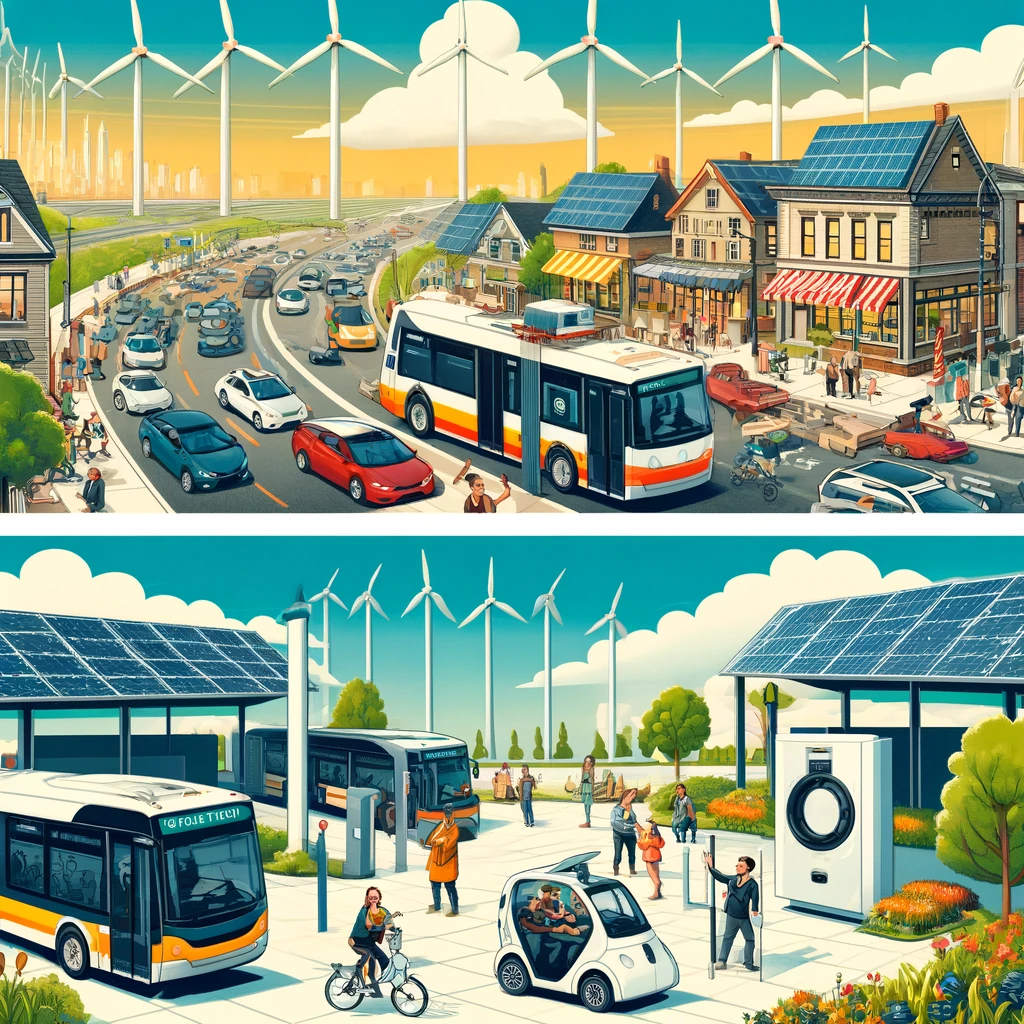
One of the fundamental aspects of the Green New Deal is the transition to renewable energy. By advocating for an energy infrastructure that relies on wind, solar, and other renewable sources, the Green New Deal promotes the development of green cities. Implementing renewable energy systems in urban settings not only reduces greenhouse gas emissions but also decreases reliance on fossil fuels, fostering energy independence.
Another critical component of the Green New Deal is its emphasis on green job creation. The policy envisions creating millions of jobs in renewable energy, sustainable agriculture, and green infrastructure. These jobs not only drive economic growth but also provide opportunities for communities historically left out of the economic mainstream.
The Green New Deal also places a strong emphasis on social justice and equity. It seeks to ensure that vulnerable communities disproportionately affected by environmental issues receive fair treatment and protection. By addressing environmental justice, the Green New Deal aims to create cities that prioritize the health and well-being of all residents, particularly those in historically marginalized communities.

Challenges in Achieving Sustainable Urban Development
While the vision of sustainable urban development and the Green New Deal is ambitious and inspiring, several challenges hinder their realization. The primary obstacle is the entrenched reliance on outdated, unsustainable urban planning models. Many cities continue to follow development practices that prioritize short-term gains over long-term sustainability, leading to suburban sprawl, inefficient energy use, and segregated communities.
Financial constraints also pose significant challenges. Transforming existing urban infrastructure to be more sustainable involves substantial investments. Many municipalities lack the financial resources to implement such changes without external support. Securing funding from federal, state, or private investors is crucial for the success of sustainable urban development projects.
The political landscape can also be a barrier. Sustainable urban development and the Green New Deal require bipartisan support and cooperation at multiple levels of government. Political gridlock and opposition can slow down or even halt progress, emphasizing the need for advocacy and public engagement to build political will.
Another challenge lies in the scale and complexity of urban systems. Cities are intricate networks of physical, social, and economic components, making comprehensive change a daunting task. Effective sustainable urban development requires integrated approaches that consider the interactions between various urban systems, necessitating collaboration across multiple disciplines and sectors.
Success Stories and Best Practices
Despite these challenges, many cities around the world have made significant strides in sustainable urban development, serving as models for others aiming to adopt green practices. Here, we highlight a few success stories and best practices that align with the principles of the Green New Deal.
One notable example is Copenhagen, Denmark, often hailed as one of the most sustainable cities in the world. Copenhagen aims to become carbon-neutral by 2025 through initiatives such as extensive cycling infrastructure, renewable energy projects, and green spaces. The city’s commitment to sustainability has resulted in significant reductions in carbon emissions and an enhanced quality of life for its residents.
Curitiba, Brazil, is another city that exemplifies sustainable urban development. Its innovative Bus Rapid Transit (BRT) system, introduced in the 1970s, has become a model for public transportation worldwide. The system has reduced traffic congestion and pollution while providing an efficient and affordable means of transport for residents.
In the United States, Portland, Oregon, stands out for its comprehensive approach to sustainability. Portland has implemented various policies to promote renewable energy, green buildings, and urban biodiversity. Its Climate Action Plan aims to reduce greenhouse gas emissions by 80% by 2050, aligning with the Green New Deal’s goals.
These cities demonstrate that sustainable urban development is achievable with the right policies, investments, and community engagement. Their experiences offer valuable lessons and best practices that other urban areas can adapt and apply to their unique contexts.
Future Directions and Innovations
The future of sustainable urban development is brimming with potential innovations and opportunities. Advances in technology, policy, and community engagement promise to drive significant progress towards greener, more resilient cities. Here are some emerging trends and innovations that could shape the future landscape of urban development.
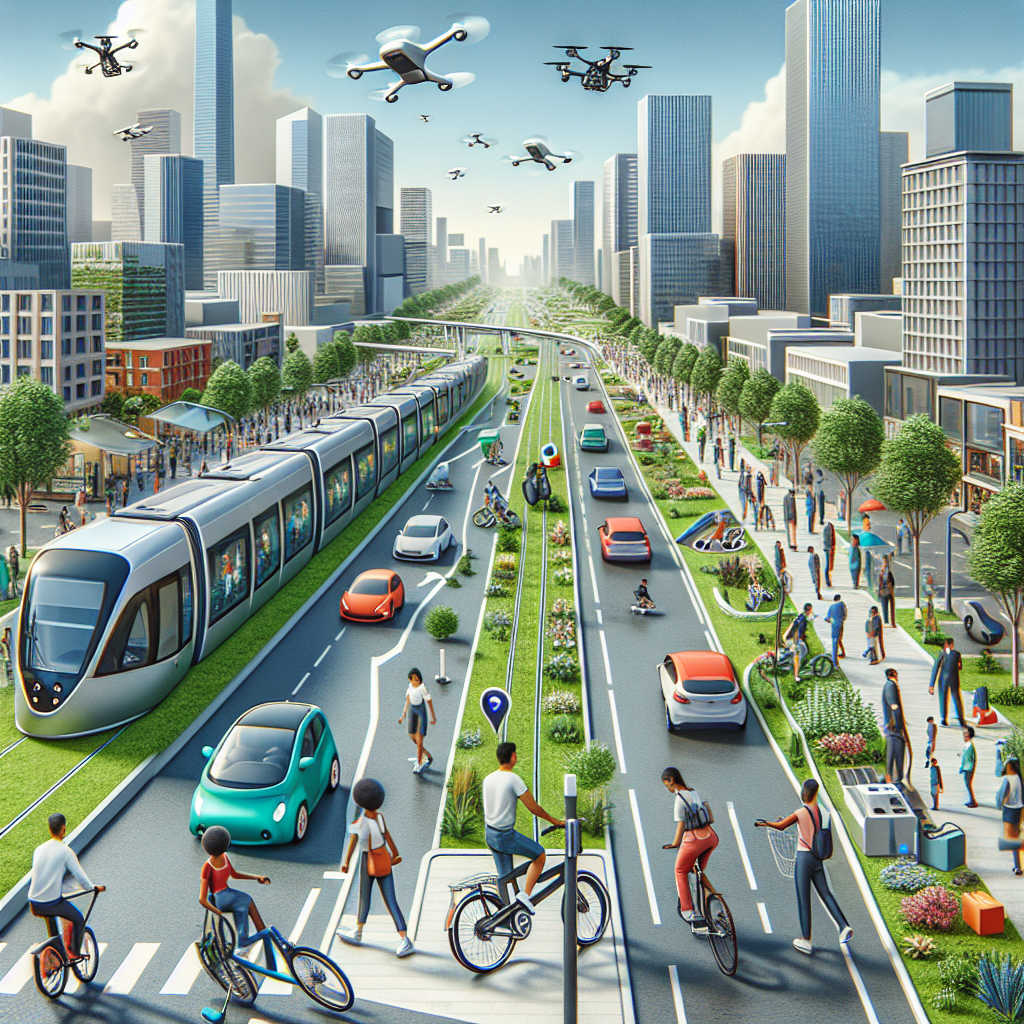
Smart cities are at the forefront of urban innovation, leveraging information and communication technologies to enhance the efficiency and sustainability of urban services. IoT (Internet of Things) devices, data analytics, and AI (Artificial Intelligence) are being used to optimize energy consumption, waste management, and transportation systems, making cities smarter and more responsive to resident needs.
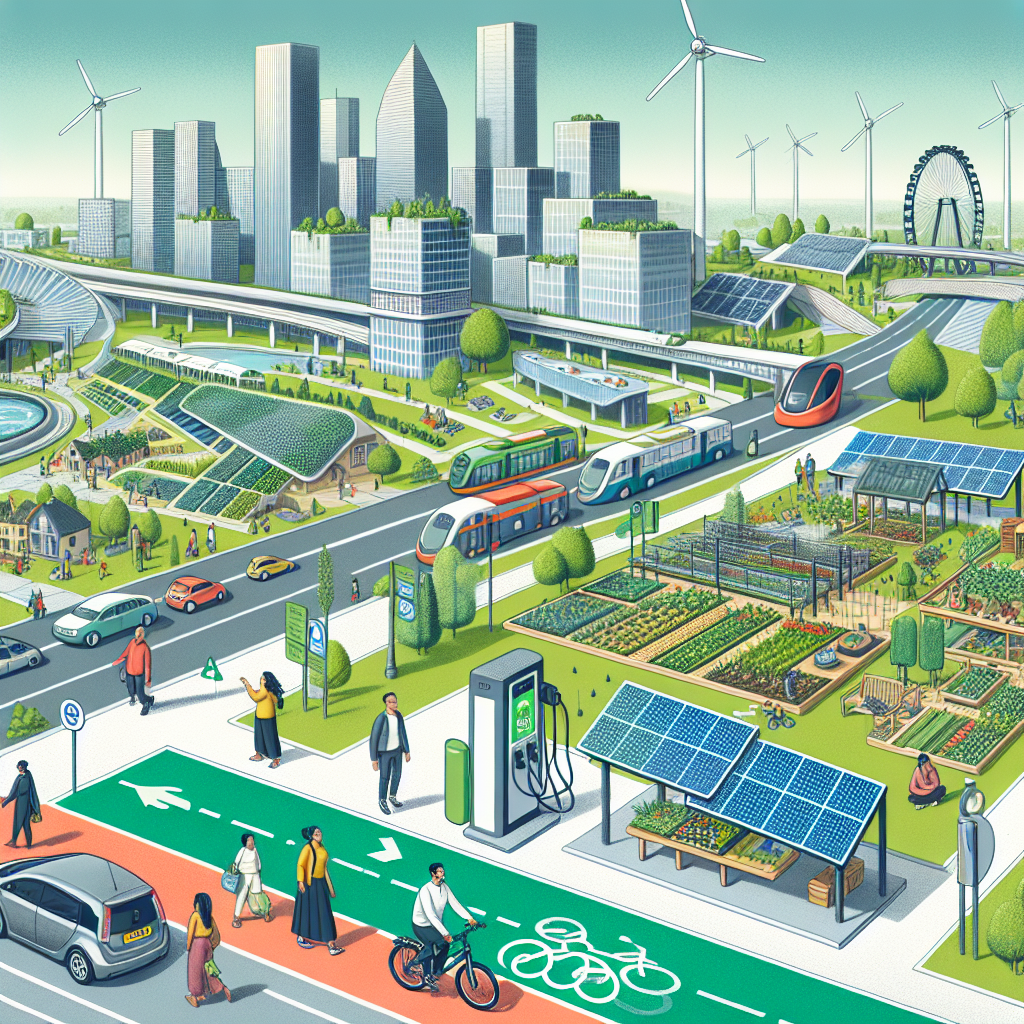
Another promising direction is the use of green infrastructure, which integrates natural systems into urban areas to manage stormwater, reduce heat islands, and enhance biodiversity. Green roofs, urban forests, and permeable pavements are examples of green infrastructure that provide ecological and social benefits while improving urban resilience to climate change impacts.
The concept of circular economy is also gaining traction in urban planning. Circular economy approaches strive to minimize waste and make the most of resources by promoting recycling, reusing, and repurposing materials. Implementing circular economy principles in cities can significantly reduce environmental impacts and create sustainable economic opportunities.
Public participation and community-led initiatives are critical drivers of sustainable urban development. Engaging residents in the planning and implementation of sustainability projects ensures that solutions are locally relevant and widely supported. Participatory planning processes, community gardens, and local renewable energy cooperatives are examples of how communities can take an active role in shaping sustainable urban futures.
Conclusion
Sustainable urban development represents a profound shift in how we design, build, and manage cities. It seeks to create urban environments that are inclusive, resilient, and environmentally responsible. The Green New Deal amplifies this vision by integrating climate action with social and economic equity, offering a roadmap for achieving sustainable urban futures.
While challenges remain, the successes and innovations in cities worldwide illustrate that sustainable urban development is not only possible but also beneficial. By embracing the principles of sustainability, cities can enhance the quality of life for their residents, protect the environment, and foster economic prosperity.
Moving forward, the collaboration between policymakers, urban planners, communities, and the private sector is essential. By working together, we can overcome obstacles and seize opportunities to create cities that are not only sustainable but also vibrant and thriving. The Green New Deal provides a visionary framework to guide this collective effort, paving the way for a sustainable urban future.
Frequently Asked Questions
1. What is sustainable urban development and why is it important?
Sustainable urban development is an approach to city planning that strives to ensure the growth of urban areas in a way that is compatible with economic stability, social equity, and environmental health. It’s crucial because cities are the epicenters of economic activity, culture, and innovation, but they also bear a significant environmental footprint. As we continue to urbanize, balancing growth with sustainability becomes essential for improving quality of life, reducing ecological impact, and ensuring long-term viability. Sustainable urban development addresses issues like reducing greenhouse gas emissions, enhancing public transportation, improving public health outcomes, and creating more equitable spaces where all citizens have access to essential resources and opportunities.
2. How does the Green New Deal influence sustainable urban development?
The Green New Deal is a sweeping policy framework that calls for addressing climate change and economic inequality together. Within this context, it places a strong emphasis on transforming urban centers to be more sustainable and resilient. The Deal proposes massive investments in clean energy, public infrastructure, and housing, all of which are integral to sustainable urban development. The idea is to retrofit existing buildings to be energy efficient, construct new green infrastructure, expand eco-friendly public transportation options, and enhance urban planning to create greener, healthier spaces. By linking economic policies with climate objectives, the Green New Deal seeks not only to mitigate climate change but to fundamentally alter how urban environments function and are defined in the 21st century.
3. What challenges do cities face in implementing sustainable urban development strategies?
Numerous challenges impede the path to sustainable urban development. Financial limitations often stand out, as making the shift to sustainable practices and infrastructures demands significant upfront investments. Technological and infrastructural constraints can also be daunting, as existing systems may need extensive overhauls. Political and bureaucratic hurdles can delay or outright stall sustainable initiatives, owing to fragmented governance structures and conflicting interests. Furthermore, there is often resistance from local populations accustomed to the status quo, coupled with a lack of awareness or appreciation for long-term sustainability goals. Despite these challenges, the integration of innovative solutions, stakeholder partnerships, diligent policy-making, and community engagement is key to overcoming these barriers.
4. What role do technologies play in sustainable urban development?
Technologies play a crucial role in advancing sustainable urban development by providing tools and solutions that urban planners and policymakers can leverage. For instance, smart city technologies, like the Internet of Things (IoT), enable real-time data monitoring and efficient resource management, improving energy use in buildings, water distribution, and waste management processes. Renewable energy technologies, such as solar panels and wind turbines, are pivotal in reducing a city’s carbon footprint. Meanwhile, innovations in transportation, like electric vehicles and intelligent public transit systems, help reduce emissions and reliance on fossil fuels. Geographic Information Systems (GIS) are invaluable for urban planning, offering detailed spatial data that aids in designing efficient and sustainable urban spaces. Together, these technologies support cities in becoming more resilient, efficient, responsive, and sustainable.
5. How can community involvement enhance sustainable urban development?
Community involvement is vital for the success of sustainable urban development initiatives for various reasons. When community members are actively involved, it ensures that the development projects are more aligned with the actual needs and aspirations of local residents. Engaging the community can lead to more innovative and practical sustainability solutions, drawing on local knowledge and experience. Furthermore, participation fosters a sense of ownership and responsibility towards sustainability efforts, increasing community support and compliance. Public engagement also helps mitigate resistance to change, making transitions smoother. Additionally, community-based programs and grassroot movements often drive initiatives that improve social connectivity and inclusivity, building stronger, more resilient urban environments. Well-informed and empowered communities can hold policymakers accountable, advocating efficiently for public investments and regulatory measures that further enhance sustainability efforts in urban areas.