Sustainable urban development is increasingly becoming a focal point for policymakers, urban planners, and communities worldwide. As cities expand and the global population continues to grow, the need for sustainable practices in urban areas becomes ever more critical. This concern stems from issues like climate change, limited natural resources, and the adverse impacts of urban sprawl. Sustainable urban development aims to create cities that are not only environmentally friendly but also economically viable and socially inclusive. The roles that public policies play in steering this paradigm cannot be overstated. From regulations on land use and building codes to incentives for green technologies and investments in public transport, effective public policy is foundational for achieving sustainable urban environments. This article delves into the multifaceted role of public policy in sustainable urban development, highlighting key areas where it has the most significant impact.
Public Policy and Land Use
Land use policy is one of the cornerstones of sustainable urban development. Effective land use policies can promote the efficient use of land resources, preventing urban sprawl and fostering more compact, organized urban growth. Zoning laws and regulations dictate how land within a city can be used – for residential, commercial, industrial, or green spaces. By implementing smart zoning practices, policymakers can ensure that urban development meets the needs of current and future residents while maintaining environmental integrity. For instance, mixed-use developments, where residential, commercial, and green spaces are integrated, can reduce the need for long commutes and lower greenhouse gas emissions. Additionally, land use policies that protect green belts and promote urban agriculture can enhance city resilience against climate change and provide local food sources.
Building Codes and Sustainable Architecture
Building codes and standards are essential tools for promoting sustainable construction practices. Public policy can mandate the use of energy-efficient materials, renewable energy sources, and sustainable waste management practices in building projects. For instance, the inclusion of green building certification programs such as LEED (Leadership in Energy and Environmental Design) or BREEAM (Building Research Establishment Environment Assessment Method) can set benchmarks for sustainable construction practices. Such building codes ensure that new constructions are energy efficient, use water responsibly, and minimize environmental impact. Furthermore, adaptive reuse of existing structures is another policy-driven strategy that can reduce the environmental footprint of new buildings. By upgrading and repurposing older buildings, municipalities can preserve historical architecture while meeting modern sustainability standards.
Incentives for Renewable Energy
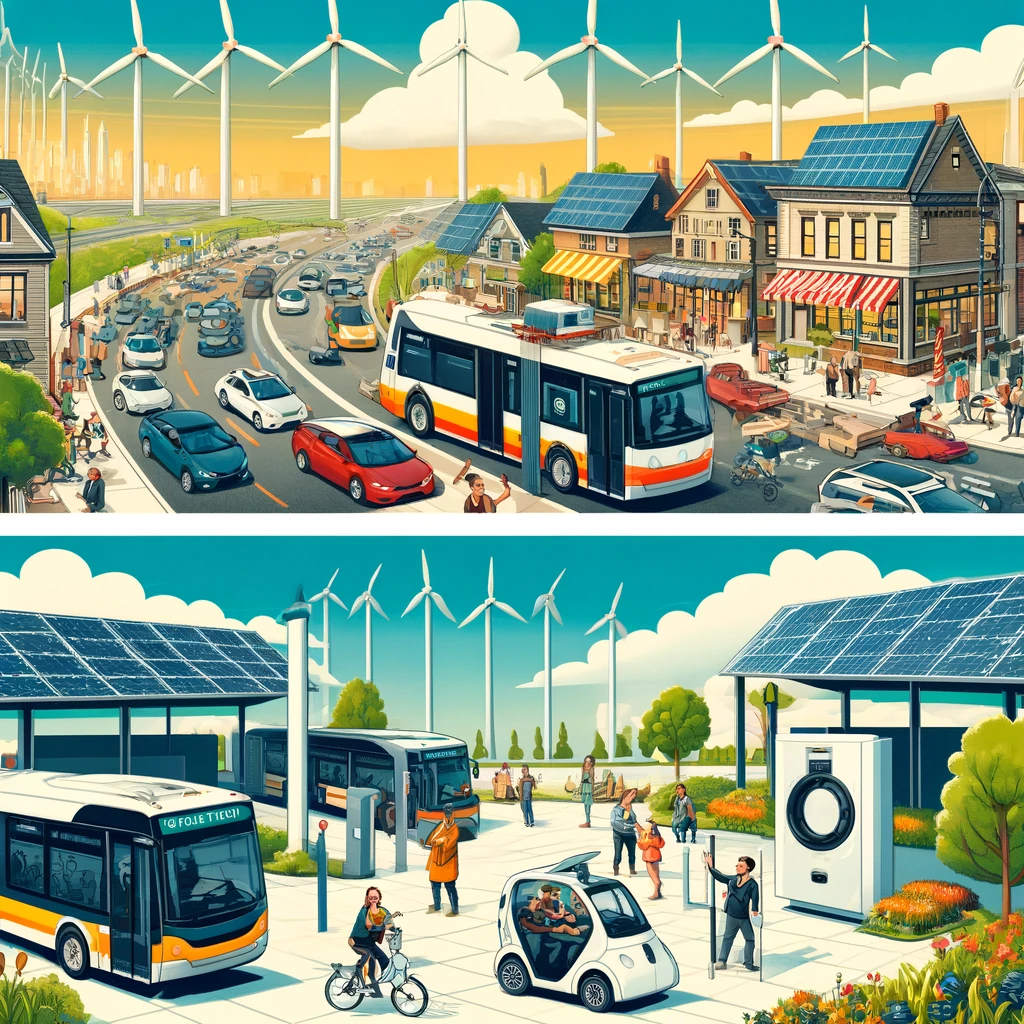
Public policies that incentivize the adoption of renewable energy sources play a critical role in sustainable urban development. Governments can provide tax breaks, subsidies, and grants to encourage individuals and businesses to invest in renewable energy technologies such as solar panels, wind turbines, and geothermal systems. These incentives can make renewable energy more accessible and affordable, reducing dependence on fossil fuels and decreasing greenhouse gas emissions. Moreover, public investments in large-scale renewable energy projects, such as solar farms or wind parks, can provide clean energy to urban populations and boost local economies by creating green jobs. Policy measures like feed-in tariffs and net metering can further support the growth of renewable energy by ensuring fair compensation for surplus energy fed back into the grid.
Public Transport and Sustainable Mobility
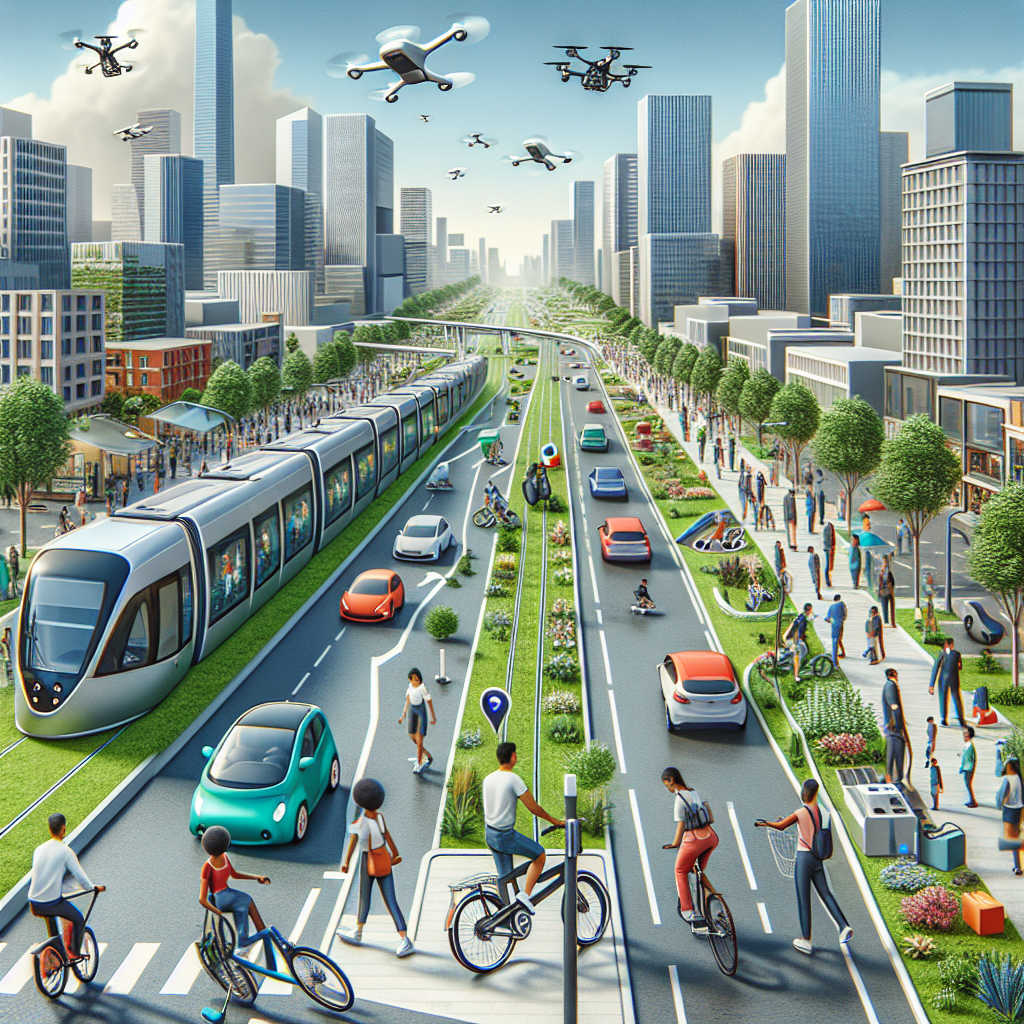
Effective public transportation systems are vital to sustainable urban development. Policies that prioritize public transport infrastructure, such as bus lanes, subway systems, and bike-sharing programs, can significantly reduce traffic congestion and lower carbon emissions. Investments in public transport make cities more accessible and reduce the reliance on private vehicles, which are a major source of urban pollution. Additionally, promoting alternative modes of transportation, such as walking and cycling, through the development of pedestrian-friendly infrastructure and bike lanes, can enhance urban livability and health. Policies that integrate various modes of transportation into a cohesive network facilitate smooth, efficient, and sustainable mobility within the city. Furthermore, adopting smart transportation technologies, such as real-time traffic management systems and electric buses, can improve the efficiency and sustainability of urban transportation networks.
Waste Management and Recycling
Sustainable urban development relies heavily on effective waste management and recycling policies. Public policies can establish frameworks for reducing, reusing, and recycling waste, thereby minimizing landfill use and environmental pollution. Municipalities can implement recycling programs, composting initiatives, and incentives for reducing single-use plastics and other non-recyclable materials. By setting stringent regulations on industrial waste management and promoting the circular economy, cities can turn waste into valuable resources. Policies that encourage the production and purchase of recyclable and biodegradable products can also stimulate market demand for sustainable goods. Additionally, public awareness campaigns and educational programs can play a crucial role in fostering a culture of sustainability among urban residents, making waste management a shared responsibility.
Green Spaces and Urban Biodiversity
The inclusion of green spaces and the preservation of urban biodiversity are integral to sustainable urban development. Public policies can mandate the creation and maintenance of parks, gardens, and natural reserves within urban areas, providing residents with recreational spaces and improving air quality. Urban green spaces serve as vital habitats for wildlife and contribute to the ecological balance of the city. Policies that promote urban forestry, tree planting, and the protection of natural waterways can enhance biodiversity and climate resilience. Furthermore, integrating green roofs and living walls into building designs can add greenery to densely populated areas, reduce urban heat island effects, and improve energy efficiency. Encouraging community participation in green initiatives, such as tree planting campaigns and urban gardening projects, can strengthen social ties and boost local engagement in sustainable practices.
Conclusion
In conclusion, public policy is instrumental in shaping sustainable urban development. Through comprehensive land use planning, rigorous building codes, incentives for renewable energy, investment in public transport, effective waste management, and the preservation of green spaces, policymakers can drive the transition towards more sustainable cities. These policies not only address environmental concerns but also enhance the economic and social well-being of urban residents. The collaborative efforts of governments, businesses, and communities are essential in achieving sustainable urban development goals. As the challenges of urbanization and climate change continue to evolve, adaptive and forward-thinking policies will be crucial in building resilient, sustainable, and livable urban environments for future generations.
Frequently Asked Questions
1. What is public policy’s role in sustainable urban development?
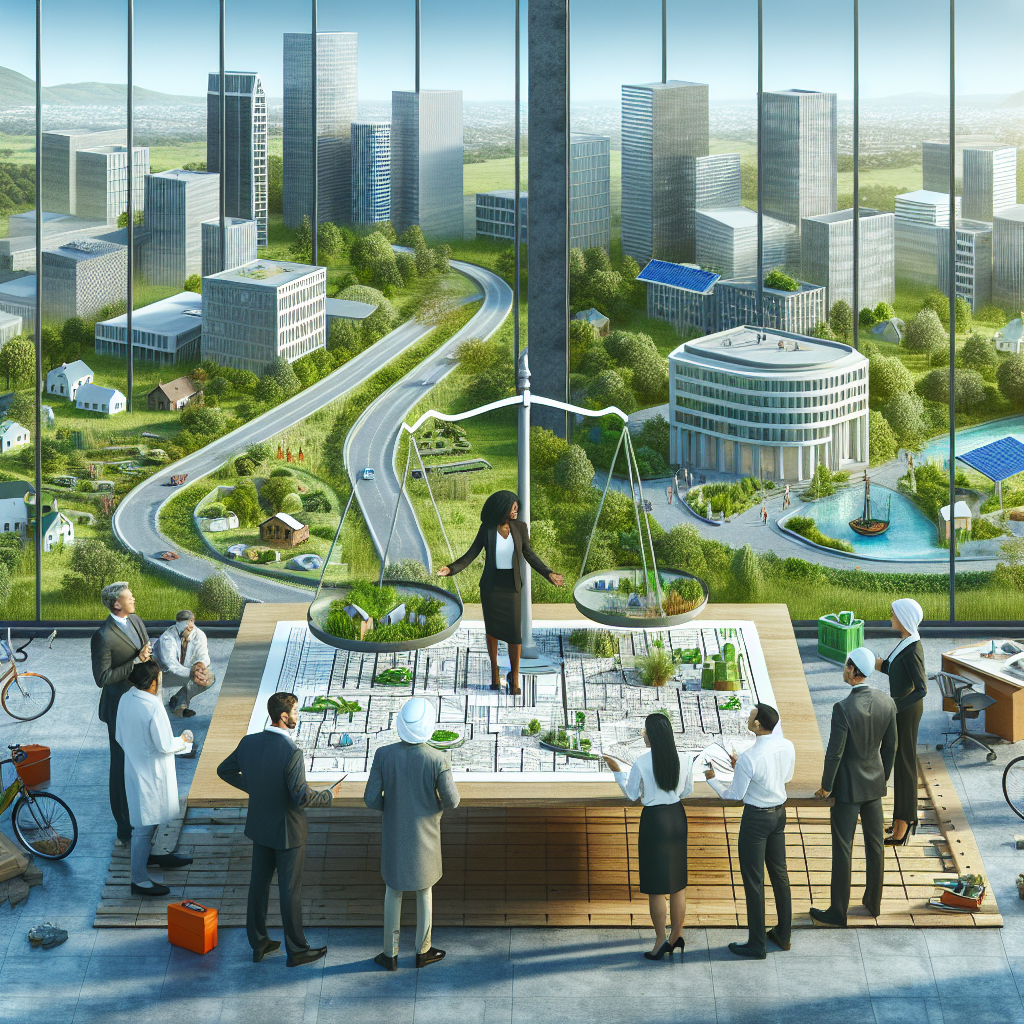
Public policy plays a crucial role in sustainable urban development by setting the framework and guidelines that govern how cities plan, grow, and operate. At its core, public policy in this context seeks to balance economic growth, environmental protection, and social equity. Policies are designed to address the unique challenges that urban areas face, such as overcrowding, pollution, and resource scarcity, and to create thriving, livable cities for current and future generations.
For instance, policies might focus on improving public transportation to reduce carbon emissions, implementing green building standards to enhance energy efficiency, and ensuring that housing developments include affordable options for diverse populations. Moreover, public policy encourages collaboration among government entities, private sectors, and local communities to ensure that sustainable urban initiatives are comprehensive and effective. By implementing laws and regulations, providing incentives, and supporting research and development, public policy acts as a catalyst for sustainable practices in urban settings.
2. Why is sustainable urban development important?
Sustainable urban development is important because it directly impacts the quality of life for billions of people residing in urban areas, which are projected to house around 70% of the global population by 2050. Such development is aimed at addressing several pressing challenges: minimizing environmental degradation caused by uncontrolled urban expansion, curbing the overconsumption of natural resources, and managing the effects of climate change.
From an environmental perspective, sustainable urban development helps reduce carbon footprints by promoting energy efficiency, increasing green spaces, and improving waste management systems. Economically, it can stimulate growth by attracting businesses and creating jobs in sectors like clean technology and green infrastructure. Socially, it works towards reducing disparities by providing communities with access to essential services, affordable housing, and safe, inclusive spaces. Overall, sustainable urban development is essential for creating resilient cities capable of withstanding future challenges while providing a healthy, equitable living environment for all.
3. How do urban planners incorporate sustainability into city design?
Urban planners integrate sustainability into city design by carefully considering how each element of a city—ranging from transportation systems to public services—can be optimized for environmental, economic, and social benefits. Key strategies include implementing mixed-use developments that reduce the need for long commutes, designing pedestrian-friendly zones to encourage walking and cycling, and preserving natural landscapes that enhance biodiversity.
Additionally, planners prioritize infrastructure projects that improve energy efficiency and reduce emissions, such as investing in public transit networks that offer clean alternatives to car travel. They also work to enhance water management systems to prevent shortages and improve air quality through the development of green roofs and urban forests. By engaging with communities and stakeholders, urban planners ensure that sustainable initiatives reflect the needs and aspirations of citizens, fostering a sense of ownership and responsibility towards maintaining these sustainable practices long-term.
4. What challenges do policymakers face when promoting sustainable urban development?
Policymakers encounter several challenges when promoting sustainable urban development. A significant hurdle is balancing the immediate economic needs of a growing population with long-term environmental sustainability goals. Integrating sustainable practices often requires upfront investments in green technologies and infrastructure, which may face opposition if perceived as costly without providing palpable short-term benefits.
Additionally, policy coherence is critical yet complex, as sustainable urban development involves interdependent sectors like transportation, housing, and energy, requiring collaboration across multiple government levels and agencies. Policymakers must also navigate political and societal dynamics, ensuring that policies are equitable and considerate of diverse communities, including marginalized groups who may be disproportionately affected by urban policies.
Public awareness and involvement present another challenge. Citizens must be informed about the importance of sustainable practices and motivated to adopt changes in their daily lives. Continuous education and transparent communication are essential to gain public support and foster widespread behavioral change that complements policy efforts.
5. How can communities contribute to sustainable urban development?
Communities play a vital role in sustainable urban development by engaging in practices that promote environmental stewardship and social inclusion. By participating in local governance and planning processes, residents can voice their priorities and collaborate on solutions tailored to their specific needs, enhancing the accountability and relevance of urban policies.
On an individual level, community members can contribute by adopting sustainable behaviors such as recycling, reducing energy and water consumption, and using public transportation or carpooling. Engaging in community gardening and supporting local markets can also help lower carbon footprints while promoting food security and fostering community bonds.
Additionally, organized community efforts can amplify their impact, such as advocating for green spaces, organizing clean-up drives, and educating others about the benefits of sustainability. By actively engaging with urban planners and policymakers, communities can help shape sustainable initiatives and ensure that urban development aligns with environmentally conscious and equitable principles.