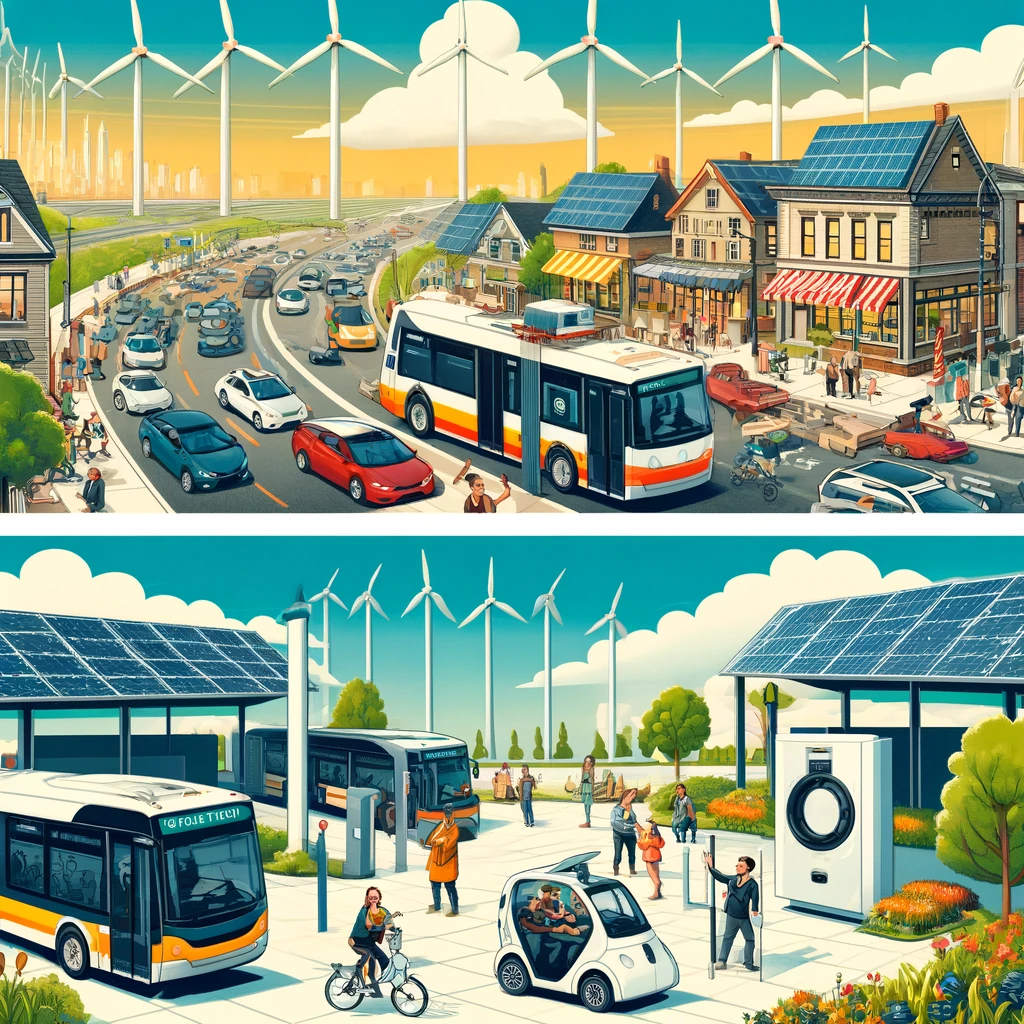
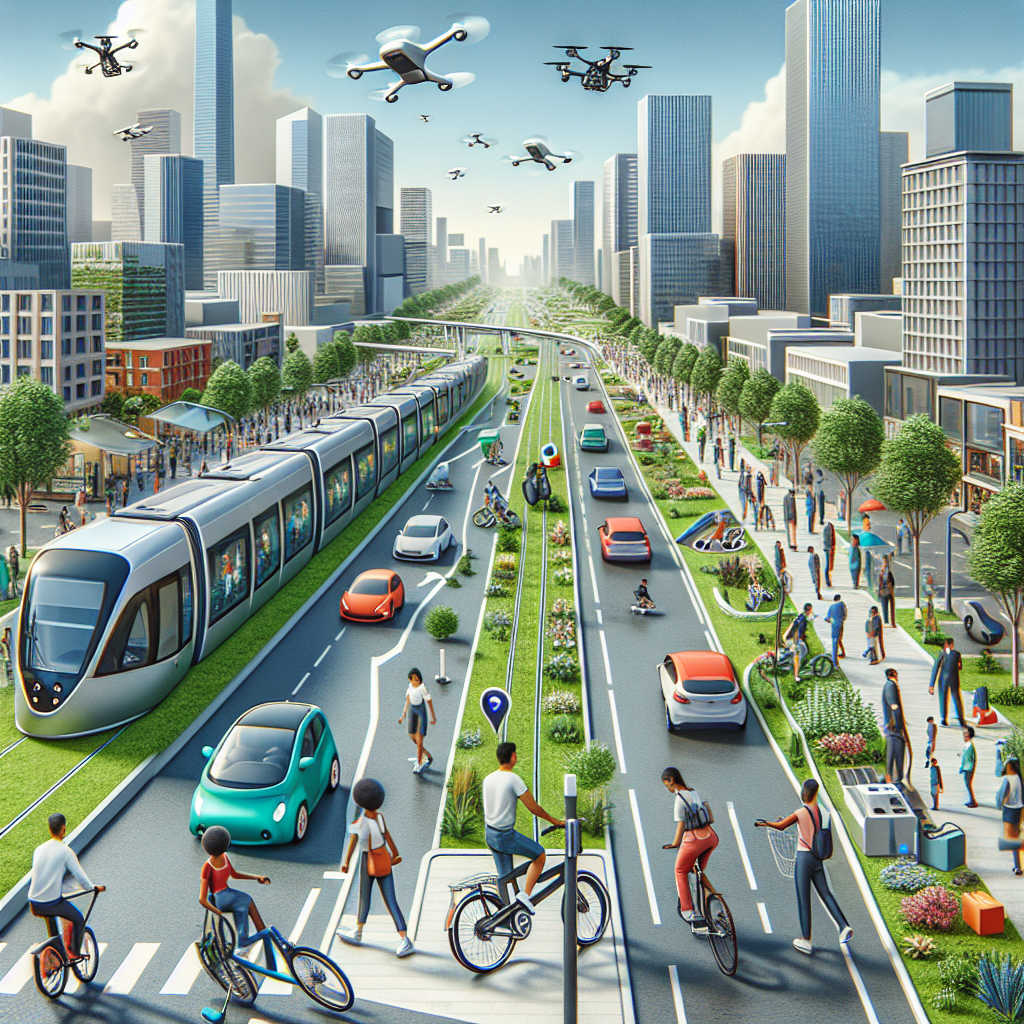
Sustainable urban development is becoming increasingly prominent in cities around the world. With the ever-growing urban population, cities are looking for ways to accommodate their residents without compromising the environment or quality of life. One of the key elements in achieving sustainability in urban development is the strategic design and implementation of transportation hubs.
Transportation hubs are central locations where various modes of transportation converge, such as buses, trains, subways, and bicycles. They are crucial in reducing the reliance on personal vehicles, decreasing traffic congestion, and minimizing carbon footprints. Integrating transportation hubs within urban settings leads to a more connected, efficient, and sustainable city.
This article delves into the importance of sustainable urban development, focusing on transportation hubs’ role. It explores the benefits, challenges, and best practices for creating these hubs. By advocating for a transit-oriented approach, cities can move closer to sustainability goals, ensuring a better future for their residents and the environment.
The Importance of Sustainable Urban Development
Sustainable urban development aims to create thriving urban environments where economic growth, environmental protection, and social equity co-exist harmoniously. As urbanization accelerates, the need for sustainable planning becomes ever more critical. Sustainable urban development addresses various issues including housing, infrastructure, transportation, and public spaces, ensuring a balanced and inclusive urban life.
One of the core principles of this approach is minimizing environmental impact. Cities consume large amounts of energy and resources, contributing significantly to greenhouse gas emissions. By implementing sustainable practices, cities can reduce their ecological footprint, conserve natural resources, and mitigate climate change.
Moreover, sustainable urban development promotes economic resilience. It supports job creation, stimulates local economies, and improves overall productivity. It also focuses on social aspects, striving to provide accessible, affordable, and high-quality living conditions for all residents, regardless of their socioeconomic status.
In essence, sustainable urban development ensures cities are not only livable in the present but also thriving for future generations. Integrating transportation hubs into urban planning is a critical step toward achieving these goals.
The Role of Transportation Hubs in Urban Development
Transportation hubs serve as the backbone of urban mobility. They bring together multiple transport modes, making it easier for people to switch from one form of transport to another. This connectivity is vital for reducing dependency on private cars, which are the major culprits in urban air pollution and congestion.
Strategically placed transportation hubs can revitalize neighborhoods. They attract businesses, stimulate economic activities, and enhance property values. Hubs can become focal points for mixed-use developments, including retail, office spaces, and residential areas, creating dynamic and vibrant urban centers.
Furthermore, transportation hubs promote inclusivity. They provide accessible transport options for all city residents, including those with disabilities and those from underserved communities. This contributes to a more equitable society where everyone can participate in and benefit from urban life.
Lastly, these hubs help reduce environmental impacts. By encouraging the use of public transportation, walking, and cycling, transportation hubs lower vehicle mileage, resulting in decreased emissions and improved air quality. This is critical for making cities greener and healthier places to live.
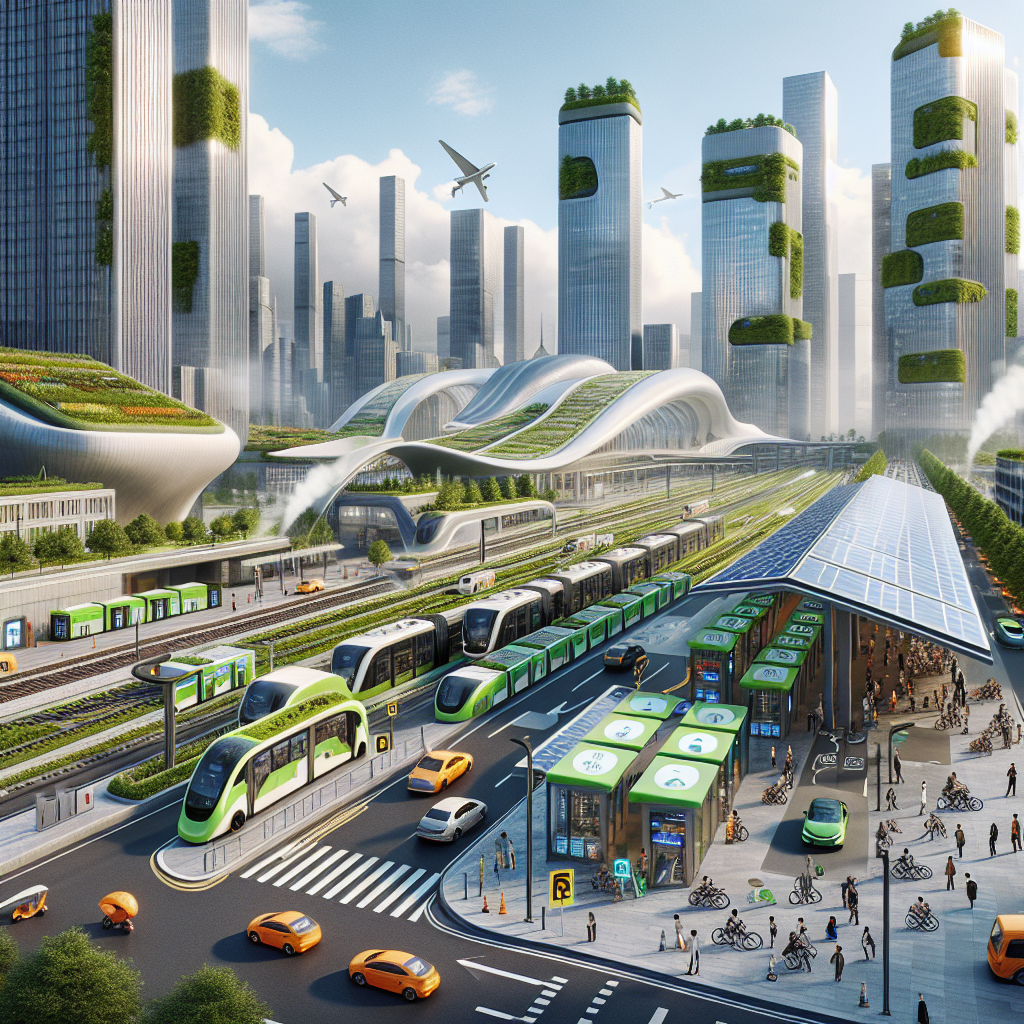
Designing Effective Transportation Hubs
Designing effective transportation hubs involves careful planning and consideration of various factors. A successful hub should be accessible, safe, and well-integrated into the urban fabric. Here are some key aspects to consider:
Location: Choosing a strategic location is crucial. Transportation hubs should be situated in areas with high population density, near employment centers, or at intersections of major transit routes. This maximizes accessibility and encourages more people to use the hub.
Interconnectivity: Effective hubs seamlessly connect different transportation modes. Infrastructure should be designed to ensure smooth and efficient transfers between buses, trains, subways, and bicycles. This reduces travel time and enhances user experience.
Accessibility: Hubs should cater to all users, including those with disabilities. This means incorporating features like ramps, elevators, tactile paving, and clear signage, ensuring that everyone can navigate the space easily and safely.
Amenities: Providing various amenities can make transportation hubs more appealing. These might include Wi-Fi, seating areas, retail outlets, and food options. Such features enhance the user experience and can increase the use of public transport.
Challenges in Implementing Transportation Hubs
Despite the numerous benefits, implementing transportation hubs comes with its set of challenges. Addressing these issues is essential for developing successful and sustainable transportation networks.
One major challenge is funding. Developing transportation hubs requires significant financial investment. Securing adequate funding from government sources, private investors, and public-private partnerships can be complex and time-consuming.
Another challenge is space. In densely populated urban areas, finding adequate space for constructing transportation hubs is a significant issue. Innovative solutions, such as building underground or multi-level hubs, can help address this problem.
Coordination and collaboration between different agencies and stakeholders are also crucial. Transportation projects typically involve various government departments, private companies, and community groups. Ensuring all parties work together effectively can be challenging but is vital for smooth implementation.
Finally, public acceptance can be a hurdle. Residents might resist changes to their neighborhoods or be skeptical about the benefits of new transportation infrastructure. Effective communication and engagement with the community can help build support and ensure successful implementation.
Case Studies of Successful Transportation Hubs
Examining successful examples of transportation hubs can provide valuable insights into what works and why. Here are a few notable case studies:
Tokyo, Japan: Tokyo’s Shibuya Station is a prime example of an integrated transportation hub. It connects multiple train lines, bus services, and even features extensive pedestrian walkways and bicycle parking. The station is surrounded by commercial areas, making it a bustling urban center.
Paris, France: Paris’s Gare du Nord is one of the busiest railway stations in Europe. It integrates national, regional, and international train services with metro and bus lines. Nearby, the station is surrounded by shops, restaurants, and offices, making it a multifunctional space.
New York City, USA: Penn Station, located in the heart of Manhattan, is a crucial transportation hub connecting Amtrak, Long Island Rail Road, New Jersey Transit, and New York City Subway. Recent renovations have focused on improving passenger experience, accessibility, and connectivity within the city.
These case studies highlight the importance of integrating multiple transport modes, ensuring accessibility, and developing surrounding areas to create vibrant urban centers. They serve as models for cities looking to enhance their transportation infrastructure sustainably.
Best Practices for Developing Transportation Hubs
Drawing from successful case studies and industry experience, several best practices can guide the development of transportation hubs.
Community Engagement: Engaging with the community from the outset ensures that the development meets residents’ needs and addresses their concerns. Public consultations, surveys, and forums can be valuable tools for gathering input and building support.
Environmental Considerations: Sustainability should be at the heart of transportation hub design. Utilizing green building materials, incorporating renewable energy sources, and creating green spaces can reduce the environmental impact and improve the overall quality of the hub.
Technology Integration: Leveraging technology can enhance the functionality and user experience of transportation hubs. This includes real-time information systems, mobile apps for navigation and ticketing, and smart infrastructure for better management and maintenance.
Holistic Planning: Transportation hubs should be planned as part of a broader urban development strategy. This ensures they are seamlessly integrated into the city’s fabric, promoting balanced growth and connectivity.
By following these practices, cities can develop effective and sustainable transportation hubs that enhance urban mobility and contribute to overall sustainable development goals.
Conclusion
Sustainable urban development is crucial for creating cities that are resilient, inclusive, and environmentally friendly. Transportation hubs play a pivotal role in this process, offering a solution to urban mobility challenges and contributing to sustainability goals.
From reducing traffic congestion and lowering emissions to promoting economic activity and social equity, the benefits of well-designed transportation hubs are multifaceted. However, developing these hubs requires careful planning, substantial investment, and strong community engagement.
By learning from successful case studies and adhering to best practices, cities can create transportation hubs that not only enhance urban mobility but also foster sustainable urban development. As we move towards a more urbanized world, embracing such initiatives will be key to ensuring our cities remain vibrant and sustainable for future generations.
Ultimately, sustainable urban development, with transportation hubs at its core, represents a path to a greener, more connected, and more equitable future. By prioritizing this approach, cities can achieve lasting prosperity and well-being for all their residents.
Frequently Asked Questions
1. What is sustainable urban development, and how does it relate to transportation hubs?
Sustainable urban development focuses on creating cities that meet the needs of their current inhabitants without compromising the ability of future generations to meet their own needs. It encompasses a broad range of practices aimed at reducing resource consumption, limiting environmental impact, and improving the quality of life for residents. In this context, transportation hubs play a significant role, acting as central nodes where different modes of transport, such as buses, trains, and bicycles, converge. By facilitating the efficient movement of people through integrated transport systems, these hubs minimize dependence on personal vehicles, thus reducing congestion, lowering emissions, and promoting a healthier urban environment. Furthermore, well-designed transportation hubs support equitable access to amenities and jobs, bridging gaps between various urban areas and knitting the community together.
2. Why are transportation hubs crucial in promoting sustainable urban development?
Transportation hubs are pivotal in sustainable urban development as they embody the principle of efficient and integrated mobility. By strategically situating these hubs within urban areas, cities can centralize transportation services, making them more accessible and user-friendly. This centralization encourages the use of public transit over private cars, decreasing traffic congestion and reducing greenhouse gas emissions. Transportation hubs also stimulate economic development as they often become focal points for urban renewal and growth, attracting businesses and residential developments. By promoting walking, cycling, and the use of eco-friendly public transport, hubs contribute to a decrease in the environmental footprint of urban commuting and support healthier lifestyles among residents.
3. How can cities ensure their transportation hubs are designed for sustainability?
For cities to design sustainable transportation hubs, numerous factors need consideration, starting with location. Optimal placement ensures hubs are accessible to large populations yet minimally invasive to existing natural landscapes. Inclusivity and accessibility should be prioritized, making sure the hubs cater to the diverse needs of different populations, including persons with disabilities and those in economically disadvantaged areas. Incorporating green architecture and ecological materials in the construction of these hubs can significantly reduce their carbon footprint. The use of renewable energy sources, such as solar or wind, can power transportation hubs sustainably. Lastly, incorporating features such as cycle paths, pedestrian walkways, and ample green spaces can encourage non-motorized forms of transportation, further embedding sustainability into urban mobility networks.
4. What are some examples of successful transportation hubs that have contributed to sustainable urban development?
Several global examples illustrate how well-designed transportation hubs can drive sustainable urban growth. For instance, Copenhagen Central Station in Denmark integrates extensive cycle paths and pedestrian zones with public transportation, making commuting effortless and eco-friendly. Hong Kong’s Central District is another successful model, with its seamless integration of bus stops, an underground metro, and escalators that enable pedestrian flow between transport modes and various parts of the city. The King’s Cross area in London has been revamped to include green spaces and mixed-use development alongside its transportation hub, significantly enhancing urban sustainability. These examples showcase the transformative impact a thoughtfully designed transportation hub can have on a city’s environmental and social landscape.
5. Can sustainable transportation hubs be economically viable for urban areas?
Absolutely, sustainable transportation hubs can be economically viable and, in fact, offer long-term economic benefits for urban areas. Initially, the investment required for developing such hubs might appear substantial, but the economic advantages often outweigh these costs. Efficient transportation networks reduce travel time and commuting costs, boosting productivity and enabling greater economic participation. Furthermore, these hubs foster economic growth by attracting businesses and tourism due to improved accessibility. They are also linked to increased property values in surrounding areas, reflecting higher demand for well-connected urban living spaces. In the long term, minimizing vehicle emissions can result in health cost savings by reducing air-pollution-related health issues. Additionally, employment opportunities arise, both during construction and from the need to operate and maintain these hubs.