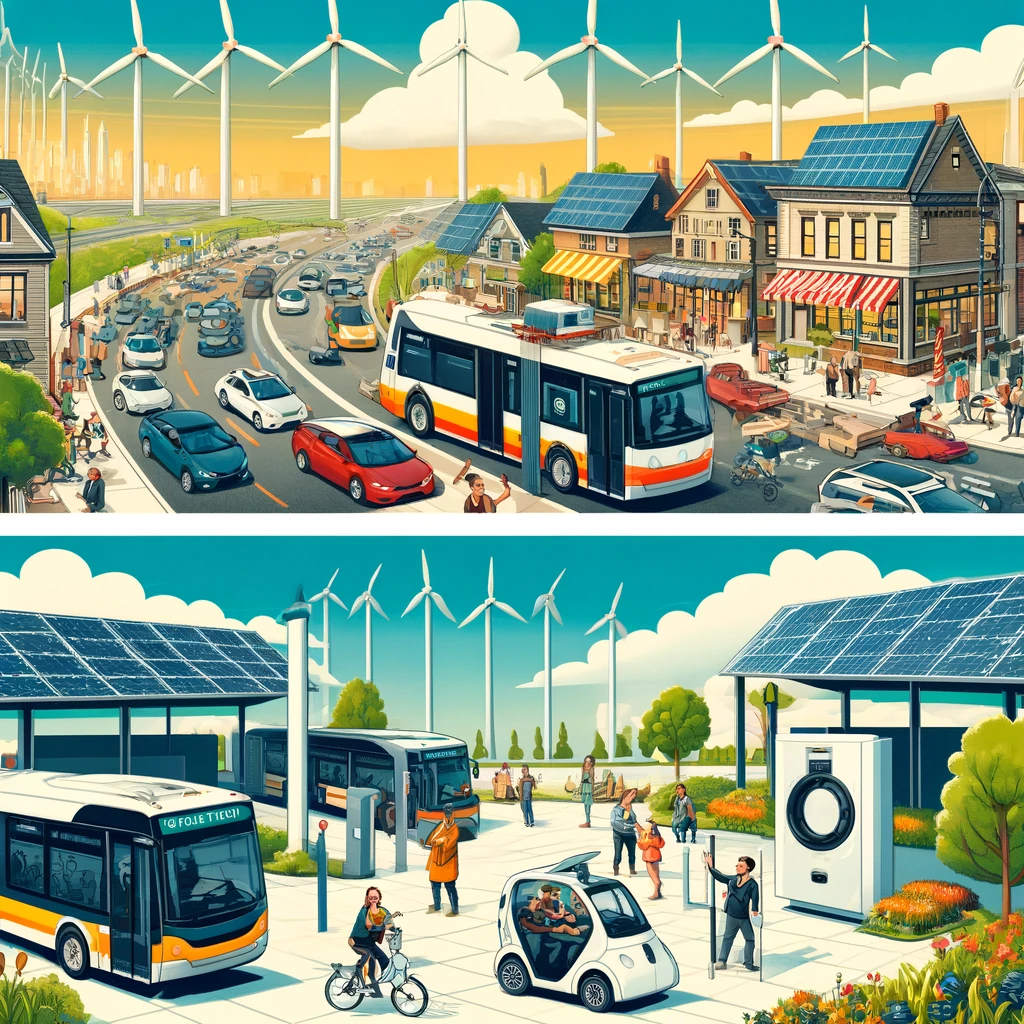
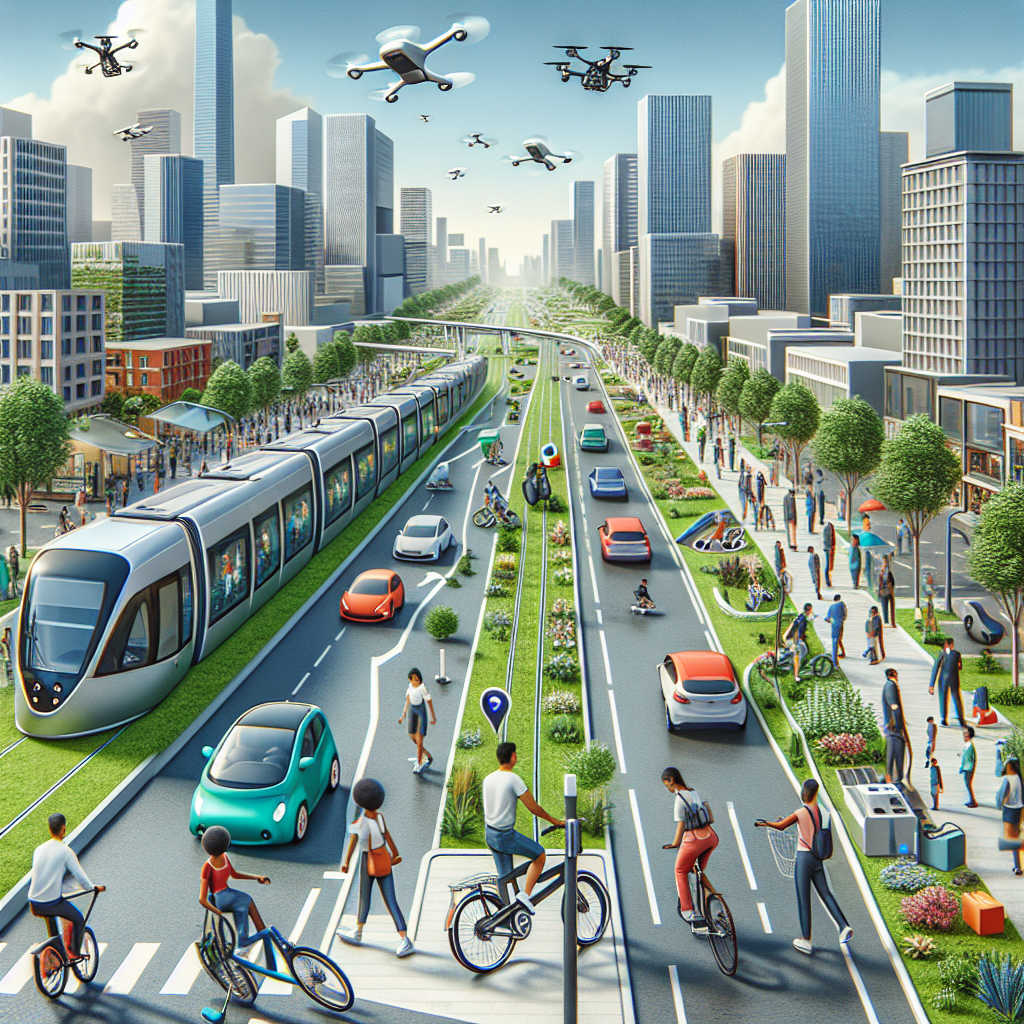
Urban areas worldwide face various challenges, including economic decline, social fragmentation, and environmental degradation. These challenges often manifest in declining neighborhoods, dilapidated infrastructure, and decaying public spaces. Urban regeneration offers a holistic and sustainable approach to tackling these issues, aiming to revitalize these areas while preserving their cultural and historical essence. Sustainable urban development emphasizes the integration of economic, social, and environmental dimensions to enhance the quality of life for residents. In this article, we will explore the concept of urban regeneration, its benefits, and how it is applied to renew declining areas sustainably.
The concept of urban regeneration has evolved over the decades, transitioning from a focus on physical redevelopment to a more inclusive approach that considers social, economic, and environmental factors. The decline of urban areas can be attributed to various factors, including industrialization, suburbanization, and economic downturns. As industries move out of city centers, jobs disappear, leading to economic decline and abandoning infrastructure. These factors contribute to urban blight, where areas become unsafe and unappealing for residents. Addressing these issues through sustainable urban development is essential to create vibrant, resilient, and inclusive communities.
Understanding Urban Regeneration:
Urban regeneration is a multifaceted process that aims to reverse the decline of urban areas through comprehensive and sustainable measures. It involves the physical, social, and economic revitalization of neighborhoods to enhance the quality of life for residents. Unlike traditional urban renewal, which often focused solely on physical redevelopment, urban regeneration adopts a holistic approach that integrates various aspects of community development.
One critical component of urban regeneration is fostering community involvement and participation. Engaging residents in the planning and decision-making process ensures that the regeneration efforts meet the community’s needs and aspirations. By involving local stakeholders, urban regeneration initiatives can better address the unique challenges and opportunities within each neighborhood.
Another key aspect of urban regeneration is the focus on sustainability. Sustainable urban development aims to minimize the environmental impact of regeneration projects while promoting economic and social benefits. This approach includes incorporating green infrastructure, promoting energy efficiency, and encouraging sustainable transportation options. By prioritizing sustainability, urban regeneration can create more livable and resilient communities capable of adapting to future challenges.
Economic Revitalization:
Economic revitalization is a cornerstone of urban regeneration, as it addresses the root causes of decline by creating job opportunities, attracting investment, and fostering entrepreneurship. One effective strategy for economic revitalization is to encourage the development of mixed-use spaces, which combine residential, commercial, and recreational areas. Mixed-use spaces can create vibrant, dynamic neighborhoods that attract businesses and residents, reducing economic disparities and promoting social cohesion.
Small businesses play a vital role in the economic revitalization of declining areas. Supporting local entrepreneurs through grants, loans, and other incentives can stimulate economic growth and create job opportunities. Additionally, investing in education and job training programs can equip residents with the skills needed to thrive in the evolving job market.
Another crucial aspect of economic revitalization is enhancing infrastructure. Investing in modernizing transportation systems, utilities, and public spaces can attract new businesses and residents to the area. Improved infrastructure not only boosts economic activity but also enhances the overall quality of life for residents.
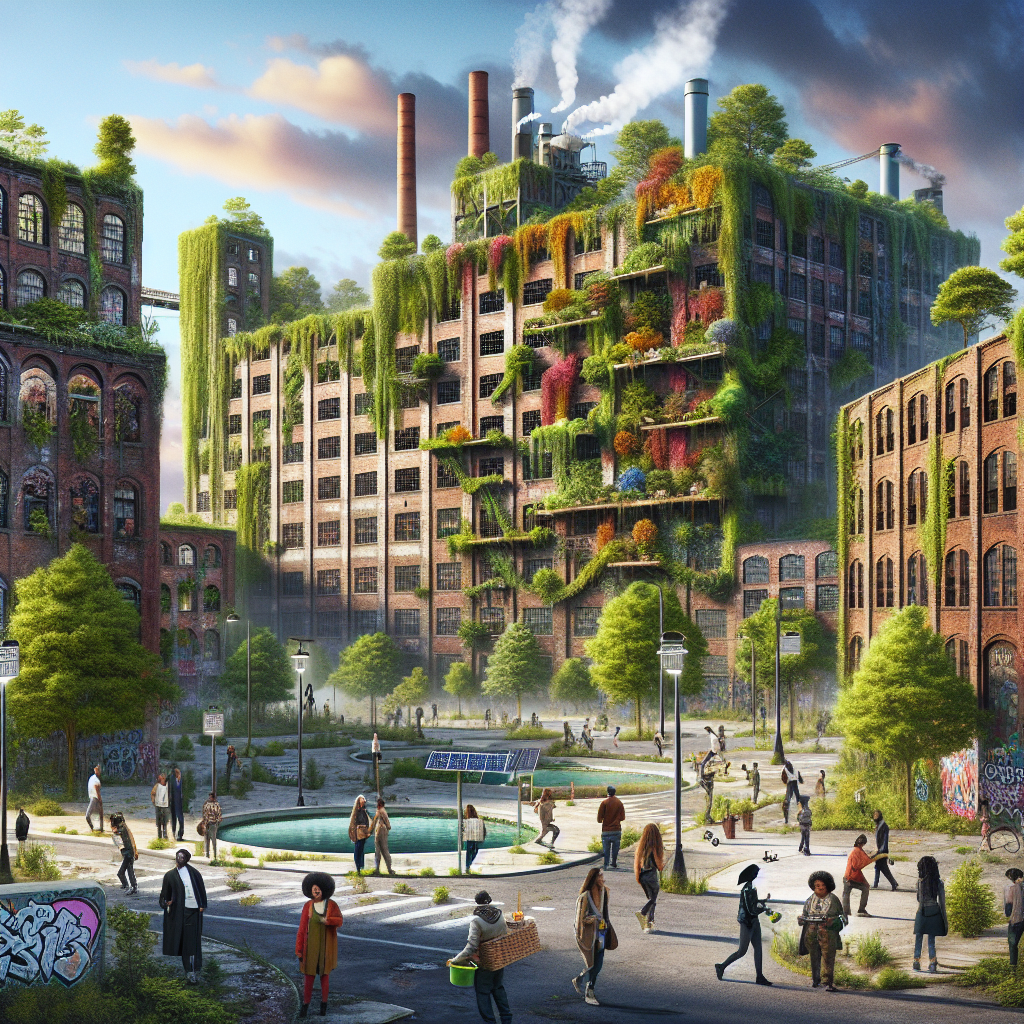
Social Integration and Community Building:
Social integration and community building are essential components of sustainable urban regeneration. A cohesive community fosters a sense of belonging and mutual support among residents, which is vital for the long-term success of regeneration efforts. Social integration involves promoting diversity, inclusion, and equal access to opportunities and resources for all residents.
Community building initiatives can involve the creation of public spaces that encourage social interaction and engagement. Parks, community centers, and cultural facilities provide venues for residents to come together, fostering relationships and strengthening social ties. Additionally, affordable housing initiatives are crucial in supporting social integration by ensuring that people from diverse socioeconomic backgrounds can live in regenerated areas.
Creating inclusive neighborhoods also requires addressing social issues such as crime, health disparities, and education gaps. Comprehensive urban regeneration plans should include measures to improve public safety, healthcare access, and educational opportunities for all residents. By addressing these social determinants of well-being, urban regeneration can create healthier, safer, and more inclusive communities.
Environmental Sustainability:
Environmental sustainability is a fundamental principle of sustainable urban regeneration. Revitalizing declining areas provides an opportunity to incorporate green infrastructure, reduce carbon emissions, and promote environmentally friendly practices. The integration of green spaces, such as parks, community gardens, and green roofs, can enhance urban biodiversity, mitigate the urban heat island effect, and improve air quality.
Promoting energy efficiency is another critical aspect of environmentally sustainable urban regeneration. Retrofitting existing buildings with energy-efficient technologies, such as solar panels and insulation, can significantly reduce energy consumption and greenhouse gas emissions. New developments should also prioritize sustainable design principles, such as using renewable energy sources and incorporating passive solar heating and cooling techniques.
Sustainable transportation options, such as public transit, cycling, and walking, play a crucial role in reducing the environmental impact of urban areas. Investing in public transit infrastructure and creating pedestrian-friendly streets can reduce reliance on private vehicles, lowering carbon emissions and traffic congestion. Encouraging active transportation also promotes healthier lifestyles and enhances overall urban livability.
Case Studies of Successful Urban Regeneration:
Several cities worldwide have successfully implemented sustainable urban regeneration initiatives that serve as models for other communities. One notable example is the High Line in New York City. The High Line is a linear park built on a disused elevated railway track. It has transformed a neglected area into a vibrant public space that attracts millions of visitors annually. The project has spurred economic growth, revitalized surrounding neighborhoods, and promoted environmental sustainability.
The transformation of Copenhagen’s Nordhavn district is another exemplary case of sustainable urban regeneration. Nordhavn, once an industrial port area, has been redeveloped into a mixed-use neighborhood with a strong emphasis on sustainability. The development includes energy-efficient buildings, extensive green spaces, and a focus on sustainable transportation options. Nordhavn’s regeneration has bolstered economic activity, improved residents’ quality of life, and demonstrated the potential for sustainable urban development.
In Melbourne, Australia, the Docklands precinct is a successful example of waterfront regeneration. The area was historically a dockland and industrial zone that experienced significant decline. Through a comprehensive regeneration plan, Docklands has been transformed into a thriving urban district featuring residential, commercial, and recreational spaces. The regeneration has incorporated sustainable design principles, such as energy-efficient buildings and public parks, contributing to the area’s revitalization and livability.
Challenges and Considerations:
While urban regeneration offers significant benefits, it is not without challenges. One primary concern is the risk of gentrification, where the influx of investment and development leads to rising property values and living costs, displacing existing residents. Ensuring that regeneration efforts benefit all community members, including vulnerable populations, is essential to create equitable and inclusive outcomes.
Balancing economic development with social and environmental sustainability is another challenge. Overemphasis on economic growth can lead to neglecting community needs and environmental considerations. Therefore, urban regeneration plans must adopt a holistic approach that integrates economic, social, and environmental dimensions.
Effective urban regeneration requires strong governance and collaboration among various stakeholders, including government agencies, private sector entities, community organizations, and residents. Coordinating efforts and aligning goals can be challenging, but it is crucial for the success of regeneration initiatives. Developing robust frameworks for stakeholder engagement and participation can enhance collaboration and ensure that regeneration plans effectively address community needs.
Conclusion:
Urban regeneration represents a sustainable approach to revitalizing declining areas and addressing the multifaceted challenges faced by urban communities. By integrating economic, social, and environmental dimensions, urban regeneration aims to create vibrant, inclusive, and resilient neighborhoods that enhance residents’ quality of life.
Understanding the principles and components of urban regeneration is essential for developing effective and sustainable solutions. Economic revitalization, social integration, and environmental sustainability are integral aspects of successful regeneration initiatives. Case studies of cities like New York, Copenhagen, and Melbourne demonstrate the transformative potential of sustainable urban regeneration.
While urban regeneration presents challenges, including gentrification and balancing competing priorities, adopting a holistic approach and fostering stakeholder collaboration can lead to equitable and inclusive outcomes. Sustainable urban development is essential for addressing the complex issues of urban decline and creating cities that are not only economically prosperous but also socially inclusive and environmentally sustainable.
As more cities worldwide recognize the importance of sustainable urban regeneration, sharing knowledge, best practices, and lessons learned will be crucial for replicating successes and fostering innovation. By working together and prioritizing sustainability, communities can effectively revitalize declining areas and create a better future for all residents.
Frequently Asked Questions
1. What is urban regeneration and why is it important?
Urban regeneration is the process of revitalizing declining urban areas to improve economic prospects, social vitality, and environmental quality. It addresses the myriad of challenges that urban areas face—such as economic decline, social fragmentation, and environmental degradation. This multidimensional approach seeks not only to renew and repurpose underused sites and deteriorating assets but also strives to create spaces that are vibrant, inclusive, and resilient. Urban regeneration is crucial because it lays the foundation for inclusive growth, enhances the quality of life for residents, and strengthens cities as economic engines while respecting their cultural and historical identities.
2. How does urban regeneration support sustainable development?
Sustainable urban regeneration aims to balance economic, environmental, and social dimensions, ensuring long-term viability for future generations. This involves adopting green building practices, promoting energy efficiency, and integrating renewable energy sources to minimize environmental footprints. Economically, regeneration projects open up employment opportunities, attract investments, and stimulate local economies. Socially, these initiatives focus on community engagement, ensuring the benefits of regeneration are accessible to all and maintain the cultural heritage of the area. Through such holistic approaches, sustainable urban regeneration transforms neglected spaces into thriving communities that are adaptable to future challenges like climate change.
3. What are the main challenges faced in urban regeneration projects?
Urban regeneration projects face several challenges, with obtaining adequate funding often being a primary obstacle. Public and private investments must be balanced, and these projects often require substantial financial commitments upfront. Additionally, navigating regulatory frameworks and building regulations can limit flexibility and delay progress. Socially, there is the risk of gentrification, which can push long-standing residents out due to rising costs. Furthermore, achieving consensus among various stakeholders, including government entities, developers, and local communities, can be difficult but necessary to ensure that regeneration projects meet diverse needs and avoid social discord.
4. How can local communities be involved in the urban regeneration process?
Community involvement is pivotal in the success of urban regeneration projects, as affected residents provide insights that can shape more relevant and effective solutions. Engagement can take multiple forms—like participatory planning processes, public consultations, workshops, and forums that encourage open dialogue. By actively involving communities, developers and policymakers can ensure projects reflect local priorities, foster a sense of ownership, and build trust. Moreover, ensuring transparent communication throughout the process further encourages stakeholder participation and collaboration, ultimately leading to outcomes that are more equitable and broadly supported.
5. Can you provide examples of successful urban regeneration projects?
One notable example is the High Line in New York City, a once-abandoned elevated railway track transformed into a vibrant public park, sparking economic revitalization and serving as a catalyst for further development in the surrounding area. Another example is the King’s Cross redevelopment in London, where a previously industrial wasteland is now a bustling district featuring commercial, residential, and cultural spaces while preserving heritage structures. Also, the HafenCity project in Hamburg demonstrates ambitious urban planning, where a former port area has been regenerated into a mixed-use district prioritizing sustainability, connectivity, and culture, highlighting how large-scale urban transformations can sustainably integrate with their contexts.