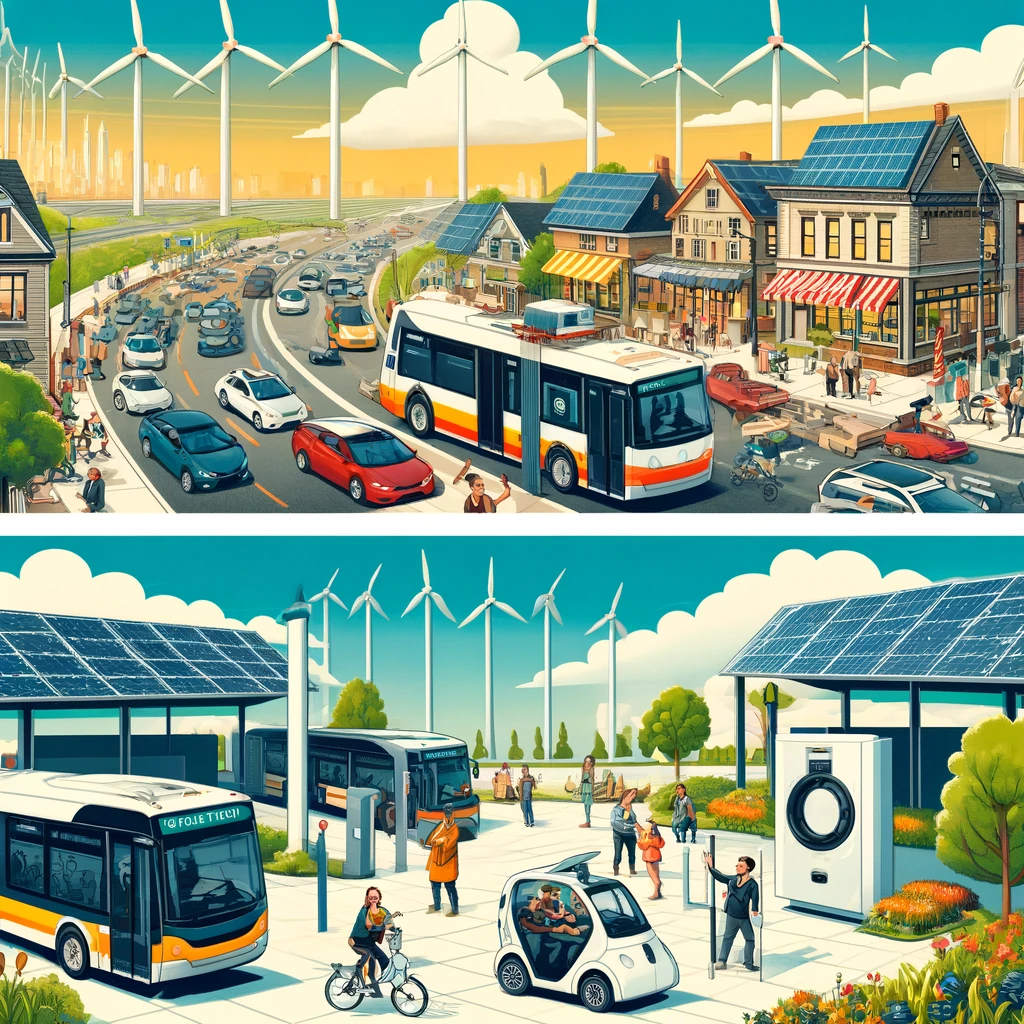
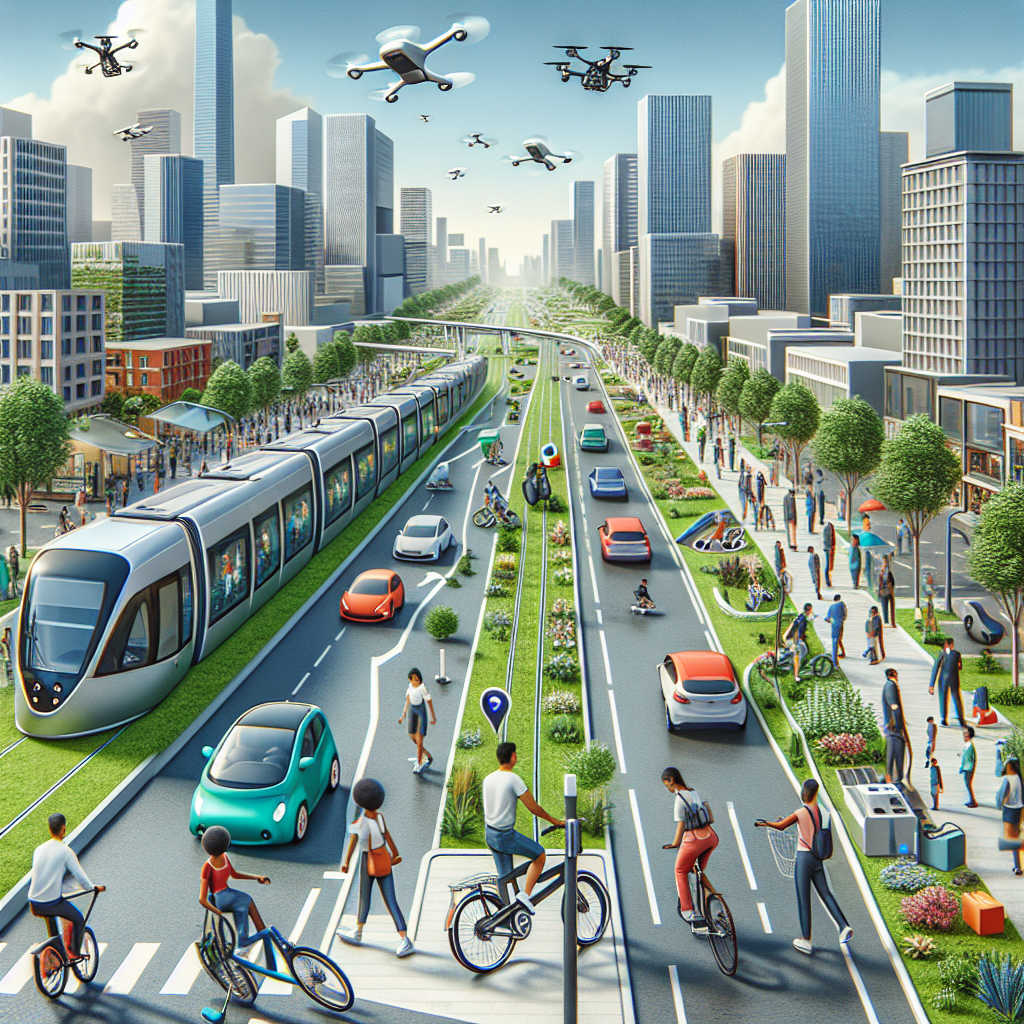
Urban development has evolved leaps and bounds over the last few decades. As cities grow rapidly, the call for sustainable urban development has become louder. Sustainability in urban planning focuses on minimizing the environmental impact, enhancing the quality of life for residents, and ensuring that resources are used efficiently. However, one of the crucial aspects influenced by sustainable urban development is housing affordability. For many, sustainable urban development might seem like a mere trend or a buzzword, but its impact is tangible, far-reaching, and multifaceted. The intertwined relationship between sustainable development and housing affordability is complex, with solutions that affect city planning, real estate markets, socio-economic dynamics, and more.
This article explores the depth of sustainable urban development, its guiding principles, and its significant effects on housing affordability. We’ll delve into how sustainability initiatives can both positively and negatively influence housing markets, offer practical examples from cities around the world, and discuss potential strategies for balancing sustainability with affordability. From eco-friendly building materials to green spaces, transportation networks, and energy-efficient housing solutions, sustainable urban development is reshaping the way we think about living spaces and community planning. The question of whether this new approach to urban development makes housing more accessible or pushes it further out of reach remains a contentious topic, and we’ll tackle it head-on.
As we embark on this exploration, it’s crucial to keep an open mind and consider the various dimensions and stakeholders involved in the urban planning process. Governments, developers, residents, and environmental activists all have their stakes, and each perspective adds a unique layer to the discussion. Understanding how these elements interact helps to build a more comprehensive view of the challenges and opportunities presented by sustainable urban development. Whether you’re a policy-maker, a city planner, a real estate professional, or simply a curious citizen, this dive into sustainable urban development and housing affordability offers valuable insights and real-world implications that could help shape future living environments.
The Principles of Sustainable Urban Development
At its core, sustainable urban development is founded on three main pillars: environmental protection, social equity, and economic viability. These pillars collectively ensure that urban development meets the needs of the present without compromising the ability of future generations to meet their own needs. The principle of environmental protection underscores the need to minimize pollution, reduce carbon footprints, and maintain biodiversity. This often translates into favoring green building practices, enhancing public transportation systems, and increasing renewable energy use.
Social equity is another critical facet of sustainability, emphasizing the need for inclusive growth that benefits all societal segments. This includes ensuring affordable housing, providing access to essential services and amenities, and fostering community engagement. Economic viability, the third pillar, ensures that the planned developments are financially sustainable in the long term, offering job opportunities and fostering economic growth without jeopardizing the environment or social cohesion.
Integrating these principles into urban planning requires meticulous strategy and commitment from all stakeholders involved. It involves rethinking traditional approaches to city design and development to create smarter, more resilient, and livable urban spaces. Planners and developers are increasingly adopting mixed-use development strategies, which combine residential, commercial, and recreational spaces in a single area. This approach reduces the need for long commutes, lowers transportation emissions, and creates vibrant, diverse communities.
Moreover, implementing green infrastructure and conserving natural landscapes are crucial strategies. This includes developing parks, urban forests, and green corridors that enhance air quality, manage stormwater, and provide recreational spaces for residents. Through these concerted efforts, sustainable urban development can fundamentally transform how cities grow and evolve, potentially leading to more affordable housing solutions in the process. Building sustainable urban areas requires not only foresight and planning but also collaboration between government entities, private developers, and the communities they serve.
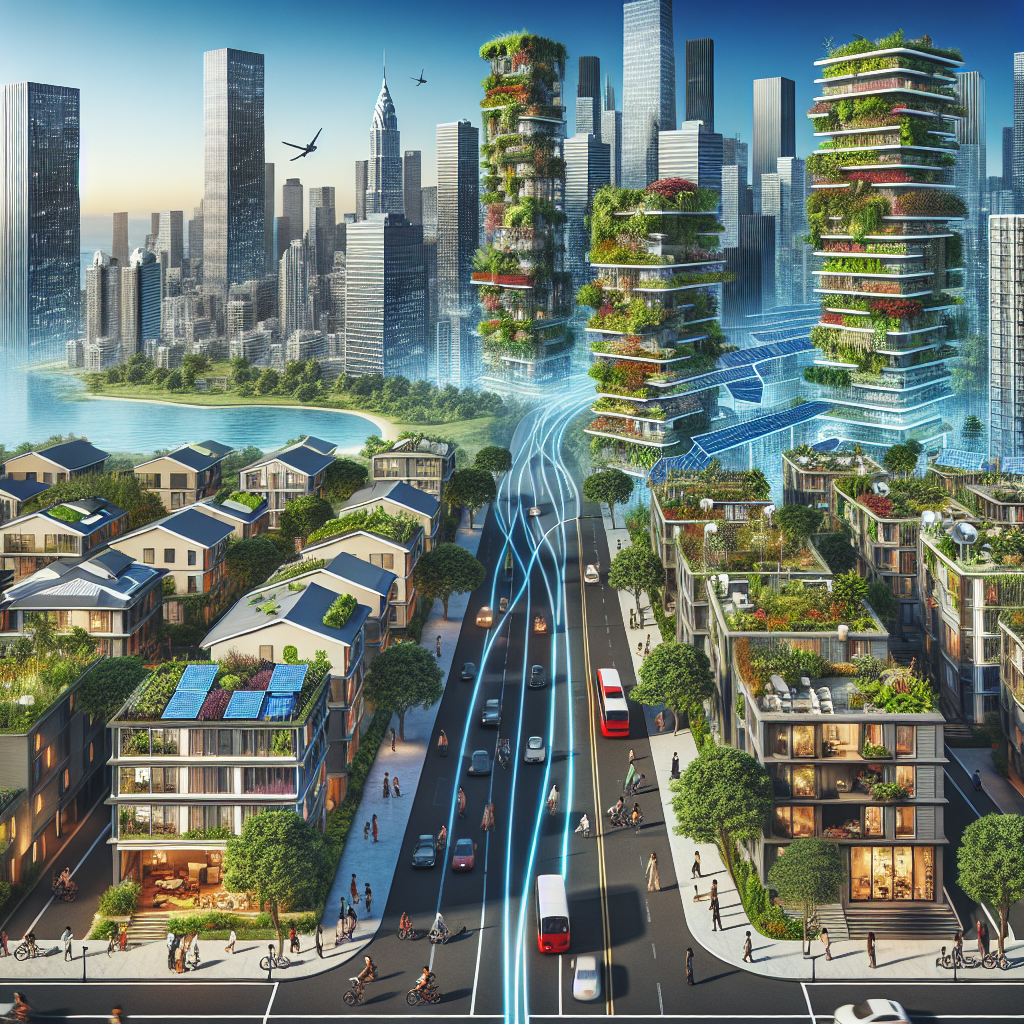
The Effects of Sustainable Urban Development on Housing
One of the most significant impacts of sustainable urban development is on housing. The drive towards sustainability influences housing supply, demand, and pricing in various ways. Firstly, green building practices, though beneficial in the long run, tend to increase initial construction costs. Energy-efficient materials, solar panels, water-saving fixtures, and other eco-friendly technologies typically come at a higher price than traditional building materials and methods. These costs can be transferred to homebuyers or renters, thereby impacting housing affordability.
However, while the upfront costs can be steep, sustainable homes often save residents money over time. Lower utility bills, reduced maintenance costs, and potential tax incentives can offset the initial investment in green buildings. Moreover, sustainable developments often have higher occupancy rates and property values as more people become willing to pay a premium for eco-friendly, energy-efficient homes. This can result in a dual-edged sword where sustainability can make housing initially less affordable, but also more cost-effective over time.
Another crucial factor is the development of mixed-use areas and increased public transportation options. Green urban planning encourages the development of communities where residents can live, work, and play without needing long commutes. This accessibility can potentially reduce living expenses. Moreover, well-designed public transport systems not only cut down on carbon emissions but also reduce the necessity for personal vehicle ownership, further balancing out the higher costs associated with green homes.
On the flip side, urban regeneration projects and sustainable neighborhood upgrades can lead to gentrification. As areas become more attractive due to their sustainability features and improved lifestyles, property values can rise, potentially displacing low-income residents. This can counteract the social equity aspect of sustainable development. Hence, ensuring that sustainable developments include affordable housing provisions is crucial for maintaining inclusivity. Governments can play a pivotal role here by introducing zoning laws, subsidies, and policies that support affordable housing within sustainable urban development frameworks.
Case Studies of Sustainable Urban Development
Examining real-world examples helps illuminate the tangible effects of sustainable urban development practices on housing affordability. Various cities around the globe have implemented innovative approaches to balance sustainability and affordability, with varying degrees of success.
Consider the case of Freiburg in Germany, often hailed as the greenest city in the world. Freiburg’s sustainable urban planning includes energy-efficient residential buildings, extensive public transportation networks, ample green spaces, and a strong emphasis on renewable energy. This commitment to sustainability has indeed made Freiburg a highly desirable place to live, consequently driving up property prices. Nonetheless, the city has managed to mitigate the affordability issue through comprehensive policies that prioritize affordable housing.
Another noteworthy example is Curitiba, Brazil, known for its innovative and sustainable urban planning. The city’s Bus Rapid Transit (BRT) system effectively reduces reliance on cars and lowers commuting costs for residents. Moreover, Curitiba’s focus on providing affordable housing alongside green development initiatives ensures that benefits of sustainability are not limited to the affluent. By integrating slum areas into the city’s fabric and upgrading them with basic services and amenities, Curitiba has demonstrated that sustainable urban development can be inclusive and socially equitable.
The Masdar City project in the United Arab Emirates offers another perspective. Designed to be one of the most sustainable cities globally, Masdar City employs cutting-edge green technology, renewable energy, and sustainable building materials. However, the high costs associated with these technologies have made living in Masdar City financially challenging for many, underscoring the need for balancing innovation with affordability.
By analyzing these case studies, it’s evident that the impact of sustainable urban development on housing affordability is multifaceted. Effective policies, community engagement, and a commitment to maintaining affordability alongside sustainability can help cities navigate this complex terrain successfully. The key takeaway is that while sustainability initiatives can drive up initial housing costs, thoughtful planning and inclusive policies can create a balanced approach that benefits all residents.
Strategies for Achieving Balance
Balancing sustainability with housing affordability requires innovative strategies that encompass government policies, market regulations, and community involvement. Here are several approaches to achieving this balance:
1. Incentives and Subsidies: Governments can offer financial incentives and subsidies for developers who incorporate affordable housing units within their sustainable projects. This could include tax breaks, grants, or low-interest loans aimed at reducing the economic burden on developers.
2. Inclusionary Zoning: Implementing inclusionary zoning laws that mandate a certain percentage of new construction to be set aside for affordable housing can ensure that the benefits of sustainable development are more widely distributed. These policies can help maintain a mix of income levels within sustainable communities.
3. Public-Private Partnerships: Collaborations between governments and private developers can leverage both public resources and private investment to create sustainable and affordable housing projects. Such partnerships can accelerate the development of green building projects while ensuring they remain accessible to lower-income residents.
4. Rent Control and Affordable Housing Quotas: Implementing rent control measures and setting quotas for affordable housing can prevent displacement caused by rising property values and gentrification. These measures can help maintain long-term affordability in sustainable urban developments.
5. Community Land Trusts (CLTs): CLTs can help keep housing affordable by separating land ownership from housing ownership. The community-owned land ensures that housing remains affordable over time, regardless of market fluctuations, while still incorporating green practices.
6. Flexible Approvals for Innovative Solutions: Encouraging the use of innovative construction methods, such as modular homes or 3D-printed buildings, can reduce costs while maintaining sustainability. Providing flexible approval processes for these methods can expedite their adoption.
By integrating these strategies into urban planning and policy-making, cities can create sustainable environments that do not sacrifice affordability. It’s essential to foster ongoing dialogue between city planners, developers, residents, and policy-makers to ensure that these approaches are tailored to the unique needs of each community. Achieving this balance is an intricate process that demands a comprehensive understanding of both sustainability principles and economic realities.
Conclusion
The journey of sustainable urban development is undeniably complex, but its impact on housing affordability is one of the most critical issues of our time. The principles of sustainable urban development aim to create cities that are environmentally resilient, socially inclusive, and economically viable. However, the path to achieving these goals is fraught with challenges, particularly when it comes to balancing sustainability with housing affordability.
While the initial costs of sustainable development can drive up housing prices, the long-term benefits, from reduced utility bills to enhanced quality of life, can offset these costs. Governments and developers must work together to implement policies and practices that ensure affordable housing remains integral to sustainable urban development. This includes leveraging incentives, inclusionary zoning, public-private partnerships, rent control measures, and innovative construction methods.
Real-world examples from cities like Freiburg, Curitiba, and Masdar City illustrate both the potential successes and pitfalls of sustainable urban development. These case studies highlight the importance of proactive policy-making and community engagement in mitigating the adverse effects of rising housing costs. Ultimately, by adopting a multifaceted and inclusive approach, cities can navigate the complexities of sustainable urban development while ensuring that housing remains affordable and accessible to all residents.
The future of urban living lies in our ability to harmonize the aspirations of sustainability with the pressing need for housing affordability. As we forge ahead, continued innovation, collaboration, and commitment to these intertwined goals will be crucial. By learning from successes and challenges alike, we can pave the way for urban environments that offer a high quality of life for everyone, today and in the generations to come.
With thoughtful planning and dedicated efforts, sustainable urban development can indeed coexist with housing affordability, creating a blueprint for cities worldwide to follow. The road ahead may be challenging, but the rewards of building resilient, inclusive, and vibrant urban communities are well worth the effort.
Frequently Asked Questions
1. How does sustainable urban development influence housing affordability?
Sustainable urban development directly affects housing affordability through its focus on environmental efficiency and quality of life improvements. By integrating green building practices such as using energy-efficient materials, optimizing natural light, and enhancing insulation, the initial construction costs may be higher compared to conventional methods. However, over the long term, these sustainable features can lower utility bills for homeowners by reducing energy consumption. Furthermore, sustainable urban development strives to create mixed-use communities that combine residential, commercial, and recreational spaces, leading to more efficient land use and reducing the need for extensive transportation networks. While the upfront costs of sustainable housing can pose affordability challenges, the potential savings on utilities and transportation, lower maintenance costs, and healthier living environments can improve overall affordability in the long run.
2. What are the potential downsides of sustainable urban development on housing prices?
One potential downside of sustainable urban development is the likelihood of increased housing prices due to the higher costs of implementing green technologies and sustainable materials. Developers might transfer these additional costs to buyers, resulting in higher purchase prices or rents. Moreover, sustainable developments often occur in prime urban areas, where land prices are inherently higher. As these areas become more desirable due to the enhanced living conditions and amenities associated with sustainable living, market demand may rise, leading to increased competition and higher prices. This phenomenon can sometimes result in socio-economic challenges such as gentrification, where long-time residents might be priced out of their communities in favor of wealthier individuals seeking environmentally friendly homes.
3. How can affordable housing be promoted within sustainable urban developments?
To promote affordability within sustainable urban developments, policymakers and planners can implement several strategies. Firstly, governments can offer incentives, such as tax breaks or grants, to developers who incorporate affordable housing units into their sustainable projects. Public-private partnerships can be another effective way to distribute the financial burden while promoting socially equitable urban growth. Additionally, incorporating inclusionary zoning policies that mandate a percentage of units be reserved for low- to moderate-income families can help maintain diversity. Investing in innovations such as prefabricated housing can also reduce construction costs while ensuring sustainability. Community land trusts that purchase land and lease it to developers can further support affordability by allowing residents to own homes at lower costs. By combining these approaches, both economic and environmental sustainability can coexist within urban environments.
4. What roles do transportation and infrastructure play in the affordability of sustainable urban developments?
Transportation and infrastructure are pivotal aspects of sustainable urban development that significantly impact affordability. When developments prioritize public transit options, such as buses, trains, and cycling infrastructure, residents can save on transportation costs, which can be one of the largest household expenses after housing. Sustainable projects often aim to create walkable communities with easy access to essential services and amenities, minimizing the need for car-dependent lifestyles. This reduction in personal transportation expenses can effectively offset the possibly higher costs of sustainable homes. Moreover, efficient infrastructure planning that minimizes energy usage and maximizes resource distribution, like swales and rain gardens to manage stormwater, can lower municipal costs and improve environmental quality, thereby indirectly contributing to housing affordability through the reduction of communal service costs.
5. How do community engagement and inclusive planning contribute to more affordable and sustainable urban developments?
Community engagement and inclusive planning are essential processes in crafting affordable, sustainable urban developments. When residents are involved in the planning stages, developers and city planners can better understand the community’s needs, leading to more targeted solutions that address local affordability challenges. This collaborative approach ensures that the benefits and expenses of sustainable living are equitably distributed. Furthermore, engaging diverse community voices helps prevent exclusionary practices that can lead to affordability issues. It supports social cohesion and the integration of culturally relevant, cost-effective strategies that align with residents’ values and financial capabilities. Incorporating local feedback can also lead to more creative solutions, such as community gardens or cooperative housing models that enhance livability while maintaining affordability. This participatory model fosters a sense of ownership and pride among residents, leading to more sustainable and successful urban communities.