Urban parks are more than just patches of green in concrete jungles; they play a vital role in promoting sustainability within our cities. As urbanization continues to rise, the need for green spaces becomes increasingly crucial. These parks provide a natural habitat for wildlife, mitigate urban heat islands, improve air quality, and offer numerous social, economic, and health benefits to city dwellers.
The importance of urban parks in the sustainability agenda cannot be overstated. Not only do they offer a refuge from the hustle and bustle of city life, but they also serve as a functional model of how ecological systems coexist with urban environments. Through intelligent planning and design, urban parks can aid in achieving various sustainability goals such as reducing carbon footprints, promoting biodiversity, and encouraging community engagement.
This comprehensive article aims to explore the multifaceted role of urban parks. We will delve into how these green spaces contribute to environmental sustainability, their social and economic impacts, and the innovative ways cities are integrating parks into urban planning for a more sustainable future.
Environmental Benefits of Urban Parks
Urban parks provide numerous environmental benefits that are crucial for sustainable development. One of the most significant advantages is their ability to improve air quality. Trees and plants in parks absorb pollutants such as carbon dioxide, sulfur dioxide, and nitrogen oxide, helping to reduce the concentration of these harmful gases in the atmosphere.
Additionally, urban parks contribute to the reduction of the urban heat island effect. Cities tend to be warmer than their rural surroundings due to the extensive use of concrete, asphalt, and other materials that retain heat. Parks, with their vast expanses of greenery, help to cool these urban areas by providing shade and facilitating evapotranspiration, a process by which water is transferred from the land to the atmosphere by evaporation from the soil and other surfaces and by transpiration from plants.
Furthermore, urban parks play a critical role in water management. They serve as natural water catchment areas, reducing runoff and flood risks. By absorbing rainfall, parks help to recharge groundwater supplies and can act as natural filtration systems to clean water before it reaches urban waterways.
Social and Economic Benefits
Urban parks are not just beneficial for the environment; they also offer numerous social and economic benefits. Parks are essential community spaces that provide residents with opportunities for recreation, exercise, and relaxation, which can significantly enhance quality of life. Engaging in physical activity in parks can lead to improved mental and physical health, contributing to a healthier urban population.
From an economic perspective, urban parks can increase property values and attract tourism. Properties located near green spaces tend to have higher market values compared to those that are not. Parks also serve as venues for cultural, social, and recreational events, which can boost local economies by attracting tourists and creating job opportunities.
Moreover, parks foster a sense of community by serving as gathering places for people of all ages and backgrounds. They encourage social interactions, strengthen community ties, and promote inclusivity. These areas can also serve educational purposes, providing spaces for environmental education and awareness programs that engage residents in sustainability initiatives.

Innovation in Urban Park Design
As cities evolve, so too does the design and functionality of urban parks. Innovative approaches are being adopted to maximize the sustainability benefits of these green spaces. One such approach is the integration of green infrastructure, which combines natural and constructed elements to create more resilient urban ecosystems. Examples include green roofs, permeable pavements, and bioswales, which help manage stormwater more effectively and reduce urban flooding risks.
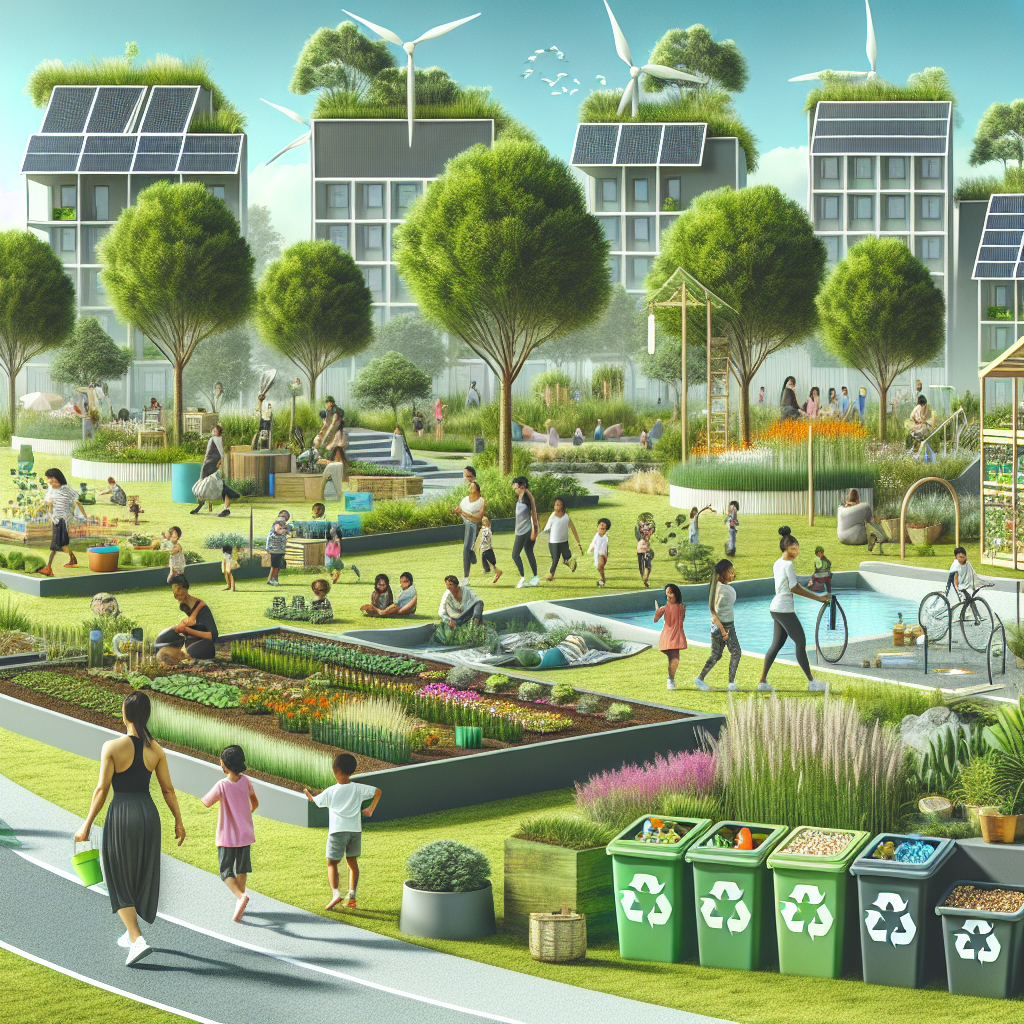
Another trend is the creation of multifunctional parks that serve various community needs. These parks feature a mix of recreational facilities, natural habitats, and urban agriculture initiatives. By incorporating community gardens and urban farms, these parks can contribute to local food security and promote sustainable living practices among city residents.
Technology also plays a vital role in modern urban park design. From energy-efficient lighting systems to smart irrigation systems that conserve water, technological advancements are helping to make parks more sustainable and user-friendly. Interactive features such as eco-learning trails and mobile apps offer educational experiences that raise awareness about environmental conservation and sustainability.
Case Studies of Successful Urban Parks
Several cities around the world have set exemplary standards in creating sustainable urban parks. One notable example is New York City’s Central Park. This iconic park serves as a green oasis in the heart of Manhattan, providing numerous environmental benefits, recreational opportunities, and cultural attractions to millions of visitors each year.
Another example is Singapore’s Gardens by the Bay, a futuristic park comprising three waterfront gardens. It showcases cutting-edge sustainable design, featuring supertrees that generate solar power, act as air venting ducts for nearby conservatories, and collect rainwater. The park also includes a range of flora from different climatic zones, making it a model for biodiversity conservation.
In Europe, Copenhagen’s Urban Park “Superkilen” stands out for its innovative design and cultural inclusivity. This park is a vibrant community space that reflects the diverse cultural backgrounds of the neighborhood’s residents. It plays a significant role in social revitalization while integrating sustainable practices like green mobility and renewable energy use.
Challenges and Future Directions
While urban parks offer numerous benefits, they also face challenges that can impede their effectiveness. One major challenge is the scarcity of land in densely populated urban areas. Competing land uses often prioritize commercial and residential development over green spaces, making it difficult to allocate sufficient space for parks.
Another challenge is the maintenance and management of urban parks. Adequate funding is required to maintain these spaces, ensure their sustainability, and prevent them from falling into disrepair. Typically, budget constraints can lead to insufficient park maintenance, reducing their ecological and social benefits.
Despite these challenges, there are various strategies that cities can adopt to overcome these obstacles. One approach is to integrate green spaces into urban planning proactively. This includes creating pocket parks in small unused spaces, converting vacant lots into community gardens, and incorporating green elements into building designs. Additionally, public-private partnerships can provide the necessary funding and resources for park development and maintenance.
Conclusion
Urban parks are integral to promoting sustainability in cities. They provide essential environmental benefits such as improving air quality, mitigating urban heat islands, and managing stormwater. Beyond their ecological impact, parks also enhance the social and economic fabric of urban communities by offering recreational spaces, fostering social interactions, and boosting local economies.
As urbanization continues to rise, the need for green spaces becomes more critical. Innovative park designs, such as multifunctional parks and the integration of green infrastructure, are paving the way for more resilient and sustainable urban environments. By learning from successful case studies around the world, cities can adopt best practices and tailor them to their unique contexts.
The challenges facing urban parks are significant but not insurmountable. With proactive urban planning, sufficient funding, and community engagement, it is possible to create and maintain parks that contribute to sustainability goals. Ultimately, investing in urban parks is investing in the health, well-being, and future of our cities.
Frequently Asked Questions
1. How do urban parks contribute to mitigating urban heat islands?
Urban heat islands are areas within urban settings where the temperatures are significantly higher than those of the surrounding rural areas. This is mainly due to human activities and the replacement of natural land cover with concrete, asphalt, and buildings. Urban parks play a crucial role in mitigating urban heat islands by introducing green spaces within cities.
Firstly, the vegetation in urban parks provides shade and cooling through the process of evapotranspiration, where plants release water vapor into the air, effectively reducing ambient temperatures. Trees, in particular, provide substantial shade, which can lower temperatures on sidewalks and nearby structures by several degrees.
Additionally, the soil and plant surfaces absorb sunlight and heat at a lower rate than concrete, thus maintaining cooler ground temperatures. This contributes to a more comfortable and livable urban environment, particularly during summer months. Moreover, city planners can strategically design park layouts to maximize their cooling effects, making urban parks not just a pretty sight, but functional climate regulators.
2. In what ways do urban parks improve air quality in cities?
Urban parks are vital in enhancing air quality in cities, which is essential given the increasing levels of pollution through vehicle emissions and industrial activities. Trees and plants in these parks act as natural air purifiers. They absorb carbon dioxide and release oxygen, which is crucial for balancing urban air composition.
Furthermore, the foliage in parks traps airborne particulates such as dust, pollen, and smoke, which are harmful to human health. These particles accumulate on leaves and are eventually washed away by rain, thus reducing their presence in the air we breathe. The combination of these factors leads to cleaner, fresher air, improving respiratory health and reducing pollution-related health issues among city dwellers.
In short, urban parks are not just decorative but serve as essential health resources by offering a breath of cleaner air amidst urban pollutants.
3. What social and economic benefits do urban parks offer to cities?
Urban parks are not just ecological treasures; they are social and economic assets for cities. Socially, they provide spaces where community members can gather, interact, and engage in recreational activities. This fosters a sense of community, enhances social cohesion, and offers a serene environment for relaxation, reducing stress and improving overall well-being.
Economically, urban parks can increase the value of neighboring properties, as people are generally willing to pay more for homes near green spaces. Parks also boost local economies by attracting tourists, which benefits nearby businesses such as restaurants and hotels. Furthermore, well-maintained parks can host events, generating revenue through rentals and permits.
The social and economic perks offered by urban parks highlight their importance beyond environmental contributions, making them indispensable assets in urban planning and development.
4. Why are urban parks essential for wildlife habitats?
Urbanization often disrupts natural habitats, leading many wildlife species to lose their homes. Urban parks play a crucial role in countering this effect by providing sanctuaries for a variety of animals, insects, and bird species within the cityscape.
Parks with diverse plant life offer food, shelter, and breeding grounds for wildlife, thus supporting biodiversity. They serve as critical migratory stopover points for birds and provide critical habitat corridors, linking different urban green spaces. By maintaining such biodiversity within cities, urban parks also contribute to ecological balance and resilience against environmental stresses.
These oases of diversity not only benefit the wildlife but also enhance the urban experience for residents, allowing them opportunities to explore nature without leaving the city.
5. How do urban parks align with global sustainability goals?
Urban parks are instrumental in achieving global sustainability goals, particularly those outlined in the United Nations Sustainable Development Goals (SDGs). They support goals related to environmental sustainability, human health and well-being, and quality education.
By providing green spaces that enhance air and soil quality, regulate climate, and support biodiversity, urban parks directly contribute to preserving life on land, which correlates with SDG 15. Furthermore, they provide spaces for physical activity, mental health benefits, and community interaction, aligning with SDG 3 on good health and well-being.
Additionally, urban parks often serve as educational tools where people can learn about the environment, conservation, and sustainable practices, thus promoting quality education and fostering environmental stewardship among city inhabitants. By integrating natural spaces into urban planning, cities can work towards the UN’s vision for sustainable cities and communities, as outlined in SDG 11.