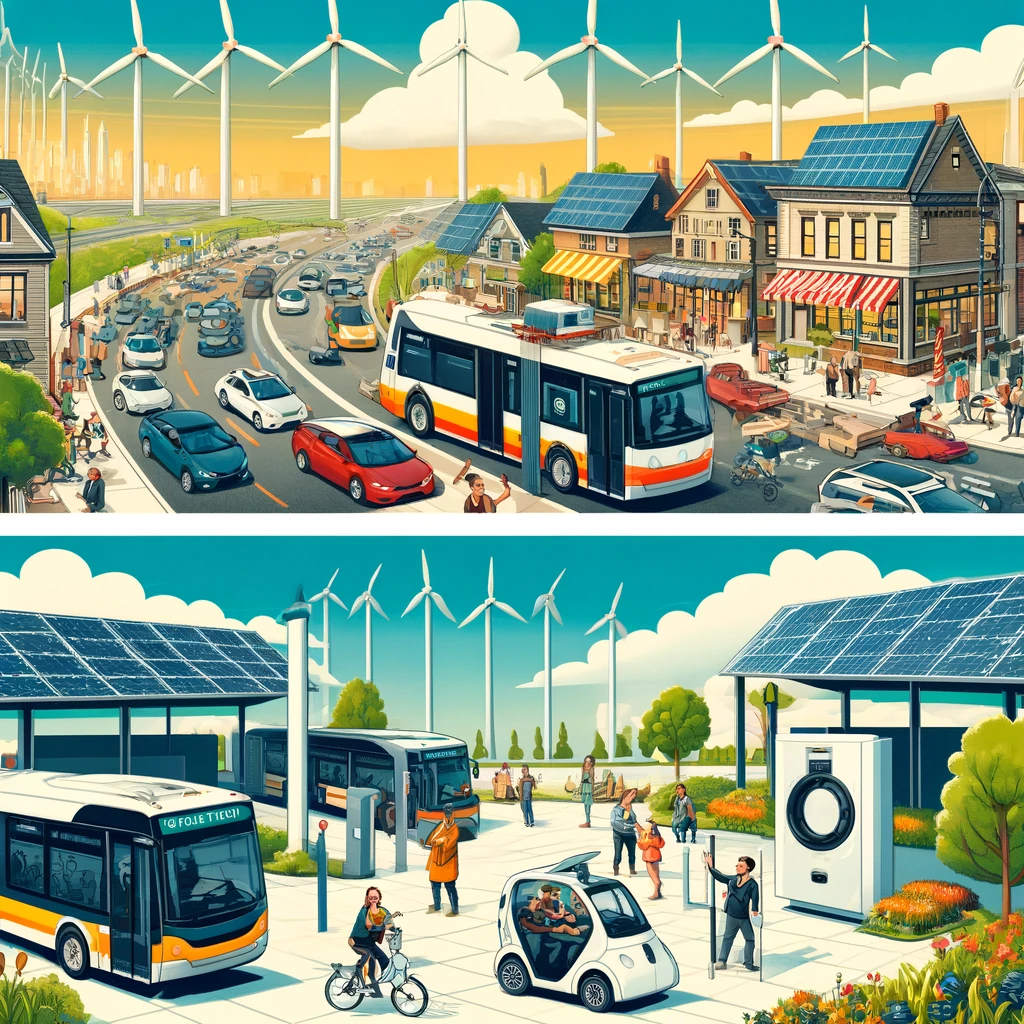
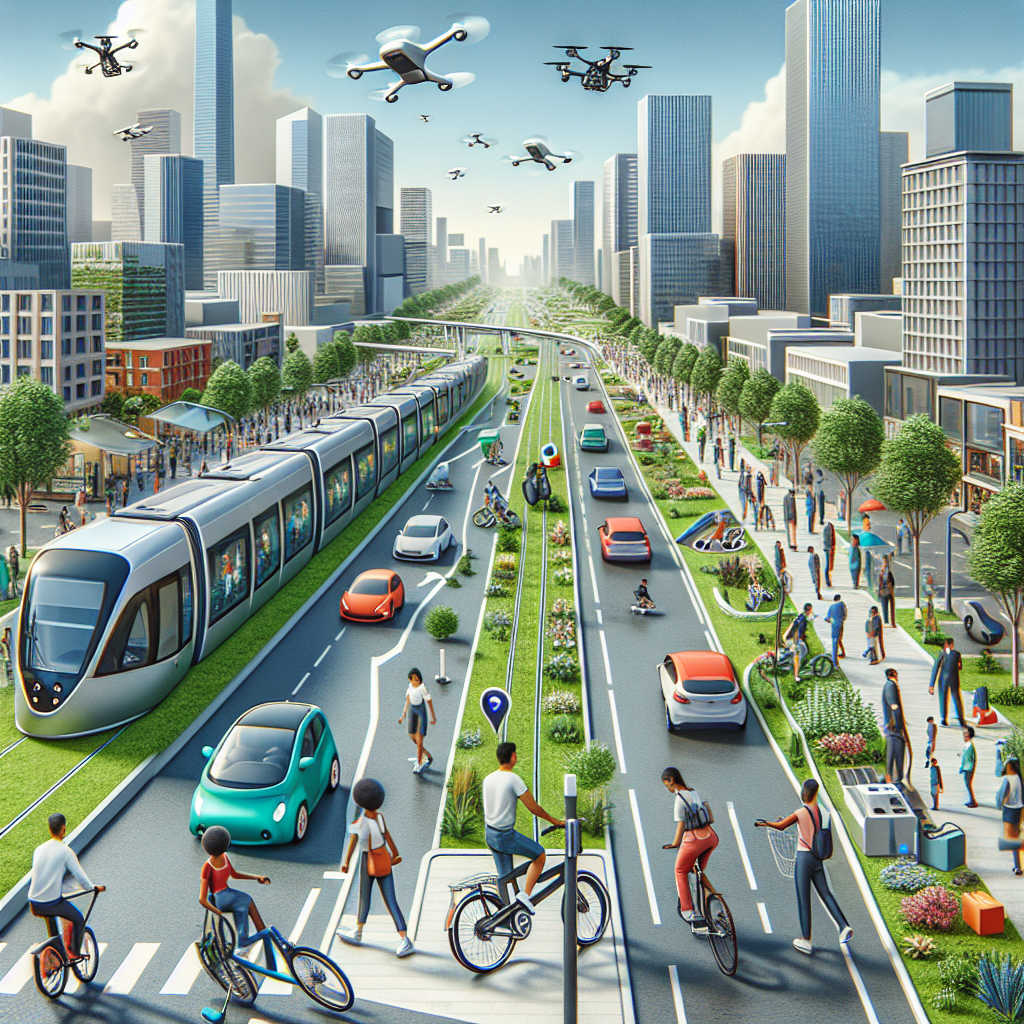
In an era dominated by rapid urbanization and escalating energy consumption, the concept of sustainable urban development is more pertinent than ever. Cities around the globe are grappling with the challenge of ensuring consistent and efficient energy supply while minimizing environmental impact. Traditional energy grids, characterized by centralized power generation and one-way distribution, are increasingly proving inadequate in meeting modern energy demands and sustainability goals. Enter smart grids – a revolutionary solution designed to enhance urban energy efficiency and reshape the future of energy management.
Smart grids represent an advanced electrical grid that utilizes digital technology, enabling real-time communication between energy providers and consumers. This dynamic interaction fosters a more reliable, efficient, and sustainable energy system. Smart grids offer a plethora of benefits, including improved energy efficiency, reduced carbon emissions, and greater integration of renewable energy sources. As urban planners and policymakers worldwide strive to create smarter, greener cities, understanding the potential and functionality of smart grids is of utmost importance.
This article delves into the essential aspects of smart grids, encompassing their significance, operational mechanisms, benefits, and challenges. We will explore how smart grids facilitate enhanced urban energy efficiency, thereby contributing to sustainable urban development. Whether you are an urban planner, policy maker, or simply an individual interested in sustainable living, this comprehensive guide will provide invaluable insights into the transformative power of smart grids in modern cities.
The Mechanics of Smart Grids
To grasp the transformative potential of smart grids, it is vital to understand how they function. At its core, a smart grid integrates digital technology with the existing power grid infrastructure, creating a bidirectional flow of information and electricity. Here’s a closer look at the key components and mechanisms driving smart grids:
- Advanced Metering Infrastructure (AMI):
AMI comprises smart meters and communication networks, which collectively enable real-time monitoring and management of energy consumption. Smart meters provide accurate, up-to-date information on electricity usage, allowing consumers and utilities to make informed decisions. - Distributed Energy Resources (DERs):
Smart grids support the integration of diverse energy sources, including solar panels, wind turbines, and energy storage systems. By efficiently managing these distributed resources, smart grids enhance energy reliability and sustainability. - Demand Response (DR) Programs:
DR programs aim to balance energy supply and demand by incentivizing consumers to adjust their energy usage during peak periods. This reduces strain on the grid and enhances overall efficiency. - Grid Automation and Control:
Advanced sensors, control systems, and data analytics enable automatic detection and response to grid disturbances. This improves reliability, reduces outages, and enhances grid resilience.
These components collectively contribute to a smarter, more responsive energy system capable of meeting the dynamic needs of modern urban environments. By embracing these technologies, cities can foster a more sustainable and efficient energy landscape, paving the way for future innovations.
Benefits of Smart Grids for Urban Energy Efficiency
Adopting smart grids offers a multitude of benefits, significantly enhancing urban energy efficiency and sustainability. The following are some of the most impactful advantages:
- Increased Energy Efficiency:
Smart grids enable more precise control over energy distribution and consumption, reducing wastage and optimizing resource utilization. Real-time data and advanced analytics facilitate efficient energy management, minimizing losses and enhancing overall efficiency. - Enhanced Reliability and Resilience:
By incorporating predictive maintenance and rapid fault detection capabilities, smart grids can proactively address potential issues before they escalate into major disruptions. This ensures a more stable and reliable energy supply, minimizing outages and enhancing grid resilience. - Integration of Renewable Energy Sources:
Smart grids seamlessly integrate renewable energy sources, such as solar and wind power, into the existing grid infrastructure. This not only diversifies the energy mix but also reduces dependence on fossil fuels, lowering greenhouse gas emissions and promoting cleaner energy alternatives. - Empowered Consumers:
With access to real-time energy usage data, consumers can make more informed decisions about their energy consumption patterns. This fosters a culture of energy-conscious behavior, encouraging individuals and businesses to adopt energy-saving practices, reducing overall demand and costs.
These benefits underscore the critical role of smart grids in transforming urban energy landscapes, driving cities towards a more sustainable and efficient future. However, the successful implementation of smart grids is not without its challenges.
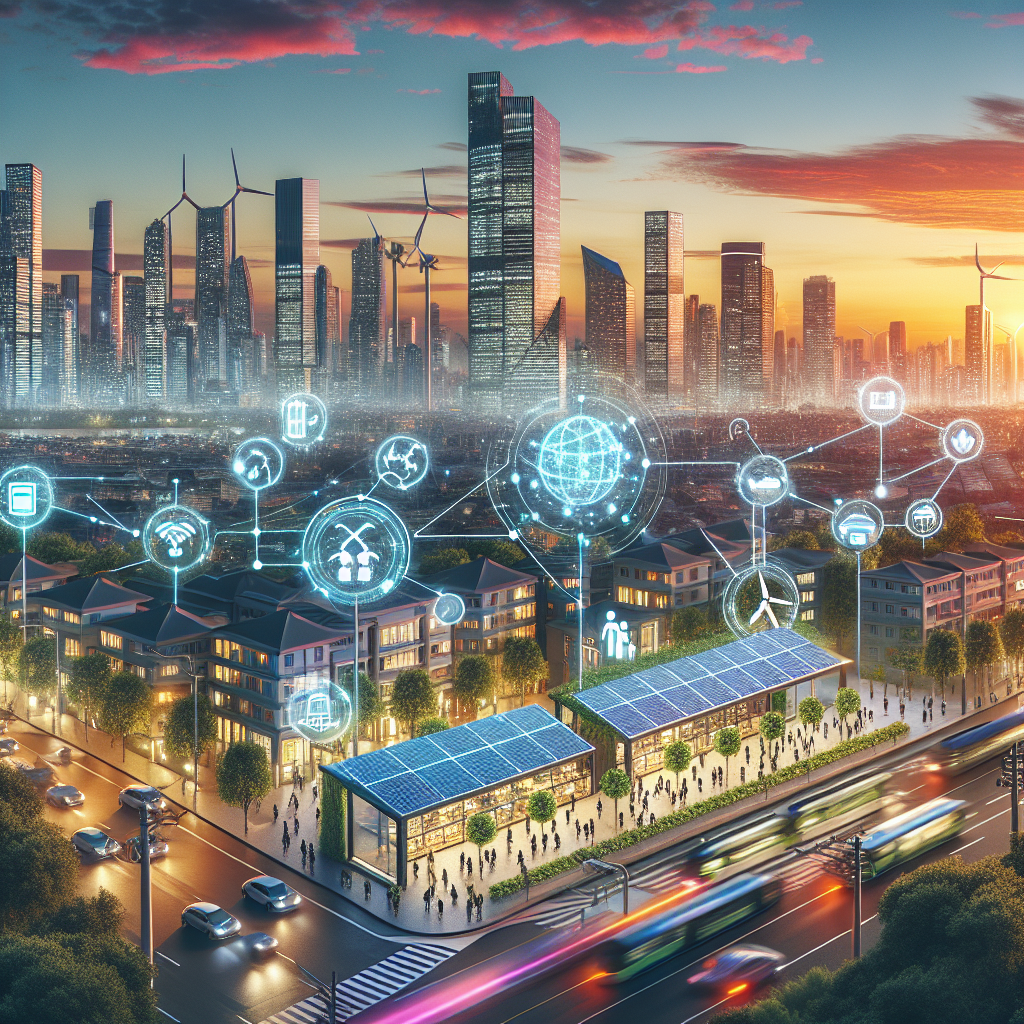
Challenges and Solutions in Implementing Smart Grids
While smart grids offer substantial benefits, their implementation is accompanied by several challenges. Addressing these obstacles is crucial for realizing the full potential of smart grids in enhancing urban energy efficiency:
- High Initial Costs:
The deployment of smart grid infrastructure requires significant investments. Government incentives, public-private partnerships, and cost-benefit analyses can help mitigate financial barriers and promote widespread adoption. - Cybersecurity Concerns:
The integration of digital technology in power grids introduces vulnerabilities to cyberattacks. Robust cybersecurity measures, such as encryption, secure communication protocols, and regular security assessments, are essential to safeguard the grid’s integrity. - Data Privacy Issues:
Smart grids generate vast amounts of data, raising concerns about privacy and data protection. Implementing stringent privacy policies, secure data storage solutions, and transparent data management practices can address these issues and build consumer trust. - Regulatory and Policy Barriers:
Inconsistent regulations and policy frameworks can hinder the deployment of smart grids. Collaborative efforts between governments, regulatory bodies, and industry stakeholders are necessary to establish supportive policies and standards that facilitate smooth implementation.
By proactively addressing these challenges, cities can pave the way for successful smart grid adoption, unlocking the myriad benefits of enhanced urban energy efficiency.
Case Studies: Smart Grids in Action
Several cities worldwide have successfully implemented smart grids, demonstrating their transformative impact on urban energy efficiency. Here are a few noteworthy examples:
- Amsterdam, Netherlands:
Through the “Amsterdam Smart City” initiative, the city has integrated smart grids with a focus on renewable energy sources and demand response programs. This has resulted in reduced energy consumption, improved grid reliability, and a significant reduction in carbon emissions. - Oslo, Norway:
Oslo has embraced smart grid technology to support its ambitious goal of becoming carbon neutral by 2050. By incorporating advanced metering infrastructure and extensive renewable energy sources, the city has achieved substantial improvements in energy efficiency and sustainability. - Boulder, Colorado, USA:
Boulder’s SmartGridCity project exemplifies the successful implementation of smart grid solutions. The initiative has enhanced grid reliability, integrated renewable energy, and empowered consumers with real-time energy usage data, resulting in a more resilient and efficient energy system.
These case studies illustrate the tangible benefits of smart grids, showcasing their potential to revolutionize urban energy management and drive sustainable development.
The Future of Smart Grids and Urban Sustainability
The ongoing evolution of smart grid technology promises to further enhance urban energy efficiency and sustainability. Emerging trends and innovations in the realm of smart grids include:
- Artificial Intelligence (AI) and Machine Learning:
AI and machine learning algorithms can analyze vast amounts of data generated by smart grids, identifying patterns and optimizing energy distribution and consumption. This enables more precise and efficient energy management, further reducing wastage and enhancing sustainability. - Blockchain Technology:
Blockchain holds the potential to revolutionize energy transactions within smart grids, ensuring secure, transparent, and efficient peer-to-peer energy trading. This can promote decentralized energy systems and facilitate greater integration of renewable energy sources. - Electric Vehicles (EVs) Integration:
The proliferation of EVs presents opportunities for smart grids to optimize energy use and storage. Vehicle-to-Grid (V2G) technology allows EVs to return excess energy to the grid, balancing supply and demand, and enhancing grid stability. - Smart Home Systems:
Integrating smart home devices with smart grids can provide consumers with greater control over their energy usage, enabling automated adjustments based on real-time data. This promotes energy-saving practices and enhances overall efficiency.
These advancements highlight the potential for smart grids to drive a more sustainable and resilient urban energy landscape. As technology continues to evolve, smart grids will play an increasingly pivotal role in fostering sustainable urban development.
Conclusion: Embracing Smart Grids for a Sustainable Future
The advent of smart grid technology marks a significant leap forward in the quest for sustainable urban development. By integrating digital technology with traditional power grid infrastructure, smart grids offer unparalleled opportunities to enhance urban energy efficiency, reliability, and sustainability. The benefits – ranging from increased energy efficiency and reliability to the integration of renewable energy sources – underscore the transformative potential of smart grids in reshaping urban energy landscapes.
While the implementation of smart grids is not without its challenges, proactive measures, strategic investments, and collaborative efforts can address these obstacles and pave the way for widespread adoption. The successful deployment of smart grids in cities like Amsterdam, Oslo, and Boulder serves as a testament to their efficacy in driving sustainable development.
The future of smart grids is brimming with possibilities, with emerging trends such as artificial intelligence, blockchain technology, and electric vehicle integration poised to further enhance their impact. As urban planners and policymakers navigate the complexities of modern energy management, leveraging the power of smart grids emerges as a crucial strategy for fostering sustainable, resilient, and energy-efficient cities.
In conclusion, embracing smart grids is not merely a choice, but a necessity for cities committed to a sustainable future. By harnessing the potential of smart grid technology, we can usher in a new era of urban energy efficiency, paving the way for a greener and more sustainable world.
Frequently Asked Questions
1. What is a smart grid and how does it differ from a traditional grid?
A smart grid is an advanced electrical grid that utilizes technology to enhance the efficiency, reliability, and sustainability of electricity services. Unlike traditional grids, which operate on a centralized power generation and one-way distribution model, smart grids integrate digital technologies to enable two-way communication between utilities and consumers. This allows for real-time monitoring and control of energy flows, better integration of renewable energy sources, and improved response to electrical demands. Smart grids can detect and react to local changes in usage, contributing significantly to the reduction of energy loss and the enhancement of energy efficiency.
2. How do smart grids contribute to urban energy efficiency?
Smart grids improve urban energy efficiency through several mechanisms. First, they optimize energy consumption by providing detailed energy usage data to consumers, allowing them to adjust their usage patterns and reduce wastage. Additionally, smart grids facilitate the integration of renewable energy sources such as solar and wind, which are essential for creating a sustainable urban environment. By balancing supply and demand in real-time, smart grids decrease dependency on fossil fuels and reduce greenhouse gas emissions. Furthermore, they enable more efficient management of electricity supply during peak times, reducing the need for additional energy generation and thus lowering overall energy consumption in urban areas.
3. What technologies are involved in building smart grids?
Smart grids encompass a variety of technologies that work in tandem to improve energy management. These include advanced sensors and meters, often referred to as smart meters, which provide real-time data on energy usage to both consumers and utility providers. Communication networks, which consist of both wired and wireless technologies, facilitate the two-way exchange of information between different grid components and stakeholders. Data analytics software is used to process and analyze the vast amounts of data generated by the grid, offering insights that drive more informed decision-making. Additionally, automation technologies help in adjusting distribution patterns, responding to outages, and managing voltage within the grid, thereby enhancing its overall reliability and efficiency.
4. What are the benefits of smart grids for urban consumers?
Urban consumers stand to gain numerous benefits from the implementation of smart grids. By providing access to real-time energy usage data, smart grids empower consumers to make more informed decisions about their energy consumption, leading to cost savings and greater energy efficiency. Enhanced reliability is another significant benefit; smart grids are better equipped to handle power outages and disturbances, ensuring a more consistent power supply. Furthermore, smart grids support the integration of renewable energy sources, which not only helps in reducing carbon footprints but also allows consumers to take advantage of more sustainable energy options. Lastly, smart grids offer greater flexibility and personalization in energy plans, allowing consumers to choose options that best fit their lifestyle and consumption patterns.
5. What challenges do cities face in implementing smart grids?
While the benefits of smart grids are substantial, cities face several challenges in their implementation. One primary obstacle is the high initial cost of upgrading existing infrastructure and technology. Integrating new components like smart meters and sensors with current systems can require significant financial investment. Additionally, there are concerns regarding data privacy and security, as smart grids involve the collection and processing of detailed consumer data. Ensuring that this data is protected from cyber threats is a critical issue. Technical challenges such as harmonizing different technology standards and managing the complexity of increased data volumes also need to be addressed. Lastly, achieving widespread adoption requires buy-in from various stakeholders, ranging from utility companies to end consumers, which can be a complex and time-consuming process. Despite these hurdles, the potential long-term rewards make the adoption of smart grids an attractive prospect for forward-thinking urban centers.