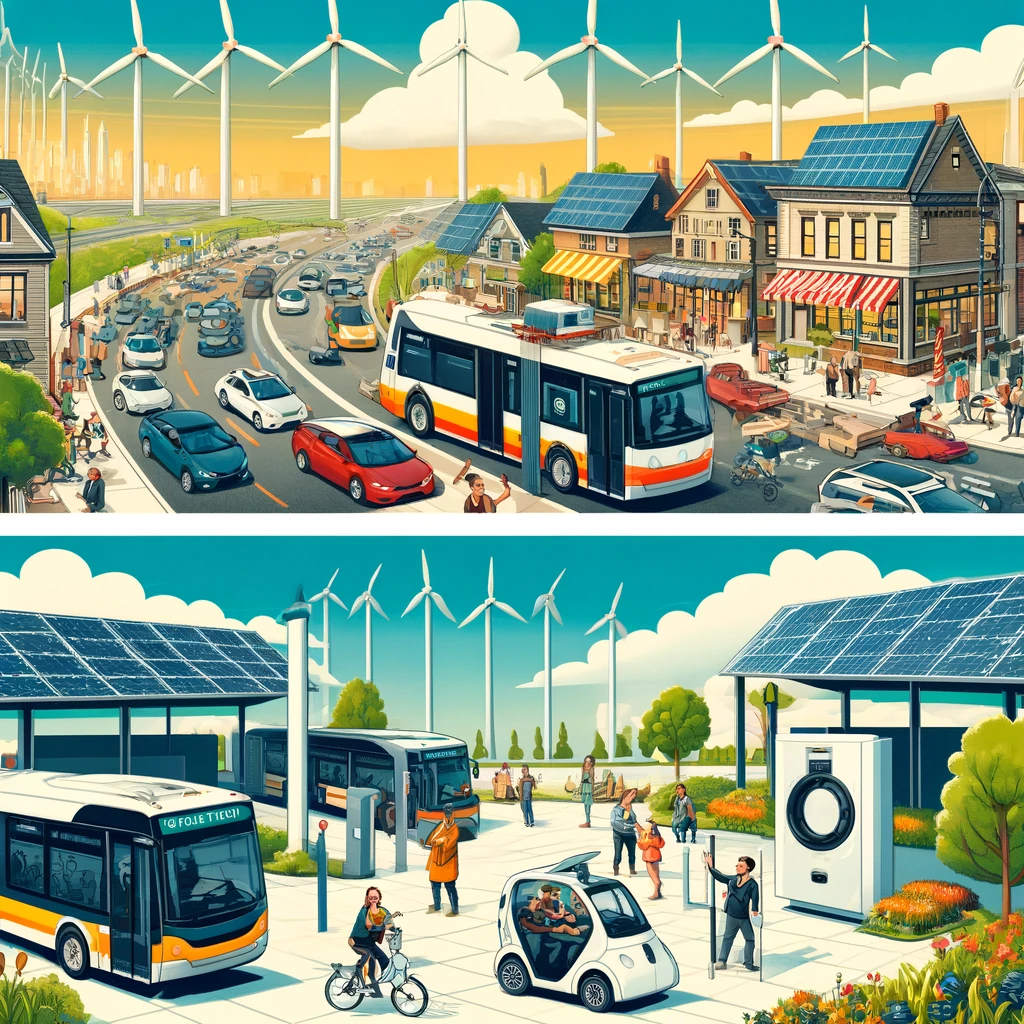
In recent years, the importance of sustainable urban development has skyrocketed as the global community faces mounting environmental and social challenges. Cities are at the heart of these challenges, representing both the problem and the solution. Urban areas consume a significant portion of the world’s energy and produce a substantial amount of greenhouse gas emissions. As such, transforming cities into sustainable entities is critical for achieving global environmental goals. A key player in this transformation is green finance, which offers the financial tools necessary to promote and support sustainable urban projects.
Green finance has emerged as a vital mechanism to fund the development of eco-friendly infrastructure and projects that aim to mitigate climate change and promote environmental sustainability. It involves the flow of financial resources aimed at supporting sustainable projects such as renewable energy, energy efficiency, water conservation, and sustainable land use. Green finance is not a one-size-fits-all approach; it encompasses a range of financial instruments including green bonds, green loans, and sustainable investment funds.
Understanding the role of green finance in sustainable urban projects requires an examination of its nature, its key components, and its impact on urban development. This article will explore how green finance is driving sustainable urban projects, the different green financing tools available, the benefits of these financial instruments, the challenges involved, and the future outlook for green finance in urban development.
The Nature of Green Finance
Green finance refers to the investment in projects and initiatives that aim to achieve positive environmental outcomes. It encompasses various financial instruments and investment strategies designed to support sustainable economic growth. The core idea behind green finance is to mobilize private sector resources to fill the funding gap that public finance alone cannot cover.
One of the critical components of green finance is the issuance of green bonds. These are debt securities issued by governments, municipalities, or corporations, where the proceeds are exclusively used to fund environmentally sustainable projects. Green bonds have gained significant traction in recent years due to their attractive financial and environmental benefits.
Another essential aspect of green finance is green loans. These loans are specifically designated for projects that have a positive environmental impact. Green loans can be secured by both public and private entities and are often accompanied by favorable terms to encourage sustainable investments.
Sustainable investment funds are also a crucial part of green finance. These funds pool money from various investors to invest in portfolios of companies or projects that meet specific environmental, social, and governance (ESG) criteria. By doing so, they promote responsible investment and drive capital towards sustainable urban development.
Green Finance Tools for Sustainable Urban Projects
There are several green finance tools available to support and promote sustainable urban projects. Each tool has unique features that cater to different aspects of urban development and environmental sustainability.
Green Bonds: As mentioned earlier, green bonds are one of the most popular green finance instruments. They provide an excellent way for cities to raise capital for environmental projects such as public transit systems, sustainable buildings, and renewable energy installations.
Green Loans: Green loans offer favorable borrowing terms to encourage investments in green projects. These loans can be used by municipalities for energy-efficient retrofits, water conservation initiatives, and other sustainable infrastructure developments.
Public-Private Partnerships (PPPs): PPPs involve collaboration between public entities and private investors to fund large-scale sustainable urban projects. This approach combines the strengths of both sectors, leveraging public resources and private expertise to achieve shared sustainability goals.
Sustainable Investment Funds: These funds direct capital towards companies and projects that meet defined ESG criteria. They play a crucial role in supporting urban sustainability by investing in renewable energy, waste management, and other eco-friendly urban initiatives.

The Benefits of Green Finance
The integration of green finance into sustainable urban development offers several notable benefits, ranging from environmental to economic advantages.
Environmental Benefits: Green finance supports projects that directly reduce carbon emissions, enhance energy efficiency, and promote the use of renewable energy. These efforts contribute to the broader goal of mitigating climate change and promoting environmental sustainability.
Economic Benefits: Investment in green projects can stimulate local economies by creating jobs and fostering innovation. The development of sustainable infrastructure attracts investment, improves urban resilience, and reduces long-term operational costs associated with resource consumption.
Social Benefits: Green urban projects can improve the quality of life for residents by providing cleaner air, better public transportation, and more green spaces. These projects promote health and well-being, fostering a more vibrant and livable city.
Attracting Investment: By demonstrating a commitment to sustainability, cities can attract both public and private investments. Investors are increasingly looking to support environmentally responsible projects, and green finance instruments offer a credible and transparent way to direct capital towards such initiatives.
Challenges in Implementing Green Finance
Despite the numerous benefits of green finance, there are also several challenges that can hinder its implementation in sustainable urban projects.
Lack of Standardization: One of the major obstacles is the lack of standardized criteria for what qualifies as a green project. This can create confusion and undermine investor confidence in the credibility of green finance instruments.
Regulatory Barriers: Different regulatory frameworks across countries and regions can pose significant challenges to the implementation of green finance. Harmonizing regulations and policies is essential to foster a more conducive environment for green finance.
High Initial Costs: Many sustainable urban projects involve high upfront costs, which can be a barrier to securing green finance. Although these projects often offer long-term savings and environmental benefits, the initial investment can be prohibitive for many cities and developers.
Limited Awareness: There is a general lack of awareness and understanding of green finance among potential investors, municipalities, and the general public. This knowledge gap can limit the adoption and success of green finance initiatives.
Future Outlook for Green Finance
The future of green finance looks promising, with growing recognition of the importance of sustainability and increasing demand for environmentally responsible investments.
Innovative Financial Products: The development of new and innovative financial products tailored to sustainability goals will continue to expand the green finance market. Emerging tools such as climate bonds, sustainability-linked loans, and green mortgages offer exciting prospects for sustainable urban development.
Policy Support: Government policies and regulations will play a crucial role in supporting and promoting green finance. Incentives, subsidies, and favorable regulations can help overcome barriers and encourage the adoption of green finance instruments.
Increased Private Sector Involvement: The private sector’s role in green finance is expected to grow, driven by increasing investor interest in sustainability and the recognition of the financial benefits associated with environmentally responsible investments.
Global Collaboration: International cooperation and knowledge sharing will be vital in scaling green finance. Collaborative efforts can help harmonize standards, drive innovation, and build a global market for sustainable investments.
Conclusion
Green finance plays a pivotal role in driving sustainable urban development. By mobilizing financial resources towards environmentally friendly projects, green finance supports the transformation of cities into more sustainable and resilient entities. Despite the challenges associated with implementing green finance, the benefits it offers are substantial, including environmental preservation, economic growth, social well-being, and investment attraction.
Going forward, the expansion of green finance will rely on innovative financial products, supportive policies, increased private sector participation, and global collaboration. As cities continue to grow and evolve, the integration of green finance into urban planning and development will be essential for achieving a sustainable and prosperous future.
For housing and urban planning professionals, understanding the dynamics of green finance and leveraging its tools can significantly enhance the success of sustainable urban projects. With a clear commitment to environmental sustainability and the strategic use of green finance, cities can lead the way in creating a greener and more sustainable world.
Frequently Asked Questions
1. What is green finance and how does it contribute to sustainable urban projects?
Green finance refers to financial investments that support environmentally friendly and sustainable projects, particularly those aimed at combating climate change. It includes a wide variety of financial instruments, such as green bonds, green loans, and sustainability-linked loans. When it comes to sustainable urban projects, green finance plays a critical role by providing the necessary capital to fund initiatives like renewable energy integration, energy-efficient buildings, sustainable public transport, and waste management systems.
By injecting funds into such projects, green finance facilitates the transformation of cities into sustainable environments. It encourages innovation and adoption of sustainable practices by addressing financial barriers that might have otherwise hindered environmental initiatives. For instance, issuing a green bond can help the city raise funds needed to build an energy-efficient metro system that not only reduces carbon emissions but also alleviates urban congestion. Thus, green finance is instrumental in accelerating urban sustainability and achieving long-term ecological and social benefits worldwide.
2. Why is sustainable urban development more crucial now than ever before?
Sustainable urban development has never been more important than it is today due to the rapidly increasing pressure on urban areas. The world’s urban population is continually expanding, and with this growth comes a significant increase in energy consumption and greenhouse gas emissions. Cities use up to 75% of global energy and are responsible for over 70% of carbon emissions, making them central to any discussions on climate change and sustainability.
Moreover, many urban areas face challenges like air pollution, insufficient infrastructure, and socio-economic inequality, which have profound impacts on public health and quality of life. Sustainable urban development addresses these issues by promoting projects that aim to create environmentally friendly, economically feasible, and socially inclusive cities. This approach not just contributes to global climate targets, but also ensures a high quality of urban life by enhancing resource efficiency, decreasing environmental impact, and creating sustainable communities for future generations.
3. How do green finance mechanisms like green bonds work in urban sustainability projects?
Green bonds are one of the most popular green finance mechanisms used to fund sustainable urban projects. Essentially, a green bond is a type of fixed-income instrument specifically earmarked to raise money for climate and environmental projects. The main difference between green bonds and traditional bonds is that the funds raised from green bonds are dedicated to projects that have positive environmental or climate benefits.
When a city government or company issues a green bond, they are using the capital raised to finance or refinance projects like wind farms, solar power installations, sustainable water management, or green buildings. For example, a city might issue green bonds to fund public transit improvements, aiming to reduce emissions and improve commuter accessibility. Not only does this help in promoting urban sustainability, but it also attracts investors who are increasingly interested in ethical and responsible investing. The popularity of green bonds continues to rise, showcasing their effectiveness in supporting urban sustainability initiatives.
4. What challenges do cities face in implementing sustainable urban projects through green finance?
While green finance offers substantial opportunities for sustainable urban development, it also comes with challenges that can affect its deployment. One of the significant challenges is the lack of a universal standard for what qualifies as a ‘green’ project, which can lead to ambiguity and risk of “greenwashing,” where projects claim to be environmentally friendly without meeting rigorous sustainability criteria. This makes it difficult for investors looking for truly impactful projects.
Additionally, cities may struggle with insufficient capacity or expertise to develop suitable projects that can attract green financing. Smaller cities, in particular, might face financial barriers, as they typically have a harder time accessing capital markets or lack the creditworthiness required for large green investments. Moreover, complexities in project assessment and ensuring measurement, reporting, and verification of environmental impacts can pose practical challenges. Despite these hurdles, ongoing developments in policy frameworks, improved transparency, and investor awareness are gradually overcoming these obstacles and promoting more robust green finance practices in urban settings.
5. How can local governments encourage more green finance investment in their urban projects?
Local governments have a vital role in catalyzing green finance investment by creating an enabling environment. One of the first steps they can take is to develop and articulate clear green strategies and policies that align with sustainability goals. This may involve setting ambitious climate targets, implementing beneficial regulations, and offering incentives for green investments, such as tax breaks or subsidies for renewable energy projects.
Another approach is to enhance the transparency and credibility of green finance products by adopting recognized standards and certifications for green investments. Local governments can also facilitate partnerships between public and private sectors to share risks and combine resources, thus attracting private capital. They should also invest in capacity building initiatives and technical support to empower local stakeholders and financial institutions in developing, implementing, and monitoring green finance schemes and projects.
Engaging with communities and encouraging citizen participation in sustainable urban projects can also amplify green finance efforts by building public support and accountability. Overall, by effectively harnessing policy tools and promoting stakeholder collaboration, local governments can significantly boost green finance investments to advance urban sustainability goals.