Urbanization is rapidly transforming landscapes worldwide, creating unprecedented challenges and opportunities. Sustainable urban development is becoming a top priority as cities expand to accommodate increasing populations. This development strategy focuses on creating environmentally responsible, economically viable, and socially inclusive communities. The importance of integrating sustainability into urban planning cannot be overstated. It involves balancing the immediacy of urban growth with the long-term needs of our planet and its inhabitants. Amidst the urgency of climate change, resource depletion, and social inequality, sustainable urban development presents a pathway to resilient and thriving urban futures.
The trend towards urbanization offers a unique opportunity to redesign cities in a way that is harmonious with natural ecosystems while promoting social equity and economic prosperity. Sustainable urban development is not just about building green spaces and reducing carbon footprints; it’s about creating communities that are inclusive and accessible. This means designing cities with affordable housing, efficient public transportation, green energy solutions, and spaces that encourage a high quality of life for all residents, regardless of income or social status.
In this article, we will explore the key elements of sustainable urban development, focusing on how they contribute to building inclusive communities. We’ll delve into the principles underpinning this approach, review successful case studies, address challenges, and discuss emerging trends and technologies that could shape the cities of tomorrow. The integration of these elements can help guide policymakers, urban planners, and everyday citizens in collectively forging resilient and inclusive urban landscapes.
Key Principles of Sustainable Urban Development
Sustainable urban development is anchored by several fundamental principles. These principles act as guidelines that help to shape development projects and policies, ensuring they meet the needs of present and future generations without compromising the health of our ecosystems. The first crucial principle is environmental sustainability. This involves minimizing the ecological footprint of urban areas by integrating green building practices, promoting renewable energy sources, and enhancing green spaces. The aim is to create urban environments that not only conserve resources but also enhance biodiversity and resilience to environmental changes.
Social equity is another foundational principle of sustainable urban development. This concept emphasizes the creation of inclusive communities where all residents have access to essential services, such as healthcare, education, and housing, regardless of their socioeconomic status. Social equity in urban planning ensures that marginalized and vulnerable groups are not excluded from the benefits of urban development. This principle promotes community engagement and participatory planning, allowing residents to have a voice in shaping their neighborhoods.
Economic vitality rounds out the triad of principles, ensuring that urban development projects are economically sustainable. This means fostering local businesses, creating job opportunities, and investing in infrastructure that supports economic growth. Economic vitality also involves ensuring that urban development is affordable for residents, preventing displacement and gentrification. By balancing environmental, social, and economic considerations, sustainable urban development creates cities that are livable, resilient, and capable of adapting to future challenges.
Case Studies of Successful Sustainable Urban Development
Examining successful examples of sustainable urban development can provide valuable insights and inspiration for other cities looking to adopt similar approaches. One prominent example is the city of Copenhagen, Denmark. Copenhagen is renowned for its commitment to sustainability, aiming to become the world’s first carbon-neutral capital by 2025. The city has implemented a comprehensive plan that includes extensive bicycle infrastructure, green buildings, and renewable energy projects. Copenhagen’s emphasis on public transportation and cycling has not only reduced carbon emissions but also improved the quality of life for its residents.
Another noteworthy case is the city of Curitiba in Brazil. Curitiba’s innovative urban planning has set a benchmark for sustainable development in emerging economies. The city’s success is largely due to its integrated public transportation system, which prioritizes accessibility and efficiency, and its extensive network of parks and green spaces. Curitiba has adopted a participatory approach to urban planning, involving residents in decision-making processes, which has contributed to its social inclusivity and economic resilience.
In Asia, Singapore stands out as a model of sustainable urban development. Singapore’s approach combines dense urban living with extensive green spaces, cutting-edge technology, and robust environmental policies. The city-state’s commitment to sustainability is evident in its Green Plan 2030, which outlines ambitious targets for reducing carbon emissions, increasing green spaces, and promoting green industries. Singapore’s innovative solutions, such as vertical farming and smart city technologies, demonstrate how urban areas can achieve sustainability while embracing economic growth.

Challenges and Barriers to Sustainable Urban Development
Despite the promising examples of sustainable urban development, numerous challenges and barriers remain. One of the primary challenges is the financial constraint faced by many cities, particularly in developing countries. Sustainable projects often require significant upfront investment, which can be a major hurdle for cities with limited budgets. Securing funding from private investors, international organizations, and government grants is crucial but often difficult to achieve.
Another significant barrier is the lack of political will and regulatory support. Sustainable urban development requires strong leadership, long-term planning, and supportive policies. In many regions, short-term political agendas, bureaucratic inertia, and conflicting interests can impede progress. Ensuring that sustainability is a priority in urban planning requires advocacy, education, and a shift in societal values.
Technical challenges also play a role in hindering sustainable urban development. Implementing new technologies and integrating them into existing urban infrastructure requires expertise, coordination, and sometimes a complete overhaul of current systems. Additionally, there may be resistance from stakeholders who are accustomed to traditional ways of urban planning and development.
Lastly, achieving social equity in sustainable urban development remains a complex issue. While efforts are made to create inclusive communities, disparities in access to resources, services, and opportunities persist. Addressing these disparities requires multifaceted approaches, including policy reforms, community engagement, and targeted interventions to support marginalized groups.
Emerging Trends and Technologies in Sustainable Urban Development
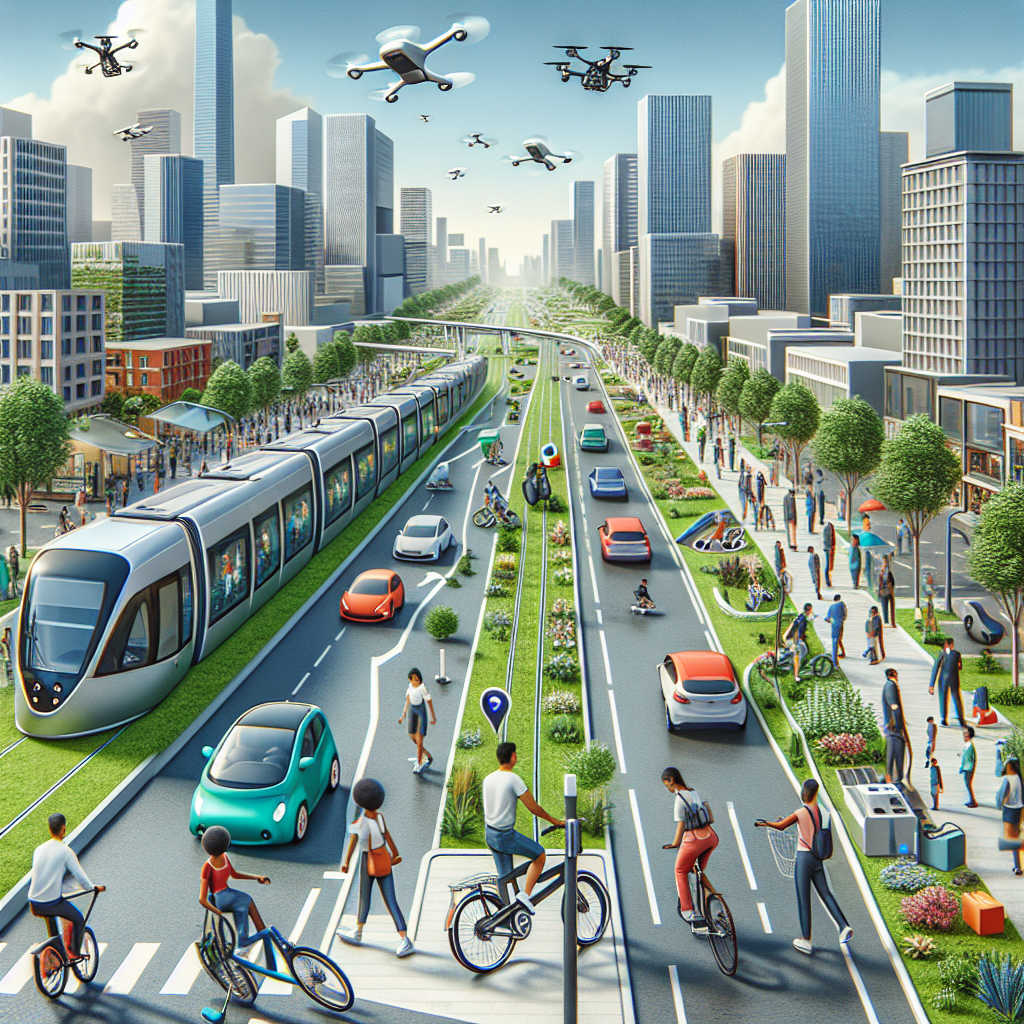
The field of sustainable urban development is continually evolving, with new trends and technologies emerging that promise to reshape urban landscapes. One such trend is the rise of smart cities. Smart cities leverage digital technologies and data analytics to optimize urban systems and improve the quality of life for residents. This includes smart grids for efficient energy use, intelligent transportation systems for reduced traffic congestion, and IoT-enabled infrastructure for enhanced services and safety.
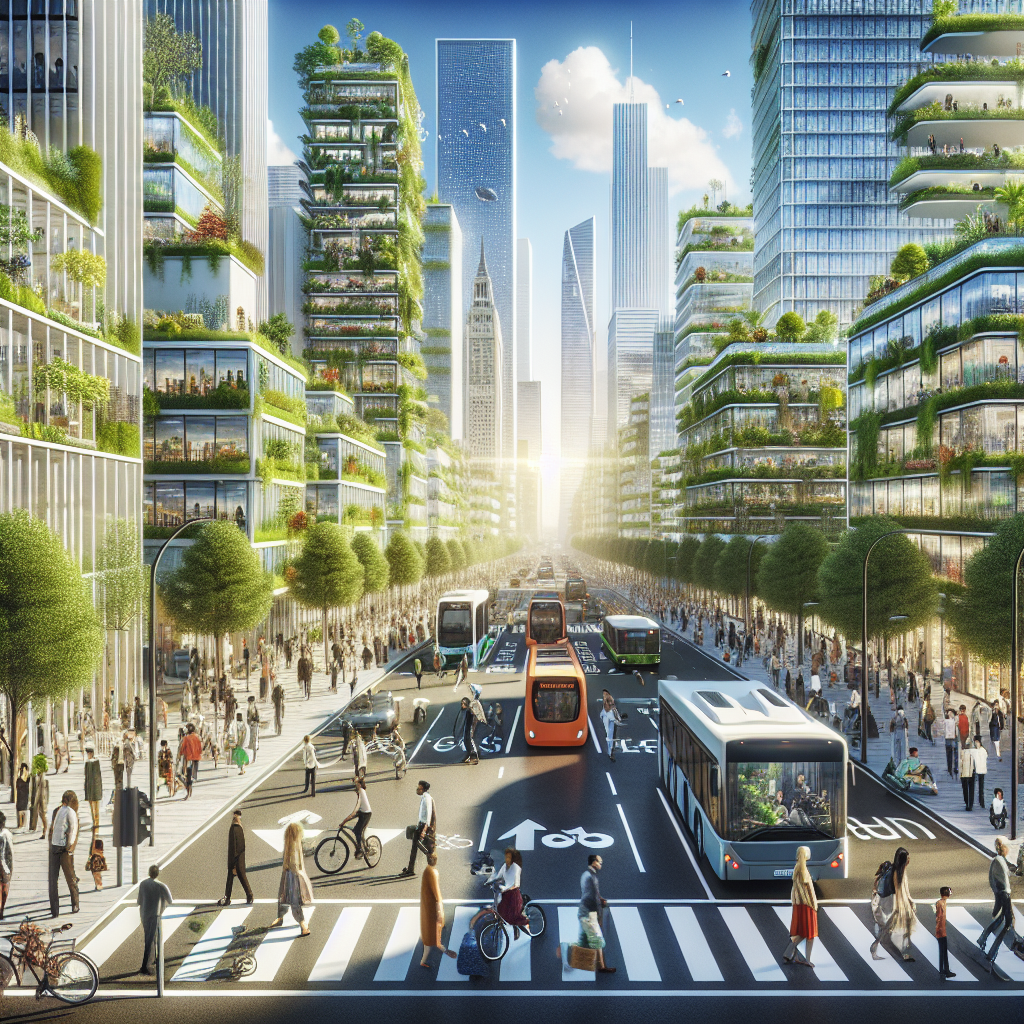
Another significant trend is the increasing use of green building technologies. Sustainable construction practices, such as the use of renewable materials, energy-efficient designs, and water-saving systems, are becoming more prevalent. Green buildings minimize environmental impact and offer long-term cost savings through reduced energy consumption.
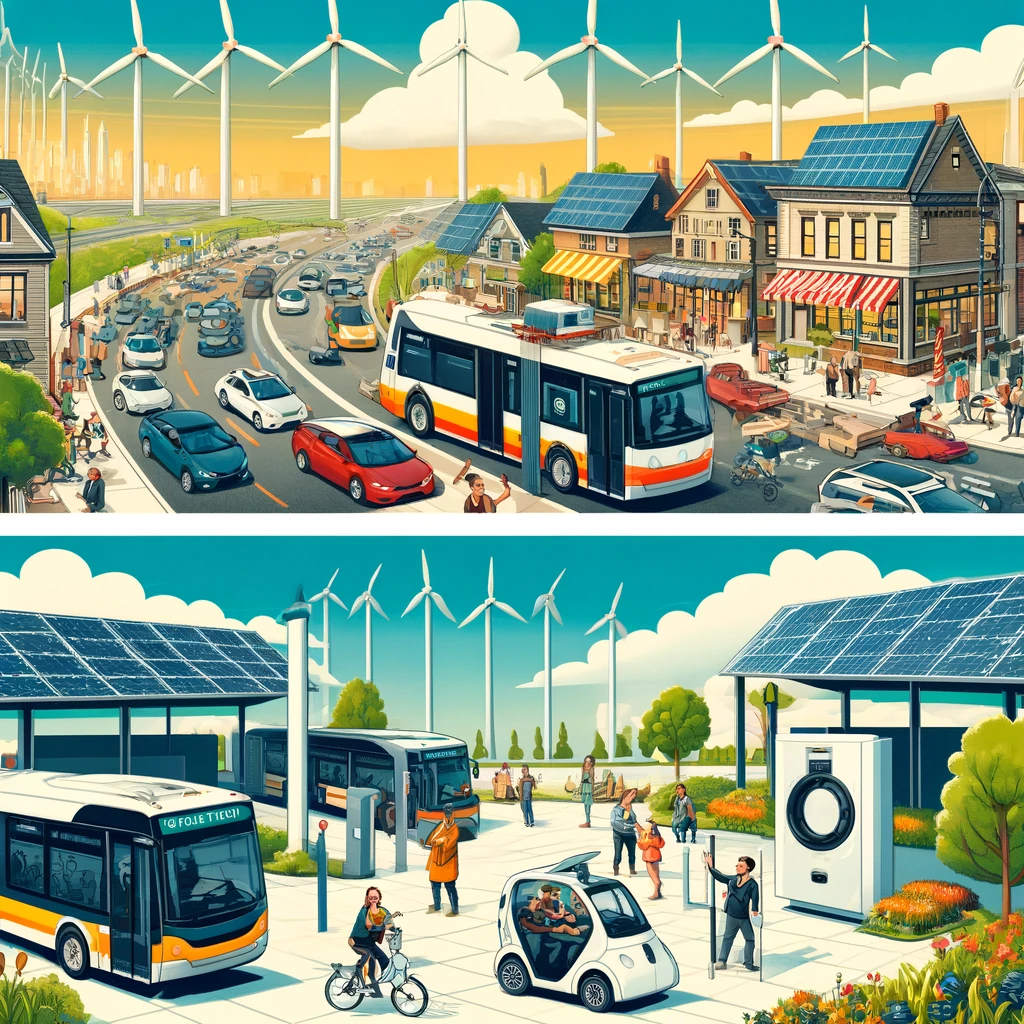
Renewable energy sources, such as solar, wind, and geothermal energy, are also gaining traction in urban development. Cities are investing in renewable energy projects to reduce reliance on fossil fuels and decrease carbon emissions. These projects not only contribute to environmental sustainability but also create new economic opportunities and jobs in the green energy sector.
Urban agriculture and vertical farming are emerging as innovative solutions to food security and sustainability challenges in dense urban areas. By growing food within cities, urban agriculture reduces transportation costs, promotes local food production, and enhances food resilience. Vertical farming, in particular, maximizes space and resource efficiency, making it an ideal solution for densely populated cities.
The Role of Community Engagement in Sustainable Urban Development
Community engagement is a critical component of sustainable urban development. Involving residents in the planning and decision-making processes ensures that development projects reflect the needs and aspirations of the community. This participatory approach fosters a sense of ownership and accountability among residents, leading to more successful and sustainable outcomes.
One effective method of community engagement is through workshops and public consultations. These forums provide a platform for residents to voice their opinions, share ideas, and collaborate with urban planners and policymakers. By incorporating diverse perspectives, urban development projects can address a wider range of issues and create more inclusive solutions.
Community-based organizations and grassroots movements also play a vital role in promoting sustainable urban development. These organizations advocate for the rights and needs of marginalized groups, ensuring that their voices are heard in the planning process. They also serve as intermediaries between residents and local governments, facilitating communication and collaboration.
Education and awareness campaigns are essential in building community support for sustainable urban development. By raising awareness about the benefits of sustainability and the importance of inclusive communities, these campaigns can motivate residents to participate actively in urban planning processes. Additionally, educational programs can empower residents with the knowledge and skills to contribute to sustainable initiatives, such as community gardening and energy-saving practices.
Conclusion
Sustainable urban development is an imperative for modern cities facing the dual pressures of urbanization and environmental degradation. By embracing the principles of environmental sustainability, social equity, and economic vitality, cities can create inclusive communities that are resilient to future challenges. Successful examples from Copenhagen, Curitiba, and Singapore demonstrate that it is possible to implement sustainable practices in diverse contexts, providing valuable lessons for cities worldwide.
However, the journey towards sustainable urban development is fraught with challenges, including financial constraints, political barriers, technical difficulties, and social inequities. Overcoming these barriers requires a concerted effort from all stakeholders, including governments, private sector entities, community organizations, and residents. Emerging trends and technologies, such as smart cities, green buildings, renewable energy, and urban agriculture, offer promising pathways to achieving sustainability in urban areas.
At the heart of sustainable urban development is community engagement. Involving residents in the planning process ensures that development projects meet the needs of the community, fostering a sense of ownership and accountability. Education and awareness initiatives are crucial in building support for sustainable practices and empowering residents to contribute actively to sustainability efforts.
In conclusion, sustainable urban development and inclusive communities are not just aspirational goals but achievable realities. By adopting a holistic and participatory approach, we can create urban environments that are environmentally responsible, socially inclusive, and economically vibrant. These sustainable cities will serve as beacons of hope and resilience, guiding future generations towards a more equitable and sustainable world.
Frequently Asked Questions
1. What is sustainable urban development?
Sustainable urban development is a forward-thinking approach that aims to create resilient cities capable of accommodating growing populations while ensuring the well-being of their inhabitants and the health of the planet. This approach integrates environmental, economic, and social considerations to foster communities that are not only livable but also responsible stewards of the environment.
On an environmental level, it focuses on reducing the carbon footprint of urban areas, increasing green spaces, and ensuring efficient use of resources. From an economic standpoint, it ensures cities are places of opportunity and innovation, offering jobs and promoting sustainable economic growth. Socially, sustainable urban development strives for inclusivity, ensuring that every community member, regardless of background, has access to housing, education, transport, and other vital services.
As urban centers grow, embracing sustainable development ensures not just the survival, but the thriving of communities within them. As such, sustainability in urban planning is key to balancing the urgency of expansion with the long-term health and viability of our cities.
2. Why is inclusive community development important in urban areas?
Inclusive community development is pivotal in creating healthy, vibrant urban areas for several reasons. Firstly, inclusivity ensures that all members of society have equal access to opportunities and services. This is critical in diverse urban settings, where economic disparities and social inequalities can often be more pronounced.
When communities are inclusive, they are more resilient and capable of adapting to challenges. This inclusivity fosters stronger social connections and networks, enhancing communal support systems that are vital during times of crisis or change. Additionally, inclusive community development often results in a more equitable allocation of resources, which is necessary for reducing poverty and mitigating the risks of social unrest.
Moreover, inclusive communities tend to be more innovative and economically vibrant. Diversity brings a variety of perspectives that can lead to creative solutions and progressive policies. Finally, fostering an inclusive environment helps combat societal issues such as discrimination and social exclusion, promoting harmony and a higher quality of life for all city dwellers.
3. How does sustainable urban development address environmental challenges?
Sustainable urban development directly addresses environmental challenges by incorporating eco-friendly practices and technologies into the fabric of urban planning. This involves prioritizing the conservation of natural resources, the reduction of pollution, and the promotion of renewable energy sources. For example, sustainable cities often implement green building practices that reduce energy consumption and lower emissions.
Transportation systems are another focal point; sustainable urban areas prioritize public transit, cycling, and walking, reducing the reliance on fossil fuel-consuming vehicles. Urban planning also includes the protection and expansion of green spaces, such as parks and nature reserves, which contribute to biodiversity and improve air and water quality.
Furthermore, sustainable urban development often includes robust waste management systems that emphasize recycling and reduction in waste production. These efforts combined help mitigate the impacts of climate change, preserve ecosystems, and ensure that urban expansion does not occur at the planet’s expense.
4. Can you explain some examples of sustainable urban development initiatives?
There are numerous successful initiatives that illustrate sustainable urban development across the globe. One notable example is the city of Copenhagen, Denmark, which has been a leader in sustainable urban planning. The city has a vast network of bicycle lanes promoting cycling as a primary mode of transportation, contributing significantly to reduced carbon emissions.
In Vancouver, Canada, the city has implemented its Greenest City Action Plan, which includes objectives such as zero waste and a significant reduction in water and carbon footprint by 2050. These initiatives underline their commitment to becoming the world’s greenest city.
Another pioneering example is Curitiba, Brazil, known for its innovative integrated public transportation system that efficiently moves large numbers of residents while minimizing environmental impact. These cities exemplify how strategic planning and public policy can drive sustainable practices that benefit both residents and the environment.
5. What challenges do cities face when attempting to implement sustainable and inclusive development strategies?
Implementing sustainable and inclusive development strategies in urban settings is a complex challenge with several hurdles. One of the primary concerns is the financial investment required upfront. Sustainable projects often need substantial funding, and securing these resources can be difficult, particularly in less affluent cities or regions.
There is also the challenge of balancing the interest of different stakeholders, including residents, businesses, government agencies, and developers. Conflicting priorities can slow down progress and lead to compromises that might undermine sustainability goals.
Moreover, systemic issues such as existing infrastructure that is not designed with sustainability in mind, along with regulatory and bureaucratic barriers, can impede modernization efforts. There is also the critical need for knowledge and awareness among the population and officials about the benefits of sustainable practices, as resistance to change can hinder the adoption of new methods or technologies.
To overcome these challenges, cities need comprehensive plans that outline clear steps and foster collaborations across sectors. They also require education and communication strategies to bring communities on board with the envisioned changes.