As urban areas across the globe expand at an unprecedented pace, the challenges of maintaining sustainability become ever more evident. Cities must juggle economic development, environmental protection, and social equity to ensure that urban growth does not compromise the well-being of future generations. A key strategy that has emerged in recent years to tackle these challenges is the formation of public-private partnerships (PPPs). These collaborations leverage the strengths and resources of both the public and private sectors to achieve sustainable urban development.
Public-private partnerships offer a blend of public oversight and private sector efficiency, potentially delivering innovative solutions to complex urban issues. Governments, often constrained by budget limitations and bureaucratic sluggishness, can benefit immensely from the nimbleness and resource availability of the private sector. Conversely, private enterprises gain from the stable, long-term engagements and potential for positive social impact that public projects offer.
From green buildings and energy-efficient transportation systems to waste management and affordable housing, PPPs have been central to various sustainability initiatives. This article delves into the critical role that PPPs play in fostering urban sustainability, examining multiple dimensions such as economic viability, environmental stewardship, and social equity. We will explore how these partnerships work, their advantages, limitations, and some successful case studies illustrating their impact. Ultimately, understanding the intricate workings of PPPs can offer invaluable insights for city planners, developers, and policymakers committed to creating liveable, sustainable urban spaces.
The Mechanics of Public-Private Partnerships
At its core, a public-private partnership is a collaborative arrangement where government entities engage with private companies to deliver public services or infrastructure. These partnerships can take various forms, including Build-Operate-Transfer (BOT), Design-Build-Finance-Operate (DBFO), and many others. While the format may vary, the underlying principle is consistent: pooling resources and expertise to achieve common goals.
One key feature of PPPs is risk-sharing. In conventional public procurement, the government bears all the risks associated with cost overruns, delays, and quality issues. However, in a PPP, these risks are distributed between the public and private sectors based on who is better equipped to manage them. This not only ensures more efficient project delivery but also encourages innovation by incentivizing private players to develop cost-effective, creative solutions.
Another critical aspect is the long-term nature of many PPP agreements, which often span several decades. Such extended timelines align the interests of both parties towards shared, sustainable outcomes. For instance, a private company involved in a long-term PPP to manage urban waste would have a vested interest in developing environmentally friendly, efficient waste processing technologies to reduce long-term operational costs.
Financing mechanisms also play a crucial role. Unlike traditional public procurement, which relies on tax revenues and government budgets, PPPs often leverage private capital investment. This is particularly beneficial for large-scale infrastructure projects where upfront costs are prohibitively high. Various financial instruments, such as bonds, loans, and equity investments, can be employed to fund these endeavors, diversifying the risk and reducing the financial burden on public coffers.
Economic Viability through PPPs
One of the compelling reasons for adopting PPPs in sustainable urban development is their potential to enhance economic viability. Traditional public sector projects are often marred by inefficiencies and inflated costs, which can undermine sustainability goals. PPPs offer a solution by introducing private sector efficiencies into the equation.
For example, the private sector’s ability to innovate and optimize processes can result in significant cost savings. These savings can be redirected towards other critical urban initiatives, creating a positive feedback loop that fosters further sustainable development. Additionally, PPPs can help mitigate the financial risks associated with large-scale projects by distributing them between public and private partners.
Moreover, PPPs can attract foreign direct investment (FDI). International investors often view PPPs as stable, long-term investments backed by government commitments. Such investments can inject much-needed capital into urban sustainability projects, making them financially viable. This, in turn, can stimulate local economies, create jobs, and improve the overall quality of life for urban residents.
A case in point is the Thames Tideway Tunnel in London, a large-scale infrastructure project aimed at modernizing the city’s outdated sewage system. Through a PPP, the project attracted significant private investment, ensuring both financial viability and timely execution. The result was a crucial enhancement to the city’s environmental sustainability, funded and managed in a cost-effective manner.

Environmental Stewardship in PPPs
Environmental sustainability is a central concern in urban development, and PPPs can play a pivotal role in advancing green initiatives. Private sector involvement often brings cutting-edge technologies and practices that can significantly reduce the environmental footprint of urban projects.
Take the example of green building initiatives. Through PPPs, cities can collaborate with private developers to construct energy-efficient buildings that reduce carbon emissions and conserve resources. These buildings often incorporate renewable energy sources, advanced insulation materials, and smart technologies for energy management, demonstrating how PPPs can set new standards for environmental stewardship.
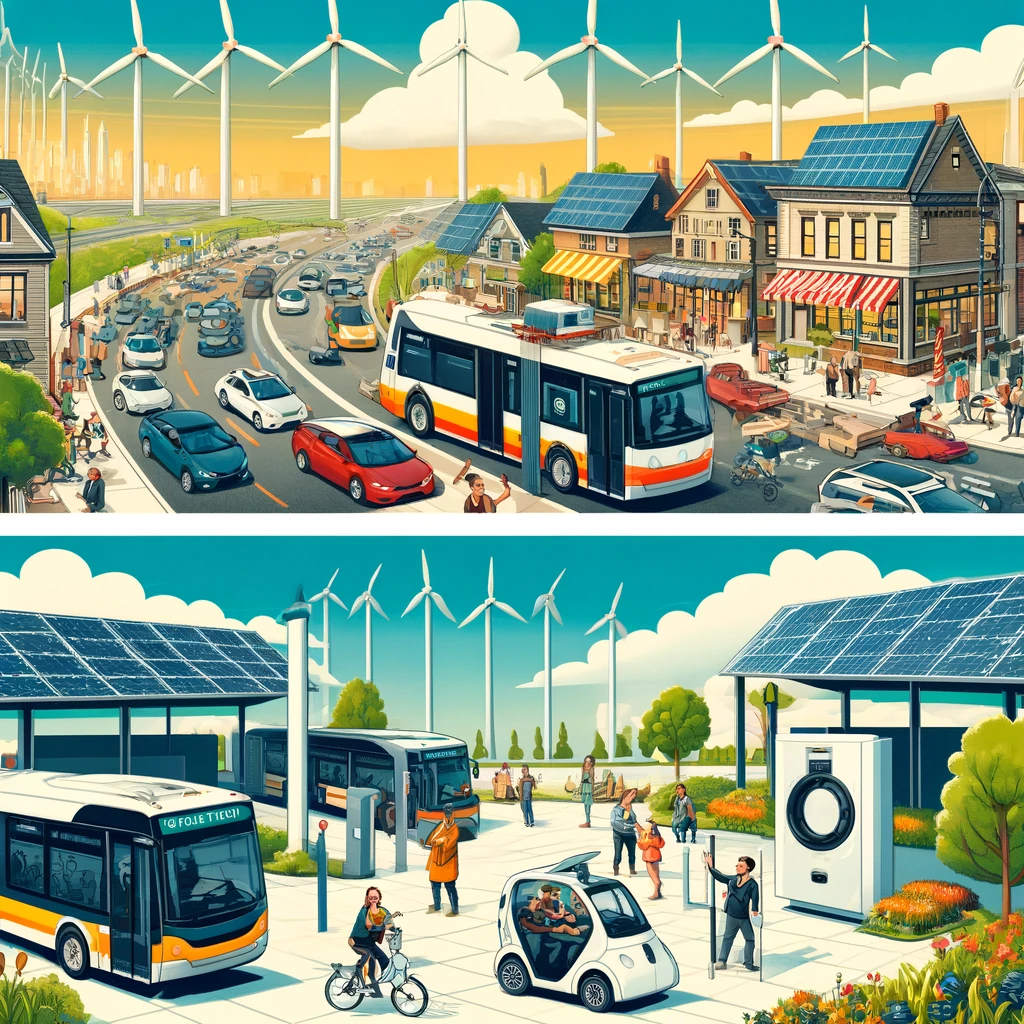
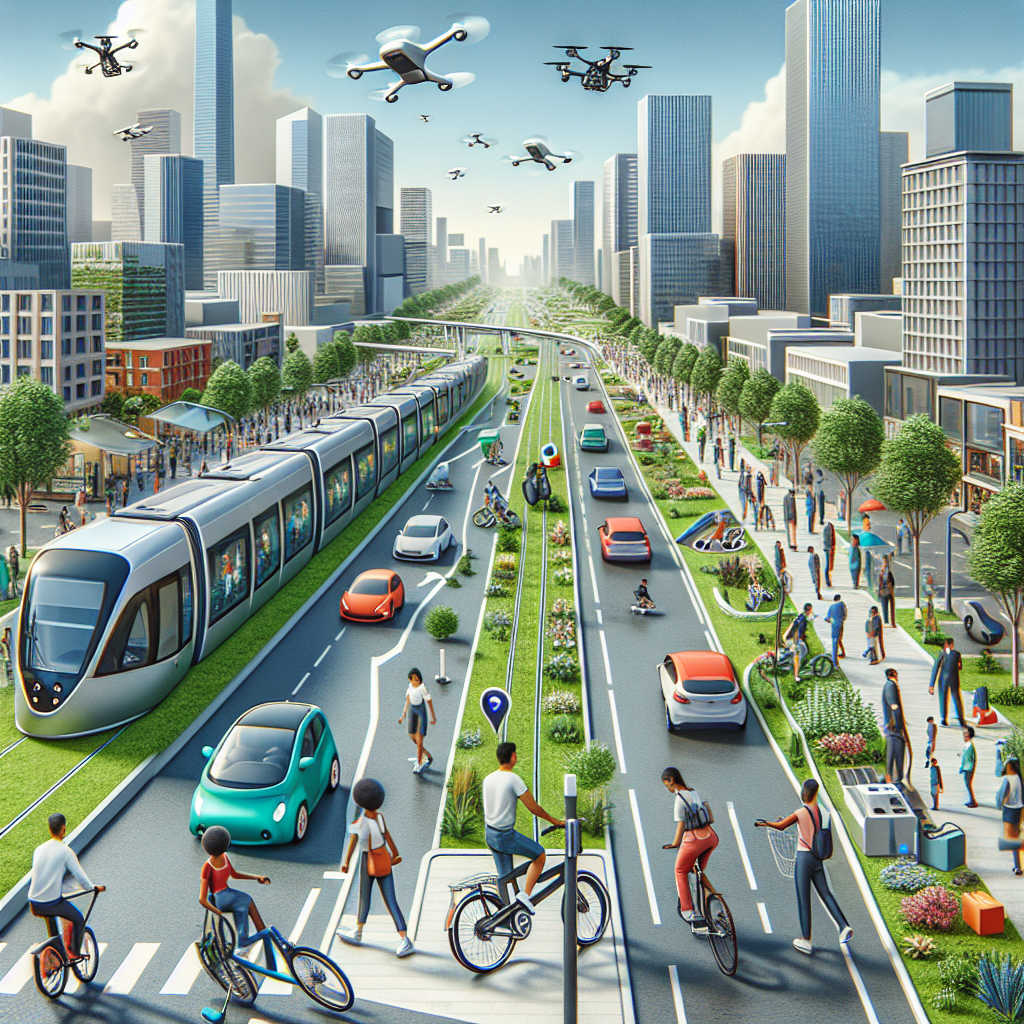
Another area where PPPs excel is in sustainable transportation. Cities worldwide are grappling with the challenge of reducing traffic congestion and lowering emissions. PPPs can drive the development of public transportation systems, such as electric buses and light rail networks, that offer sustainable alternatives to private car use. For instance, the city of Los Angeles entered a PPP to expand its Metro rail system, significantly reducing the number of vehicles on the road and contributing to cleaner air and lower emissions.
Furthermore, waste management and recycling initiatives can benefit from PPPs. Private companies specializing in waste processing can partner with municipalities to implement advanced recycling techniques and waste-to-energy projects. This not only diverts waste from landfills but also generates clean energy, illustrating how PPPs can turn environmental challenges into sustainable solutions.
Social Equity and Inclusion
While economic viability and environmental sustainability are crucial, social equity and inclusion are equally important pillars of urban sustainability. PPPs can foster a more inclusive urban environment by ensuring that the benefits of development projects are equitably distributed among all residents.
Affordable housing is a prime example. Many cities face housing crises, with low-income families unable to afford decent living conditions. Through PPPs, municipalities can partner with private developers to create affordable housing projects that meet strict sustainability standards. These partnerships can help address the housing shortage while ensuring that developments are energy-efficient and resilient.
Similarly, PPPs can enhance access to essential services such as healthcare and education. By collaborating with private healthcare providers and educational institutions, cities can expand access to high-quality services for underserved communities. This not only improves the overall well-being of residents but also fosters social cohesion and reduces inequality.
An exemplary case is the Mumbai Metro Project in India, which not only improved urban mobility but also provided employment opportunities for thousands of residents. The project was executed through a PPP and included social impact assessments to ensure that the benefits of the metro system extended to all segments of society, including economically disadvantaged communities.
Challenges and Limitations of PPPs
While PPPs offer significant advantages, they are not without challenges and limitations. One major concern is the potential for misaligned interests between public and private partners. While the public sector prioritizes social and environmental outcomes, private companies may focus on profit maximization. Effective PPPs require carefully structured agreements that align the interests of both parties and include clear performance metrics.
Transparency is another critical issue. PPPs can involve complex financial arrangements and long-term contracts, making it difficult for stakeholders to fully understand the terms and implications. Ensuring transparency in the selection, negotiation, and implementation phases is essential to maintain public trust and avoid potential conflicts.
Additionally, there is the risk of unequal power dynamics. Private companies with substantial resources and expertise can exert disproportionate influence over project outcomes, potentially sidelining public objectives. This underscores the need for robust regulatory frameworks and oversight mechanisms to balance power and protect the public interest.
Lastly, not all PPPs are successful. Some projects may face operational challenges, delays, or financial setbacks that undermine their intended benefits. Learning from past experiences and continuously refining PPP models can help mitigate these risks and improve the effectiveness of future partnerships.
Case Studies in Successful PPPs
Examining successful case studies can provide valuable insights into the effectiveness of PPPs in achieving urban sustainability. One notable example is the Port of Miami Tunnel project in the United States. This project, executed as a PPP, significantly improved freight and passenger traffic flow, reduced congestion, and enhanced air quality in the urban core.
Another exemplary case is the Copenhagen City Bikes program in Denmark. Through a PPP, the city introduced a bike-sharing system that not only promotes sustainable transportation but also encourages healthy living. The project has been widely praised for its innovative design, user-friendly interface, and positive environmental impact.
In Singapore, the Marina Bay Financial Centre stands as a testament to the success of PPPs in urban development. This mixed-use development, created through a PPP, combines commercial, residential, and recreational spaces in a highly sustainable manner. It incorporates green building technologies, efficient water management systems, and extensive public spaces, contributing to Singapore’s reputation as a global leader in urban sustainability.
Lastly, the Quito Metro project in Ecuador demonstrates how PPPs can transform public transportation. This ambitious initiative aims to provide a rapid transit solution for the city’s growing population, reducing travel times and lowering greenhouse gas emissions. By partnering with private firms, the city has secured the expertise and funding needed to bring this visionary project to life.
Conclusion
Public-private partnerships represent a powerful tool for advancing urban sustainability. By combining the strengths of both the public and private sectors, PPPs can address the complex challenges of urban development in a holistic and effective manner. From economic viability and environmental stewardship to social equity and inclusion, these partnerships offer a multifaceted approach to creating sustainable cities.
However, realizing the full potential of PPPs requires careful planning, transparent governance, and a commitment to aligning the interests of all stakeholders. Cities must continuously learn from past experiences, refine their PPP models, and create regulatory frameworks that ensure the equitable distribution of benefits.
As urban populations continue to grow and the pressures on natural resources intensify, the need for sustainable urban development becomes ever more urgent. By embracing public-private partnerships, cities can not only meet their current sustainability goals but also lay the groundwork for a resilient, sustainable future.
In summary, the role of PPPs in urban sustainability is both significant and multifaceted. Whether building green infrastructure, improving public transportation, or enhancing social services, these partnerships offer a pathway to more livable, equitable, and sustainable urban environments. For city planners, developers, and policymakers, understanding the dynamics of PPPs is essential to navigating the challenges and opportunities of sustainable urban development.
Frequently Asked Questions
1. What are public-private partnerships (PPPs) and how do they contribute to urban sustainability?
Public-private partnerships (PPPs) are collaborative agreements between government entities and private sector companies aimed at achieving specific public benefits. In the context of urban sustainability, PPPs play a crucial role by combining the strengths of both sectors to address complex urban challenges. Governments can leverage the financial resources, innovation, and efficiency of private companies, while businesses gain access to public infrastructure and regulatory support.
By working together, these partnerships can develop and implement projects that focus on sustainable urban development, such as renewable energy systems, green public transport networks, and waste management systems. This collaboration ensures that urban growth enhances environmental quality, supports economic development, and improves the quality of life for city residents. Through joint efforts, PPPs can introduce innovative technologies and practices that might be beyond the reach of public or private sectors alone, ultimately making cities more resilient and sustainable for future generations.
2. What are the benefits of using PPPs in achieving urban sustainability goals?
The benefits of employing PPPs in the pursuit of urban sustainability are extensive. Firstly, they provide a powerful means to pool resources, expertise, and ideas. This not only accelerates the implementation of sustainable initiatives but also ensures that these projects are economically viable and technologically advanced.
Secondly, PPPs foster innovation by incorporating private sector practices that might be more efficient than traditional government approaches. The competitive nature of the private sector can also drive cost-effectiveness and timely completion of projects.
Thirdly, PPPs can enhance risk management, as risks are often better absorbed when shared between the public and private sectors. This shared responsibility can lead to more robust project outcomes, ensuring that sustainability initiatives are resilient to uncertainties such as economic downturns or climate-related events.
Finally, these partnerships often enable the engagement of a broader community. They help align corporate objectives with public goals, encouraging businesses to invest more in sustainable practices and hence, play a pivotal role in promoting comprehensive urban development that is environmentally, socially, and economically sustainable.
3. How do PPPs promote social equity in urban areas?
Social equity in urban areas refers to the fair distribution of resources, opportunities, and services among all residents, regardless of their socio-economic status. PPPs can be instrumental in promoting social equity by balancing the scales of access to resources and services.
These partnerships often focus on inclusive urban development projects that aim to improve living conditions for underprivileged communities. This can include developing affordable housing, improving public transportation to underserved areas, and providing access to essential services like clean water and educational facilities.
Additionally, PPPs can help reduce the inequality gap by creating local jobs and fostering economic opportunities in marginalized communities. By engaging with stakeholders from diverse backgrounds and encouraging community involvement in planning and decision-making processes, PPPs ensure that all voices are heard and that development benefits are widely distributed.
Ultimately, this participatory approach helps build a more inclusive urban environment where all residents have equal chances to thrive and contribute to the city’s growth and sustainability.
4. Can you provide examples of successful PPPs in urban sustainability?
There are numerous successful examples of PPPs that have left a significant impact on urban sustainability. A prominent example is the New York City High Line, an elevated greenway and public park built on a historic freight rail line. This project was a collaboration between the city’s municipal government and private donors, including generous support from local businesses. The High Line has not only transformed a blighted area into a lush urban oasis but has also spurred economic development and increased property values around the park, all while promoting sustainability through urban greenery.
Another notable example is the expansion of Curitiba’s public transportation system in Brazil. The city partnered with private bus companies to develop one of the world’s first bus rapid transit (BRT) systems. Featuring dedicated bus lanes and efficient fare systems, this system provides sustainable and accessible public transport for millions of residents, significantly reducing emissions and traffic congestion in the city.
These cases highlight how PPPs can effectively bring about sustainable and innovative solutions, enhancing urban living environments by making them more livable, ecologically friendly, and forward-looking.
5. What challenges might arise in implementing PPPs for urban sustainability, and how can they be addressed?
While PPPs offer a myriad of advantages for urban sustainability, they also come with challenges that require careful management. One significant challenge is aligning the interests, objectives, and timelines of public and private entities, which can often be disparate. To address this, clearly defined goals, transparent communication, and mutually agreed-upon outcomes are essential components of the partnership agreement.
Another challenge is ensuring public accountability and maintaining the public’s interest over private profit. Mechanisms such as performance-based contracts, regular audits, and public feedback channels can ensure that the private sector remains aligned with public objectives.
Furthermore, financial risks such as cost overruns or project delays can jeopardize the success of PPP projects. Risk-sharing models need to be equitable, incentivizing both parties to adhere to budgets and timelines. Robust project planning and management, as well as contingency planning, can mitigate these risks.
Lastly, environmental and social regulations should be rigorously enforced to prevent any potential negative impacts from sustainability projects. Continuous stakeholder engagement and a strong regulatory framework can guide PPPs toward successful project execution that meets urban sustainability objectives.