Urban resilience has become a critical focus point in urban planning and development as cities around the world face increasing threats from climate change, economic instability, and social inequalities. This resilience is about the capacity of urban systems, communities, and economies to adapt, recover, and grow despite these challenges. Sustainable urban development involves strategically designing cities that are not only environmentally-friendly but also capable of withstanding adverse events while enhancing the quality of life for their residents.
The increasing frequency of natural disasters, such as floods, hurricanes, and wildfires, along with economic disruptions like recessions, demonstrate the necessity of resilient urban planning. Resilient cities incorporate sustainability into their infrastructure and community planning, ensuring that they can bounce back from adversities instead of succumbing to them. This involves comprehensive strategies including climate adaptation, robust infrastructure, social inclusivity, and economic responsiveness.
Moreover, integrating resilience into urban planning is not merely a reactive approach to disasters and disruptions. Proactive urban resilience enhances everyday urban living by creating healthier, more livable, and equitable cities for all. As we delve into the concept of urban resilience, it’s vital to understand the multiple facets and strategies that contribute to sustainable urban development.
Understanding Urban Resilience
Urban resilience involves the capacity to anticipate risks, absorb impacts, recover, and adapt in response to both acute shocks and chronic stresses. Acute shocks are severe, sudden events such as earthquakes, floods, or terrorist attacks. Chronic stresses are ongoing or cyclical issues like high unemployment, inefficient public transportation systems, or endemic violence.
Effective urban resilience entails a multi-dimensional approach that incorporates social, economic, and environmental factors. From a social perspective, resilient urban planning should address factors such as housing quality, community cohesion, and inclusive governance. Economically, it involves fostering diverse economies and employment opportunities that can withstand and recover from disruptions. Environmentally, resilient planning focuses on sustainable resource management, green infrastructure, and biodiversity protection.
Introducing resilience into urban planning requires collaboration among stakeholders, including governments, local communities, businesses, and non-governmental organizations. Policymakers must create frameworks that promote resilience, urban planners need to design systems to uphold it, and communities should be engaged and informed to adapt to resilience strategies. This holistic approach ensures that urban areas can support their populations through both good times and bad.
Climate Adaptation and Mitigation
Climate change is one of the most significant threats to urban resilience. Rising temperatures, sea levels, and extreme weather events necessitate robust climate adaptation and mitigation strategies. Adaptation involves making changes to social, economic, and environmental practices to reduce cities’ vulnerability to climate impacts, while mitigation focuses on reducing greenhouse gas emissions to minimize future climate change.
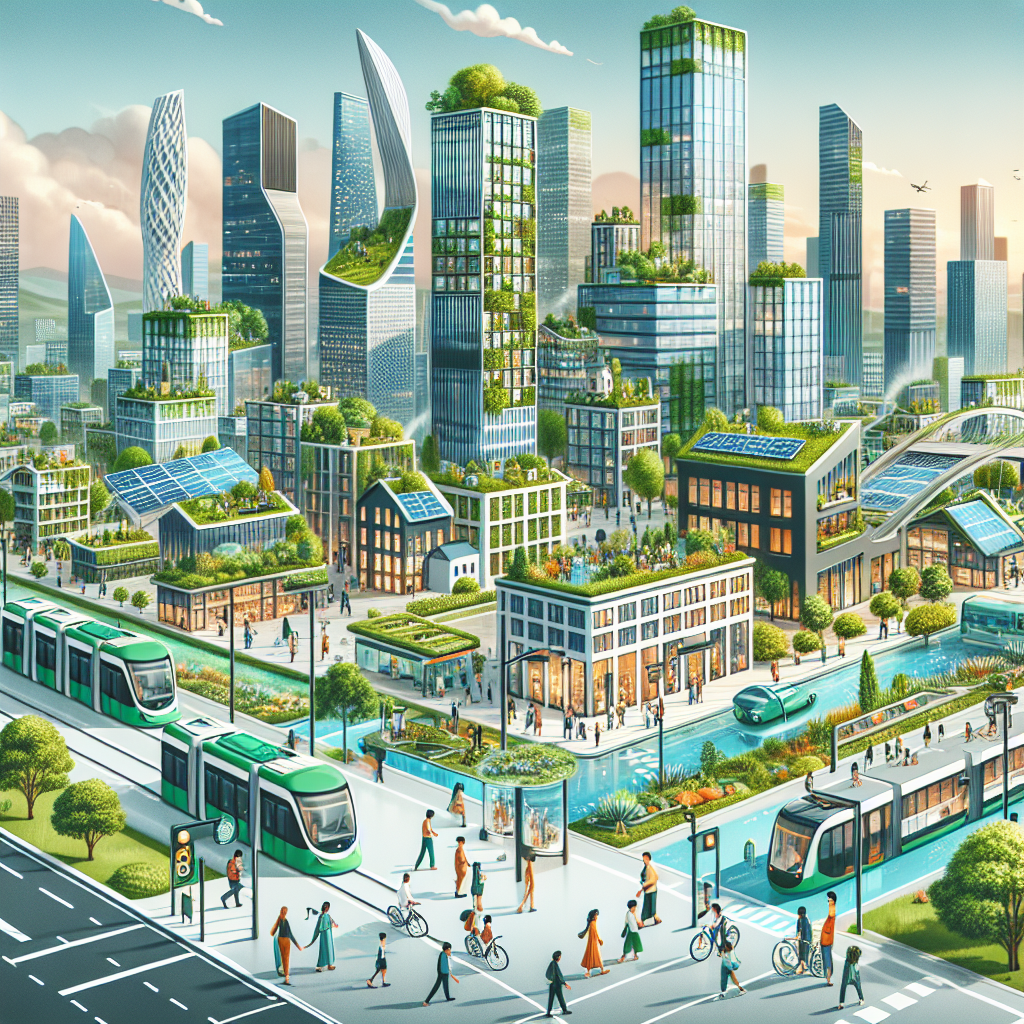
Adaptation measures include creating green infrastructure such as parks, green roofs, and urban forests that can absorb excess rainfall, reduce heat, and promote biodiversity. Coastal cities may construct sea walls, elevate buildings, and restore wetlands to protect against rising sea levels and storm surges. Additionally, integrating climate risk assessments into urban planning can help identify vulnerable areas and prioritize actions to bolster resilience.
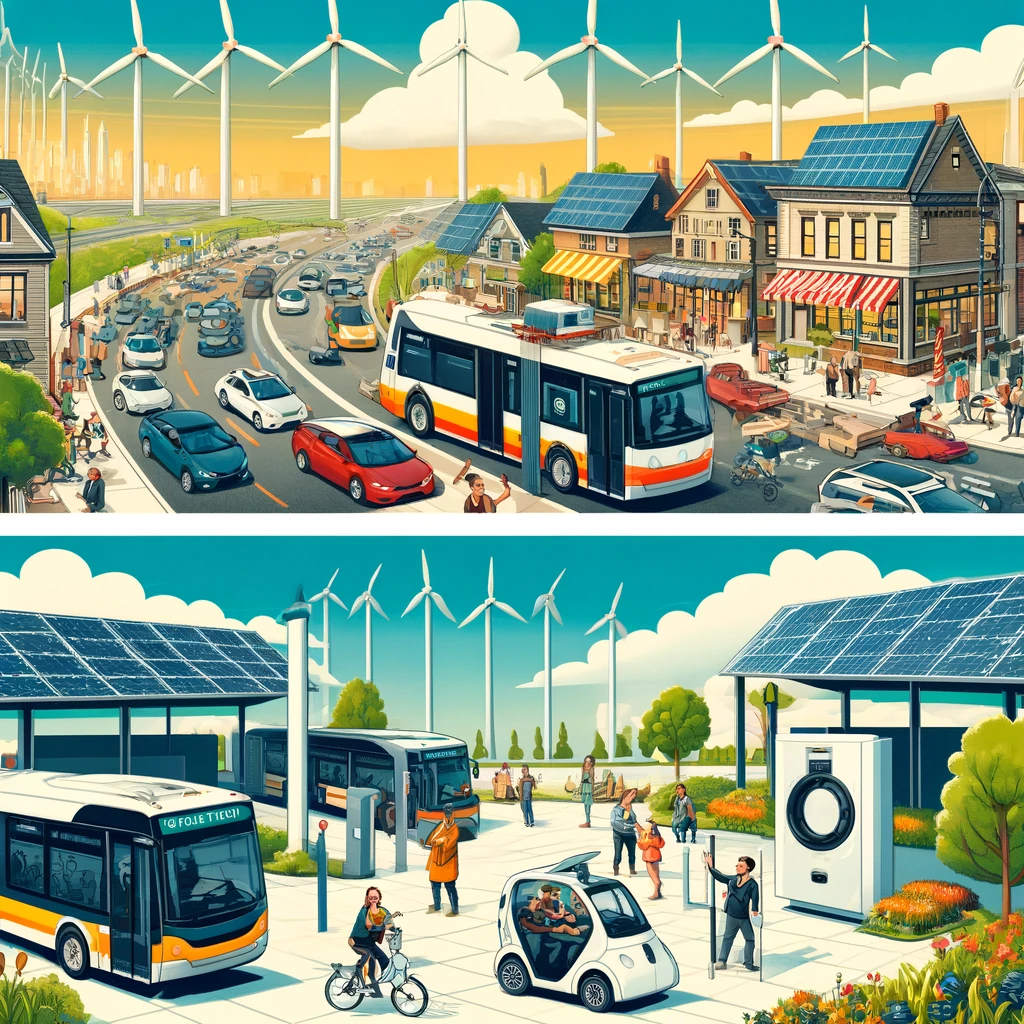
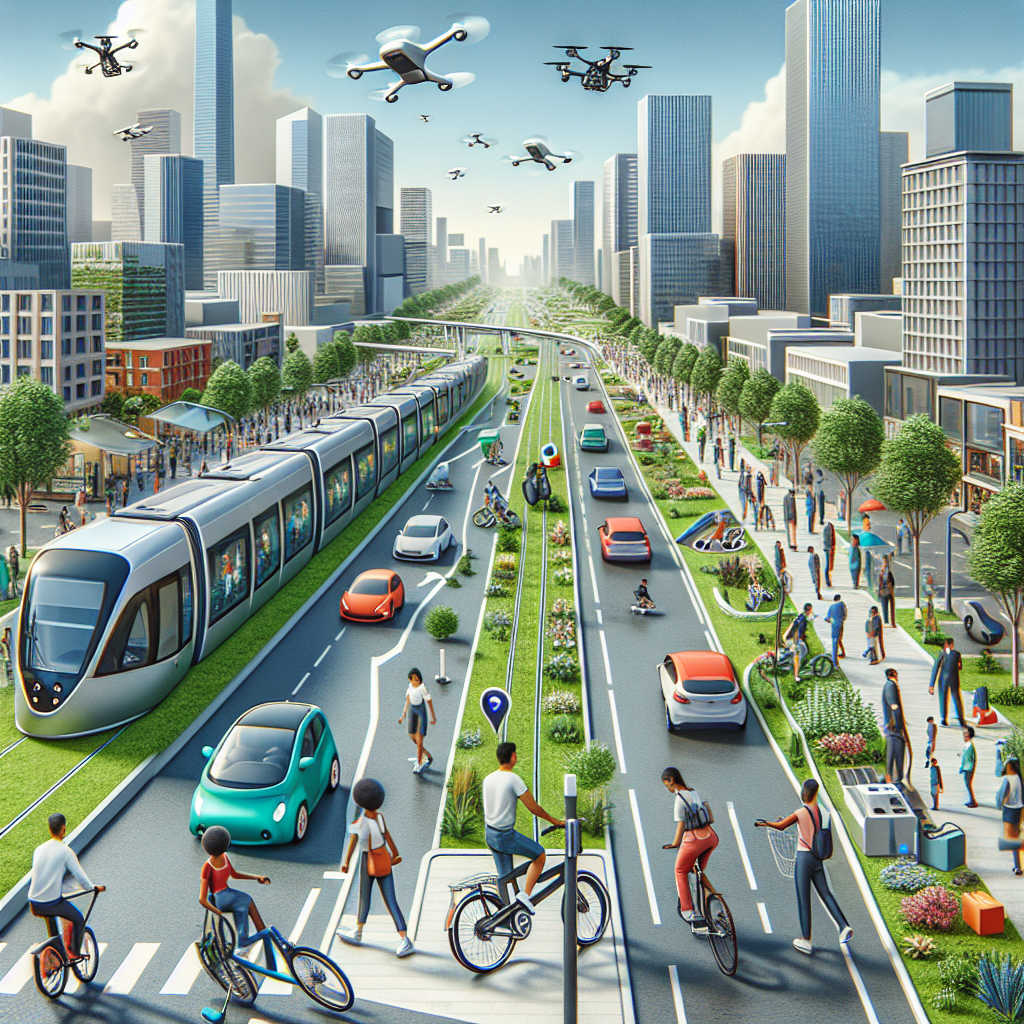
On the mitigation side, cities can transition to renewable energy sources, promote energy efficiency, and implement low-carbon transportation systems. Incentivizing the use of electric vehicles, enhancing public transit networks, and developing bike-friendly infrastructure can reduce urban carbon footprints. By embedding climate adaptation and mitigation into urban planning, cities can safeguard against climate-induced disruptions and contribute to global sustainability efforts.
Robust Infrastructure Systems
Resilient infrastructure is the backbone of urban resilience. Infrastructure systems, including transportation, water supply, energy grids, and communication networks, must be designed to withstand and recover from disruptions. This involves upgrading existing infrastructure and building new systems that are flexible and resilient.
For example, resilient transportation systems should provide multiple modes of transport and be adaptable to changes. Robust road and rail networks, reliable public transit systems, and walkable streets can ensure continued mobility during and after crises. Water infrastructure should be designed to prevent flooding, ensure clean water supply, and support stormwater management.
Energy infrastructure needs to be diversified and decentralized to prevent widespread outages. Renewable energy sources such as solar, wind, and hydropower can provide reliable, sustainable power. Smart grids can enhance energy efficiency, distribute power more effectively, and quickly respond to disruptions. Robust communication networks are also critical for coordinating emergency responses and keeping the public informed during crises.
Investing in resilient infrastructure not only prepares cities for disasters but also improves everyday urban functioning. Cities must prioritize infrastructure projects that enhance resilience to build strong, adaptive urban environments.
Fostering Social Inclusivity and Equity
Social inclusivity and equity are vital components of urban resilience. Resilient cities must support all residents, including vulnerable populations, to ensure cohesion and collective recovery from adversities. Disparities in access to resources, services, and opportunities can exacerbate the impacts of shocks and stresses on marginalized communities.
Inclusive urban planning involves ensuring that all residents have access to quality housing, healthcare, education, and employment opportunities. Affordable housing initiatives, accessible public services, and community engagement programs promote social equity and cohesion. Cities can implement policies to protect low-income communities from displacement and involve them in decision-making processes.
Communities that are well-connected and engaged are better able to withstand crises. Social networks provide support systems during emergencies, enabling quicker recovery. Building strong, inclusive communities through participatory planning, neighborhood organizations, and social programs enhances urban resilience. Social inclusivity ensures that all residents can contribute to and benefit from resilience strategies, creating more equitable urban environments.
Economic Responsiveness and Diversity
Economic resilience is crucial for sustainable urban development. Cities with diverse, adaptable economies can better withstand economic shocks and recover more quickly. Economic strategies should promote innovation, entrepreneurship, and workforce development to build resilient urban economies.
Diversifying the economic base reduces dependence on any single industry, making cities more resilient to sector-specific downturns. Supporting small and medium-sized enterprises, encouraging the growth of new industries, and fostering a culture of innovation can create a robust, adaptable economic environment. Workforce development programs can provide residents with skills needed for emerging industries, promoting economic mobility and resilience.
Resilient economic planning also involves creating financial safety nets and support systems for businesses and workers during crises. This includes emergency funding, business continuity planning, and social protection programs. By developing flexible, diverse economies, cities can ensure economic stability and growth even in the face of disruptions.
Conclusion
Urban resilience is a cornerstone of sustainable urban development, essential for cities to thrive in the face of climate change, economic disruptions, and social challenges. By understanding and implementing multi-dimensional resilience strategies, cities can create environments that support their populations through both everyday living and extraordinary events.
Integrating climate adaptation and mitigation measures, investing in robust infrastructure, promoting social inclusivity, and fostering diverse economies are key elements of resilient urban planning. These strategies not only prepare cities for adverse events but also enhance overall urban quality of life.
As cities continue to grow and evolve, embedding resilience into urban planning processes will ensure sustainable development and equitable urban spaces. Policymakers, planners, and communities must collaborate to create resilient cities that are capable of adapting, recovering, and thriving amid the complex challenges of the 21st century.
Frequently Asked Questions
1. What is urban resilience and why is it important in sustainable planning?
Urban resilience refers to the ability of cities and their components – including their systems, communities, cultures, and economies – to withstand, adapt to, and recover from a variety of economic, environmental, and social challenges. It is crucial in sustainable planning because modern cities are continuously exposed to potential disruptions, from natural disasters and climate change-related events to economic shocks and social inequalities. By integrating resilience into urban planning, cities can ensure that they are not only developing in an environmentally and socially responsible manner but are also equipped to manage unforeseen events. This proactive approach reduces vulnerability, minimizes potential damages, and ensures that a city can quickly return to normal operations or even thrive in the altered conditions. Urban resilience provides the framework that supports cities in becoming more adaptable, sustainable, and ultimately, livable.
2. How does urban resilience integrate with environmental sustainability efforts?
Urban resilience and environmental sustainability are closely interlinked, with each supporting the other in multiple ways. Urban resilience efforts often focus on sustainable infrastructure, renewable energy sources, and green spaces. For instance, incorporating green infrastructure like parks or green roofs not only provides ecological benefits but also equips a city with natural mechanisms to manage stormwater, reduce heat, and increase biodiversity, all of which contribute to resilience. Moreover, promoting energy-efficient buildings and low-carbon public transport options supports both environmental sustainability by reducing emissions and resilience by creating a robust, self-sufficient urban ecosystem. By addressing climate risks head-on and adopting sustainable practices, urban areas can enhance their resilience by reducing dependency on resource-intensive systems and decreasing susceptibility to climate-induced disruptions.
3. What roles do local communities play in enhancing urban resilience?
The role of local communities in enhancing urban resilience is pivotal as communities are often the first to be impacted by and respond to urban disruptions. Community involvement in planning processes ensures that the specific needs, vulnerabilities, and capacities of residents are recognized and addressed in resilience strategies. A community that is engaged and informed is more likely to work toward collective solutions and take proactive steps in preparation for emergencies. Additionally, strong social networks within communities can act as safety nets, providing support and resources during times of crisis. Urban planners can enhance resilience by fostering community cohesion through participatory planning, resilience education programs, and by supporting community-led initiatives that improve neighborhood preparedness and adaptability. Empowering communities to have a say in their development not only boosts resilience but also strengthens the overall fabric of urban life.
4. What strategies are typically used by urban planners to boost a city’s resilience?
Urban planners employ a range of strategies to boost a city’s resilience. Some key strategies include diversifying the economy to reduce dependency on single industries and thereby buffer against economic shocks; modernizing infrastructure to cope with environmental and climate risks; and implementing zoning laws that manage population density to prevent overburdening resources. Additionally, urban planners often prioritize the development of multi-functional spaces that serve both recreational and practical resilience functions, such as flood management. Investment in early warning systems and crisis communication plans is also a critical part of resilience strategies, ensuring that city officials and the general public can better prepare for and respond to emergencies. Urban planners also consider long-term resilience by integrating adaptability into policy-making and regularly revising and updating resilience plans to address new challenges and technologies as they arise. These strategies collectively prepare urban areas to face and surmount various challenges with agility and foresight.
5. How does urban resilience contribute to reducing social inequalities?
Urban resilience directly contributes to reducing social inequalities by emphasizing inclusivity in resilience planning, ensuring that the needs of vulnerable and marginalized populations are addressed. Resilience planning often involves identifying and prioritizing areas and communities that are more susceptible to risks, such as low-income neighborhoods or densely populated informal settlements, and directing resources to improve infrastructure, access to services, and economic opportunities in those areas. This approach helps to mitigate the disproportionate impacts of disruptions that these communities often face. Furthermore, by fostering equitable access to resources, education, and employment through participatory governance and social investment programs, urban resilience efforts work to reduce disparities and empower all residents to thrive in the face of challenges. This kind of systemic approach not only enhances the entire city’s resilience but ensures that progress is made toward a more equitable society where everyone has a fair chance to succeed in the urban environment.