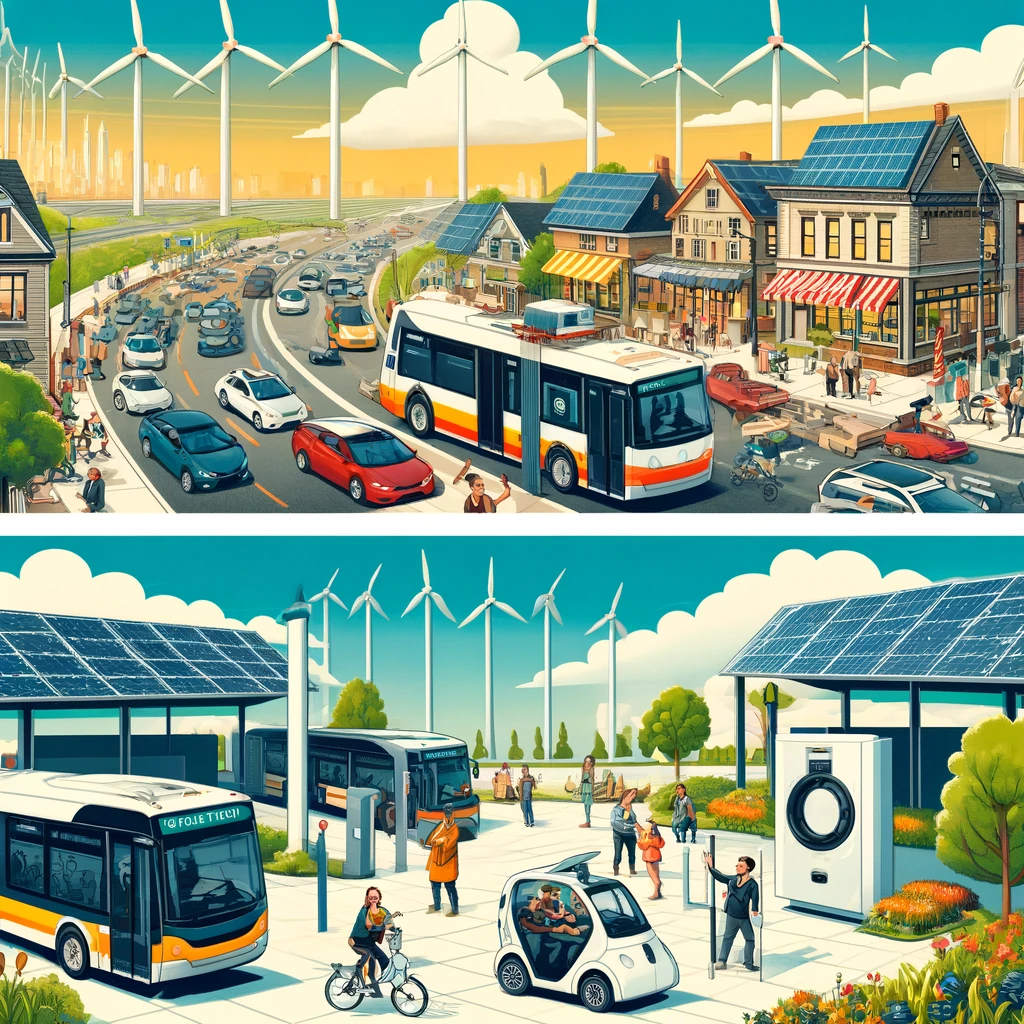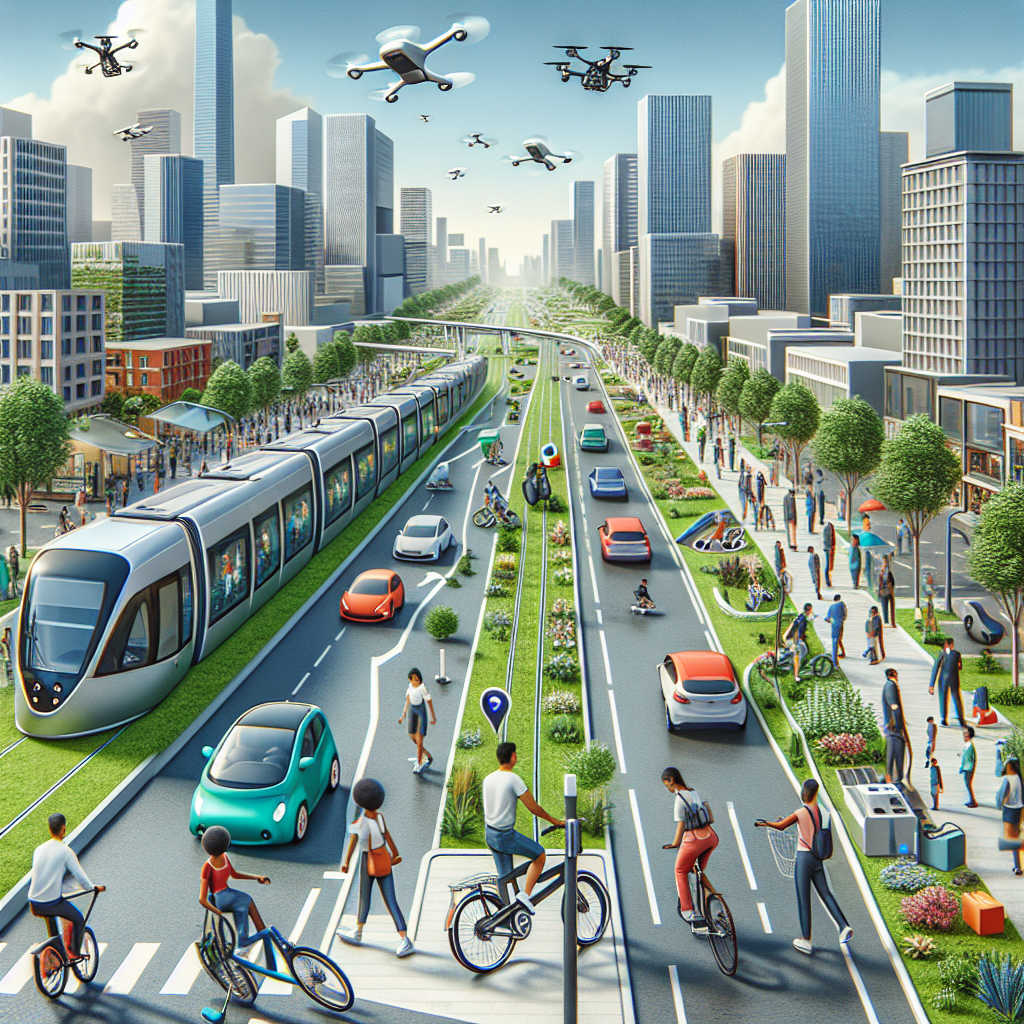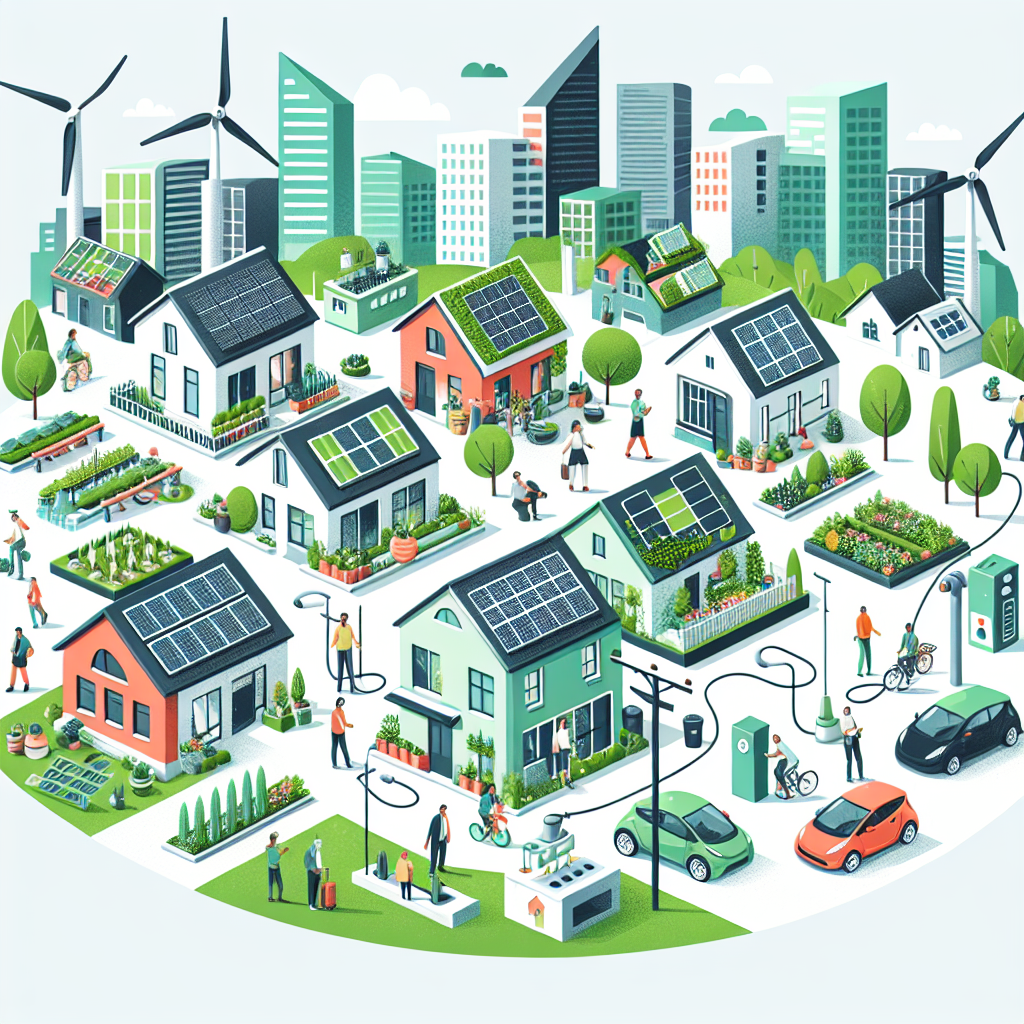
The rapid growth of urban areas has led to a corresponding increase in energy demand and carbon emissions. The interplay between housing and energy consumption is one of the critical factors contributing to urban carbon footprints. As more people globally migrate to cities, the need for sustainable urban development becomes more evident. Energy-efficient housing stands at the forefront of this initiative, aiming not only to reduce energy consumption but also to improve the quality of urban life. In this comprehensive article, we delve into the importance of energy-efficient housing, exploring various strategies, technologies, and benefits associated with its implementation in urban areas. Let’s embark on this journey to understand how energy-efficient housing can help us build a more sustainable future.
The Importance of Energy-Efficient Housing
Understanding the importance of energy-efficient housing is crucial for the future of urban development. At its core, energy-efficient housing involves designing and constructing homes that use less energy for heating, cooling, and other necessities without compromising comfort. This approach is a significant step towards mitigating climate change, as residential buildings are among the largest consumers of energy in urban areas. The benefits extend beyond environmental impacts, including economic savings for homeowners and enhanced overall well-being.
With buildings accounting for nearly 40% of global energy consumption, transitioning to energy-efficient housing can result in substantial reductions in greenhouse gas emissions. This shift is particularly urgent given the predictions of rapid urbanization in the coming decades. Cities worldwide are starting to recognize this and are exploring ways to incorporate energy-efficient measures into their housing policies and construction practices. Embracing these changes is essential not just for environmental sustainability but also for creating resilient and healthier urban ecosystems.
Key Strategies for Implementing Energy-Efficient Housing
Adopting energy-efficient housing requires a multi-faceted approach, integrating various strategies into the planning, design, and construction processes. One fundamental strategy is optimizing the building envelope – this includes insulation, windows, and doors to minimize energy loss. High-performance insulation can significantly reduce the need for artificial heating and cooling, while energy-efficient windows can help maintain indoor temperatures by reducing heat transfer. Further, passive solar design is another effective strategy. It involves orienting buildings to maximize natural light and heat during the colder months and providing shade during hotter months. This design reduces reliance on artificial heating and cooling systems, subsequently lowering energy consumption. Additionally, integrating renewable energy sources, such as solar panels, can drastically cut down on the carbon footprint of residential buildings. Energy-efficient appliances and systems, such as LED lighting, high-efficiency HVAC systems, and smart home technologies, also contribute to reducing overall energy usage. Lastly, incorporating green building materials that have lower embodied energy (the total energy required to produce them) significantly reduces the environmental impact of construction activities.
Innovative Technologies in Energy-Efficient Housing
Technological advancements have played a pivotal role in propelling energy-efficient housing to the forefront of sustainable urban development. Smart home technologies, for example, allow homeowners to monitor and control energy usage more effectively. These systems include smart thermostats, which learn user preferences and optimize heating and cooling, and advanced lighting systems that adjust based on occupancy and natural light availability. The rise of the Internet of Things (IoT) has further enhanced the capability to manage energy consumption. IoT devices can communicate with each other, providing seamless integration of different systems within the home for optimal energy management. For instance, smart meters provide real-time data on energy usage, enabling homeowners to make informed decisions on reducing consumption. In addition, advancements in building materials have been instrumental. For example, phase-change materials, which store and release thermal energy, can help regulate indoor temperatures naturally. Similarly, vacuum insulation panels offer superior insulation properties compared to traditional materials, further enhancing the energy efficiency of homes.
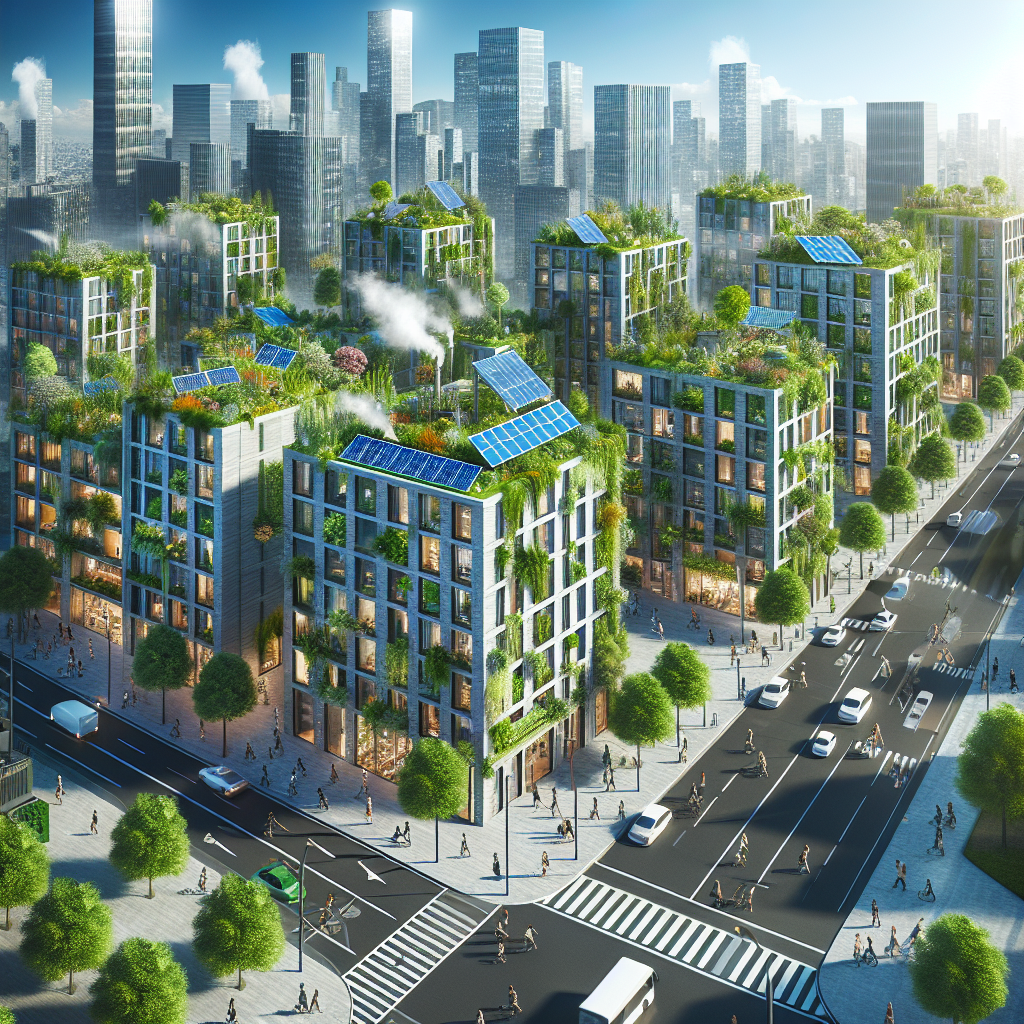
The Role of Government and Policy in Promoting Energy-Efficient Housing
Government policies and incentives play a crucial role in promoting the adoption of energy-efficient housing. By setting stringent building codes and standards, governments can ensure that new constructions meet specific energy performance criteria. These regulations often include requirements for insulation, window performance, and integration of renewable energy systems, among others. Incentivizing homeowners and builders through subsidies, tax credits, and rebates for energy-efficient upgrades is another effective approach. These financial incentives can significantly offset the initial costs associated with implementing energy-efficient measures, making them more accessible to a broader population. Furthermore, governments can support research and development in energy-efficient technologies and construction practices. This can lead to innovations that make energy-efficient housing more viable and cost-effective. Public awareness campaigns and educational programs also play an essential role in informing citizens about the benefits of energy-efficient housing and how they can contribute to reducing urban carbon footprints.
Case Studies: Successful Implementation of Energy-Efficient Housing
Examining case studies of successful energy-efficient housing projects provides valuable insights into practical implementation and benefits. One notable example is the BedZED (Beddington Zero Energy Development) in London, UK. This mixed-use development incorporates numerous energy-efficient features, including passive solar heating, high levels of insulation, and on-site renewable energy generation. BedZED has inspired similar projects worldwide and demonstrated that energy-efficient housing can provide comfortable, affordable living spaces while significantly reducing carbon footprints. Another example is the Hamburg’s HafenCity district in Germany, which has integrated energy-efficient housing as part of its sustainable urban development strategy. The district features buildings with high energy performance, extensive green spaces, and efficient public transportation systems, creating a holistic approach to sustainability. In the United States, the state of California has been at the forefront of promoting energy-efficient housing through its Title 24 building energy efficiency standards. These standards have led to widespread adoption of energy-efficient practices in residential construction, contributing to the state’s ambitious climate goals.
Challenges in Implementing Energy-Efficient Housing
Despite the apparent benefits, several challenges exist in implementing energy-efficient housing on a wide scale. One significant challenge is the higher upfront cost of energy-efficient technologies and building materials. While these costs are often offset by long-term savings, the initial investment can be a barrier for many homeowners and developers. Moreover, there is often a lack of awareness and knowledge about energy-efficient practices among builders, homeowners, and policymakers. This gap can lead to resistance or inadequate implementation of energy-efficient measures. Educational programs and training for all stakeholders involved in housing construction and management are essential to overcoming these barriers. Additionally, retrofitting existing structures to meet energy-efficient standards can be particularly challenging. Older buildings may require extensive renovations, which can be costly and complex. Developing cost-effective and less disruptive retrofitting techniques is crucial to enhancing the energy efficiency of existing housing stock.
Conclusion: Building a Sustainable Future
Energy-efficient housing presents a viable pathway towards reducing urban carbon footprints and building sustainable cities of the future. The combination of strategic planning, innovative technologies, supportive policies, and public awareness is critical to realizing the full potential of energy-efficient housing. While challenges remain, the benefits of reduced energy consumption, lower carbon emissions, and improved quality of life make it an essential component of urban development. As cities continue to grow, embracing energy-efficient housing will be crucial in addressing the environmental challenges posed by urbanization. By prioritizing sustainability in housing development, we can create urban environments that not only meet the needs of today’s residents but also preserve resources and opportunities for future generations. Ultimately, energy-efficient housing is more than just a trend; it is a necessary evolution in how we think about building and living in urban spaces. Through continued innovation, policy support, and community engagement, we can pave the way for healthier, more resilient cities that stand the test of time. Let us commit to integrating energy-efficient housing into our urban planning strategies and work collectively towards a sustainable future.
Frequently Asked Questions
1. What is energy-efficient housing and how does it help reduce urban carbon footprints?
Energy-efficient housing refers to homes designed or retrofitted to consume less energy while maintaining or improving the comfort and living standards of the occupants. These homes utilize innovative technologies, sustainable materials, and smart design strategies to minimize energy consumption, which significantly reduces their carbon emissions. By incorporating features such as improved insulation, high-efficiency heating and cooling systems, solar panels, and energy-saving appliances, these houses require less power from non-renewable sources, thereby reducing carbon footprints. As cities grow, the energy demand increases, so energy-efficient housing plays a crucial role in mitigating the associated environmental impact. In essence, this approach not only contributes to environmental sustainability but also leads to significant cost savings for homeowners over time.
2. How do energy-efficient homes contribute to improved air quality within urban areas?
Energy-efficient homes often prioritize better indoor air quality as part of their design. This is achieved through ventilation systems that introduce fresh air while maintaining energy efficiency. For instance, heat recovery ventilators (HRVs) or energy recovery ventilators (ERVs) are commonly used in these homes to continuously exchange stale indoor air with fresh outdoor air while minimizing energy losses. Alongside this, by reducing reliance on fossil fuels for heating and cooling, less air pollution is produced, which contributes to better overall air quality in urban areas. Additionally, energy-efficient homes tend to minimize the use of volatile organic compounds (VOCs) in building materials and finishes, contributing further to a healthier indoor environment.
3. In what ways does energy-efficient housing impact the quality of life for urban residents?
Energy-efficient housing significantly enhances the quality of life for urban residents in numerous ways. Firstly, it provides better thermal comfort, with consistent and manageable indoor temperatures year-round, thanks to effective insulation and efficient heating/cooling systems. Secondly, these homes offer a healthier living environment due to improved ventilation and reduced exposure to harmful pollutants. Furthermore, residents typically experience lower utility bills, thanks to reduced energy consumption, which alleviates financial stress. Energy-efficient homes are also often quieter thanks to enhanced insulation and building practices that minimize noise pollution. Collectively, these benefits contribute to a higher standard of living and well-being for urban dwellers.
4. What are some common strategies and technologies used in creating energy-efficient homes?
There are several strategies and technologies commonly employed in the creation of energy-efficient homes. Passive solar design is a key strategy, involving the orientation of the building and the use of materials with high thermal mass to naturally regulate indoor temperatures. High-performance windows and advanced framing techniques also play critical roles in minimizing heat loss and gain. In terms of technology, highly efficient HVAC systems, possibly paired with programmable thermostats, ensure optimal climate control with minimal energy use. Incorporating renewable energy sources, such as solar photovoltaic panels, further supports efficiency by generating clean energy. Additionally, sustainable materials with low embodied energy are often used in construction to further reduce the carbon footprint. Smart home technology can also integrate various systems to optimize energy usage continuously and adaptively.
5. Can energy-efficient housing be affordable for the average urban resident, and how can this be achieved?
Yes, energy-efficient housing can be made affordable for the average urban resident. Initially, the construction or retrofitting of an energy-efficient home may seem more expensive due to the higher cost of certain materials or technologies. However, this initial investment is often offset by long-term savings in energy costs. There are several ways to make these homes more accessible. Government programs and incentives, such as tax credits or grants for energy-efficient upgrades, can lower costs for homeowners. Additionally, as demand for these technologies increases, their prices tend to drop, making them more affordable over time. Non-profit organizations and cooperative housing projects are also stepping in to develop energy-efficient housing solutions for low-income families. By prioritizing sustainable urban planning and including energy-efficient housing within zoning codes and building regulations, cities can foster broader access to these homes, thereby making them a viable choice for a larger segment of the population.