As the world continues to urbanize at an unprecedented rate, sustainable urban development has emerged as a critical solution to many environmental challenges. Urban areas are responsible for a significant portion of global energy consumption and greenhouse gas emissions, which makes the way we plan and develop our cities incredibly important. Sustainable urban development not only focuses on reducing the environmental impacts of urban areas but also emphasizes enhancing the overall quality of life for its residents.
One integral aspect of sustainable urban development is the integration of urban biodiversity. Urban biodiversity refers to the variety of living organisms found within urban areas, including plants, animals, and microorganisms. This biodiversity is crucial for maintaining ecosystem services that contribute to human well-being, such as air and water purification, temperature regulation, and recreational opportunities. In essence, protecting and promoting urban biodiversity is fundamental to achieving truly sustainable cities.
The following sections will delve into the various components and benefits of sustainable urban development and urban biodiversity. By understanding these concepts better, we can appreciate the interconnectedness of human life and natural ecosystems within urban settings, and advocate for practices that ensure a healthier, more sustainable future for our cities.
The Importance of Urban Biodiversity
Urban biodiversity plays a pivotal role in creating resilient and sustainable urban environments. The presence of diverse species in cities can directly impact the health and well-being of urban residents. Green spaces, such as parks and community gardens, provide habitats for wildlife while offering recreational and mental health benefits for people.
Biodiversity in urban areas also supports essential ecosystem services. For example, trees and other vegetation help in reducing air pollution, moderating urban heat islands, and managing stormwater. Biodiverse landscapes can also enhance the aesthetic appeal of urban settings, making them more attractive places to live and work.
Moreover, urban biodiversity contributes to food security through urban agriculture initiatives, including community gardens and rooftop farms. These projects not only provide fresh produce to city dwellers but also promote community engagement and educational opportunities about sustainable practices.
However, maintaining and enhancing urban biodiversity requires thoughtful planning and management. It involves creating green infrastructures, such as green roofs and walls, and preserving natural habitats amid urban development pressures. Effective urban planning must strike a balance between development and conservation to ensure that biodiversity continues to thrive in urban settings.
Elements of Sustainable Urban Development
Sustainable urban development encompasses a variety of strategies and practices aimed at creating environmentally friendly, economically viable, and socially inclusive cities. Key elements of sustainable urban development include:
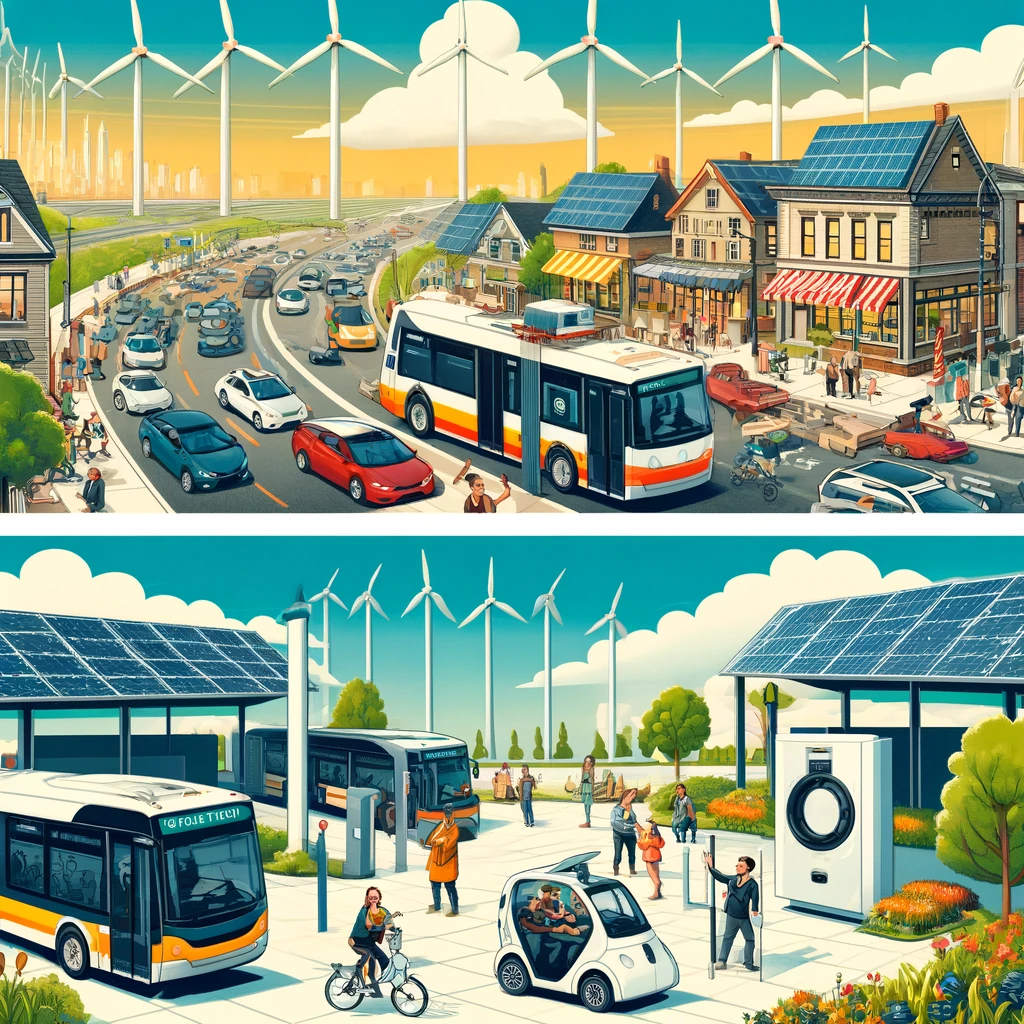
- Green Building: Incorporating sustainable design principles in construction to reduce energy consumption, minimize waste, and lower carbon footprints. This includes the use of renewable energy sources, efficient water management systems, and the use of sustainable building materials.
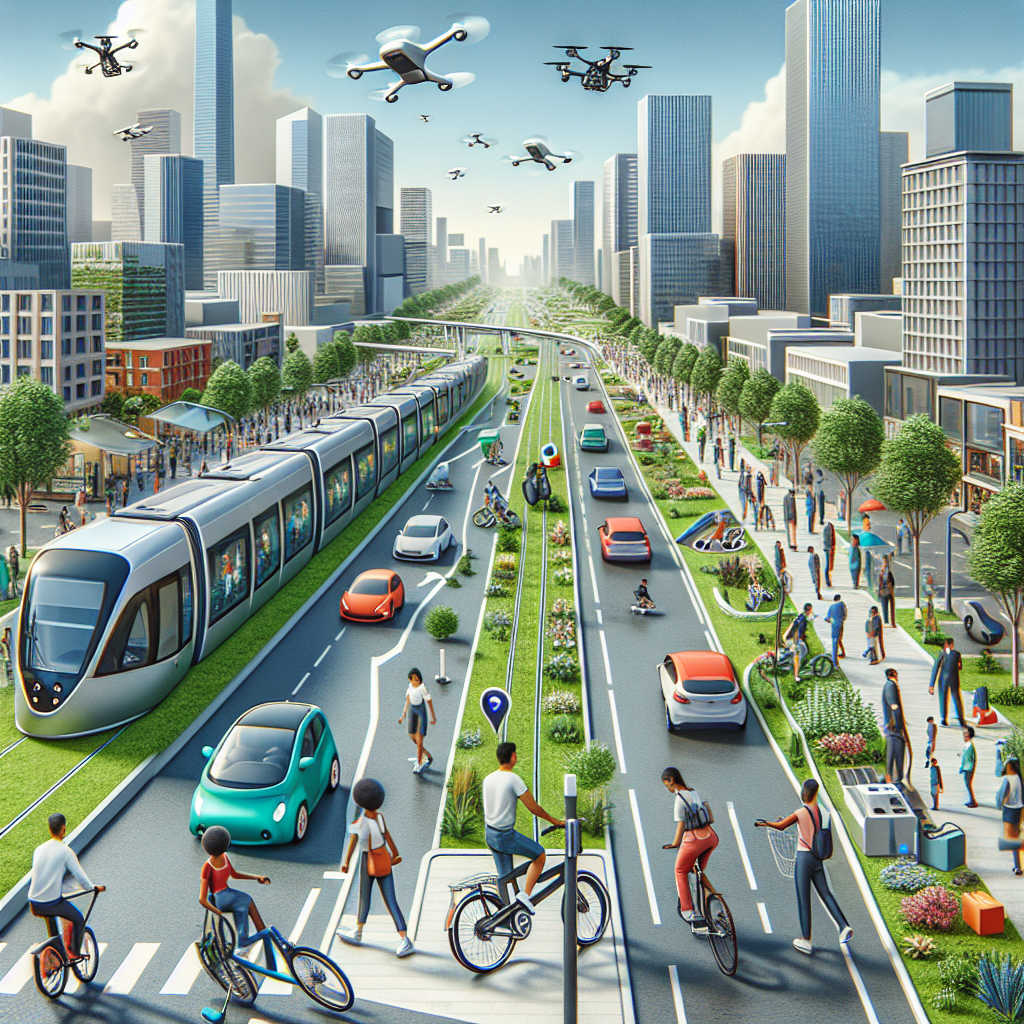
- Transportation Infrastructure: Developing extensive public transportation networks, promoting non-motorized transport options like cycling and walking, and reducing reliance on private cars, thereby lowering emissions and improving air quality.
- Land Use Planning: Efficient land use planning prevents urban sprawl, preserves green spaces, and encourages higher density living while ensuring access to amenities and services. Smart growth principles guide the development of mixed-use areas that reduce the need for lengthy commutes.
- Waste Management: Implementing effective waste management strategies, such as recycling programs, composting, and waste-to-energy technologies, to reduce the amount of waste ending up in landfills and incinerators.
- Water Management: Utilizing innovative water management practices to ensure sustainable water supply and quality. This includes rainwater harvesting, greywater recycling, and the construction of permeable surfaces to reduce runoff and recharge groundwater.
These elements work together to create urban environments that are not only sustainable but also livable for current and future generations. Integrating these practices into urban planning requires a holistic approach and collaboration among government agencies, private sector entities, and civil society.

Challenges and Barriers
Despite the clear benefits of sustainable urban development and urban biodiversity, there are several challenges and barriers that need to be addressed. One of the primary obstacles is the lack of awareness and understanding among policymakers, developers, and the public about the importance of these issues.
Financial constraints also pose a significant challenge. Sustainable practices often require initial investments that can be higher than conventional methods. However, the long-term benefits and cost savings associated with reduced energy consumption and environmental impacts often outweigh the initial costs.
Regulatory and institutional barriers can hinder the implementation of sustainable urban development initiatives. In many cases, existing policies and regulations do not adequately support or incentivize sustainable practices. Streamlining regulatory frameworks and providing incentives for green projects can help overcome these obstacles.
Furthermore, there is a need for improved data collection and monitoring to track the progress and effectiveness of sustainable urban development initiatives. Reliable data can inform decision-making processes and ensure that strategies are adaptive and responsive to changing conditions and emerging challenges.
Case Studies of Successful Initiatives
Several cities around the world have made significant strides in sustainable urban development and enhancing urban biodiversity. These case studies highlight successful initiatives that can serve as models for other urban areas:
- Curitiba, Brazil: Known for its innovative urban planning, Curitiba has implemented a comprehensive public transportation system that has significantly reduced traffic congestion and emissions. The city also boasts extensive green spaces and parks, contributing to urban biodiversity.
- Singapore: Singapore has integrated green infrastructure into its urban landscape, including green roofs, vertical gardens, and nature reserves. The city-state’s Sustainable Development Blueprint guides its efforts to improve energy efficiency, water management, and environmental quality.
- Vancouver, Canada: Vancouver’s Greenest City Action Plan aims to make the city the greenest in the world by 2020. The plan includes measures to reduce carbon emissions, increase green spaces, and enhance local food production through urban agriculture.
- Copenhagen, Denmark: Copenhagen’s ambitious climate plan aims to become carbon-neutral by 2025. The city’s focus on cycling infrastructure, renewable energy, and green building practices has positioned it as a leading example of sustainable urban development.
These cities demonstrate that with vision, commitment, and collaboration, it is possible to create urban environments that are both sustainable and biodiverse. Their success stories provide valuable lessons and inspiration for other cities aiming to achieve similar goals.
The Role of Community Engagement
Community engagement is a crucial component of sustainable urban development and urban biodiversity initiatives. Empowering residents to participate in planning and decision-making processes ensures that development projects reflect the needs and priorities of the community.
Engaging the community in sustainability efforts can take various forms, including public consultations, participatory planning workshops, and educational programs. These activities not only raise awareness about the importance of sustainable practices but also foster a sense of ownership and responsibility among residents.
Local community organizations, non-profits, and grassroots movements play a vital role in advocating for sustainable urban development. These groups often serve as catalysts for change, mobilizing resources and driving initiatives that promote urban biodiversity and sustainability.
Furthermore, community-driven projects, such as urban gardens, tree planting campaigns, and local conservation efforts, demonstrate the power of collective action. When communities come together to achieve common goals, they can create lasting positive impacts on their urban environments.
Conclusion
Sustainable urban development and urban biodiversity are indispensable elements of creating livable, resilient, and thriving cities. By prioritizing green building, efficient transportation, smart land use, and effective waste and water management, cities can significantly reduce their environmental footprint while enhancing the quality of life for their residents.
Integrating urban biodiversity into city planning helps maintain vital ecosystem services, supports human health and well-being, and fosters a deeper connection between people and nature. While challenges and barriers remain, the success stories of cities like Curitiba, Singapore, Vancouver, and Copenhagen show that sustainable urban development is achievable with commitment and collaborative efforts.
As we move forward, it is essential to continue raising awareness, fostering community engagement, and advocating for policies and practices that promote sustainability and biodiversity. By doing so, we can create urban landscapes that not only meet the needs of today but also ensure a healthy and prosperous future for generations to come.
Remember, sustainable urban development and urban biodiversity are not just about creating green spaces and reducing emissions. They are about rethinking our relationship with the environment and building cities that are harmonious with nature. Together, we have the power to transform our urban environments for the better.
Frequently Asked Questions
1. What is sustainable urban development, and why is it important?
Sustainable urban development is the process of designing and managing cities in a way that balances social, economic, and environmental needs. It strives to create urban areas where people can thrive in harmony with the environment. This approach is essential as it directly addresses the challenges posed by rapid urbanization, such as pollution, resource depletion, and inequity. Cities are major sources of energy consumption and greenhouse gas emissions, so the way we develop them can significantly impact global environmental health. Sustainable development ensures that urban growth does not come at the expense of future generations, improving quality of life through better air quality, green spaces, efficient public transportation, and resilience against climate change. It means building spaces and communities that are pleasant and inclusive for all residents.
2. How does urban biodiversity fit into sustainable urban development?
Urban biodiversity is a vital component of sustainable urban development. Biodiversity in cities refers to the plant and animal life that adapts and thrives in urban environments. Integrating biodiversity into urban planning helps enhance ecosystem services, such as air and water purification, temperature regulation, and cultural and recreational opportunities. By preserving and promoting natural habitats within urban settings, cities can mitigate environmental impacts, support species conservation, and foster a connection between residents and nature. Urban biodiversity also contributes to a more resilient urban ecosystem that can adapt to and withstand changes in the environment, including the effects of climate change. Cities often design nature-focused projects like community gardens, green roofs, and urban parks to balance built and natural environments, providing habitat for species that, in turn, enrich urban life.
3. In what ways can cities implement sustainable urban development practices?
Cities can implement sustainable urban development through various practices. One significant approach is improving energy efficiency in buildings and infrastructure. This can be done by integrating green building technologies and standards, like the Leadership in Energy and Environmental Design (LEED) certifications. Another way is to enhance public transportation systems, making them more accessible, affordable, and environmentally friendly to reduce reliance on cars. Introducing initiatives such as bike-sharing programs and electric buses can make a substantial difference. Urban agriculture, green spaces, and the planting of street trees can also be incorporated to promote biodiversity and reduce urban heat. Furthermore, sustainable waste management systems, including recycling and composting, and the development of smart technologies for water and energy conservation, are essential practices that cities around the world can adopt to promote sustainability.
4. What are the challenges associated with sustainable urban development?
Implementing sustainable urban development comes with several challenges. One of the primary challenges is the financial aspect, as sustainable infrastructure and technology often require significant initial investment. This can be a deterrent for cities with limited budgets. Another challenge is the absence of political will and policy frameworks supporting long-term sustainability goals. There can be conflicts between economic growth objectives and sustainable development practices, leading to resistance from stakeholders interested in short-term gains. Additionally, public awareness and education are often insufficient, requiring efforts to shift mindsets toward valuing sustainability for the common good. Finally, retrofitting existing urban environments to meet sustainable standards can be complicated and resource-intensive, posing barriers to widespread implementation. Overcoming these challenges requires a concerted effort from government, private sector, non-profit organizations, and citizens alike.
5. How can individuals contribute to sustainable urban development?
Individuals play a crucial role in fostering sustainable urban development, notably through lifestyle choices and community engagement. By opting for public transportation, walking, or cycling instead of driving, people can minimize their carbon footprint. Advocating for and participating in local sustainability initiatives, such as community gardens, waste reduction programs, and local clean-up events, helps enhance urban biodiversity and reduce pollution. Individuals can also influence sustainability by supporting policies and leaders committed to environmental stewardship and social equity. On a personal level, reducing energy consumption at home, choosing sustainable products, and practicing recycling and composting can significantly contribute to the broader goals of urban sustainability. Education and awareness are equally important; informed citizens who understand the importance of sustainable cities can make better choices and advocate for systemic changes.