Introduction to Community Development and Urban Sprawl
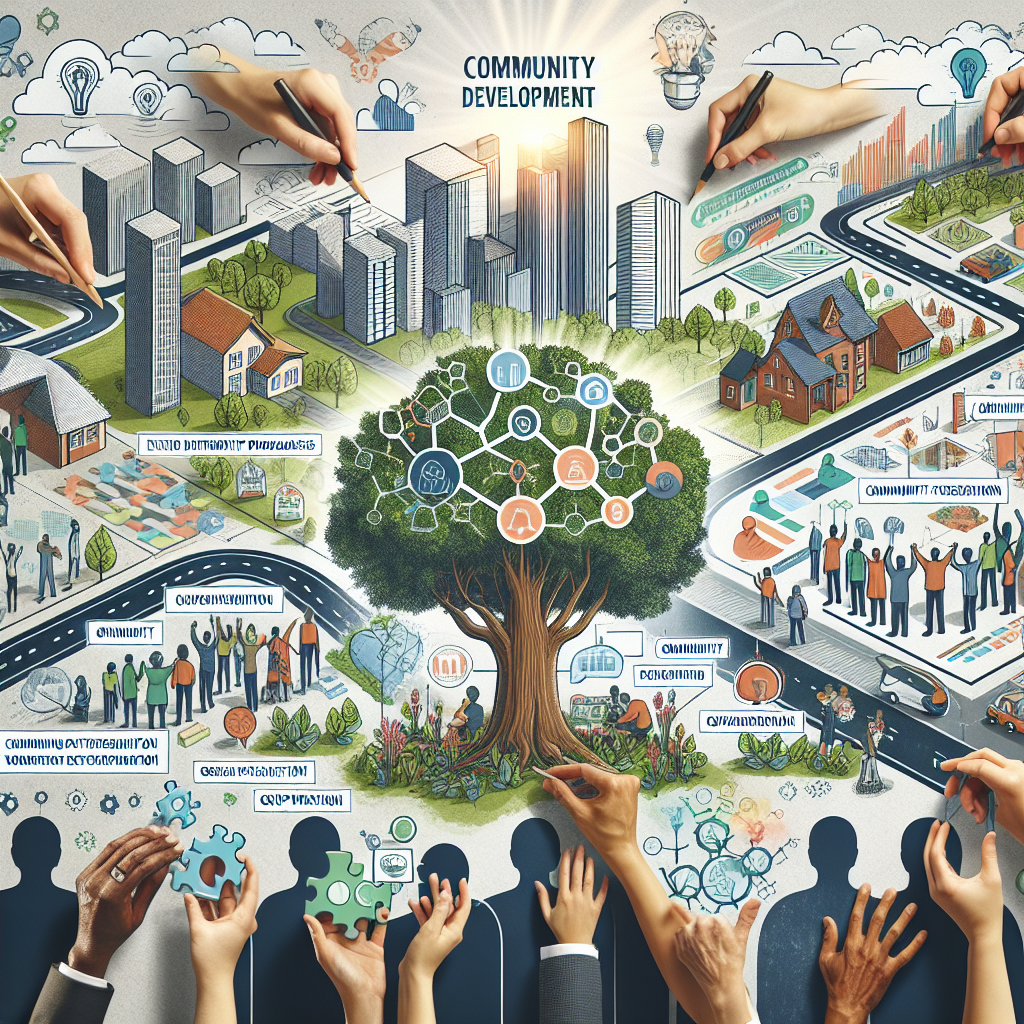
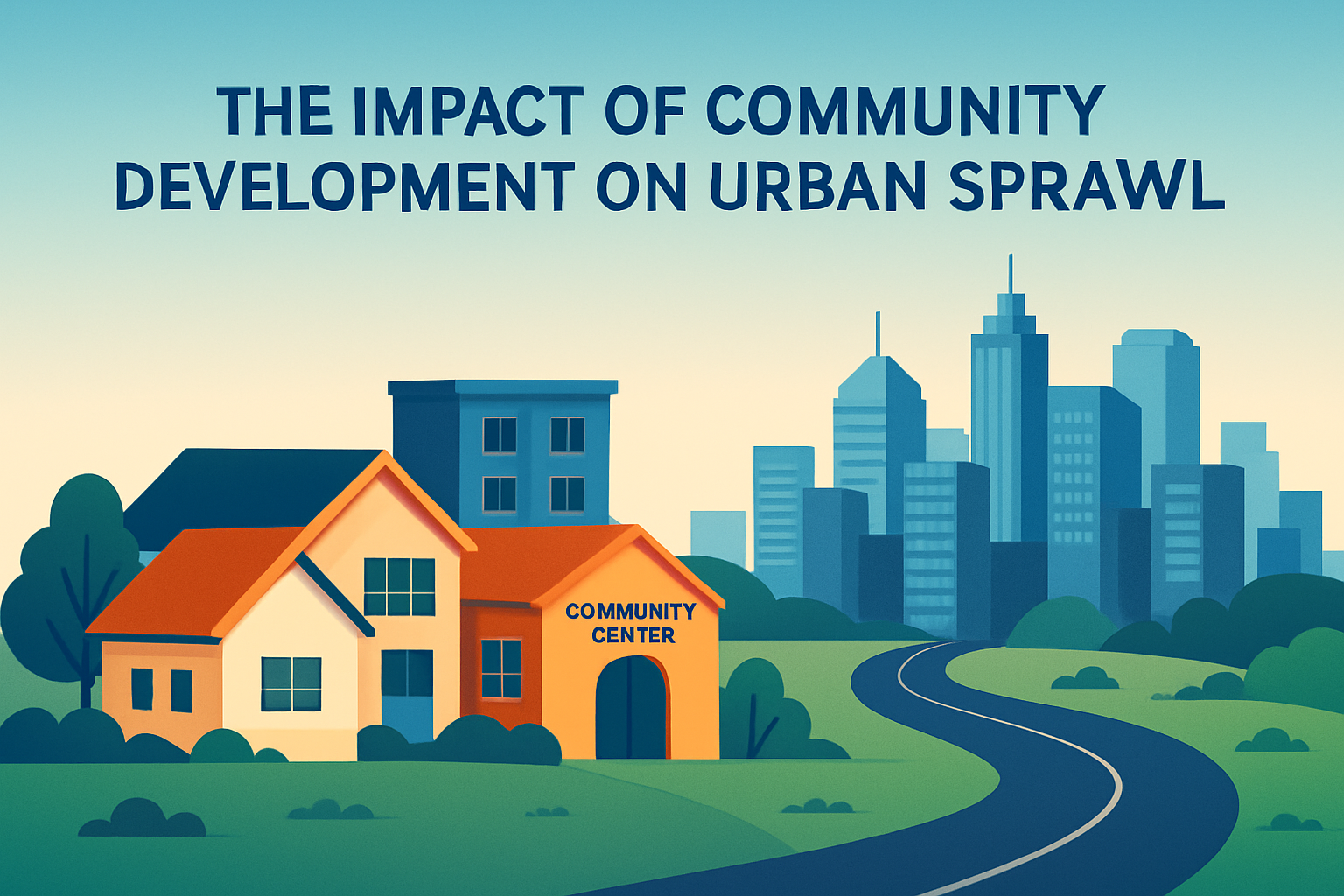
Urban sprawl, often characterized by the unchecked expansion of urban areas into surrounding rural land, is a pressing issue facing cities worldwide. This phenomenon leads to the inefficient use of land and resources, increased pollution, and a decline in the quality of life for residents. As a response, community development has emerged as a powerful tool to combat urban sprawl and foster sustainable urban growth. Community development involves the collective efforts of residents, local governments, and stakeholders to enhance the living conditions and social well-being of an area while promoting economic growth and infrastructure development.
Understanding the dynamics between community development and urban sprawl is crucial for city planners, policymakers, and residents. Effective community development strategies can alleviate the negative impacts of urban sprawl by promoting compact, sustainable, and inclusive urban growth. By examining how community development initiatives can influence and potentially transform urban landscapes, we can better appreciate their importance and potential. Through detailed case studies and an evidence-based exploration, this article aims to dissect how community development actively shapes the expansion and evolution of urban areas.
The Role of Community Development in Containing Urban Sprawl
One of the primary ways community development curtails urban sprawl is through strategic land use planning that emphasizes smart growth principles. These principles focus on creating walkable neighborhoods, preserving natural spaces, and prioritizing mixed-use developments. In cities like Portland, Oregon, these efforts have been highly successful. Portland’s Urban Growth Boundary (UGB) has directed growth inward, encouraging the redevelopment of underutilized urban areas and reducing the pressure on rural land. The city has become a model of sustainable urban development, thanks in part to its robust community planning efforts.
Strategically planned community development includes zoning reforms that permit higher density housing and mixed-use buildings within city limits. This approach minimizes the need for outward expansion by making more efficient use of existing infrastructures, such as roads and utilities, thus conserving resources and energy. By discouraging extensive suburban growth and encouraging the redevelopment of urban cores, community development initiatives help in creating vibrant, livable cities.
Community-Led Initiatives Driving Sustainable Urban Change
Communities themselves can be catalysts for change, driving bottom-up initiatives that align with larger urban planning goals. One successful example is the Dudley Street Neighborhood Initiative (DSNI) in Boston, Massachusetts. This resident-led organization took control of local planning efforts to revitalize their neighborhood, which was plagued by disinvestment, vacant properties, and crime. Through community land trusts and participatory planning, DSNI transformed the area into a thriving community with affordable housing, parks, and community centers.
The success of DSNI highlights the power of resident engagement in community development. It underscores the importance of empowering local residents to have a voice and stake in how their neighborhoods grow and change. By involving community members in the planning process, urban development is more likely to reflect the actual needs and desires of the populace, leading to more equitable and sustainable outcomes.
The Economic Impacts of Community Development on Urban Areas
Community development plays a vital role in the economic revitalization of urban areas. By fostering economic growth within cities, these initiatives can reduce the need for urban sprawl. In Milwaukee, Wisconsin, the Menomonee Valley redevelopment is a prime example of how community development can stimulate local economies. Once an industrial wasteland, the area underwent significant redevelopment efforts that included environmental remediation, infrastructure improvements, and the attraction of new businesses.
Today, Menomonee Valley is a hub of economic activity, providing thousands of jobs and drawing in new investment. The project’s success hinged on a collaborative approach involving local government, businesses, and community organizations working together. Such partnerships are often key to effective community development, ensuring that economic growth is sustainable and inclusive. By revitalizing existing urban areas, community development can negate the correlating need for new developments on the urban fringe.
The Environmental Benefits of Thoughtful Community Development
Another significant aspect of community development is its capacity to reduce the environmental impacts associated with urban sprawl. By focusing on infill development and the rehabilitation of older structures, cities can enhance urban density, thereby preserving open spaces and reducing habitat destruction. The High Line in New York City exemplifies how underutilized urban infrastructure can be repurposed for community and environmental benefit. This elevated linear park was built on a historic freight rail line, transforming an eyesore into a green public space that promotes biodiversity within the urban environment.
By prioritizing sustainable building practices, improving public transportation, and promoting green spaces, community development projects minimize carbon footprints and contribute to a healthier urban environment. The integration of eco-friendly design elements such as green roofs, rain gardens, and energy-efficient technologies helps urban areas adapt to environmental challenges such as climate change.
A Table of Community Development Tactics and Their Impact
| Community Development Tactic | Impact on Urban Sprawl |
|---|---|
| Smart Growth Principles | Promotes compact, efficient land use. |
| Participatory Planning | Ensures developments meet community needs. |
| Economic Revitalization | Attracts jobs and investment in urban cores. |
| Sustainable Building Practices | Reduces environmental impacts of construction. |
| Public Transportation Improvements | Decreases reliance on automobiles and reduces congestion. |
The Social Implications of Community Development in Urban Areas
Beyond physical and economic impacts, community development addresses social dimensions of urban sprawl by fostering inclusive environments. Mixing residential, commercial, and recreational spaces allows for diverse, integrated communities that bridge socioeconomic divides. One successful example is the East Liberty neighborhood development in Pittsburgh, Pennsylvania. Once a declining business district, East Liberty has been revitalized with mixed-income housing and public amenities, making it a desirable urban community.
However, East Liberty’s success was not without challenges. Issues such as gentrification can arise when revitalizing areas, displacing long-time residents. It is essential for community development to emphasize equity and affordability, ensuring revitalization efforts benefit all residents, not just newcomers. By creating inclusive spaces, community development can enhance social cohesion and improve quality of life for current and future residents.
Conclusion: The Future of Urban Growth and Community Development
Community development is a critical tool in managing urban sprawl, offering a sustainable and inclusive approach to urban growth. By prioritizing smart growth, social equity, and environmental sustainability, community development can mitigate the negative impacts of urban expansion and create vibrant, livable cities. Whether through economic revitalization efforts in previously neglected neighborhoods or environmental initiatives to repurpose existing urban spaces, community development provides a path forward in addressing the challenges posed by urban sprawl.
The future of urbanization calls for increased collaboration among residents, policymakers, and developers to create strategies that align with the unique needs of each community. As cities continue to grow, embracing community development principles will be essential for promoting equitable, sustainable urban environments. For individuals and organizations looking to contribute to this sustainable urban future, participating in local planning meetings, supporting community development initiatives, and advocating for smart growth policies are valuable first steps.
As we look toward the future, leveraging the potential of community development offers a hopeful vision for cities worldwide—one where urban growth is balanced, sustainable, and beneficial for all residents.
Frequently Asked Questions
1. What is urban sprawl, and why is it considered a problem?
Urban sprawl refers to the uncontrolled expansion of urban areas into surrounding rural regions. It’s essentially the city stretching its fingers out into the countryside without much regard for boundaries or planning. This sprawling nature of urban growth is problematic for several reasons. Firstly, it usually results in inefficient land use. Instead of densely populated urban centers, you end up with low-density developments where houses are spread out, consuming more land. This increases the need for roads and infrastructure, which in turn can lead to increased traffic congestion. Secondly, urban sprawl tends to escalate pollution levels. With more land covered by urban development, there’s less green space to act as a lung for the city. It also often means that residents are more reliant on cars, which increases emissions. Lastly, urban sprawl can degrade the quality of life by diminishing the sense of community, increasing commute times, and reducing access to local amenities and services—all things that make urban life more appealing and sustainable. This is why addressing urban sprawl through community development is so critical.
2. How does community development help in combating urban sprawl?
Community development plays a crucial role in mitigating urban sprawl and fostering sustainable urban environments. At its core, community development is an approach that involves the planned creation and improvement of urban, suburban, and rural communities. It emphasizes sustainable growth, which means that it looks for ways to accommodate new population growth without the detrimental impacts of sprawl. Community development achieves this by promoting the development of high-density living arrangements like apartment complexes and townhouse clusters as opposed to expanding single-family homes. These dense living environments reduce the need for sprawling developments. Additionally, community development encourages mixed-use developments where residential, commercial, and public land uses are combined. This reduces the need for long commutes as people can live, shop, work, and relax within close proximity, which also lessens traffic congestion and reduces pollution from vehicles. Ultimately, community development aims to create vibrant communities that adequately address residents’ needs while keeping urban growth sustainable.
3. What are some specific strategies used in community development to address urban sprawl?
Community development employs a variety of strategies to combat urban sprawl effectively. One key strategy is the implementation of smart growth principles. Smart growth focuses on developing in existing urban areas rather than expanding outward, thereby preserving open spaces and natural lands. This involves promoting high-density housing and public transit options. Another strategy is zoning reform, which allows for more flexible land use so that mixed-use developments can thrive. This reduces the need for residents to travel long distances for work, shopping, and recreation. Additionally, community development often involves investing in public transportation infrastructure. By making it more convenient for residents to use public transport, it encourages less reliance on personal vehicles which in turn reduces the carbon footprint and diminishes traffic congestion. Community engagement is another pillar, where stakeholders across the community are involved in planning processes to ensure that development aligns with the community’s needs and vision. Finally, green infrastructure development is favored, such as parks and green corridors, which help to increase urban biodiversity, provide recreational spaces, and contribute to the health and well-being of residents.
4. What are the potential challenges that community development faces in curbing urban sprawl?
While community development is a powerful approach to addressing urban sprawl, it does come with its own set of challenges. One major challenge is the existing regulatory and zoning frameworks that may not be conducive to rapid or flexible changes needed for implementing high-density, mixed-use, and walkable communities. Long-standing policies often favor car-centric development and suburban sprawl, and shifting this paradigm requires significant policy reform and community buy-in. Another challenge is resistance from residents who may oppose higher-density developments due to fears of congestion, changes in the community character, or perceived threats to property values. Funding is also a critical issue; implementing community development projects and enhancing infrastructure require substantial investment, which may not be readily available or easy to secure. Additionally, there is the challenge of balancing preservation of community culture and history with new development, which necessitates careful planning and design to integrate old and new harmoniously. Lastly, there often exists a communication gap between city planners, developers, and the community, leading to a lack of cohesion in goals and objectives which can delay or derail development projects.
5. In what ways can community members participate in community development initiatives aimed at reducing urban sprawl?
Community participation is crucial in ensuring the success of community development initiatives aimed at reducing urban sprawl. Members of the community can engage in several ways. One of the most impactful is participating in local planning meetings and discussions. These forums are often open to the public and serve as a platform for residents to voice their opinions, share concerns, and contribute ideas on urban development projects. Advocacy is another area where community members can make a difference; by organizing or joining groups that support sustainable development policies, they can influence political and planning decisions. Additionally, residents can contribute to local surveys or neighborhood audits which provide valuable feedback and data to planners regarding community needs and preferences. Volunteering for local community projects such as park clean-ups, or tree planting can also make a tangible difference at the grassroots level. Furthermore, education is key; by staying informed about local government policies, development plans, and zoning laws, community members can more effectively advocate for smart growth and sustainable development practices that deter urban sprawl. Ultimately, the collective efforts of an engaged community are essential in steering development in a direction that closely aligns with the community’s vision and sustainability goals.