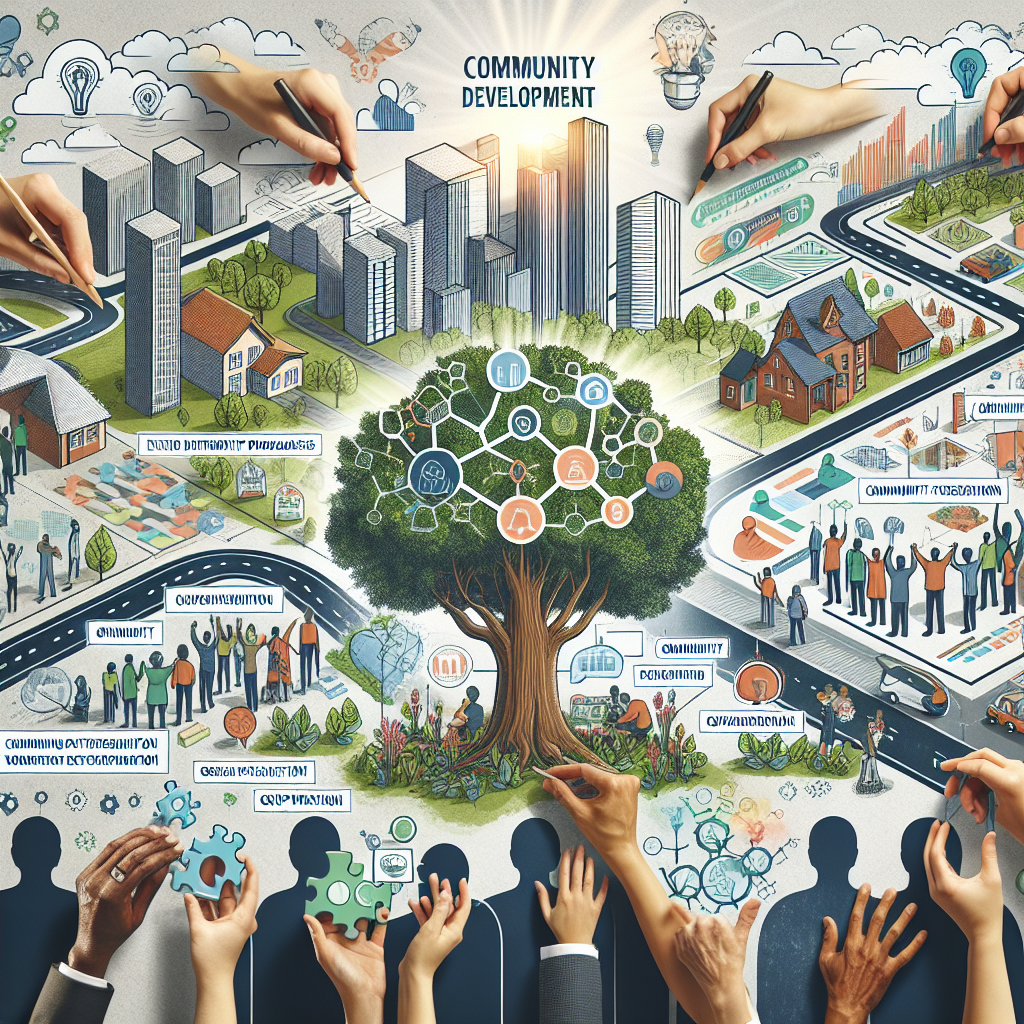
Community development is a process where community members come together to take collective action and generate solutions to common problems. This involves a broad range of activities, from improving local amenities, advocating for public policies, to enhancing the social aspect of the community. It’s a holistic approach, aiming not only at economic growth but also at building stronger, more resilient, and engaged communities. This article explores some successful community development initiatives, highlighting the strategies employed, challenges faced, and the impact they had on improving the quality of life for residents.
The foundation of successful community development lies in the principle of inclusivity and collaboration. Everyone’s voice should be heard, regardless of socioeconomic status or demographic background. The initiatives outlined in this article have successfully demonstrated these principles, bringing together diverse groups of individuals to work towards common goals. By looking at these case studies, other communities can draw valuable insights and tailor them to their unique circumstances.
This article will take you through various case studies across different regions, emphasizing effective strategies that led to the success of these initiatives. From urban revitalization projects in rundown neighborhoods to countryside initiatives fostering economic self-sufficiency, these case studies reflect the transformative power of community-driven efforts. Engage in the stories and findings, as they could provide practical lessons for aspiring community leaders and planners.
Case Study 1: The Harlem Children’s Zone
The Harlem Children’s Zone (HCZ) is a community-based organization in New York City that aims to break the cycle of poverty through education. The initiative started in the 1990s, focusing on a 24-block area in Central Harlem and later expanded to cover nearly 100 blocks. The HCZ provides free support for poverty-stricken families such as parenting workshops, youth programs, and health initiatives.
One of the most remarkable aspects of HCZ is its “pipeline” approach, wherein programs are designed to support children from birth until they start careers. This includes pre-kindergarten programs, charter schools, and after-school activities tailored to ensure academic success. The critical element here is the combination of quality education with community-building activities, recognizing that academic success is closely tied to a supportive environment.
The initiative has effectively raised high school graduation rates and college enrollment among its participants. Supporters of HCZ cite its holistic approach and long-term commitment as vital elements of its success. The project’s integration with local needs and its adaptive strategies have made a significant impact, offering valuable lessons for similar communities battling poverty.
Case Study 2: The Dudley Street Neighborhood Initiative
The Dudley Street Neighborhood Initiative (DSNI) in Boston is a grassroots organization created in the 1980s to revitalize a neglected part of the city. The initiative was a response to widespread arson, dumping, and housing abandonment. Community members formed DSNI to reclaim and redevelop land, aiming to improve living conditions and strengthen community bonds.
One of the DSNI’s hallmarks is its successful use of eminent domain to seize vacant lots and transform them into community assets such as affordable housing, parks, and urban agriculture spaces. This legal strategy was unprecedented and required robust collaboration with local authorities and a strong legal framework.
Key to DSNI’s success was its engaging, inclusive planning process, where residents had significant input and decision-making power. Through community meetings and workshops, the initiative ensured that the redevelopment aligned with the residents’ needs and aspirations.
Over the decades, DSNI has successfully reduced crime rates, increased property values, and created a more vibrant and cohesive community. This project offers a powerful example of how community ownership and planning can drive urban renewal, offering hope to other distressed urban neighborhoods.
Case Study 3: Medellín’s Urban Innovation
Medellín, Colombia, was once infamous for its high crime rates and drug cartels. However, in the last two decades, the city has undergone a remarkable transformation, driven largely by innovative urban planning and community involvement. The Medellín city government launched a series of integrated urban projects aimed at improving infrastructure, increasing social inclusion, and boosting economic opportunities.
One of the standout features of Medellín’s transformation is its implementation of the “Metrocable” – a cable car system connecting impoverished hilltop neighborhoods to the city’s metro system. This greatly improved mobility for residents, allowing for better access to jobs, education, and healthcare. Additionally, the city invested in “library parks,” combining public libraries with green spaces, providing cultural and educational opportunities in underserved areas.
The “Integral Urban Projects” (PUI) added another layer of improvement by focusing on comprehensive neighborhood upgrades, including housing, public spaces, and local services. The local government actively included community members in the planning and execution stages, ensuring that the projects reflected their needs and aspirations.
Medellín’s holistic approach has resulted in significant reductions in crime, improved public services, and a more positive global image, showcasing how innovation and inclusive planning can drive urban transformation. This case serves as an inspiring model for cities facing similar challenges.

Case Study 4: Twin Parks Community Initiative
The Twin Parks Community Initiative in Minneapolis focuses on economic empowerment and housing stability. In response to a severe housing crisis, local organizations collaborated extensively with community residents to develop affordable housing and provide job training and financial literacy programs.
The initiative transformed vacant lots into residential units, ensuring affordability through various financial models, including cooperative housing and rent-to-own schemes. This approach not only provided stable housing but also fostered a sense of ownership and community pride among residents.
In addition to housing, Twin Parks emphasized economic self-sufficiency by offering comprehensive job training and placement programs. Partnerships with local businesses and educational institutions ensured that these programs were aligned with market needs, increasing employment outcomes for community members.
Engagement with residents has been a cornerstone of this initiative, ensuring that their input drives decision-making processes. Regular community forums and interactive planning sessions allowed residents to voice their needs and challenges, making sure the programs remained relevant and effective.
Twin Parks stands as a testament to the power of holistic community development, addressing not just housing but the broader economic and social determinants of well-being. Its success is a valuable lesson for other cities grappling with similar issues.
Case Study 5: Sustainable South Bronx
Sustainable South Bronx (SSBx) is a dynamic initiative aiming to improve environmental and public health while creating economic opportunities in one of New York’s most underserved neighborhoods. Founded in 2001, SSBx focuses on mitigating environmental injustices through green infrastructure projects and community education programs.
One of SSBx’s notable projects is the creation of the Hunts Point Riverside Park, transforming a decaying waterfront into a green, accessible space for residents. This project not only provided recreational opportunities but also improved local environmental quality. The initiative also launched a green-collar job training program, preparing residents for careers in emerging green industries such as renewable energy and sustainable construction.
SSBx’s approach combines environmental stewardship with economic development, recognizing that the two are interconnected. By creating parks and green spaces, the organization improved public health and provided new opportunities for physical activity and social interaction.
Community involvement has been integral to SSBx’s success. Residents played a key role in project planning and implementation, ensuring that their needs and preferences were reflected in the initiatives. This sense of ownership has fostered a strong community spirit and long-term sustainability for the projects.
Sustainable South Bronx exemplifies how environmental projects can simultaneously tackle social and economic issues, offering a valuable blueprint for other communities facing similar challenges.
Conclusion: Lessons from Successful Community Development
The case studies explored in this article offer valuable insights into the diverse approaches and strategies employed in successful community development initiatives. Common themes across these cases include the importance of:
- Inclusive Planning and Decision-Making: Ensuring that community members have a voice throughout the process.
- Holistic Approaches: Addressing social, economic, and environmental factors to create comprehensive solutions.
- Long-Term Commitment: Sustained efforts and adaptability are crucial for enduring success.
- Strong Partnerships: Collaboration with local authorities, businesses, and other stakeholders.
- Community Ownership: Fostering a sense of pride and investment among residents.
Each case study reflects the unique challenges and opportunities within different communities but highlights the transformative power of collective action. Whether it’s urban neighborhoods grappling with poverty, rural areas aiming for economic self-sufficiency, or regions focused on environmental sustainability, the principles and lessons drawn from these cases are universally applicable.
For communities and planners looking to embark on similar journeys, these case studies provide practical, grounded examples of what has worked and why. They demonstrate that with the right strategies and commitment, meaningful and lasting change is possible, improving the quality of life for all residents. As we continue to navigate the complexities of modern urban planning and development, these stories of success provide inspiration and guidance for creating resilient, vibrant, and inclusive communities.
Frequently Asked Questions
1. What are successful community development initiatives and why are they important?
A successful community development initiative is typically a project or program that has effectively brought about meaningful change within a community. These initiatives vary widely but share common goals – they aim to tackle pressing issues such as poverty, poor education, lack of amenities, or social division, to name a few. Their primary focus is on fostering collaboration among community members, local governments, non-profits, and businesses to solve these common problems.
The importance of such initiatives lies in their ability to create more robust, resilient communities. By addressing issues together, community members often develop a deeper sense of belonging and ownership over their environment. This collaboration is vital because it encourages sustainable change that stems from the people it affects most directly. Furthermore, successful community development initiatives often have economic benefits, enhance social cohesion, and improve overall quality of life within the community.
2. Can you provide examples of successful community development initiatives?
Absolutely! Here are a few noteworthy examples:
One successful initiative is the Harlem Children’s Zone in New York City. This project uses a comprehensive approach to addressing educational achievement and economic disparity by covering several blocks and providing a plethora of services to children and their families, such as pre-k programs, charter schools, and college success programs.
Another great example is the regeneration project in the village of Todmorden, West Yorkshire, UK, known as ‘Incredible Edible’. This initiative encouraged residents to plant vegetables and fruits in urban spaces, which improved community nutrition and environmental sustainability while fostering a strong community spirit.
Lastly, the Santa Cruz County Farm Bureau in California has launched programs to support local farmers and agriculture. By providing education on sustainable practices, enhancing market access, and fostering a sense of community through shared agricultural goals, they have strengthened the local farming community.
3. What strategies contribute to the success of community development initiatives?
Several strategies are key to the success of community development initiatives. Firstly, community engagement is paramount. Engaging residents in identifying the issues they face and collectively finding solutions ensures that the initiatives align closely with the community’s needs and priorities.
Moreover, strong leadership is crucial. Leaders who are passionate, committed, and able to bring people together tend to drive initiatives forward effectively. They play a crucial role in rallying the community, resolving conflicts, and ensuring that diverse voices are heard.
Additionally, securing funding and resources is vital. This often involves collaboration with local government entities, non-profits, and private sector partners for financial, material, or expert support. Securing these resources is important for the sustainability and extended impact of any community initiative.
4. How can communities measure the success of their development initiatives?
Measuring the success of community development initiatives can be complex, given their broad scope and long-term nature. However, several methods can be used to evaluate their effectiveness. One way is through quantitative metrics, such as improved economic indicators like employment rates, income levels, or poverty reduction. Educational attainment and health improvements can also be valuable measures.
Additionally, qualitative methods such as surveys, interviews, and focus groups can provide insights into how community members feel about the changes. These methods can help capture shifts in community sentiment, social cohesion, and overall quality of life improvements.
It is also useful to set short-term and long-term goals at the outset of the initiative and regularly assess progress towards these objectives. By combining quantitative and qualitative assessments, communities can garner a balanced view of an initiative’s success and areas for improvement.
5. How can other communities replicate these successful initiatives?
Replicating successful community development initiatives in different communities requires adapting the core principles and approaches to the specific local context. The first step is conducting a thorough community assessment to understand the local needs, resources, and cultural dynamics. This helps in tailoring initiatives appropriately to local conditions.
Learning from the original initiative is helpful – often, those who have successfully completed projects are more than willing to share insights and lessons learned. Establishing partnerships with successful communities to facilitate knowledge exchange and mentorship can be a powerful catalyst.
Furthermore, ensuring ongoing community engagement and transparent communication throughout the initiative is crucial. It not only builds trust but also encourages continued participation and adaptation of the initiative based on evolving community needs.
Finally, incrementally scaling the initiative and remaining flexible to modifications feeds sustainable growth, allowing the community to adjust strategies and improve upon the original initiative for enhanced impact.