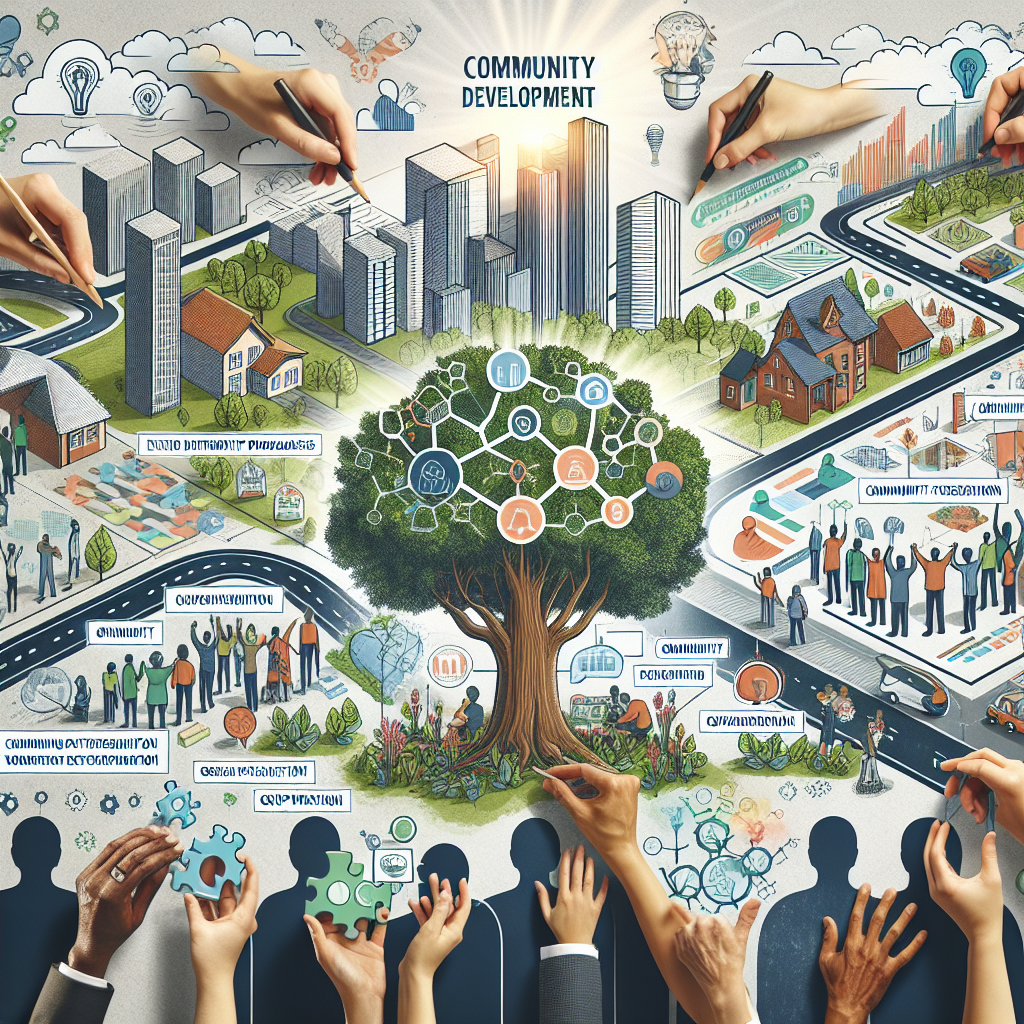
Community development has become a pivotal strategy for fostering sustainable growth in local economies. When executed effectively, it can transform struggling neighborhoods into prosperous hubs of activity. At its core, community development is about empowering residents and stakeholders within an area to shape its future through coordinated efforts in housing, education, infrastructure, and more.
The term itself is broad, encompassing a variety of activities aimed at improving the quality of life in a community. These may include building affordable housing, creating job opportunities, and enhancing public services. By fostering engagement and cooperation, community development projects can address inequities, stimulate economic growth, and improve the social well-being of residents.
The importance of community development in stimulating local economies cannot be overstated. Local businesses thrive, property values increase, and new investments flow in, leading to an upward economic spiral. From the initiation phase to the realization of long-term benefits, community development is a critical component in the blueprint for prosperous cities and towns.
In this article, we will dive deep into the specific ways community development impacts local economies. We’ll explore case studies of successful community initiatives, outline the economic benefits, and provide actionable insights for leaders looking to foster community-driven growth. The aim is to elucidate the transformative power of community development and inspire localized action for economic betterment.
Economic Benefits of Community Development
The economic benefits of community development are extensive and multi-faceted. One of the most direct outcomes is the creation of job opportunities. When communities invest in the construction of affordable housing or the enhancement of public infrastructure, these projects generate immediate employment for a variety of skilled and unskilled workers. This surge in job opportunities can have a ripple effect on the local economy, stimulating further growth and development.
Moreover, improved infrastructure such as better roads, public transportation, and utilities can attract businesses to the area. Entrepreneurs are more likely to set up shop in communities that demonstrate a commitment to development and improvement. This influx of businesses leads to increased local tax revenues, which can then be reinvested into the community, creating a virtuous cycle of growth.
Affordable housing projects, a staple of community development, contribute to economic stability by providing residents with a stable base. When people can afford to live in their communities, they are more likely to invest in local businesses, participate in community activities, and take pride in their neighborhood. This sense of ownership and belonging can spur further economic activity as residents are more inclined to support local initiatives and projects.
Education and training programs, often part of broader community development efforts, enhance the skillsets of local residents, making them more employable and increasing their earning potential. This not only improves individual economic outcomes but also contributes to the overall economic health of the community.
Case Studies of Successful Community Initiatives
The transformative power of community development is best illustrated through real-life case studies. One notable example is the Dudley Street Neighborhood Initiative (DSNI) in Boston, Massachusetts. This grassroots effort began in the 1980s, when residents of the Dudley Street neighborhood banded together to combat issues like vacant lots, abandoned buildings, and crime. Through organizing, advocacy, and strategic partnerships, DSNI has since transformed the area into a thriving community with affordable housing, green spaces, and active local businesses.
Another case study worth mentioning is the East Lake Foundation in Atlanta, Georgia. The foundation undertook a comprehensive community development project that tackled issues ranging from housing to education and health. The redevelopment of East Lake Meadows, once a crime-ridden public housing project, into a mixed-income community was a cornerstone of their strategy. The initiative also focused on improving the local school system and increasing access to health care, leading to a significant reduction in crime and poverty rates, and a substantial uptick in economic activity.
The Medellin Metrocable project in Colombia serves as an international example of innovative community development. This project introduced a cable car system to connect the city’s informal settlements, located on the steep hillsides, to the city center. This development significantly reduced commuting times and improved access to education, employment, and healthcare for the residents of these marginalized areas. The project’s success has led to increased economic activity, improved quality of life, and inspired similar initiatives in other parts of the world.
These case studies highlight the diverse approaches and significant impacts that well-planned community development initiatives can have. They underscore the importance of community engagement, strategic planning, and comprehensive solutions in driving economic growth and improving the overall quality of life for residents.

Challenges in Community Development
While the benefits of community development are clear, the process is not without its challenges. One of the primary obstacles is securing adequate funding. Community development projects often require significant financial investments, and securing these funds can be a complex and time-consuming process. Public sector funding, private investments, and philanthropic contributions are often needed to get projects off the ground and ensure their sustainability.
Another challenge lies in coordinating the various stakeholders involved in community development. These can include local government agencies, non-profit organizations, private sector partners, and of course, the residents themselves. Ensuring that everyone has a voice and that their needs and concerns are addressed requires effective communication and collaboration. This can be particularly challenging in communities with diverse populations and varying interests.
Resistance to change is another common hurdle. Long-time residents may be wary of development projects, fearing displacement or gentrification. Addressing these concerns requires careful planning and community engagement to ensure that development benefits all residents and does not lead to the marginalization of vulnerable groups.
Finally, measuring the impact of community development can be difficult. Quantifying economic benefits, social improvements, and other outcomes necessitates comprehensive data collection and analysis, which can be resource-intensive. Despite these challenges, the potential benefits of community development make it a worthwhile endeavor for many communities seeking to improve their socio-economic conditions.
Actionable Insights for Community Leaders
For community leaders looking to leverage community development to stimulate local economies, several actionable insights can guide their efforts. First and foremost, engaging the community from the outset is crucial. Involving residents in the planning and decision-making process fosters a sense of ownership and ensures that the development projects align with the community’s needs and priorities.
Building strategic partnerships is another key strategy. Collaborating with local businesses, non-profit organizations, educational institutions, and government agencies can help secure funding, pool resources, and leverage expertise. These partnerships can also help in navigating regulatory challenges and ensuring the sustainability of the projects.
Focusing on comprehensive solutions rather than isolated interventions is essential. For example, developing affordable housing should be accompanied by investments in infrastructure, education, health care, and job training. This holistic approach ensures that the benefits of community development are far-reaching and sustainable.
Securing funding is a critical component of successful community development. Community leaders should explore various funding sources, including federal and state grants, private investments, and philanthropic contributions. Innovative financing models, such as social impact bonds and community development financial institutions (CDFIs), can also provide valuable support.
Finally, it is vital to establish clear metrics for success and regularly monitor and evaluate the impact of community development projects. This enables leaders to make data-driven decisions, identify areas for improvement, and demonstrate the value of the initiatives to stakeholders and funders.
Conclusion
The transformative power of community development in stimulating local economies is evident. From job creation and improved infrastructure to enhanced quality of life and economic stability, the benefits are extensive and profound. Through real-life case studies, we have seen how communities like Dudley Street, East Lake, and Medellin have harnessed community development to drive significant socio-economic improvements.
However, the journey is not without challenges. Securing funding, coordinating diverse stakeholders, overcoming resistance to change, and measuring impact are just some of the obstacles that community leaders must navigate. Despite these challenges, the potential rewards make community development a worthwhile and impactful endeavor.
For those looking to embark on this journey, the key lies in community engagement, strategic partnerships, comprehensive solutions, innovative funding models, and data-driven decision-making. By adopting these strategies, communities can effectively leverage community development to stimulate local economies and create a more prosperous and equitable future for all residents.
As we move forward, it is clear that community development will continue to play a crucial role in shaping the economic and social landscapes of our cities and towns. By fostering cooperation, addressing inequities, and investing in the future, we can build stronger, more vibrant communities that thrive economically and socially.
“`htmlFrequently Asked Questions
1. What exactly is community development in the context of local economies?
Community development in the context of local economies refers to a comprehensive strategy focusing on the empowerment of local residents and stakeholders to actively participate in shaping the growth and sustainability of their community. It’s about creating a robust framework where everyone in the community has a voice in nurturing areas such as housing, education, infrastructure, and employment opportunities. This type of development is deeply rooted in the principles of inclusivity and equity, aiming to lift entire communities through strategic investments and policy decisions that benefit all members, especially those who have been historically marginalized.
2. How does community development lead to economic improvement in local areas?
The impact of community development on local economies can be substantial. When communities are empowered to address challenges such as inadequate housing or education resources, they often see a ripple effect of positive changes. More accessible housing can lead to stable residency, attracting businesses that benefit from a steady customer base. Improved educational facilities prepare a skilled workforce better equipped to participate in and sustain local industries. Investments in infrastructure, such as roads and public transport, enhance connectivity, making the area more appealing for both residents and businesses. Furthermore, these initiatives often lead to increased property values and a broader tax base, providing additional resources for further community improvements.
3. Can you give examples of community development projects that have successfully boosted local economies?
Absolutely! There are numerous examples globally where community development initiatives have successfully boosted local economies. One notable project is the Harlem Children’s Zone in New York, which has revolutionized education and social services in its area, leading to improved graduation rates and a more skilled workforce. In San Francisco, the Fillmore Heritage Center has revitalized a historically significant neighborhood by supporting cultural events that draw tourism and investment. Even smaller-scale projects, like the installation of community gardens and local markets, particularly in urban areas with limited access to fresh produce, have drastically improved public health and economic activity by reducing grocery expenses and sparking entrepreneurship among community members.
4. How does community development differ from economic development?
While community development and economic development are often interrelated, they are distinct processes with different goals. Community development focuses on the social, cultural, and physical aspects of communities. It emphasizes empowering residents, improving neighborhoods, and enhancing quality of life. This involves diverse areas such as housing, infrastructure, health, education, and community engagement. On the other hand, economic development is more about the creation of wealth and jobs, focusing on increasing the financial health of a community through business growth, investment, and market development. Both processes are vital, and ideally, they work in tandem to create a balanced approach to enhancing communities.
5. What are the challenges faced by community development projects in improving local economies?
Community development projects can face a variety of challenges that may hinder their ability to improve local economies effectively. One significant challenge is securing adequate funding and resources to implement initiatives. Budget constraints can limit the scale or scope of projects. Additionally, obtaining buy-in and support from all stakeholders, including local governments, businesses, and residents, can be difficult and time-consuming. These projects often require collaboration among various parties with different interests, which can lead to conflicts or delays. Furthermore, ensuring that development projects align with the needs and desires of the community, avoiding gentrification, and maintaining affordability for long-term residents are critical challenges that require careful planning and communication. Despite these challenges, many community development initiatives succeed through persistence, strategic planning, and strong leadership.
“`