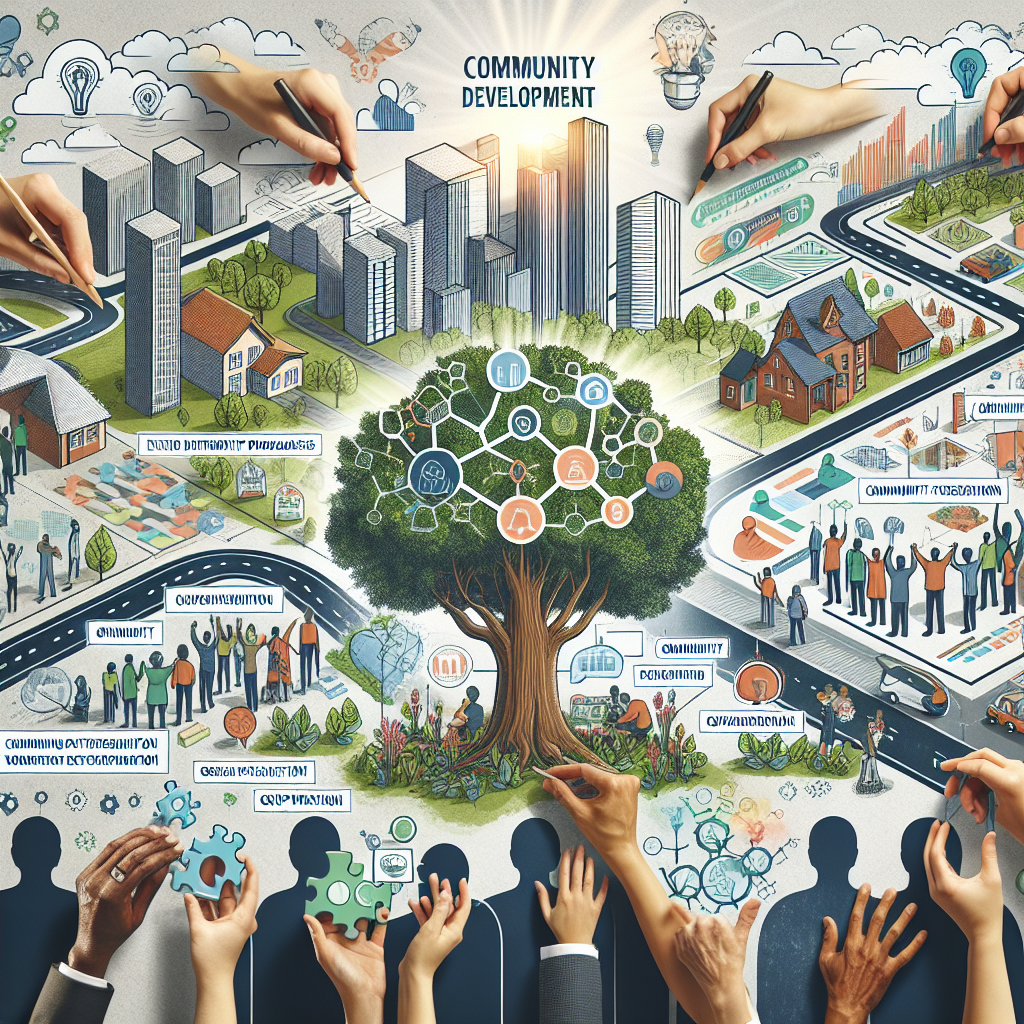
Community development is a well-rounded approach aimed at improving the quality of life in a community, especially in underprivileged areas. In this endeavor, non-profit organizations play a unique and invaluable role. Non-profits bring resources, expertise, and passionate advocacy to bear on issues ranging from housing and education to health and economic development. These organizations operate outside the confines of governmental and for-profit business models, which enables them to be more flexible, responsive, and community-focused. This article will delve into the essential role non-profits play in community development, exploring various aspects such as housing initiatives, educational programs, healthcare services, economic empowerment, and community advocacy.
Introduction
The concept of community development encompasses a broad spectrum of activities designed to improve living conditions and foster a sense of well-being within a community. Over the years, non-profit organizations have emerged as significant players in this field. Unlike governmental agencies, which may be limited by bureaucracy, and for-profit enterprises, which are driven by financial gain, non-profits operate with the singular aim of societal betterment. This distinctive positioning enables them to address complex community issues in innovative and impactful ways.
Non-profits often emerge in response to specific community needs. For instance, a neighborhood grappling with inadequate housing may see the rise of a non-profit focused on developing affordable homes. Similarly, areas with poor educational resources might benefit from non-profits that specialize in educational support and enrichment programs. The flexibility and community-driven focus of non-profits allow them to be both reactive to immediate concerns and proactive in addressing long-term systemic issues.
The scope of non-profit involvement in community development is vast. From offering direct services like food and shelter to advocating for policy changes that address root causes of inequality, non-profits engage in a multitude of activities designed to uplift communities. As we explore various sectors where non-profits make a tangible difference, it will become clear that their role is indispensable to community development.
Housing Initiatives
Access to safe and affordable housing is a fundamental human right, yet countless communities face severe housing crises. Non-profits play a crucial role in mitigating these issues through various housing initiatives. One of the most prominent examples is Habitat for Humanity. This global non-profit organization engages communities in building and renovating homes, ensuring that low-income families have access to decent living conditions.
In addition to construction, non-profits also focus on policy advocacy to create systemic change. Organizations like the National Low Income Housing Coalition lobby for policies that promote fair and affordable housing. These efforts include pushing for increased funding for public housing, advocating for tenant rights, and fighting against discriminatory practices in the housing market.
Moreover, non-profits often provide essential support services to individuals and families navigating the housing system. This support can range from helping people apply for housing assistance programs to offering financial literacy courses that prepare individuals for homeownership. The holistic approach taken by non-profits ensures that housing solutions are not just temporary fixes but part of a broader strategy for sustainable community development.
Educational Programs
Education is a critical component of community development, serving as the backbone for economic and social advancement. Non-profits contribute significantly to educational improvement through a variety of initiatives. Organizations like Teach For America place motivated individuals in under-resourced schools to address educational disparities.
In addition to direct teaching initiatives, non-profits also work to provide essential resources and support to students and educators. For example, DonorsChoose.org is a platform that enables teachers to request funding for classroom projects and materials, thereby directly addressing resource gaps. Similarly, programs like Reading Is Fundamental focus on literacy, providing free books and literacy resources to children in need.
Further, non-profits are heavily involved in after-school programs that enrich students’ educational experiences. These programs offer tutoring, mentorship, and extracurricular activities designed to keep students engaged and on track academically. By focusing on both in-school and out-of-school support, non-profits play a comprehensive role in fostering educational development within communities.
Healthcare Services
Access to quality healthcare is another cornerstone of community development, and non-profits are at the forefront of healthcare provision for underserved populations. Organizations like Doctors Without Borders and Partners In Health offer medical services in areas where healthcare is scarce.
Community health centers, often run by non-profits, provide essential healthcare services on a sliding fee scale, ensuring that even the most financially disadvantaged can receive care. These centers offer a range of services from primary care to mental health counseling, creating a one-stop-shop for healthcare needs.
Additionally, many non-profits focus on health education and prevention, targeting specific health issues prevalent in certain communities. For example, the American Heart Association runs programs aimed at reducing heart disease through education on diet, exercise, and lifestyle changes. By addressing both the immediate healthcare needs and the root causes of health issues, non-profits contribute to the long-term health and well-being of communities.
Economic Empowerment
Economic stability is a foundation of thriving communities, and non-profits play a vital role in economic empowerment initiatives. Organizations like Kiva provide microloans to entrepreneurs in underprivileged areas, enabling them to start or expand their businesses.
Job training and workforce development programs are another critical area of focus. Non-profits offer courses in various trades and sectors, helping individuals acquire the skills needed for gainful employment. For instance, Year Up provides young adults with training in IT and business operations, coupled with internships that often lead to permanent employment.
Financial literacy programs also play a significant role in economic empowerment. Non-profits often host workshops on budgeting, credit management, and savings, equipping individuals with the knowledge needed to manage their finances effectively. By focusing on economic empowerment, non-profits help to break the cycle of poverty and create pathways to financial independence.
Community Advocacy
Advocacy is a powerful tool for community development, and non-profits serve as the voice for marginalized and underrepresented populations. Through advocacy, non-profits work to influence public policy, raise awareness, and drive systemic change.
Organizations like the American Civil Liberties Union (ACLU) fight for civil rights and liberties, ensuring that all community members are treated fairly under the law. By challenging unjust laws and practices, these organizations work towards creating a more equitable society.
Moreover, non-profits often engage in grassroots organizing, mobilizing community members to take collective action. This can include everything from participating in town hall meetings to organizing protests and rallies. Through these efforts, non-profits empower individuals to become active participants in their community’s development.
Conclusion
In the realm of community development, non-profits stand as beacons of hope and catalysts for change. Their unique position allows them to address immediate needs while also working towards long-term solutions. Whether it’s through housing initiatives, educational programs, healthcare services, economic empowerment efforts, or community advocacy, non-profits significantly contribute to the well-being and advancement of communities.
The flexibility and community-centric focus of non-profits make them particularly effective in identifying and addressing local needs. Their work is not just about providing services but also about creating sustainable change that uplifts entire communities. By leveraging resources, expertise, and passionate advocacy, non-profits play an indispensable role in the holistic development of communities.
As we look towards the future, it is clear that non-profits will continue to be vital players in community development. Their ongoing efforts ensure that communities not only survive but thrive, fostering environments where everyone has the opportunity to succeed.
Frequently Asked Questions
1. What is the primary role of non-profits in community development?
Non-profits are instrumental in community development, acting as a bridge between needs and solutions. Their primary role is to address gaps that neither governments nor businesses can fill, especially in underprivileged areas. They focus on enhancing the quality of life by targeting crucial areas such as housing, education, health, and economic opportunities. Through a non-profit’s efforts, residents gain access to resources that help them overcome barriers and achieve sustainable improvements. Since these organizations operate outside of profit-driven or bureaucratic frameworks, they often bring innovative and flexible approaches, providing a platform for community members to have a voice and participate actively in shaping their futures. They engage in advocacy, run programs, and collaborate with various stakeholders to bring about lasting change.
2. How do non-profits secure funding for community development?
Securing funding is a crucial aspect for non-profits, and they adopt various strategies to ensure they have the necessary resources for their initiatives. Primarily, non-profits rely on grants from governmental agencies, foundations, and private donors who share a commitment to community betterment. Fundraising events also play a vital role, allowing organizations to connect with their communities while raising much-needed funds. Many non-profits cultivate long-term relationships with corporate sponsors and use donor management systems to maintain and grow their support base. Additionally, non-profits may apply for competitive grants that require robust project proposals demonstrating potential community impact, financial accountability, and sustainability. By maintaining transparency and demonstrating tangible outcomes, non-profits build trust, encouraging continued and diversified funding support.
3. In what ways do non-profits collaborate with local communities for development?
Non-profits are deeply embedded in community collaborations, ensuring development projects are aligned with local needs and priorities. They initiate partnerships with community leaders, residents, local businesses, and governments to harness diverse perspectives and resources. Through town hall meetings, workshops, and surveys, non-profits facilitate open dialogue, allowing community members to express concerns and contribute ideas. This participatory approach ensures the development process is inclusive and reflects the collective vision of residents. Moreover, non-profits often train community members to take on leadership roles in projects, fostering a sense of ownership and empowerment. By collaborating with various stakeholders, non-profits are able to build a support network that sustains projects beyond initial implementation, ensuring long-term success and resilience.
4. What challenges do non-profits face in community development, and how do they overcome them?
Non-profits face numerous challenges, including limited financial resources, changing political climates, and sometimes resistance to change within communities. To overcome these, they employ strategic planning and flexibility to adapt to shifting conditions. Building strong relationships with stakeholders ensures a support system that can withstand external pressures. Non-profits also focus on capacity building, both within their staff and the communities they serve, ensuring skill development and resilience. Diversification of funding sources is another strategy, protecting against reliance on any single income stream. Furthermore, they use impact assessments and storytelling to effectively communicate the value of their work, securing ongoing support from current and potential donors. By fostering adaptability, transparency, and engagement, non-profits continue to succeed despite challenges.
5. How do non-profits measure the impact of their community development programs?
Measuring impact is vital for non-profits to understand the effectiveness of their initiatives and to make informed decisions for future actions. They utilize a variety of metrics and evaluation methods tailored to the specific goals of their projects. Quantitative measures might include statistics on improved housing conditions, education achievements, or health outcomes. Qualitative assessments, such as community feedback and case studies, provide insights into personal experiences and developmental progress. Many non-profits use logic models or theory of change frameworks to map out intended outcomes and pathways to success. Regular reporting, both internally and to stakeholders, helps track progress and identify areas for improvement. This comprehensive approach ensures accountability, guides strategic planning, and ultimately enhances the trust and support of their partners and funders.