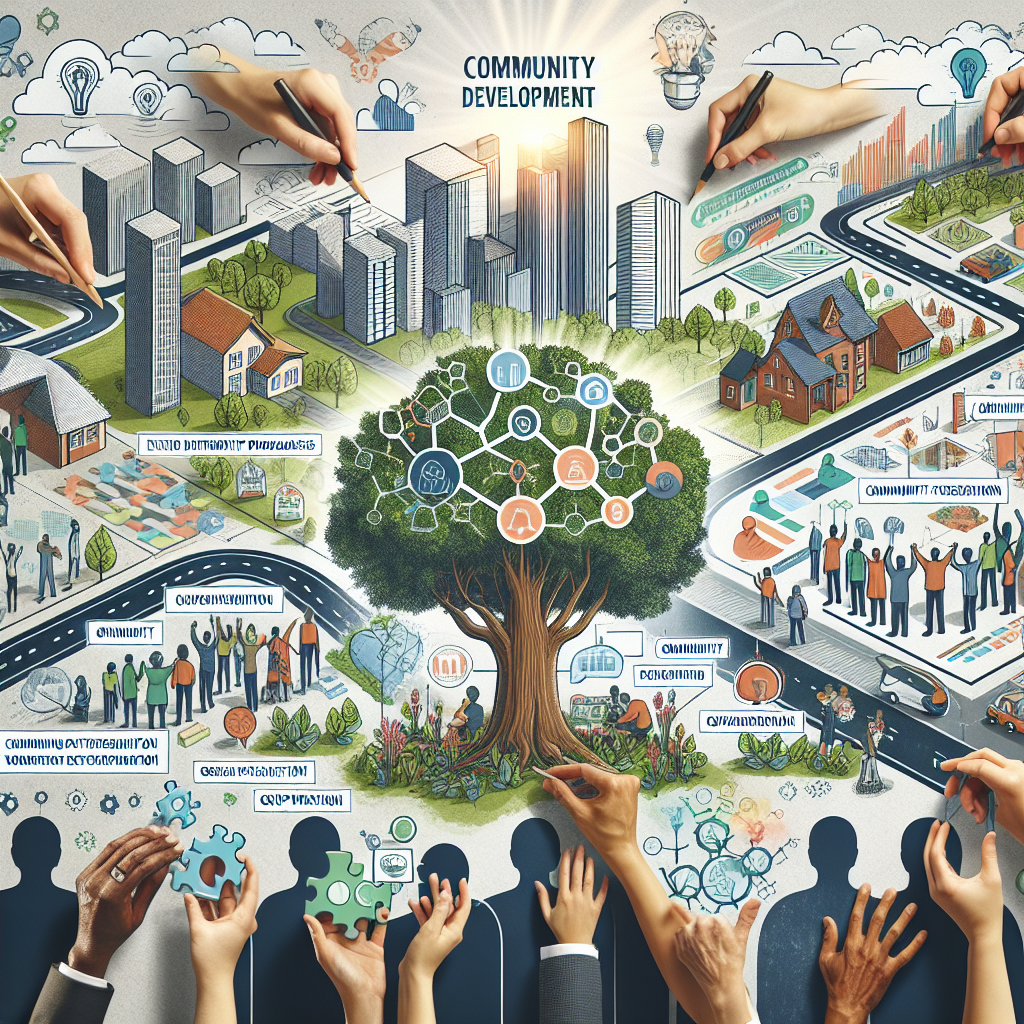
Community development is a critical aspect of promoting sustainable urban growth and improving the quality of life for residents. Around the world, innovative projects are transforming neighborhoods, fostering social inclusion, and encouraging economic development. These projects often combine creative planning, local involvement, and smart technologies to address local challenges. In this article, we will explore a variety of community development projects from different parts of the globe, examining their approaches and impacts on the communities they serve.
From urban farms that enhance food security to smart cities employing cutting-edge technologies, the range of community development initiatives is vast. While each project is unique, they all share a common goal: to create better living environments for people. These projects are a testament to human ingenuity and the power of collaboration in addressing complex urban challenges. By examining some of the most impressive and successful examples, we aim to inspire others to think creatively about community development and explore new ways to enhance the places where we live.
Urban Agriculture in Detroit, USA
Detroit, a city known for its significant industrial decline, has become a hub for urban agriculture. Several initiatives have taken root in Detroit’s vacant lots, transforming them into thriving urban farms. These projects, such as the Michigan Urban Farming Initiative (MUFI) and the Detroit Black Community Food Security Network, have pioneered efforts to address food deserts, improve local food systems, and promote sustainability.
The Michigan Urban Farming Initiative, for instance, is a nonprofit organization dedicated to using urban agriculture as a platform for addressing socioeconomic disparities. By converting vacant properties into community resources, MUFI provides fresh produce, educates residents about healthy eating, and creates local jobs. This initiative not only improves food security but also revitalizes neighborhoods, turning eyesores into productive spaces.
Meanwhile, the Detroit Black Community Food Security Network focuses on empowering African American communities by promoting food sovereignty and economic justice. Their work includes operating D-Town Farm, a seven-acre farm that serves as a model for urban agriculture and community engagement. Through these efforts, residents gain access to nutritious food, educational opportunities, and a greater sense of community.
Revitalizing Public Spaces in Medellín, Colombia
Medellín, Colombia, once infamous for its crime rates and violent history, has undergone a remarkable transformation through innovative urban planning and public space revitalization. The city’s strategy, known as “social urbanism,” focuses on integrating marginalized areas and improving public spaces to foster social inclusion and reduce violence.
One of the most notable projects is the development of the Metrocable, a cable car system that connects the city’s informal settlements with the downtown area. This transportation innovation has significantly improved mobility for residents of these marginalized neighborhoods, providing them with better access to jobs, education, and healthcare.
Additionally, the creation of Parque Biblioteca España and other library parks in economically disadvantaged areas has been central to Medellín’s community development efforts. These spaces serve as cultural and educational hubs, offering residents access to libraries, cultural activities, and internet services. By transforming neglected areas into vibrant public spaces, Medellín has not only improved the quality of life for its residents but also created a more inclusive and cohesive city.
Smart Cities and Digital Infrastructure in Singapore
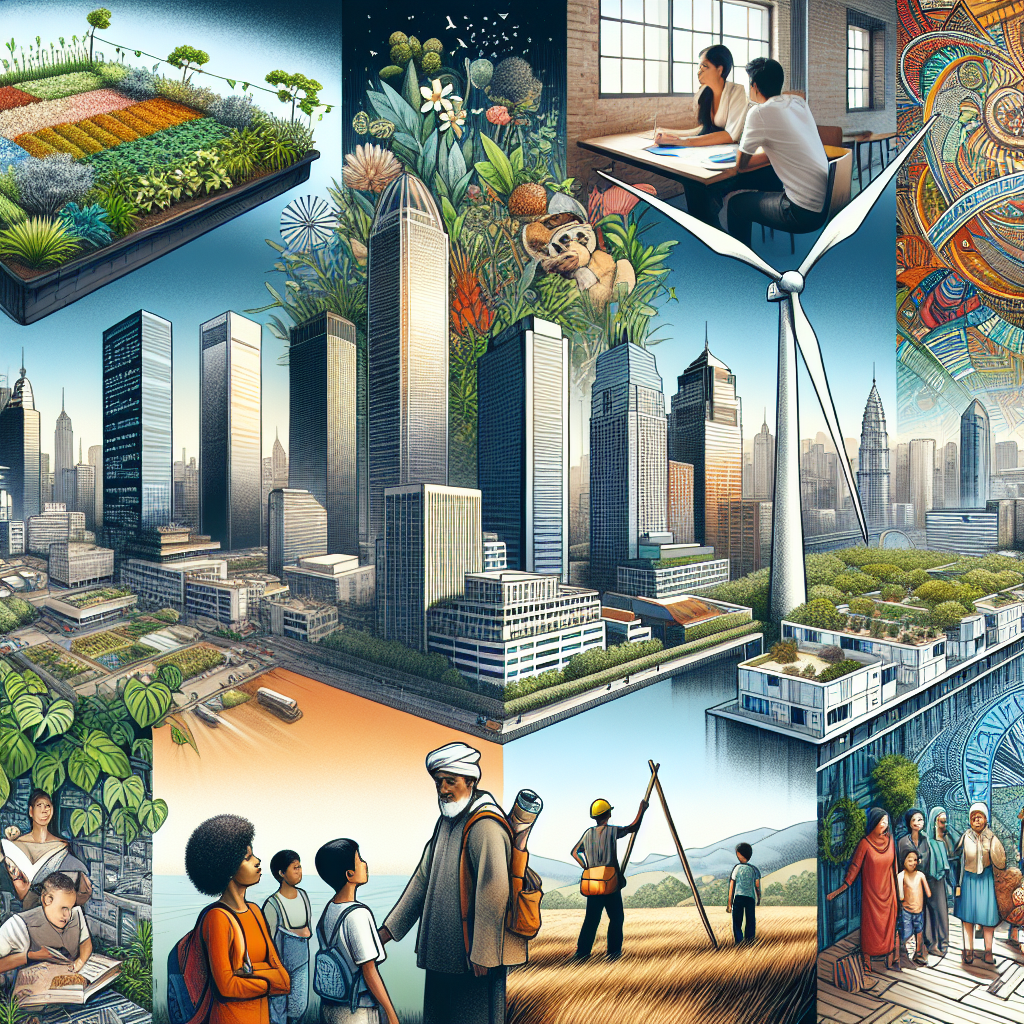
Singapore is known for its forward-thinking approach to urban development and has established itself as a global leader in developing smart cities. By leveraging digital infrastructure and innovative technologies, Singapore aims to enhance urban living, increase efficiency, and address various urban challenges.
One of the cornerstones of Singapore’s smart city strategy is the Smart Nation initiative, which includes a wide range of projects focused on creating a digitally integrated and sustainable urban environment. For example, smart sensors and data analytics are used to optimize traffic flow, reduce energy consumption, and manage waste more effectively. This not only makes the city more efficient but also enhances the quality of life for its residents.
Additionally, Singapore’s Housing and Development Board (HDB) has introduced smart-enabled public housing projects that incorporate features such as energy-efficient appliances, smart lighting, and home automation systems. These innovations promote sustainability and convenience, making smart living accessible to all.
Eco-Villages and Sustainable Living in Denmark
Denmark has been at the forefront of sustainable living and eco-friendly community development, with several eco-villages setting the standard for green living. These villages are designed to minimize environmental impact while promoting a strong sense of community and social cohesion.
One of the most prominent examples is Eco-Village Dyssekilde, located in the northern part of Denmark. Established in 1991, Dyssekilde was built with a focus on sustainability, featuring energy-efficient buildings, renewable energy sources, and organic farming practices. The village operates on the principles of shared responsibility and participatory decision-making, fostering a strong sense of community among its residents.
Another example is Friland, an eco-village that emphasizes the use of natural building materials and self-sufficiency. Residents of Friland build their homes using materials such as straw, clay, and timber, and practice permaculture to grow their own food. The community also encourages the barter economy and sharing of resources, reducing the need for external consumption.
These eco-villages in Denmark provide blueprints for sustainable living, demonstrating how communities can reduce their carbon footprint and live harmoniously with nature while fostering a strong sense of belonging and mutual support.
Inclusive Housing Solutions in Vienna, Austria
Vienna, Austria, is renowned for its inclusive and innovative housing policies, which prioritize affordability, accessibility, and community well-being. The city’s approach to social housing is widely regarded as a model for other urban centers worldwide.
One of the key aspects of Vienna’s housing strategy is the provision of Gemeindebauten, or municipal housing. These well-maintained and affordable housing units are available to a broad segment of the population, ensuring that residents from different socioeconomic backgrounds can live in harmony. By maintaining high standards for design and amenities, Vienna’s social housing projects provide residents with a dignified and supportive living environment.
In addition to traditional social housing, Vienna has also implemented innovative co-housing projects that promote community engagement and social interaction. For example, Sargfabrik is a co-housing community that includes shared spaces such as a swimming pool, event halls, and gardens. Residents participate in decision-making processes, fostering a sense of ownership and responsibility for the community’s well-being.
Vienna’s commitment to inclusive housing solutions not only ensures that residents have access to affordable and quality housing but also promotes social cohesion and a strong community spirit.
Conclusion
Innovative community development projects around the world showcase the potential for creative and inclusive approaches to urban planning. Whether addressing food insecurity in Detroit, revitalizing public spaces in Medellín, leveraging technology in Singapore, promoting sustainable living in Denmark, or providing inclusive housing in Vienna, these initiatives offer valuable lessons and inspiration for communities everywhere.
The success of these projects highlights the importance of local involvement, collaboration, and a commitment to addressing unique community needs. By tailoring development efforts to the specific challenges and opportunities within each community, these projects create lasting positive impacts, improving the quality of life for residents and fostering a sense of belonging.
As cities continue to grow and evolve, innovative community development will remain essential for creating sustainable, inclusive, and vibrant urban environments. By learning from and building upon the experiences of these pioneering projects, communities worldwide can better navigate the complexities of urban growth and work towards a brighter, more equitable future.
Ultimately, the stories of these community development initiatives remind us that with creativity, collaboration, and a commitment to inclusivity, we can overcome urban challenges and build stronger, more resilient communities for generations to come.
Frequently Asked Questions
1. What are some examples of innovative community development projects worldwide?
There are numerous innovative community development projects taking place globally that are making significant strides in transforming urban spaces and improving residents’ quality of life. For instance, in Medellín, Colombia, the city has become a symbol of urban renaissance and innovation through projects like the “Metrocable” cable car system that connects underprivileged hillside neighborhoods to the city center, fostering social inclusion and economic opportunities. Similarly, in Copenhagen, Denmark, the “Cykelslangen” or Cycle Snake is an elevated cycling bridge that enhances mobility and encourages sustainable transport. In India, the “Aakash Ganga” project aims at harvesting rainwater to provide clean water in arid regions, reflecting a blend of traditional wisdom and modern engineering. These projects utilize creative planning, strategic use of technology, and robust community involvement to address local challenges and drive forward sustainable development.
2. How do these projects promote social inclusion and community engagement?
Innovative community development projects prioritize social inclusion and community engagement by actively involving local residents and stakeholders in the planning and decision-making processes. This ensures that the projects are truly reflective of the community’s needs and aspirations. For instance, in the “Participatory Budgeting” projects found in cities like Porto Alegre, Brazil, residents have a direct say in how a portion of the municipal budget is allocated, which empowers them and fosters a sense of ownership over local development initiatives. In Detroit, USA, projects like the “Detroit Greenways Coalition” seek to connect neighborhoods through the creation of green pathways, encouraging interaction and engagement among diverse communities. By including diverse voices and focusing on participatory approaches, these projects not only address immediate needs but also strengthen the social fabric and promote long-term community resilience.
3. What role does technology play in these community development projects?
Technology plays a pivotal role in enhancing the efficiency, accessibility, and impact of community development projects. Smart technologies are increasingly being integrated into urban planning to solve local challenges and offer novel solutions. For example, Barcelona, Spain, is renowned for its “Smart City” initiatives that use sensors and data analytics to improve urban services like transportation, waste management, and energy use. In Nairobi, Kenya, the “iHub” serves as a tech incubator and community support space, fostering innovation and entrepreneurship in the tech industry. These projects exemplify how technology can facilitate real-time monitoring, improve resource allocation, and open up new possibilities for solving urban challenges. Furthermore, by leveraging technology, communities can become more connected, resilient, and efficient in their responses to a range of issues from environmental management to public health.
4. How are environmental concerns addressed in community development projects?
Environmental sustainability is a crucial component of community development projects, and many initiatives illustrate a deep commitment to eco-friendly and climate-resilient practices. Projects often focus on reducing carbon footprints, conserving natural resources, and enhancing urban green spaces. For instance, the “Green Roof Initiative” in Toronto, Canada, mandates rooftops to be covered with vegetation, which helps reduce the urban heat island effect, improves air quality, and manages stormwater runoff. In Amsterdam, the “City & Climate Plan” encompasses adaptive measures like the construction of more robust dykes and the creation of water-storage areas to mitigate the effects of rising sea levels. These initiatives demonstrate a proactive approach to environmental stewardship, ensuring that urban developments not only address current environmental challenges but also safeguard ecological integrity for future generations.
5. How can individuals get involved in community development projects?
Individuals play a key role in the success of community development projects, and there are many ways to get involved and contribute. Volunteering your time and skills is a great way to support local initiatives, whether it’s participating in neighborhood cleanups or assisting with educational workshops. Additionally, attending public meetings, forums, or workshops related to community planning can be a way to voice opinions, provide feedback, and become more informed about local projects. Many projects also rely on financial support from residents, so participating in fundraisers or making donations can be crucial for their sustainability. Moreover, by encouraging and spreading awareness about the importance of community development through social media and personal networks, individuals can help build momentum and foster greater public support. Overall, whether through direct participation, advocacy, or financial contributions, individuals have the power to significantly impact community development efforts.