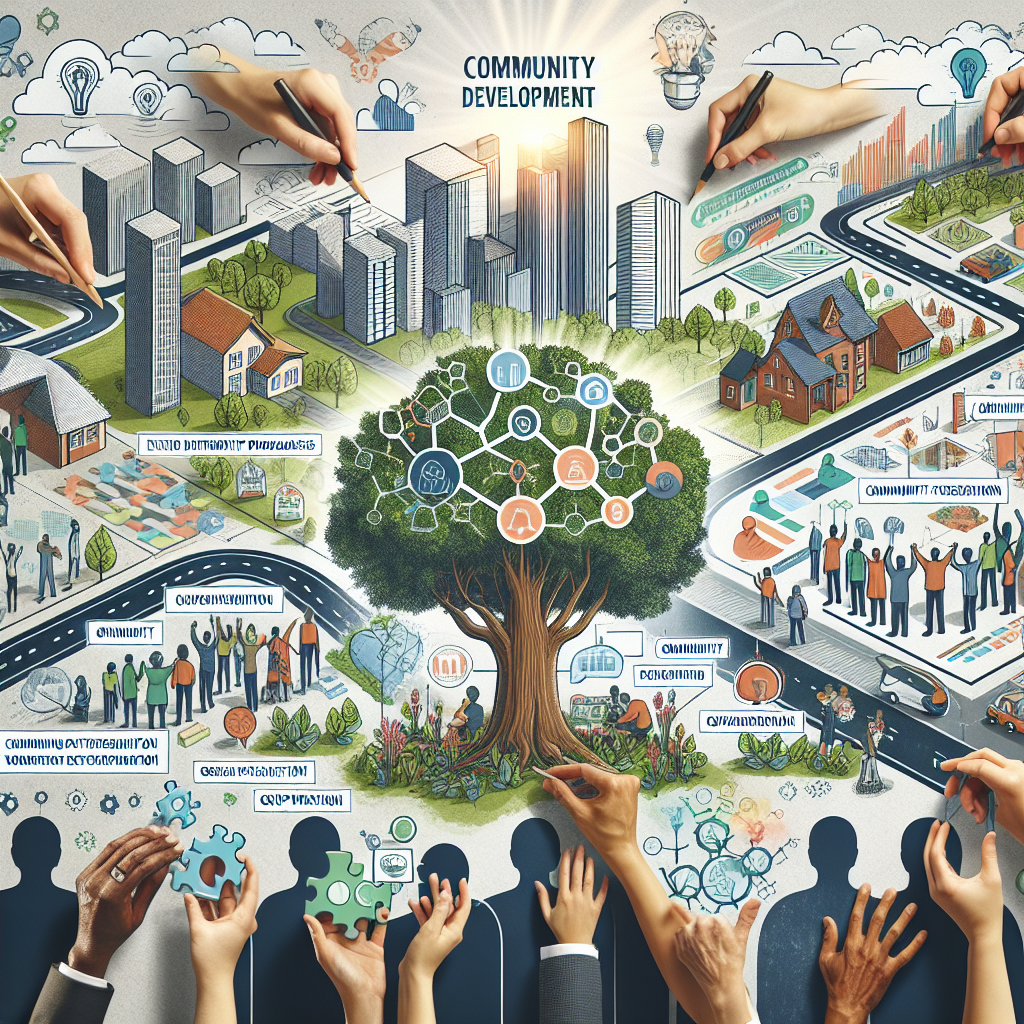
As our world continues to modernize and urbanize, the importance of community development in fostering social equity has never been more critical. It entails a multifaceted approach that involves citizens, governments, and various organizations working in harmony to create vibrant, sustainable, and inclusive communities. However, despite significant strides, many challenges hinder the realization of genuine social equity. This article delves into understanding the key principles of community development, explores the significance of social equity, and provides concrete strategies to ensure inclusive growth.
Understanding Community Development
Community development is a comprehensive process where community members come together to take collective action and generate solutions to common problems. This process empowers individuals and groups, equipping them with the skills and resources needed to contribute to the development and wellbeing of their community.
One of the primary goals of community development is to improve the quality of life for all community members. This involves ensuring access to essential services such as healthcare, education, and housing, creating economic opportunities, and fostering social inclusion. Community development is not just about addressing immediate needs but also about building a foundation for long-term sustainability and resilience.
In successful community development initiatives, community members actively participate in decision-making processes, setting priorities, and implementing plans. This participatory approach ensures that development efforts are aligned with the actual needs and aspirations of the community, leading to more effective and sustainable outcomes.
The Importance of Social Equity
Social equity is a crucial component of community development. It refers to the fair and just distribution of resources, opportunities, and privileges within a society. Social equity ensures that all individuals, regardless of their socio-economic background, race, gender, or other characteristics, have equal access to opportunities and can fully participate in society.
Achieving social equity is essential for creating inclusive and vibrant communities. When social equity is prioritized, it leads to a more cohesive society where individuals feel valued and empowered. It also helps in addressing systemic inequalities and breaking the cycle of poverty, thereby contributing to overall social and economic stability.
In the context of urban planning, social equity involves designing and implementing policies that promote inclusivity and address the needs of marginalized and disadvantaged groups. This includes ensuring affordable housing, access to quality education and healthcare, creating economic opportunities, and fostering a sense of belonging and community.
Strategies for Ensuring Inclusive Growth
Ensuring inclusive growth requires a multifaceted approach that addresses various aspects of social equity. Here are some strategies that can help in promoting inclusive growth within communities:
- Participatory Planning: Involve community members in the planning and decision-making processes. This ensures that development initiatives are aligned with the actual needs and aspirations of the community. It also fosters a sense of ownership and responsibility among community members.
- Affordable Housing: Ensure access to affordable housing for all community members, especially those from low-income backgrounds. This can be achieved through policies such as inclusionary zoning, rent control, and subsidies for affordable housing.
- Economic Opportunities: Create economic opportunities for all community members, particularly those from marginalized groups. This can be done through job training programs, supporting small businesses, and promoting inclusive economic policies.
- Access to Quality Education: Ensure access to quality education for all children and adults in the community. This involves addressing disparities in education funding, providing resources for underfunded schools, and promoting equitable access to educational opportunities.
- Healthcare Access: Ensure access to healthcare services for all community members. This includes addressing barriers to healthcare access such as cost, transportation, and discrimination.

Challenges and Barriers to Inclusive Growth
Despite the best efforts, there are several challenges and barriers that can hinder inclusive growth. Understanding these challenges is crucial for developing effective strategies to overcome them.
- Systemic Inequalities: Systemic inequalities such as racism, sexism, and economic disparities can create significant barriers to inclusive growth. Addressing these inequalities requires systemic changes and policies that promote social equity.
- Lack of Resources: Limited resources can hinder community development efforts. This includes financial resources, as well as access to essential services and infrastructure. Securing funding and partnerships with various stakeholders can help address this challenge.
- Political and Institutional Barriers: Political and institutional barriers such as lack of political will, bureaucratic red tape, and corruption can impede development efforts. Advocacy, transparency, and accountability are key to overcoming these barriers.
- Community Resistance: Resistance from community members can be a challenge, particularly when there is a lack of trust or understanding of development initiatives. Building trust, engaging in transparent communication, and ensuring that community members have a voice in the process can help address this challenge.
Case Studies of Successful Community Development Initiatives
Examining case studies of successful community development initiatives can provide valuable insights and lessons for promoting inclusive growth. Here are a few notable examples:
- Harlem Children’s Zone: Located in New York City, the Harlem Children’s Zone is a comprehensive community development initiative that focuses on education, healthcare, and economic opportunities for children and families in Harlem. The initiative has successfully addressed various aspects of social equity and has become a model for similar programs across the United States.
- Community Land Trusts (CLTs): CLTs are non-profit organizations that acquire and manage land for the benefit of the community. They provide affordable housing and prevent displacement by ensuring that properties remain affordable in perpetuity. The Dudley Street Neighborhood Initiative in Boston is a notable example of a successful CLT.
- Grameen Bank: In Bangladesh, the Grameen Bank provides microcredit to poor and marginalized groups, particularly women. By providing access to financial resources and promoting economic opportunities, the Grameen Bank has significantly contributed to poverty alleviation and social equity in rural Bangladesh.
Role of Government and Policy in Promoting Social Equity
Governments play a crucial role in promoting social equity and ensuring inclusive growth. Through policies, regulations, and programs, governments can address systemic inequalities and create an enabling environment for community development.
Some key policy areas that can promote social equity include:
- Affordable Housing Policies: Governments can implement policies such as inclusionary zoning, rent control, and subsidies for affordable housing to ensure access to housing for all community members.
- Economic Development Policies: Policies that support small businesses, job training programs, and inclusive economic practices can create economic opportunities for marginalized groups.
- Education Policies: Ensuring equitable funding for schools, providing resources for underfunded schools, and promoting equal access to educational opportunities can help address disparities in education.
- Healthcare Policies: Implementing policies that address barriers to healthcare access and promoting equitable healthcare practices can ensure healthcare services for all community members.
- Social Welfare Policies: Social welfare programs such as unemployment benefits, food assistance, and childcare support can provide a safety net for vulnerable populations and promote social equity.
Conclusion: Moving Forward Towards Inclusive Growth
Ensuring inclusive growth through community development and social equity is a complex but achievable goal. It requires a collective effort from community members, governments, and various stakeholders to create an environment where everyone has an equal opportunity to thrive.
By understanding the principles of community development and social equity, recognizing the challenges, and implementing effective strategies, we can create communities that are vibrant, sustainable, and inclusive. It is essential to remain committed to these goals and continually work towards improving the quality of life for all community members.
As we move forward, it is crucial to foster a sense of community, promote participatory decision-making, and address systemic inequalities. By doing so, we can ensure that our communities are not only places where people live but also places where they thrive.
Frequently Asked Questions
1. What is the role of community development in fostering social equity?
Community development is pivotal in promoting social equity because it seeks to enhance the welfare and economic opportunities of marginalized groups, reducing disparities and empowering all members of society. This involves collaborative efforts among citizens, government entities, and various organizations to establish communities that are not only vibrant and sustainable but also inclusive. The goal is to level the playing field by providing access to resources, education, and opportunities that might otherwise be elusive for certain groups.
By focusing on inclusivity, community development addresses systemic barriers and ensures equitable participation for everyone. Programs are tailored to understand the unique challenges of a community, bringing about solutions that are culturally and socially relevant. This approach also often involves initiatives in affordable housing, education, healthcare, and employment, paving avenues for those who might be disadvantaged due to race, gender, economic status, or other factors. In short, fostering social equity through community development is about creating an environment where everyone can thrive, regardless of their background.
2. What challenges are associated with achieving genuine social equity through community development?
Achieving genuine social equity through community development is complex due to a multitude of challenges. First, there can be a resistance to change among stakeholders who may benefit from the status quo or feel threatened by shifts in resource allocation. Further complicating this are systemic inequities that are deeply entrenched across societal frameworks, such as disparities in education, income, and access to opportunities.
Additionally, insufficient funding and resources can limit the scope and effectiveness of development programs. Many communities face constraints in terms of budgets and lack critical support from governmental bodies or private entities needed to sustain long-term projects. Another significant obstacle is the lack of data on marginalized communities, leading to poorly informed policies and programs that don’t accurately address the specific needs of the community. Coordination between multiple agencies and organizations is also a challenge, as it requires seamless collaboration and a unified vision, which can be inherently difficult to achieve. Recognizing and overcoming these challenges is crucial for realizing true social equity through community development.
3. How can community members be actively engaged in the development process to promote social equity?
Active engagement of community members is fundamental to the success of community development initiatives aimed at promoting social equity. This begins with inclusive dialogue—ensuring that every voice, particularly those from marginalized groups, is heard and valued in the decision-making processes. Conducting community meetings, workshops, and forums where residents can freely express concerns and contribute ideas encourages participation and ownership of the projects.
Moreover, education and training programs can empower individuals by equipping them with the necessary skills to engage effectively. This includes awareness campaigns that explain the rights and opportunities available to them and how they can influence change. Collaborating with local leaders and influencers, who have the community’s trust, can also enhance engagement by bridging communication gaps and fostering a sense of solidarity. Incentives for participation, such as stipends or recognition awards, might further motivate community members to contribute their time and effort. By actively involving residents, you ensure that development initiatives are truly reflective of the community’s needs and can thus more effectively promote social equity.
4. What role do governments play in ensuring inclusive growth through community development?
Governments play a crucial role in ensuring inclusive growth through community development, acting as both policymakers and facilitators. One of their key responsibilities is to create and enforce policies that foster fair distribution of resources, protect civil rights, and ensure equitable access to essential services such as education, healthcare, and employment. Governments can allocate funding for community development projects that target marginalized populations, ensuring that programs have adequate resources to make a meaningful impact.
In addition, governments can establish partnerships with non-profit organizations, businesses, and local communities to implement and manage development projects effectively. They are tasked with providing a regulatory framework that supports innovation and development while safeguarding against exploitation and injustices. Furthermore, governments can gather and analyze data to develop targeted interventions that address specific needs of different communities, ensuring that efforts are evidence-based and outcomes are measurable. By playing a proactive and inclusive role, governments can advance social equity and foster environments where all individuals have an equal opportunity to succeed.
5. How do organizations contribute to inclusive growth within their communities?
Organizations, including non-profits, businesses, and social enterprises, can be powerful catalysts for inclusive growth within communities. They operate at the grassroots level, often possessing a more nuanced understanding of the community’s unique challenges and strengths. Organizations can contribute by implementing programs that address specific needs, whether that’s through providing educational support, career training, affordable housing solutions, or health services.
Corporate entities have the potential to leverage their resources and influence to foster growth by adopting responsible business practices, such as fair hiring policies and investing in the local economy. They can also form partnerships with local governments and other nonprofits to create synergistic effects that amplify their impact. Social enterprises and NGOs often play an advocacy role, raising awareness for social equity issues and driving reform in policies that adversely affect marginalized groups. Additionally, these organizations can serve as a bridge for funding and technical assistance, ensuring that smaller community initiatives have the resources needed to thrive. Thus, organizations have a vital role in creating an ecosystem where communities can experience comprehensive, balanced growth that embraces all their members.