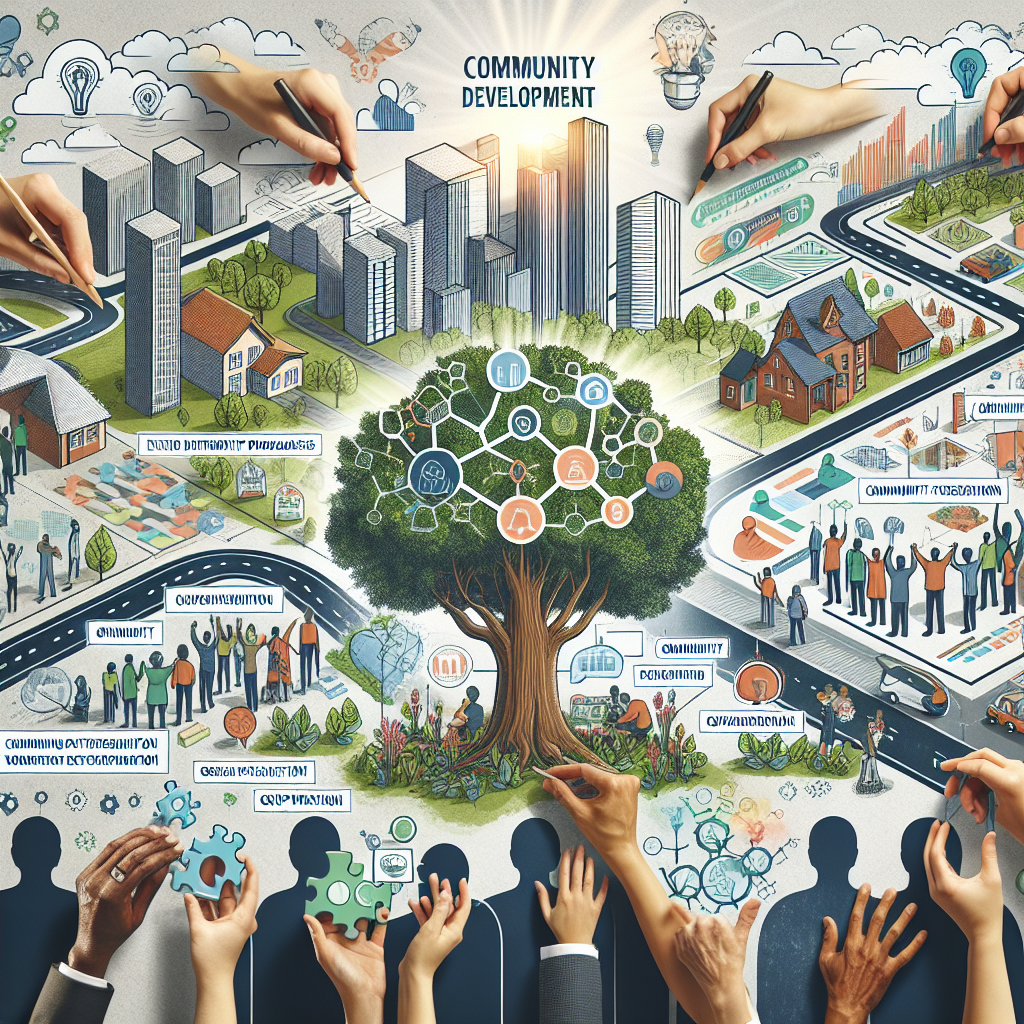
Community development is a multi-faceted process through which local governments play a critical role in enhancing the quality of life for their constituents. From zoning laws to housing initiatives, local governments hold the keys to shaping the physical, social, and economic landscape of their communities. They serve as the primary actors in coordinating efforts to build sustainable and thriving communities. But what does this role involve? And how can local governments effectively implement various strategies to foster community development?
At its core, community development aims to strengthen communities through various means—be it economic growth, social cohesion, or environmental sustainability. Local governments are often on the front lines of these efforts, facilitating partnerships with other stakeholders such as non-profits, businesses, and residents themselves. They have the statutory authority to enact policies and allocate resources in ways that can genuinely make a difference.
Whether it’s through infrastructural development, public health initiatives, or educational programs, local governments must navigate a complex maze of limitations and possibilities. The ability to understand community needs, mobilize resources, and implement effective policies is crucial for successful community development. This article delves into the myriad ways local governments contribute to community development and offers insights into best practices and challenges they face.
Planning and Zoning:
Planning and zoning are foundational elements in community development. Local governments have the responsibility to lay out comprehensive plans that outline growth and development objectives for their communities. These plans address various facets such as land use, transportation, housing, and public amenities. Effective planning ensures that development is organized, sustainable, and beneficial for all residents.
Zoning laws establish regulations on how land can be used in different areas, thus influencing the type and scale of development in various neighborhoods. For example, zoning can designate areas for residential, commercial, industrial, or mixed-use purposes. Zoning decisions can either foster inclusive communities or perpetuate social and economic inequalities, depending on how they are implemented.
Public participation is an essential component of the planning process. By involving residents in discussions about zoning and land use, local governments can ensure that the plans meet community needs and aspirations. Transparency and communication are vital, allowing community members to voice their concerns and propose alternatives.
The challenge often lies in balancing the interests of developers, businesses, and residents. Conflicts may arise when a proposed development does not align with the community’s vision. In such cases, local governments must mediate and find a middle ground that honors the overall objective of community development while addressing specific concerns.
Housing Initiatives:
Housing is one of the cornerstones of community development. Local governments play a vital role in addressing housing needs through various initiatives aimed at providing affordable, safe, and adequate housing options. They can implement policies to incentivize affordable housing development, provide housing assistance programs, and ensure that housing standards are met.
Affordable housing initiatives often involve partnerships between local governments, developers, and non-profits. These partnerships can lead to the creation of new housing units or the rehabilitation of existing ones. Financial tools such as tax credits, subsidies, and grants can make housing projects more feasible for developers while maintaining affordability for residents.
Additionally, local governments can implement rent control measures to cap rent increases and protect tenants from displacement. These measures can stabilize communities but must be balanced to ensure they do not discourage landlords from maintaining and improving their properties.
Homelessness is another pressing issue that local governments must address within their housing policies. Strategies such as providing shelters, transitional housing, and permanent supportive housing can help mitigate homelessness. By collaborating with social service agencies, local governments can offer comprehensive support that addresses the root causes of homelessness, such as mental health issues and unemployment.

Economic Development:
Economic development is vital for creating prosperous communities. Local governments can stimulate economic growth through various strategies such as business incentives, workforce development programs, and infrastructure investments. These efforts help attract businesses, create jobs, and foster a robust local economy.
Business incentives can take many forms, including tax breaks, grants, and low-interest loans. By making it easier for businesses to establish and expand, local governments can create a more conducive environment for economic activities. Special economic zones or industrial parks can also be designated to concentrate resources and support specific sectors.
Workforce development programs aim to equip residents with the skills needed to thrive in the local labor market. These programs can include vocational training, apprenticeship opportunities, and education initiatives. By aligning workforce skills with industry needs, local governments can reduce unemployment and underemployment, fostering economic stability.
Infrastructure development is another key area where local governments can make a significant impact. By investing in transportation networks, utilities, and public facilities, they can enhance the community’s overall functionality and attractiveness. Improved infrastructure can also increase property values and encourage further private investment.
Collaborating with local businesses and community organizations is crucial to the success of economic development initiatives. By engaging stakeholders and considering their input, local governments can design programs that meet the community’s specific needs and maximize the benefits of economic growth.
Public Health and Safety:
Ensuring public health and safety is a fundamental responsibility of local governments in community development. By implementing policies and programs focused on health and safety, they can create healthier environments and improve residents’ quality of life.
Public health initiatives may include promoting healthy lifestyles, increasing access to healthcare services, and addressing social determinants of health. Local governments can facilitate partnerships with healthcare providers, non-profits, and other organizations to expand health services and promote wellness programs.
Environmental health is also a critical aspect, often overseen by local governments. This includes monitoring air and water quality, managing waste, and addressing pollution. Implementing environmental regulations and sustainability measures can significantly impact public health and the overall well-being of the community.
Public safety involves maintaining law and order and ensuring the safety of residents through effective policing, emergency services, and disaster preparedness. Local governments play a crucial role in funding and overseeing police and fire departments, emergency medical services, and community safety programs.
Additionally, addressing issues such as crime prevention, substance abuse, and mental health can contribute to a safer community. Programs aimed at youth engagement, public awareness campaigns, and support services can deter criminal activities and promote safer neighborhoods.
Community policing is an approach that local governments can adopt to enhance safety. By building trust and collaboration between law enforcement and community members, community policing can effectively address local concerns and improve safety outcomes.
Education and Recreation:
Education and recreation are vital components of community development that contribute to the overall well-being and quality of life of residents. Local governments have a significant role in supporting educational institutions, promoting lifelong learning, and providing recreational opportunities.
By investing in schools, libraries, and other educational facilities, local governments can create environments conducive to learning and personal growth. Supporting public education through adequate funding, resources, and facilities is essential for fostering academic success and preparing future generations for the challenges of the job market.
Lifelong learning programs, such as adult education and vocational training, are also critical. These initiatives can help residents acquire new skills, adapt to changing economic conditions, and pursue personal interests. Local governments can collaborate with educational institutions, non-profits, and businesses to develop comprehensive lifelong learning programs.
Recreational opportunities contribute to the physical and mental well-being of residents. Local governments can develop parks, sports facilities, and community centers that offer a variety of recreational activities for all ages. These facilities provide spaces for physical activity, social interaction, and community engagement.
Community events and programs, such as sports leagues, cultural festivals, and arts workshops, also enhance social cohesion and create a sense of community. Local governments can support these initiatives by providing funding, resources, and logistical assistance.
By prioritizing education and recreation, local governments can create vibrant, engaged, and healthy communities. These efforts require collaboration with various stakeholders, including educational institutions, community organizations, and residents, to ensure that programs and facilities meet the community’s needs and aspirations.
Conclusion:
The role of local governments in community development is multifaceted and encompasses various areas, including planning and zoning, housing initiatives, economic development, public health and safety, and education and recreation. By leveraging their statutory authority, resources, and partnerships, local governments can effectively implement policies and programs that enhance the quality of life for their constituents.
Successful community development requires a holistic approach that considers the diverse needs and aspirations of residents. Local governments must engage with community members, businesses, and other stakeholders to ensure that development efforts are inclusive, equitable, and sustainable.
Challenges such as balancing competing interests, addressing disparities, and securing adequate funding are inherent in the community development process. However, by adopting best practices, leveraging innovative solutions, and fostering collaboration, local governments can navigate these challenges and create thriving communities.
Looking forward, the role of local governments in community development will continue to evolve in response to changing societal needs and priorities. As new challenges and opportunities arise, local governments must remain adaptable and proactive in their efforts to build resilient and prosperous communities.
Ultimately, the success of community development initiatives hinges on the ability of local governments to understand and address the unique dynamics of their communities. By fostering a sense of shared purpose and working collaboratively with all stakeholders, local governments can create environments that not only meet immediate needs but also lay the foundation for long-term growth and stability.
Frequently Asked Questions
1. How do local governments contribute to community development?
Local governments are pivotal in community development through a variety of roles and responsibilities. They set zoning laws, which determine the type of buildings and uses that can exist in specific areas, influencing everything from commercial growth to housing density. Local governments also spearhead housing initiatives, often collaborating with developers to create affordable housing options. They’re involved in urban planning, which dictates how land is used, guiding transportation, and infrastructure projects that can greatly improve a community’s connectivity and accessibility.
Moreover, they play significant roles in providing essential services like water, sanitation, roads, and public transportation—all crucial for a functioning community. Public safety services, such as local law enforcement, fire departments, and emergency medical services, are directly managed by local governments, ensuring the community’s well-being and safety. Furthermore, they have a hand in the local economy by creating a business-friendly environment, offering incentives for new businesses, and supporting workforce development programs. They may also focus on recreational and cultural development to enhance residents’ quality of life through parks, libraries, and community centers, often collaborating with non-profit organizations and volunteer groups.
2. What challenges do local governments face in community development?
Local governments confront multiple challenges while driving community development. Limited financial resources can hinder their ability to implement comprehensive development plans. This constraint necessitates careful budgeting and sometimes results in seeking external funding, such as state or federal grants, which can be competitive and restrictive. Political challenges also arise, as changes in leadership and priorities can shift developmental focuses, potentially disrupting continuity in ongoing projects.
Community engagement and consensus-building present another hurdle. While it’s essential for jurisdictions to incorporate residents’ input and address community needs effectively, achieving this balance can be complex. Diverse community interests can sometimes conflict, requiring local governments to mediate carefully. Additionally, regulatory and bureaucratic challenges can delay project timelines. Navigating complex regulations, such as environmental laws, building codes, and other compliance issues, often requires skilled planning and negotiation. Balancing sustainable development with economic growth is another concern, as local governments strive to create long-term sustainable plans that don’t compromise future generations’ needs.
3. Why are zoning laws important for community development?
Zoning laws are crucial because they define how land in the community can be used, which directly influences the development patterns. These laws help organize cities and towns into residential, commercial, industrial, and mixed-use areas, shaping a community’s overall structure and function. By dictating what types of buildings and activities are permitted in different areas, zoning ensures that incompatible land uses, such as heavy industry next to residential neighborhoods, are kept separate, thus minimizing conflicts among land-use priorities.
Zoning also plays a role in maintaining the character of a community. For instance, by preserving historic districts or regulating building heights, local governments can protect a community’s aesthetic and cultural identity. It also supports public health and safety by controlling factors such as overcrowding and environmental hazards. Additionally, zoning laws can be utilized to promote equitable development. For example, inclusionary zoning can mandate affordable housing in new developments, thus fostering diverse and inclusive communities.
4. How can local governments effectively involve the community in the development process?
Local governments can effectively involve the community by establishing transparent and inclusive engagement processes. This can be achieved through public meetings, workshops, and forums where residents can voice their opinions and concerns. Utilizing digital platforms and social media channels can enhance outreach, especially to engage younger demographics who might not attend traditional meetings.
Creating advisory boards or committees that consist of diverse community representatives, including residents, business owners, and community leaders, can facilitate ongoing dialogue and collaboration. Providing education and resources about community planning processes helps demystify government decisions, fostering trust and better informed input from residents. Participatory planning methods, such as charrettes—intensive design and planning sessions—can encourage community members to take ownership of the development process. Lastly, soliciting feedback on draft plans and policies ensures that community input is considered before final decisions are made.
5. What role do local governments play in sustainable community development?
Local governments are essential in driving sustainability initiatives to ensure that development meets the needs of current residents without compromising future generations. They create and enforce regulations that promote environmental sustainability, such as energy efficiency standards for buildings, waste reduction and recycling programs, and initiatives to reduce carbon footprints through sustainable transportation options like public transit and bike lanes.
They can incentivize green building practices through subsidies or tax credits, encouraging developers to incorporate sustainable materials and methods. By preserving natural spaces and promoting urban greening initiatives, such as tree planting and community gardens, local governments can enhance urban environments’ ecological health. Moreover, they develop comprehensive plans that address environmental resilience, focusing on climate change adaptation strategies such as flood defenses and heat island mitigation.
Local governments also work to integrate sustainability into economic development strategies by supporting local businesses that align with environmental values and encouraging sustainable tourism. Finally, through educational programs and partnerships with schools and organizations, they play a pivotal role in raising awareness about sustainability issues and promoting community participation in sustainability efforts. This holistic approach ensures a balanced interaction between economic growth, social equity, and environmental protection.