
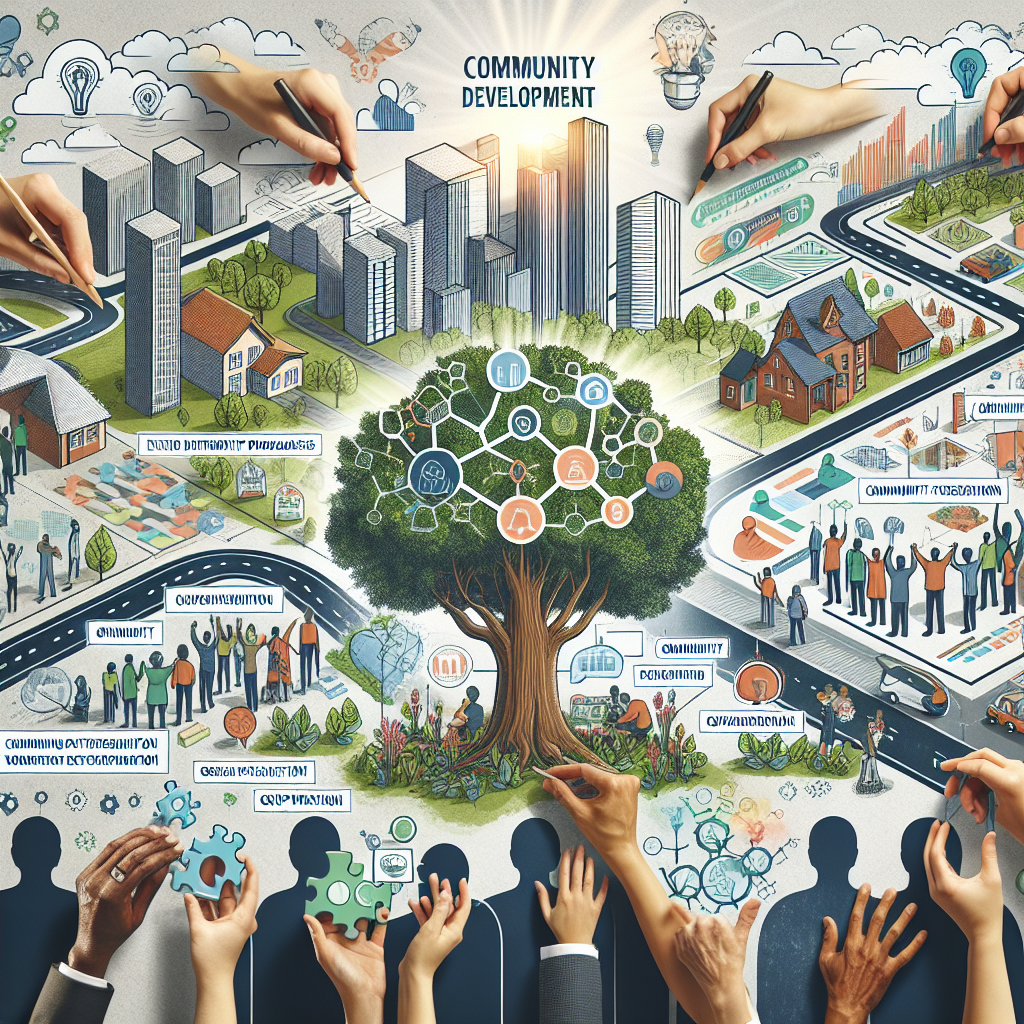
Community development is a crucial aspect of modern urban planning and housing. It focuses on creating a sustainable, inclusive, and thriving environment for all its inhabitants. The goal of community development is to empower individuals and groups by providing them with the skills, knowledge, and resources needed to improve their quality of life and contribute to the overall well-being of their community. This can be achieved through various initiatives, such as affordable housing projects, educational programs, health services, and economic development opportunities. In this article, we will explore the key concepts and principles of community development, highlighting the importance of collaboration, inclusivity, and sustainability in creating healthy and vibrant communities.
Collaborative Approach
One of the cornerstones of community development is the collaborative approach. This involves bringing together diverse stakeholders, including residents, local government agencies, non-profit organizations, and private sector businesses, to work towards common goals. By fostering partnerships and encouraging open communication, communities can leverage the strengths and resources of each stakeholder to address the unique challenges they face. A collaborative approach ensures that the voices of all community members are heard and that their needs are met. It also promotes a sense of ownership and responsibility, as individuals and groups are actively involved in the decision-making process and the implementation of various initiatives.
Inclusivity and Equity
Inclusivity and equity are essential principles in community development. These principles ensure that all members of a community, regardless of their background, have equal access to opportunities and resources. An inclusive community is one where everyone feels welcome, valued, and respected. This can be achieved by promoting diversity, addressing systemic inequalities, and creating spaces that cater to the needs of various groups, such as people with disabilities, seniors, and marginalized communities. Equity, on the other hand, involves providing additional support to those who need it most, ensuring that everyone has a fair chance to succeed. By prioritizing inclusivity and equity, communities can create a more just and harmonious environment for all their residents.

Sustainability
Sustainability is a critical aspect of community development, as it focuses on creating long-lasting and environmentally-friendly solutions. This involves implementing practices that reduce the community’s ecological footprint, such as promoting energy efficiency, reducing waste, and encouraging the use of renewable resources. Sustainable community development also encompasses social and economic sustainability, ensuring that the community’s growth and development do not come at the expense of future generations. By adopting sustainable practices, communities can create a healthier and more resilient environment that supports the well-being of all its inhabitants.
Capacity Building
Capacity building is another essential concept in community development. It refers to the process of strengthening the skills, knowledge, and abilities of individuals and organizations within a community. This can be achieved through various means, such as training programs, workshops, and mentoring opportunities. By investing in capacity building, communities can empower their members to take on leadership roles, advocate for their needs, and drive positive change. This not only leads to a more self-sufficient and resilient community but also fosters a sense of pride and belonging among its residents.
Economic Development
Economic development is a fundamental aspect of community development, as it aims to create opportunities for residents to achieve financial stability and prosperity. This involves attracting businesses and investors to the community, supporting local entrepreneurs, and creating jobs. Economic development initiatives can also include providing access to affordable housing, education, and healthcare, as these are essential components of a thriving community. By focusing on economic development, communities can improve their overall quality of life and create a more stable and sustainable environment for their residents.
Social Cohesion
Social cohesion refers to the strength of relationships and sense of solidarity among members of a community. A cohesive community is one where individuals feel connected to each other and work together towards common goals. This can be achieved by promoting social interactions, fostering a sense of belonging, and addressing issues that may cause division, such as discrimination or crime. Social cohesion is essential for community development, as it creates a supportive and inclusive environment where residents can thrive. By prioritizing social cohesion, communities can build stronger and more resilient networks that contribute to their overall well-being.
Conclusion
In conclusion, community development is a multifaceted and dynamic process that involves various principles and concepts, such as collaboration, inclusivity, sustainability, capacity building, economic development, and social cohesion. By understanding and implementing these principles, communities can create a more inclusive, sustainable, and thriving environment for all their residents. It is essential for all stakeholders, including residents, local government agencies, non-profit organizations, and private sector businesses, to work together towards common goals and address the unique challenges faced by their communities. By doing so, they can create a sense of belonging, ownership, and pride among residents, leading to a healthier and more vibrant community.
Frequently Asked Questions
1. What is community development, and why is it important?
Community development is a dynamic process that involves empowering individuals and groups within a community to drive their social, economic, and cultural well-being. It’s all about fostering a sense of ownership and collaboration among community members to ensure everyone has access to essential resources and opportunities. This process is crucial because it helps create environments where people can thrive, reducing inequalities and enhancing overall quality of life. By focusing on sustainable initiatives, such as affordable housing, education, and healthcare, community development lays the foundation for long-term prosperity and resilience. It transforms areas from being just places to live into vibrant, interconnected neighborhoods where everyone feels valued and included.
2. What are the fundamental principles guiding community development?
The principles underpinning community development are critical to ensuring its effectiveness and sustainability. Firstly, empowerment is key—providing individuals with the tools and confidence needed to influence their communities positively. Participation is another cornerstone, involving residents in the decision-making process to ensure initiatives are democratically informed and meet actual needs. Equity and inclusivity are vital, ensuring that every community member, regardless of background, has equal access to opportunities and resources. The focus on sustainability means initiatives are designed not just for immediate impact but for long-term benefits. Lastly, collaboration across different sectors—government, private, and non-profit—enhances resource-sharing and problem-solving, resulting in more comprehensive and impactful community outcomes.
3. How do community development initiatives typically get started?
Community development initiatives often begin with thorough research and engagement with the community to understand specific needs and aspirations. This grassroots approach is crucial; it ensures that strategies align closely with what residents themselves identify as priorities. Local governments and community organizations typically spearhead these processes by conducting surveys, hosting town hall meetings, and forming focus groups. It’s essential to involve a diverse range of voices, including those often marginalized, to capture a complete picture of the community’s needs. Based on these insights, stakeholders work together to develop an action plan detailing the goals, methods, resources required, and timelines. Throughout the process, maintaining open communication channels and fostering a sense of community ownership are crucial elements for long-term success and participation.
4. Can you give examples of successful community development initiatives?
Numerous community development initiatives worldwide serve as shining examples of how thoughtful planning and collaboration can lead to remarkable outcomes. One notable example is the transformation of formerly blighted urban areas into thriving mixed-use neighborhoods, such as the revitalization of New York City’s Times Square. This initiative involved strategic partnerships between local authorities, businesses, and community stakeholders to revamp the area’s infrastructure, increasing safety, improving public spaces, and boosting local commerce. Another example is the community-driven approach taken in Curitiba, Brazil, known for its sustainable urban planning. The city’s focus on integrated public transport systems, green spaces, and waste management was driven by continuous public engagement and participation, elevating residents’ quality of living. Both examples underscore the power of aligning community goals with strategic planning to achieve impressive, lasting changes.
5. What challenges do community developers often face?
Community developers frequently navigate several challenges in their efforts to foster thriving neighborhoods. One primary obstacle is securing consistent funding, which is vital for launching and sustaining projects over time. Economic fluctuations and political changes can impact the availability of resources, requiring developers to be adept at finding alternative financing options, such as grants, partnerships, or community fundraising. Resistance to change from community members or institutions can also pose a challenge, often requiring extensive communication and engagement efforts to demonstrate the potential benefits of proposed initiatives. Additionally, coordinating among diverse stakeholders with varying interests and priorities demands skilled negotiation and collaboration. Overcoming these challenges requires flexibility, persistence, and a deep commitment to community-driven goals. By fostering strong relationships and building trust within the community, developers can address these hurdles and achieve their objectives effectively.


