

Urban planning plays a pivotal role in shaping cities that are sustainable, inclusive, and efficient. It involves a wide range of activities from land use planning to transportation systems, from housing policies to public spaces. However, traditional urban planning processes often lack direct citizen participation, leading to policies that may not fully address the needs and desires of the community. This is where Participatory Budgeting (PB) comes into play. PB is a democratic process in which community members directly decide how to allocate part of a public budget. The approach has proven effective in making urban planning more inclusive and tailored to residents’ needs.
The concept of Participatory Budgeting originated in Porto Alegre, Brazil, in the late 1980s and has since been adopted by cities around the globe. By involving citizens in the budgetary decision-making process, municipalities can foster greater transparency, accountability, and responsiveness. Furthermore, participatory budgeting can serve to educate the public about governmental processes and financial constraints, creating a more informed citizenry. This article delves into the intersection of urban planning and participatory budgeting, exploring how engaging citizens in decisions can lead to more democratically governed and well-planned cities.
The Basics of Urban Planning
Urban planning is the discipline responsible for developing strategies and action plans to manage the spatial organization of cities and regions. It encompasses zoning laws, land-use planning, infrastructure development, transportation systems, and environmental policies, among other facets. The main goal of urban planning is to create communities that are economically, socially, and environmentally sustainable.
Traditional urban planning methodologies often rely on top-down approaches, where decisions are made by governmental bodies or experts without significant input from the general public. While this approach has its merits, it can sometimes result in policies that do not fully reflect the needs and aspirations of the communities they are meant to serve. For instance, a new public park might be planned without considering whether the chosen location is easily accessible to all residents or whether the park’s design meets the community’s recreational needs.
In contrast, more contemporary methods emphasize public participation and community input in the planning process. Participatory methods recognize that residents possess localized knowledge and insights that can significantly enhance the planning process. Involving community members can thus lead to smarter, more equitable planning outcomes that are more likely to gain public support. However, participation often requires innovative tools and frameworks to be effective, which brings us to the concept of participatory budgeting.
What is Participatory Budgeting?
Participatory Budgeting (PB) is a process through which local people directly decide how to spend part of a public budget. This democratic involvement enables residents to identify, discuss, and prioritize public spending projects, allowing them to make real decisions about their community’s finances. The process typically involves several steps, including idea collection, project development, voting, and implementation.
Idea collection is the phase where community members submit proposals for budget allocation. Those proposals are then reviewed and refined into feasible projects by both residents and local government officials during the project development stage. This collaborative effort ensures that the projects are not only desirable but also practical and fiscally responsible.
The next critical stage in PB is the voting phase, where community members vote on which projects should receive funding. This democratic voting process allows the most popular and community-supported projects to rise to the forefront. Finally, the selected projects enter the implementation phase, where the local government executes the chosen initiatives.
PB increases the likelihood of more equitable distribution of resources. It also promotes civic engagement, as residents become more involved in the political process and more knowledgeable about public finances. Moreover, PB fosters greater transparency and accountability in local government, which can enhance public trust and confidence in governmental institutions.
Benefits of Participatory Budgeting in Urban Planning
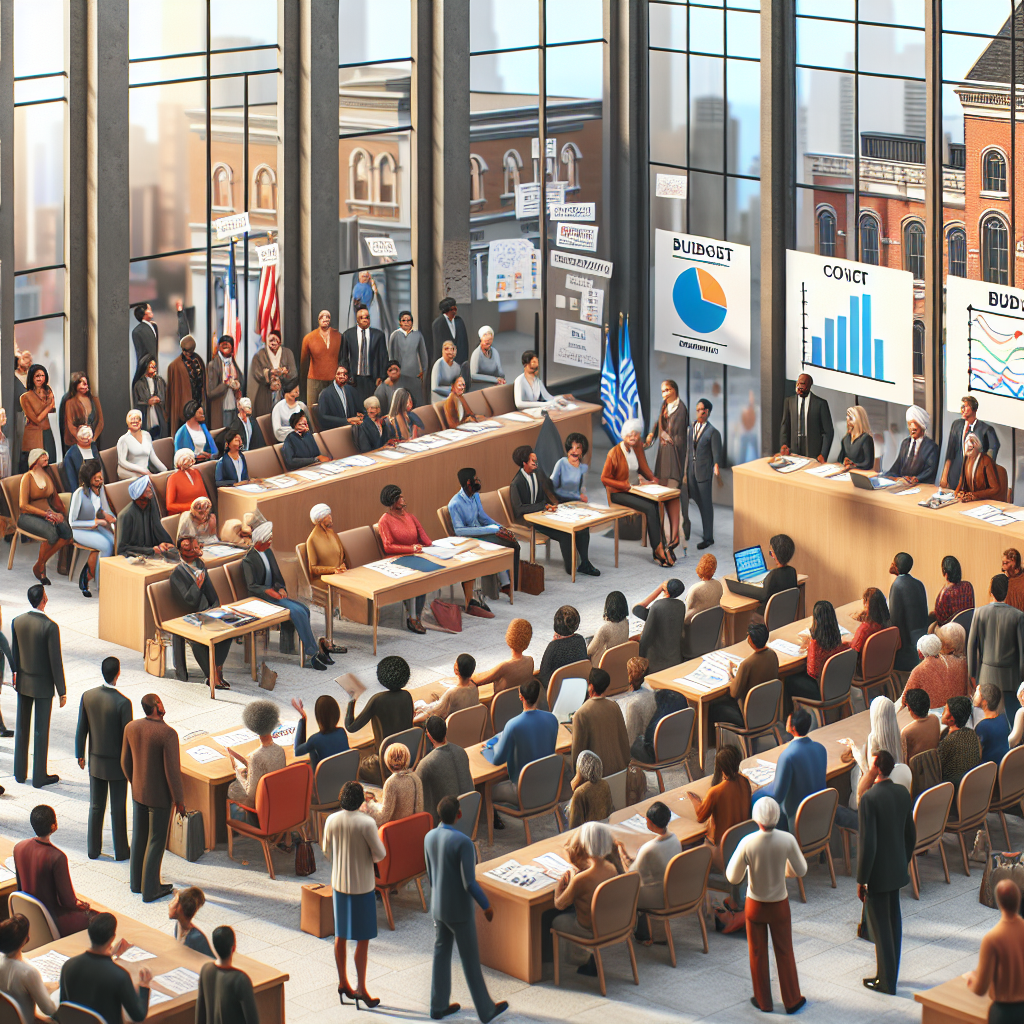
Integrating Participatory Budgeting into urban planning processes offers numerous benefits. For one, it can significantly enhance the inclusiveness of urban development projects. Since PB involves direct input from community members, it ensures that the needs and priorities of the most marginalized and underserved populations are taken into account. This leads to a more equitable distribution of resources and benefits.
Another key advantage is the increase in transparency and accountability. Traditional budgetary processes in urban planning are often opaque, with little public oversight or involvement. PB, however, introduces a level of transparency by making the decision-making process open and inclusive. This openness helps to build public trust and can lead to more responsible fiscal management.
Moreover, PB serves as an educational tool, helping community members understand the complexities of public budgeting and urban planning. As residents participate in PB, they gain a better understanding of governmental operations, constraints, and priorities. This increased knowledge can empower citizens to engage more constructively with local governments and advocate more effectively for their needs.
PB can also foster stronger community bonds. As residents work together to decide on which projects to fund, they engage in dialogues and collaborations that strengthen social cohesion. These interactions can create a sense of shared responsibility and collective ownership over community outcomes, leading to more resilient and vibrant communities.
Challenges and Limitations of Participatory Budgeting
While Participatory Budgeting offers numerous benefits, it is not without its challenges and limitations. One of the primary challenges is ensuring broad and inclusive participation. Often, those who are most vocal and active in participatory processes are not necessarily representative of the wider community. Efforts must be made to engage a diverse cross-section of residents, particularly those from marginalized groups.
Additionally, there can be practical and logistical difficulties in implementing PB. For example, organizing and facilitating multiple stages of the process—from idea collection to voting and implementation—requires significant resources, time, and expertise. Local governments may face constraints in terms of budget, human resources, and technical capacity to effectively carry out PB.
Another limitation is that the scope of PB is often restricted to relatively small portions of the public budget. While PB can influence important decisions, it typically does not cover the entire budget of a municipality. Therefore, while PB can lead to valuable community-driven projects, it may not address larger structural issues within urban planning and policy.
Lastly, the success of PB depends heavily on the commitment and cooperation of local government officials. Without enthusiastic support from key stakeholders in government, PB initiatives can become tokenistic or fail to be implemented effectively. Building and maintaining political will is therefore crucial for the sustained success of PB.
Case Studies: Success Stories in Participatory Budgeting
Several cities around the world provide excellent examples of successful Participatory Budgeting initiatives that have significantly impacted urban planning and community development. One such example is Porto Alegre in Brazil, where PB originated. This initiative has led to substantial improvements in public services and infrastructure, especially in low-income neighborhoods. By involving residents directly in the decision-making process, Porto Alegre has seen more equitable resource distribution and enhanced civic engagement.
Another notable example is New York City, which has implemented PB in several council districts. In these districts, residents have been able to directly influence the allocation of millions of dollars in public funds. Projects funded through PB in New York have included improvements to schools, parks, and community centers, reflecting the priorities and needs of local residents.
In Paris, PB has also been embraced as a way to democratize urban planning and public spending. The city allocated a portion of its budget specifically for citizen-led projects, which have ranged from green spaces and urban agriculture to technological innovations and cultural initiatives. The Parisian model of PB has been recognized for its inclusiveness and its ability to foster innovative and community-driven solutions to urban challenges.
These case studies highlight how PB can be a powerful tool for enhancing urban planning and policy. By providing residents with a direct say in how public funds are used, cities can promote more equitable development, improved public services, and stronger community ties.
Implementing Participatory Budgeting: A Step-by-Step Guide
Implementing Participatory Budgeting in urban planning involves several key steps that ensure the process is inclusive, transparent, and effective. These steps include:
- Preparation: This involves setting up a steering committee, allocating a portion of the budget for PB, and developing clear guidelines for participation.
- Idea Collection: Engage residents through community meetings, workshops, and online platforms to gather ideas for budget allocation.
- Project Development: Review and refine the collected ideas to ensure they are feasible and align with municipal priorities. This often involves collaboration between residents and city officials.
- Public Voting: Organize a voting process where community members can vote on the project proposals. This can be done through in-person voting, online platforms, or both.
- Implementation: Once the most popular projects are selected, the city government is responsible for implementing them. Regular updates and reports should be provided to the community to ensure transparency.
- Evaluation and Feedback: After implementation, the process should be evaluated to assess its effectiveness and gather feedback from participants. This helps improve future PB initiatives.
By following these steps, cities can create a structured and transparent PB process that effectively incorporates community input into urban planning decisions. It is also crucial to continuously adapt and refine the process based on feedback and changing circumstances to ensure its ongoing relevance and effectiveness.
Conclusion
Integrating Participatory Budgeting into urban planning is a powerful way to make cities more democratic, inclusive, and responsive to the needs of their residents. By involving citizens directly in budgetary decisions, PB helps ensure that public funds are allocated in ways that reflect the community’s priorities and foster greater equity. Moreover, the process of PB can enhance transparency, build public trust, and empower residents with a deeper understanding of local governance and budgeting.
While PB is not without its challenges and limitations, its benefits make it a valuable tool for modern urban planning. From fostering civic engagement to promoting more equitable resource distribution, PB can lead to more resilient and vibrant communities. Successful case studies from around the world demonstrate the potential for PB to transform urban planning and policy, making cities more livable and inclusive.
As cities continue to grow and evolve, the principles of Participatory Budgeting can serve as a guide for creating urban spaces that truly reflect the needs and aspirations of their inhabitants. By embracing PB, municipalities can not only improve their planning processes but also strengthen the democratic fabric of their communities, ultimately leading to more sustainable and harmonious urban development.
Frequently Asked Questions
1. What is urban planning and why is it important for cities?
Urban planning is the process of designing and regulating the use of spaces in urban areas. It involves creating comprehensive plans that guide the development of communities in ways that are sustainable, functional, and conducive to the well-being of its residents. This process covers a wide array of activities including land use planning, the integration of transportation systems, effective housing policies, the creation and maintenance of public spaces, and more. Each component is strategically planned to ensure that cities grow in a way that is balanced and meets the diverse needs of its citizens.
The importance of urban planning cannot be overstated in our rapidly urbanizing world. It allows cities to manage population growth efficiently, mitigate environmental impacts, and create vibrant, inclusive communities. Strategic urban planning ensures that cities are not only developed with current inhabitants in mind but are also equipped to handle future challenges. For example, it’s crucial in addressing issues like traffic congestion, pollution, and housing shortages, ultimately playing a vital role in elevating the quality of life in urban settings.
2. How does Participatory Budgeting involve citizens in the urban planning process?
Participatory Budgeting (PB) is an innovative democratic process that empowers citizens to have a direct hand in deciding how to allocate part of a municipal or public budget. Unlike traditional budgeting, which typically involves government officials and planners making decisions behind closed doors, PB opens the process up to ordinary residents. This involvement starts at the ground level, where citizens brainstorm ideas and prioritize public spending on projects they believe will benefit the community most.
In urban planning, PB enables citizens to directly influence decisions about their urban environment. It could be used to determine priorities in urban projects such as park renovations, street improvements, localized transportation solutions, and more. Through a series of participatory meetings and voting processes, citizens contribute their unique insights and local knowledge to help shape projects that better reflect their communities’ lived experiences and needs. PB builds a bridge between decision-makers and the public, fostering a greater sense of community involvement, transparency, and accountability in urban development processes.
3. What are the benefits of citizen engagement in urban planning?
Citizen engagement in urban planning offers numerous benefits that extend across various dimensions of city development. Firstly, it leads to decisions that are more democratic and reflective of the actual needs and priorities of residents. By involving citizens, urban planners can tap into a wealth of local knowledge and diverse perspectives, which are vital in crafting solutions that are both innovative and effective.
Furthermore, citizen engagement can lead to greater public satisfaction with urban development initiatives, as individuals feel their voices are heard and valued. This can result in increased trust in local governance and higher rates of civic participation. Engaging citizens also encourages community cohesion and a sense of ownership over local projects, fostering pride and responsibility among residents for the spaces in which they live. In the long term, participatory processes can yield more sustainable and resilient urban environments by ensuring that development is socially equitable and economically inclusive.
4. What challenges exist in implementing Participatory Budgeting effectively?
While Participatory Budgeting offers a pathway toward more engaged and reflective governance, its successful implementation faces several challenges. One primary hurdle is ensuring broad and diverse participation. Often, PB initiatives can be dominated by those with the time, resources, or knowledge to engage, potentially sidelining voices from marginalized or lower-income communities. Developing strategies to include these groups effectively requires careful outreach and support.
Another challenge lies in aligning PB with existing political and administrative structures. Integrating these participatory processes into bureaucratic systems not traditionally designed for them can result in bottlenecks or conflicts. Furthermore, there can be resistance from political entities or public officials who are wary of sharing power or who may view PB as a challenge to their authority.
Finally, sustaining momentum and community interest over time can also be difficult. Initial enthusiasm may wane if citizens do not see the tangible impacts of their participation, or if the process lacks transparency and feedback loops. Addressing these challenges requires a commitment to continual engagement, robust communication strategies, effective facilitation skills, and a genuine willingness to adapt and respond to community-based feedback.
5. How can urban planners foster more inclusive and effective citizen engagement?
To foster more inclusive and effective citizen engagement, urban planners need to employ a multi-layered approach that accounts for diversity, accessibility, and sustained communication. Firstly, planners should prioritize outreach efforts that explicitly target underrepresented communities using platforms and methods that are accessible and culturally relevant. This includes offering multilingual materials, holding meetings at various times, and choosing community-centric locations to hold discussions.
Moreover, embracing technology can play a significant role in expanding engagement. Online surveys, digital fora, and social media platforms enable wider participation, especially for those who may find it difficult to attend in-person meetings. However, care must be taken to ensure that digital tools are accessible to all levels of technological literacy and bandwidth capability.
Additionally, effective engagement involves building trust and transparency throughout the process. This requires planners to clearly communicate how citizen input will influence outcomes and to provide feedback on the decision-making processes. One way to achieve this is through regular updates and inclusive feedback sessions that inform participants on the status and impacts of projects sparked by their input.
Ultimately, fostering inclusive engagement is a dynamic process that must be regularly revisited and adjusted in response to community needs and feedback. By making citizen engagement an integral part of the urban planning landscape, planners can ensure that diverse voices contribute to the creation of vibrant, equitable urban environments.


