
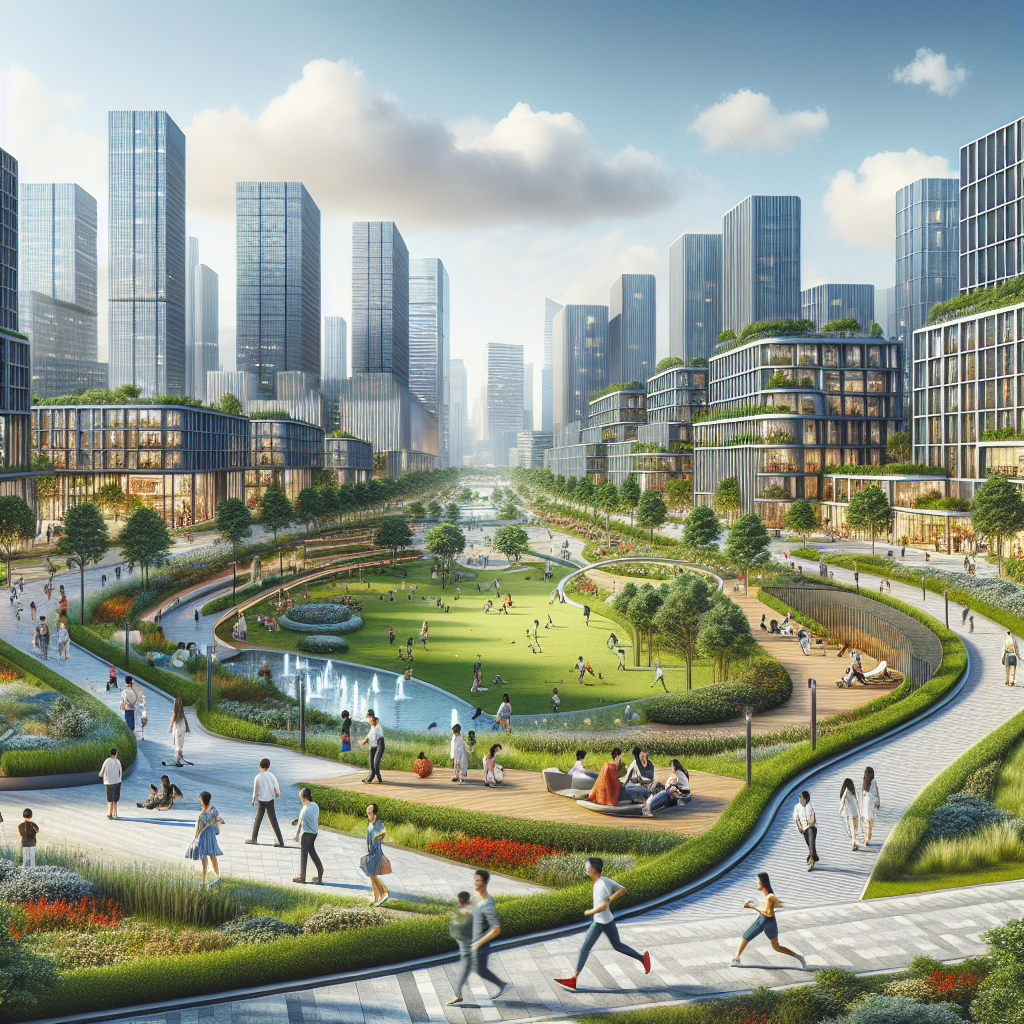
Urban planning is an interdisciplinary field focusing on the design and regulation of the use of space within cities. The aesthetics of urban environments significantly impact the lives of city dwellers; appealing urban spaces can enhance mental well-being, foster community engagement, and boost local economies. Urban aesthetics refer to the visual and experiential quality of urban spaces, and they are a direct result of thoughtful urban planning and policy decisions.
The increasing global urban population presents numerous challenges and opportunities for city planners. As cities become more crowded, the need for attractive, functional, and sustainable urban environments becomes more pressing. Urban planning not only addresses traffic congestion, housing shortages, and environmental sustainability but also incorporates design elements that make cities visually pleasing.
This article delves into the essential role urban planning plays in enhancing urban aesthetics. We will explore key principles of urban design, the importance of public spaces, the integration of green infrastructure, the impact of historical preservation, and the benefits of community involvement in the planning process. Through understanding these components, it becomes clear how urban planning tangibly improves the visual and practical enjoyment of urban living.
Principles of Urban Design
Urban design principles serve as the foundation for creating aesthetically pleasing cities. Key elements include scale, proportion, harmony, and rhythm, which together define the visual coherence of urban landscapes. Planners use these principles to produce environments that are not only functional but also enjoyable to experience.
Scale and proportion ensure that buildings and spaces relate well to human dimensions, fostering a sense of comfort and accessibility. For example, appropriately scaled plazas and street furniture make public spaces more inviting. Harmony and rhythm in urban design relate to the alignment of architectural elements and the repetition of design patterns which create visually cohesive environments.
Balance between built and open spaces is another critical principle. A city overcrowded with high-rise buildings can feel oppressive, whereas the judicious inclusion of parks, courtyards, and pedestrian zones creates a sense of freedom and relaxation. Ultimately, these design principles align with broader objectives of urban planning, promoting spaces that are both efficient and beautiful.
The Importance of Public Spaces
Public spaces are the heart of urban areas, serving as communal living rooms where social, cultural, and recreational activities occur. Well-designed public spaces contribute significantly to urban aesthetics due to their accessibility and dynamic nature. They enhance social cohesion by providing venues for community interactions and cultural expressions.
A well-thought-out public space includes features such as seating areas, sculptures, water elements, and landscaping, which collectively enhance its attractiveness. Examples such as New York’s Central Park or Barcelona’s Plaça d’Espanya demonstrate how public spaces can become iconic landmarks, enriching the city’s identity and aesthetic appeal.
Planners must also consider inclusivity and accessibility in designing public spaces. Spaces should cater to various population groups, including the elderly, children, and people with disabilities. This promotes an equitable urban environment where everyone has the opportunity to enjoy and benefit from the city’s offerings.

Integration of Green Infrastructure
Green infrastructure involves the use of natural systems to provide environmental, economic, and social benefits within urban settings. It includes parks, green roofs, living walls, and urban forests, which contribute to urban aesthetics by introducing greenery into cityscapes.
Integrating green infrastructure into urban planning not only improves visual appeal but also introduces numerous ecological advantages. Trees and plants help reduce urban heat island effects, improve air quality, and manage stormwater, thereby enhancing the overall livability of cities.
Green spaces offer residents a respite from the hustle and bustle of urban life, providing areas for relaxation and recreation. Cities like Singapore and Copenhagen have successfully integrated green infrastructure into their urban planning, transforming them into models of sustainable cities with high aesthetic values.
Impact of Historical Preservation
Preserving historical buildings and sites is a key aspect of enhancing urban aesthetics. Historic preservation maintains the architectural heritage and cultural history of a city, contributing to its unique character and charm. Importantly, it reflects a city’s respect for its past while integrating historic elements into modern urban life.
Urban planners must balance the needs for development with the preservation of historic sites. This involves adaptive reuse of old buildings, where structures are repurposed for new functions while retaining their historical significance and aesthetic appeal. Distinctive examples include the conversion of old warehouses into chic loft apartments or museums.
Historical preservation projects not only conserve aesthetic value but often spur economic growth through tourism. Cities like Rome and Kyoto showcase how heritage sites can become central to a city’s identity and draw millions of visitors annually, thereby generating significant economic benefits.
Community Involvement in Urban Planning
Involving community members in the urban planning process is crucial for creating spaces that truly reflect the needs and desires of local residents. When community input is incorporated, the resulting urban environment is more likely to be embraced and well-maintained by its inhabitants.
Public participation can take various forms, from town hall meetings to participatory planning workshops and online surveys. These forums provide residents with a platform to voice their opinions on design proposals, enabling planners to gather valuable feedback and make informed decisions.
Successful community involvement leads to the creation of spaces that resonate with the local population, resulting in higher satisfaction and a stronger sense of pride and ownership. Participatory planning fosters a collaborative atmosphere where planners and residents work together to enhance urban aesthetics and improve the overall quality of urban living.
Conclusion
Urban planning plays an indispensable role in shaping the aesthetics of cities. By adhering to fundamental principles of urban design, prioritizing the importance of public spaces, integrating green infrastructure, and preserving historical elements, planners can create visually appealing and functional urban environments.
The incorporation of green spaces and the thoughtful preservation of historical sites further enhance the charm and character of urban areas. Additionally, engaging the community in the planning process ensures that urban environments reflect the unique needs and preferences of local residents.
Ultimately, aesthetic improvements in urban planning contribute to the well-being and satisfaction of city dwellers. As cities continue to grow and evolve, the role of urban planning in enhancing urban aesthetics becomes ever more critical. By striving for balance, inclusiveness, and sustainability, urban planners can transform cities into vibrant, beautiful places where people love to live, work, and play.
Frequently Asked Questions
1. What is the role of urban planning in enhancing urban aesthetics?
Urban planning plays a critical role in enhancing urban aesthetics by deliberately designing and regulating city spaces to create visually appealing and functional environments. Urban planning is an interdisciplinary field that combines elements of architecture, engineering, social sciences, and environmental studies. Planners consider a variety of factors, such as land use, zoning, transportation systems, public spaces, and aesthetics, to craft cities that not only meet the practical needs of their inhabitants but are also visually pleasing and mentally stimulating.
The enhanced aesthetics of a city can significantly impact the quality of life for its residents. Appealing urban environments foster community engagement, as attractive public spaces invite residents to gather and interact. Additionally, aesthetically pleasing areas can contribute to mental well-being by reducing stress and enhancing overall happiness. Urban planners achieve these benefits through thoughtful design, which involves considering factors such as architectural styles, landscape architecture, green spaces, pedestrian pathways, and the integration of art within the urban environment. By doing so, urban planning brings beauty and functionality together to create spaces where people feel proud to be part of the community.
2. How do urban aesthetics influence the economy of a city?
The aesthetics of a city can have a substantial impact on its local economy. When urban spaces are visually appealing, they attract tourists and residents who want to enjoy and be part of the city’s beauty. This influx of people contributes positively to local businesses, especially those in the hospitality, retail, and service sectors. Restaurants, cafes, shops, and attractions benefit from increased foot traffic brought about by the allure of aesthetically pleasing environments. Moreover, attractive urban areas can increase property values as demand grows for residences and commercial spaces located in desirable, well-planned neighborhoods.
Urban planners contribute to economic vitality by designing spaces that are not only beautiful but also economically sustainable. By carefully selecting areas for commercial development and balancing them with residential and public spaces, planners ensure that neighborhoods thrive and remain vibrant. Appealing streetscapes, complete with public art, landscaped pathways, water features, and well-maintained infrastructure, entice businesses to invest and residents to settle, both of which lead to economic growth. Well-considered urban aesthetic strategies can also encourage entrepreneurial activity, as budding businesses often seek out stylish locales where they can set up shops and draw in customers.
3. What are some urban planning strategies that enhance city aesthetics?
Several strategies are employed by urban planners to enhance city aesthetics. One key approach involves prioritizing green spaces, which add beauty and provide reprieve in bustling urban areas. Parks, gardens, and green belts help break the monotony of urban sprawl and contribute to biodiversity. Incorporating natural elements such as trees, flowers, and even urban forests fosters relaxation and a sense of tranquility for city dwellers. Another strategy is ensuring a cohesive architectural style and maintaining historical landmarks, which preserve cultural identity while boosting aesthetic charm.
Planners also focus on infrastructure improvements that prioritize walkability and cycling options. Creating pedestrian-friendly zones and bike lanes increases mobility and encourages leisurely exploration, drawing people into the heart of beautifully designed urban areas. Urban art and murals bring vibrancy and character to otherwise plain walls, while public spaces with interactive installations invite personal engagement. Lighting design is often overlooked but plays a vital role in enhancing aesthetics; well-illuminated streets and landmarks can transform nighttime cityscapes into stunning highlights that capture the imagination. Finally, engaging communities in the planning process and gathering input on aesthetic preferences helps ensure that the resulting designs resonate with those who call the city home.
4. Why is community involvement important in urban planning for aesthetics?
Community involvement in urban planning is crucial for creating aesthetic environments that truly reflect the desires and needs of the people who inhabit them. When city dwellers are included in the planning process, they have the opportunity to share their values, preferences, and cultural identities. This engagement ensures that the resulting urban designs are not only visually pleasing but also hold deeper significance and meaning for the community.
By fostering community involvement, urban planners can develop spaces where residents take pride, leading to increased care and maintenance of public areas. Community input may include preferences for types of public art, styles of architecture, or even the distribution of green spaces—all of which are essential components of city aesthetics. Furthermore, when community members are active participants in planning, they become advocates for their neighborhoods and actively contribute to preserving and enhancing their surroundings over time. Cities that involve their communities in aesthetic decisions are more likely to create inclusive and sustainable urban environments that resonate with the diverse cultural tapestry of city life.
5. How does urban planning impact social interactions in city spaces?
Urban planning significantly impacts social interactions by shaping the places where people work, live, and gather within a city. Thoughtful design encourages social engagement by providing well-crafted public spaces that invite interactions among individuals. Parks, plazas, and pedestrian zones designed through careful urban planning foster connections by offering inviting places for casual encounters, community events, and cultural festivals. These spaces break down barriers and encourage diverse groups to mingle, bridging gaps between different cultural, social, and economic demographics.
Urban planning helps create a sense of community and belonging, ultimately enhancing social cohesion. Elements like pedestrian-friendly streets encourage impromptu meetings, while public art and installations can be conversation starters, sparking dialogue among strangers and bringing people together. The layout of public spaces, connectivity between neighborhoods, and accessibility of amenities all influence how city dwellers interact daily. Planners aim to create environments that not only cater to the necessities of urban living but also nurture the social connections that enrich city life.


