Community development has always been an evolving field, responding to the changing needs of society and the environment. Over the past few decades, we’ve seen significant transformations driven by technological advancements, shifts in demographic trends, and socio-economic changes. As we look ahead, these factors continue to influence the direction of community development, shaping how we build, maintain, and rejuvenate our communities. This article delves into some prevailing trends and insights that will likely define the future of community development, providing a comprehensive overview of what to expect in the coming years.
The essence of community development lies in creating cohesive, thriving communities where people can live harmoniously. Traditionally, this involved physical infrastructure and economic growth. Nowadays, however, the scope has broadened significantly. It’s no longer just about housing and local businesses; it involves sustainability, social equity, health, and technological integration. As a result, understanding the future direction of community development is crucial for planners, policymakers, and community leaders. They need to adapt to contemporary trends to ensure that their communities can prosper in an ever-changing world.
Technological Integration
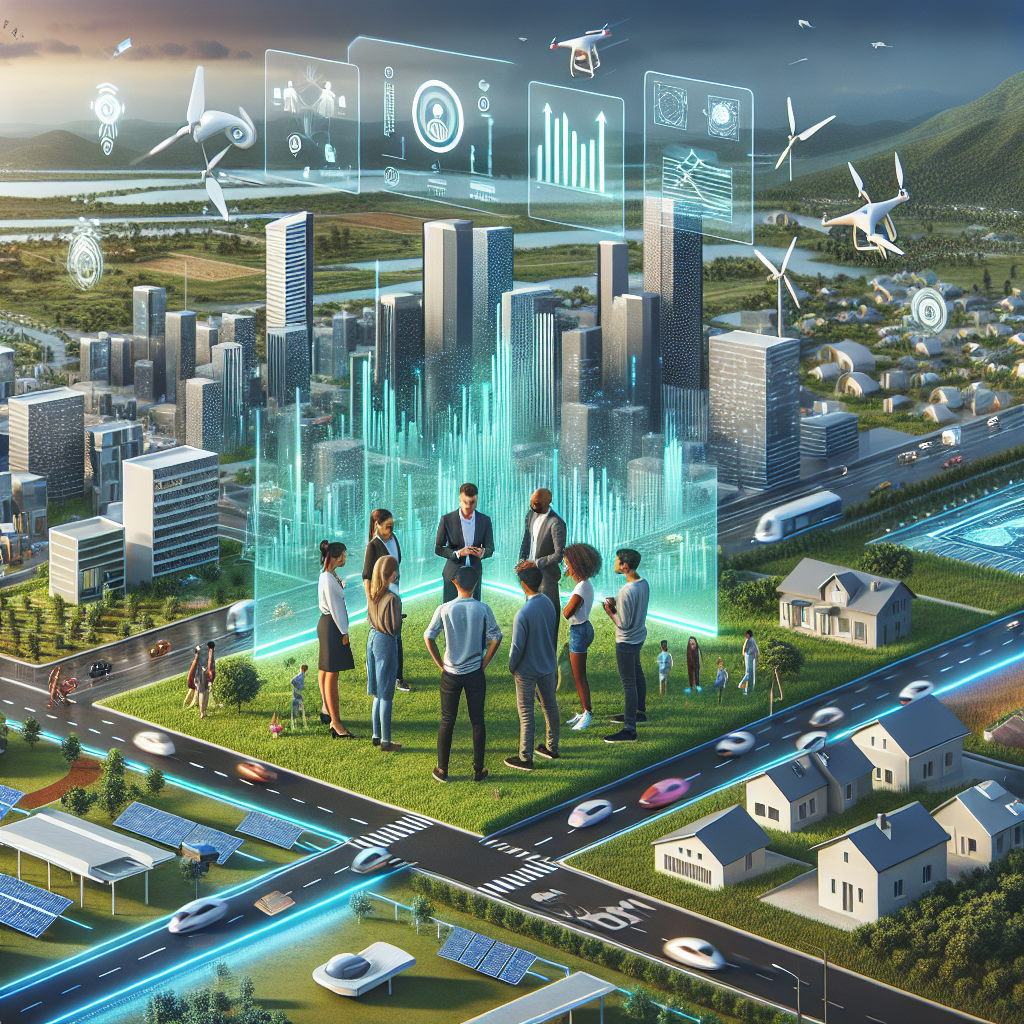
One of the most profound influences on community development is the rapid acceleration of technology. Smart city technologies, data analytics, and IoT (Internet of Things) are reshaping how communities are planned and managed. Smart cities incorporate sensor data, automation, and connectivity to enhance the efficiency and quality of urban living. These technologies enable better resource management, improved security, and even environmental sustainability.
For instance, smart grids help manage electricity more effectively, reducing waste and operational costs. Intelligent traffic systems alleviate congestion and enhance public transportation efficiency. Moreover, advancements in communication technologies facilitate greater community engagement and cooperation. Residents can quickly voice their concerns through mobile apps or digital platforms, fostering a more inclusive and responsive local governance.
However, the digital divide remains a significant challenge. Ensuring equitable access to these technologies is vital to avoid exacerbating existing social inequalities. Future community development efforts must focus on providing all residents with equal opportunities to benefit from technological advancements. This necessitates robust digital infrastructure and targeted policies to bridge the gap.
Sustainable Development
Sustainability is at the forefront of modern community development. With climate change becoming a more pressing concern, communities worldwide are prioritizing sustainable practices to reduce their environmental footprint. This includes everything from green building materials and energy-efficient designs to waste management and water conservation efforts.
One notable trend is the development of eco-friendly housing projects. These homes are designed to minimize energy consumption, utilize renewable energy sources like solar or wind power, and use sustainable materials. Moreover, planning for walkability and bikeability is gaining traction, reducing reliance on cars and fostering healthier lifestyles.
Urban planners are also incorporating more green spaces into community designs. Parks, gardens, and green roofs not only enhance the aesthetic appeal of neighborhoods but also improve air quality, reduce urban heat islands, and provide recreational opportunities for residents. These efforts help create resilient communities capable of withstanding environmental challenges while promoting overall well-being.
Social Equity and Inclusion
Ensuring social equity and inclusion is another crucial aspect of future community development. Diverse communities with inclusive policies are more resilient and prosperous. However, achieving social equity requires concerted efforts to address systemic inequalities and ensure that all residents have access to opportunities and resources.
Affordable housing remains a significant concern. High living costs in urban areas often force lower-income residents to relocate, leading to socio-economic segregation. Community development initiatives must focus on providing affordable housing solutions to prevent displacement and promote inclusivity.
Moreover, creating inclusive public spaces is essential. These spaces should accommodate people from all walks of life, regardless of age, gender, ethnicity, or socio-economic status. Inclusive public spaces foster social interaction, cultural exchange, and community-building, enhancing the overall quality of life.
Health and Well-being
Health and well-being are increasingly being recognized as integral components of community development. A holistic approach to community planning considers physical, mental, and social health, integrating these aspects into the urban fabric.
Access to healthcare facilities and services is paramount. Future community developments should ensure that healthcare infrastructure is easily accessible to all residents. This includes not just hospitals and clinics but also preventive services, mental health resources, and wellness programs.
Designing communities that encourage physical activity is also crucial. This involves creating pedestrian-friendly environments, promoting active transportation options, and providing recreational facilities. Green spaces, mentioned earlier, contribute significantly to mental well-being by offering tranquil places for relaxation and socialization.
On a broader scale, the concept of healthy urban planning is gaining traction. This approach integrates health considerations into all aspects of urban development, from transportation and housing to economic policies. The goal is to create environments that inherently support healthy lifestyles for all residents.
Community Engagement and Empowerment
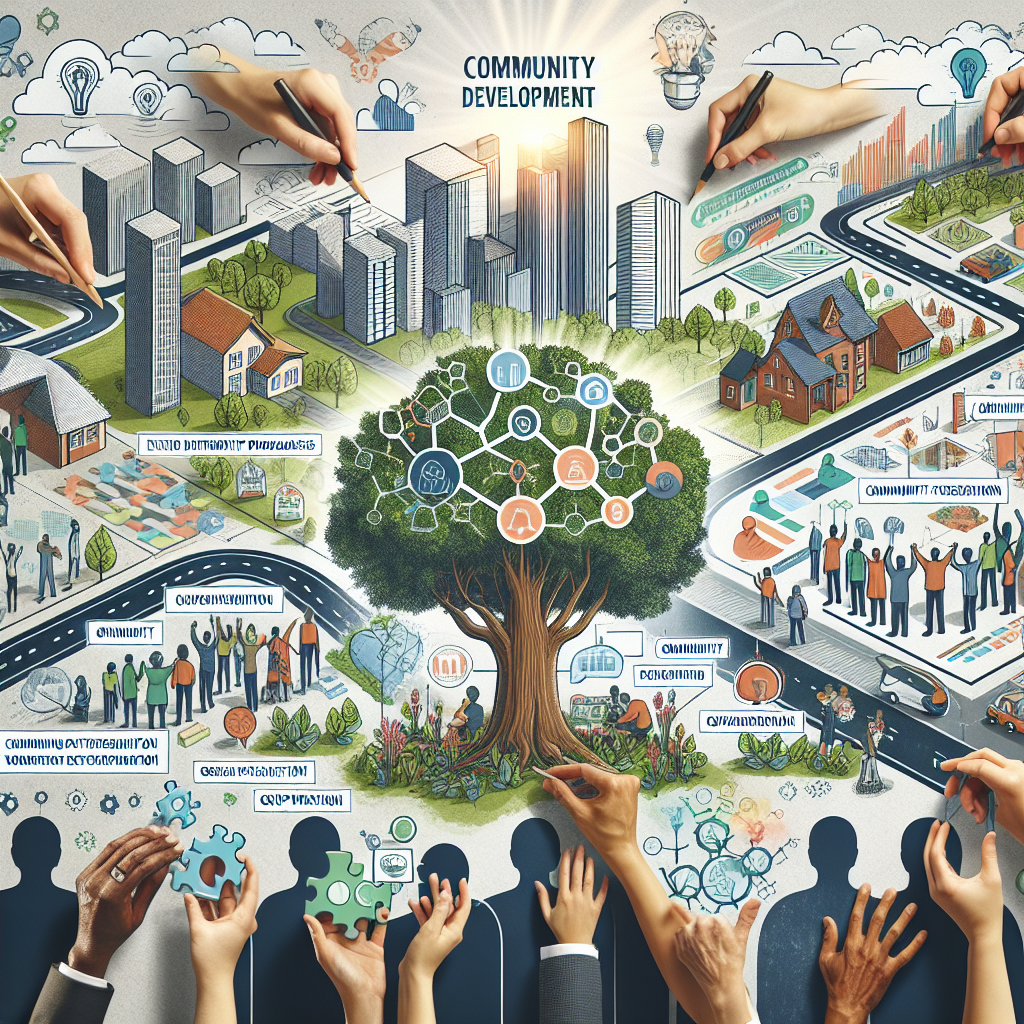
Effective community development hinges on active engagement and empowerment of residents. Empowering communities involves providing individuals with the tools, knowledge, and opportunities to participate in decision-making processes and take collective action to improve their surroundings.
Community engagement can take many forms, from public consultations and town hall meetings to digital platforms and social media campaigns. The key is to foster an inclusive dialogue where all voices are heard and valued. This builds a sense of ownership and responsibility among residents, encouraging them to contribute to their community’s development actively.
Moreover, community-led initiatives often yield better outcomes as they are tailored to the specific needs and aspirations of the residents. Supporting grassroots movements and local organizations can lead to innovative solutions and more resilient communities.
Conclusion
As we look to the future, it’s clear that community development will continue to evolve in response to technological advancements, environmental challenges, and socio-economic shifts. Embracing these changes and understanding the emerging trends is crucial for planners, policymakers, and community leaders. By focusing on technological integration, sustainability, social equity, health, and community engagement, we can build communities that are not only resilient and sustainable but also inclusive and vibrant.
The future of community development is bright, with endless possibilities for creating better living environments. However, it requires thoughtful planning, collaboration, and a commitment to equitable practices. By staying informed and adaptable, we can ensure that our communities thrive in the face of change, creating a better future for all.
Frequently Asked Questions
1. What are the key technological advancements influencing the future of community development?
Technology continues to revolutionize how we approach community development. One of the most significant trends is the integration of smart technologies into community planning and infrastructure. Cities are becoming smarter through the use of IoT devices, which enable more efficient energy consumption, waste management, and transport systems. For instance, smart grids and advanced metering can facilitate better energy distribution and consumption at the community level.
Moreover, digital platforms are reshaping how communities engage and support each other. Online forums and social media apps provide a space for residents to voice concerns, share ideas, and form community initiatives. GIS (Geographic Information Systems) and data analytics are also playing a pivotal role by providing detailed insights into community dynamics, helping planners make data-driven decisions. These technologies are enhancing connectivity, participation, and efficiency in urban planning and community services.
2. How are demographic shifts impacting community development strategies?
Demographic changes are crucial to the evolution of community development. An aging population in many parts of the world demands the expansion of services such as healthcare, accessible transportation, and elder housing. Communities are now focusing on age-friendly structures and services to accommodate the needs of older adults, ensuring that they can live independently and comfortably.
At the same time, younger generations, particularly Millennials and Gen Z, are moving to urban areas in search of education and employment opportunities. This influx necessitates the development of affordable housing, public transit, and amenities that cater to a vibrant, diverse populace. Communities are becoming more multicultural, and with this, there is a greater focus on inclusivity and cultural competency within service delivery and neighborhood design.
3. What role does sustainability play in the future of community development?
Sustainability is at the heart of modern community development initiatives. With increasing awareness of environmental issues, there’s a strong push towards building eco-friendly and sustainable communities. The adoption of green building practices, renewable energy sources, and sustainable urban planning is becoming commonplace. Developers are now more likely to consider the long-term impact of construction, opting for materials and designs that minimize ecological disruption.
Furthermore, communities are pursuing initiatives that promote sustainability beyond the built environment. Programs encouraging local food production, recycling, and conservation efforts are on the rise. City planners and community collaborators are keen on creating spaces that are resilient to climate change, with the integration of green spaces and stormwater management solutions being a typical approach. By prioritizing sustainability, community development can ensure that growth is not only forward-thinking but also responsible.
4. How is community engagement evolving in contemporary community development?
Community engagement is becoming more participatory than ever before. The traditional top-down approach, where decisions are made by a select few, is being replaced by collaborative decision-making processes. Technology is a significant enabler of this trend, allowing residents to participate in consultations and decision-making through digital platforms and tools.
In practice, this means town halls, community meetings, and workshops are now supplemented by interactive apps and online forums where citizens can express their opinions and vote on community issues. This democratization of decision-making ensures that development initiatives reflect the genuine needs and aspirations of the community members. This approach not only fosters a sense of ownership among residents but also enhances the relevance and success of community projects.
5. What are some socio-economic changes influencing the future trajectory of community development?
Socio-economic shifts are dramatically influencing how communities are developed and redeveloped. Economic inequality remains a significant challenge, prompting communities to address affordable housing shortages and improve access to essential services for low-income populations. Community development initiatives increasingly focus on social equity, ensuring fair access to resources and opportunities for all demographics.
Additionally, the rise of remote work and digital economies is transforming residential and commercial spaces. Communities are reimagining workspaces to accommodate home-based businesses and coworking environments, leading to changes in zoning laws and residential design. This paradigm shift also affects local economies as businesses and services adapt to meet the needs of a more versatile and digitally-driven workforce. In summary, economic changes are pushing community development towards models that are more inclusive, adaptable, and supportive of diverse economic activities.