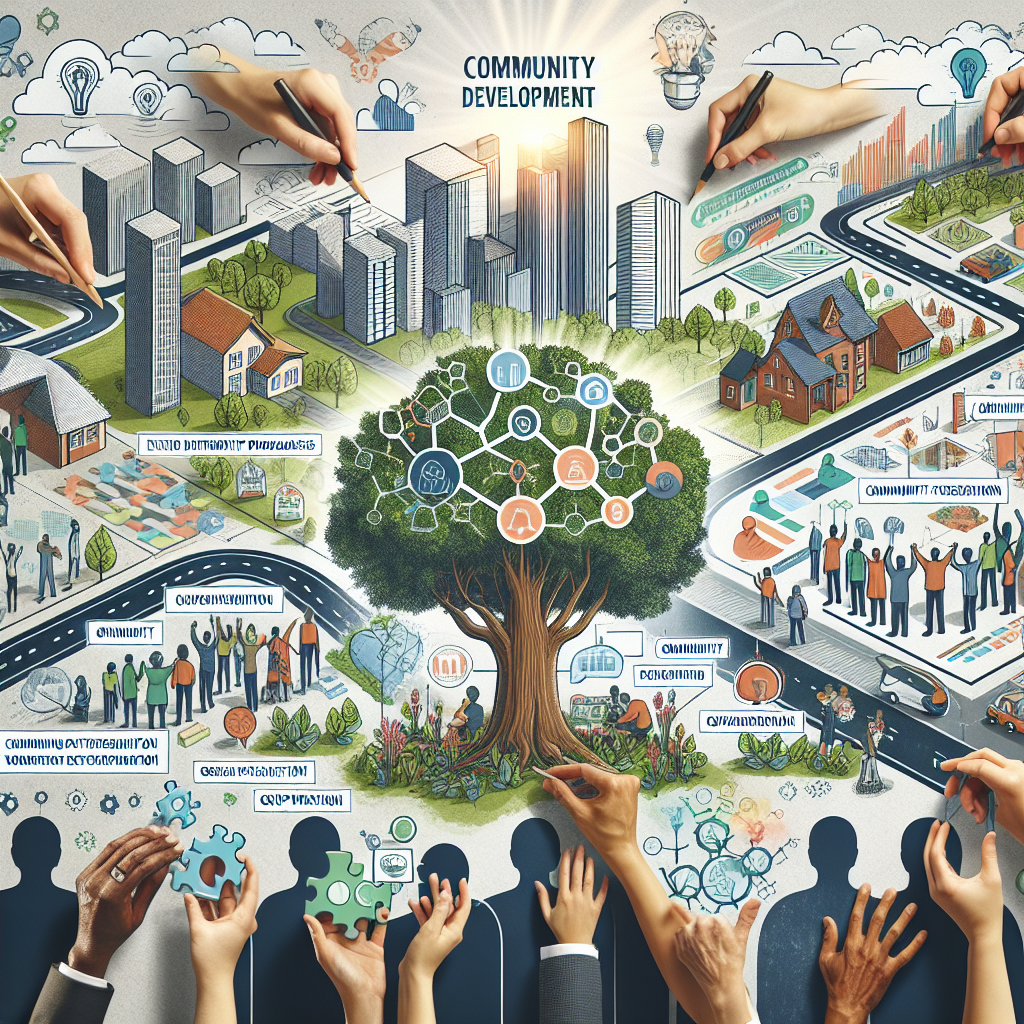
Community development and urban renewal are integral facets of creating vibrant, sustainable, and livable neighborhoods. These processes involve a combination of strategies and actions aimed at improving the physical, economic, and social conditions of urban areas that have experienced neglect or decline. By addressing issues such as infrastructure deterioration, economic stagnation, and social disintegration, community development, and urban renewal initiatives can rejuvenate neighborhoods, making them more attractive, functional, and inclusive for residents and businesses alike.
The importance of community development and urban renewal cannot be overstated. Urban areas are the lifeblood of our society, centers of culture, economy, and innovation. However, many urban neighborhoods face challenges such as dilapidated buildings, lack of affordable housing, unemployment, and insufficient public services. These conditions can lead to a cycle of poverty and crime, further deteriorating the quality of life for residents.
This article will delve into various aspects of community development and urban renewal, exploring the strategies, benefits, and challenges involved in revitalizing neighborhoods. From understanding the underlying causes of urban decline to examining successful case studies of renewal projects, we aim to provide a comprehensive overview of how these initiatives can transform communities for the better.
Understanding Urban Decline
Urban decline, sometimes referred to as urban decay, involves the deterioration of a city area due to a range of economic, social, and environmental factors. This can manifest in various ways, including the reduction in population, increases in unemployment, rising crime rates, and the dereliction of buildings and infrastructure. Understanding the causes of urban decline is the first step in effectively combating it.
Several key factors contribute to urban decline:
- Economic Shifts: Changes in the global and local economy can result in job losses, particularly in industries that once were the backbone of the community.
- Suburbanization: As people move to suburbs, urban cores may be left with less investment and deteriorating infrastructure.
- Poor Urban Planning: Ineffective use of land, inadequate transportation systems, and the lack of amenities can all contribute to urban decline.
- Crime and Safety Issues: High crime rates can drive residents and businesses away, leading to further decline.
- Environmental Degradation: Pollution and lack of green spaces can decrease the quality of life in urban areas.
Addressing these contributing factors is critical for community development and urban renewal endeavors. By identifying and understanding the root causes of decline, strategies can be developed to effectively tackle these issues and pave the way for revitalization.
Key Strategies for Community Development
Community development involves a holistic approach to improving the lives of residents by addressing economic, social, and physical issues within a neighborhood. Some key strategies include:
- Collaborative Planning: Involving community members in the planning process ensures that the initiatives reflect their needs and aspirations.
- Economic Development: Creating jobs, supporting local businesses, and attracting investment can rejuvenate a neighborhood’s economy.
- Affordable Housing: Ensuring that there is sufficient affordable housing is crucial for maintaining a diverse and inclusive community.
- Improving Public Services: Enhancing education, healthcare, and public safety services can improve the quality of life for residents.
- Environmental Sustainability: Developing green spaces and implementing sustainable practices can make neighborhoods healthier and more attractive.
These strategies are interrelated and often require coordinated efforts from government agencies, non-profits, businesses, and community members. Effective community development is not a one-size-fits-all approach but rather tailored to the specific needs and characteristics of the neighborhood in question.

Urban Renewal Projects: Case Studies
Examining successful urban renewal projects can provide valuable insights and inspiration for other neighborhoods facing similar challenges. Here are a few notable examples:
1. The High Line, New York City
Once a derelict freight rail line, the High Line has been transformed into an elevated linear park that stretches over 1.5 miles. This project has not only provided much-needed green space in Manhattan but has also spurred significant economic development in the surrounding areas, attracting new businesses and boosting property values.
2. HafenCity, Hamburg
One of the largest urban renewal projects in Europe, HafenCity, involves redeveloping an old port area into a vibrant mixed-use district. This project emphasizes sustainability, with green buildings, efficient public transportation, and extensive public spaces, creating a high-quality urban environment.
3. Medellín, Colombia
Once known for its high crime rates, Medellín has undergone a remarkable transformation. The city invested in public transportation, such as the Metrocable gondola system, which connects underserved neighborhoods to the main metro. Additionally, initiatives focusing on public spaces, education, and social programs have significantly improved the quality of life for residents.
These case studies demonstrate that urban renewal is not only about physical transformation but also about enhancing economic opportunities, sustainability, and social cohesion.
Challenges in Urban Renewal
While urban renewal projects offer numerous benefits, they also present various challenges:
- Gentrification: One of the major concerns in urban renewal is the displacement of long-term, lower-income residents due to increased property values and living costs.
- Funding: Securing sufficient financial resources for large-scale projects can be challenging, particularly for cities with limited budgets.
- Community Resistance: Sometimes, residents may resist changes due to fear of disruption or mistrust of developers and government agencies.
- Maintaining Authenticity: Balancing development with preserving the unique cultural and historical identity of a neighborhood can be a delicate task.
Addressing these challenges requires careful planning, strong community engagement, and a commitment to ensuring that development benefits all residents, not just a privileged few.
Future of Community Development and Urban Renewal
The future of community development and urban renewal is likely to be shaped by several emerging trends and innovations:
1. Smart Cities
Smart city technology, which includes the use of IoT (Internet of Things), AI (Artificial Intelligence), and data analytics, can optimize urban planning and services. For example, smart lighting systems can enhance public safety, while real-time data can improve traffic management and reduce congestion.
2. Green Infrastructure
As cities grapple with climate change and environmental sustainability, integrating green infrastructure, such as green roofs, rain gardens, and permeable pavements, will become increasingly important. These elements can help manage stormwater, reduce heat islands, and improve air quality.
3. Inclusive Growth
Future urban development efforts are likely to place a greater emphasis on inclusivity, ensuring that marginalized communities have a voice in the process and benefit from the outcomes. Participatory planning and equitable policies will be central to achieving this goal.
By embracing these trends and adopting forward-thinking approaches, cities can ensure that future community development and urban renewal projects not only address current challenges but also create resilient, inclusive, and sustainable urban environments.
Conclusion
Community development and urban renewal are essential for revitalizing neighborhoods and creating vibrant, sustainable, and inclusive urban environments. By addressing the underlying causes of urban decline, implementing comprehensive development strategies, and learning from successful case studies, communities can overcome challenges and achieve meaningful transformation.
Effective community development requires collaboration among various stakeholders, including residents, government agencies, businesses, and non-profit organizations. It also involves balancing economic development with social equity and environmental sustainability to ensure that all residents benefit from the renewal efforts.
As cities continue to evolve and face new challenges, forward-thinking approaches and innovative solutions will be crucial in shaping the future of urban areas. By prioritizing smart city technology, green infrastructure, and inclusive growth, communities can pave the way for resilient and thriving neighborhoods.
Ultimately, the success of community development and urban renewal depends on a shared vision, collective action, and a commitment to improving the quality of life for all residents. With dedication and collaboration, we can create urban spaces that are not only functional and attractive but also nurturing and inclusive for generations to come.
Frequently Asked Questions
1. What is community development, and how does it relate to urban renewal?
Community development is a comprehensive approach aimed at improving various aspects of neighborhood life, including social, economic, and structural components. It involves engaging community members in the planning and development process, ensuring that projects cater to the real needs and aspirations of the residents. Urban renewal, on the other hand, refers specifically to projects aimed at revitalizing urban areas that have experienced decline or neglect. It often focuses on refurbishing or replacing inadequate infrastructure, improving housing conditions, and revamping public spaces.
These two processes are interrelated because effective urban renewal relies on robust community development efforts. You can’t just revamp buildings and infrastructure and call it success; there has to be a sustainable social and economic framework in place. Real community development fosters local leadership, provides for social services and programs, and builds a strong sense of community identity and pride. It’s a holistic strategy that ensures urban renewal projects are genuinely beneficial for current and future residents.
2. How do community development initiatives typically address economic stagnation in urban areas?
Economic stagnation occurs when an area isn’t growing economically, and in urban settings, this often manifests through high unemployment rates, underutilized commercial spaces, and a lack of entrepreneurial activity. Community development initiatives tackle economic stagnation by implementing various strategic actions. One common approach is fostering local entrepreneurship through business development programs, providing training and resources to support small business owners and startups, making it easier for people to start and sustain businesses in their community.
Additionally, community development projects might include upgrading commercial infrastructure and creating business districts to attract new businesses and keep existing ones bustling. Community leaders also often liaise with local governments to create incentives for businesses to hire locally and invest in neighborhood projects. All these efforts work in tandem to provide more job opportunities, increase local spending, and ultimately improve the economic health of the neighborhood.
3. What role does infrastructure play in urban renewal, and why is it important?
Infrastructure is the backbone of any community, and its quality directly affects the overall quality of life in a neighborhood. In the context of urban renewal, focusing on infrastructure means addressing issues with roads, public transport, utilities, public spaces, and community facilities like schools, libraries, and healthcare centers. Revamping outdated or decaying infrastructure is crucial for safety, accessibility, and the efficient functioning of urban environments.
High-quality infrastructure supports economic activity by attracting businesses and facilitating transport and logistics. It also plays a major role in social integration, as good public transit links different parts of a community and makes amenities accessible to everyone, including historically underprivileged populations. Green infrastructure, such as parks and community gardens, further contributes to urban renewal by offering residents places to gather, exercise, and connect with nature, improving social cohesion and public health.
4. How does social disintegration affect neighborhoods, and what are some common strategies to address it?
Social disintegration refers to the breakdown of social bonds and community ties, leading to increased isolation among residents, a lack of community engagement, and potential increases in crime and anti-social behavior. This often happens in neighborhoods undergoing economic decline or with inadequate social infrastructure. To combat social disintegration, community development initiatives often focus on building social capital and fostering community engagement through a variety of strategies.
One strategy is to promote community participation in the planning and implementation stages of renewal projects, ensuring that initiatives genuinely reflect the desires and needs of the residents. Moreover, programs aimed at strengthening community ties, such as local events, festivals, and community workshops, are pivotal. Creating safe public spaces for interaction, establishing neighborhood committees, and supporting local social organizations are other vital tactics. When people feel vested in their community, there’s a stronger sense of belonging and responsibility to upkeep the neighborhood and support fellow residents.
5. Are there any notable challenges involved in community development and urban renewal projects?
Absolutely, these initiatives can face several challenges due to the complexities involved. One major obstacle is balancing development with the risk of gentrification, where improvements make neighborhoods more attractive but also more expensive, potentially displacing long-time residents. It’s crucial to incorporate affordable housing and anti-displacement policies to protect existing communities. Financing is another significant hurdle, as urban renewal projects often require substantial investment, not only from governments but also from private sectors, which can be hard to secure.
Community resistance is another common challenge, particularly if residents feel left out of the decision-making process. Building trust through genuine engagement and transparency can mitigate these issues. Finally, implementation can be complex due to varying regulations and zoning laws that require careful navigation, and managing the multitude of stakeholders involved, including government bodies, private investors, and community groups, demands strategic negotiation skills and good governance.