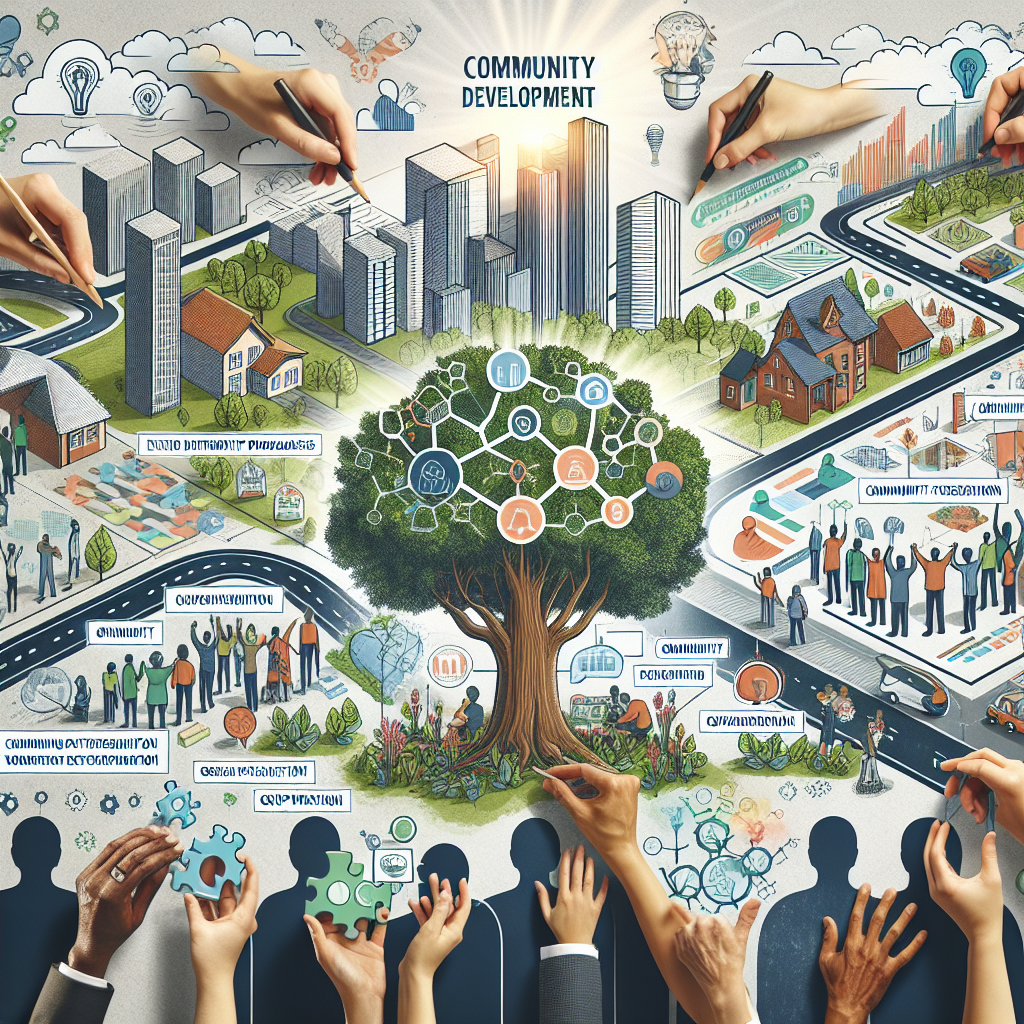
Introduction: Understanding Community Development and Placemaking
Community development and placemaking are two interconnected strategies aimed at enhancing the quality of life within urban and suburban environments. These concepts play a vital role in creating vibrant, inclusive, and dynamic communities. But what exactly do they mean, and why do they matter?
Community development involves the process of improving the social, economic, and environmental aspects of a community. It encompasses various initiatives and programs that aim at building stronger, healthier, and more resilient communities by addressing issues like poverty, education, housing, and infrastructure.
Placemaking, on the other hand, is a people-centered approach to planning and designing public spaces. It focuses on transforming underutilized areas into lively and engaging environments where people want to spend time. This concept taps into the unique character and cultural essence of a place, ensuring that public areas reflect the community’s identity and needs.
The importance of these concepts lies in their ability to foster community ties, enhance local economies, and promote sustainability. Community development and placemaking initiatives empower residents, encourage civic participation, and stimulate social connections, ultimately leading to more livable, cohesive, and prosperous places. They matter because they are essential in creating not just functional spaces but thriving communities.
Strengthening Community Ties Through Engaged Participation
One of the cornerstones of effective community development is engaged participation, where community members actively contribute to the decision-making processes affecting their lives and surroundings. Engaged participation ensures that the voices and needs of the community are heard and addressed.
A prime example of this is the Dudley Street Neighborhood Initiative (DSNI) in Boston, Massachusetts. This resident-led organization transformed a neglected area by involving local residents in urban planning and decision-making. By working together, this initiative successfully tackled issues like vacant lots, public safety, and housing. The active participation of the community led to the reclamation and revitalization of 30 acres of land into affordable housing, green spaces, and commercial areas.
Through efforts like the DSNI, engaged participation in community development allows residents to develop a sense of ownership and responsibility. It fosters collaboration between local government, organizations, and citizens, leading to innovative solutions and stronger social bonds. When communities are actively involved in shaping their future, it results in spaces that truly reflect their aspirations and values.
The Economic Impact of Placemaking
Placemaking can significantly boost local economies by creating attractive destinations that draw visitors, enhance business opportunities, and increase property values. By curating memorable and appealing environments through thoughtful design and cultural expression, placemaking projects have the power to revitalze areas economically.
Consider the example of the High Line in New York City. This elevated linear park, built on a historic freight rail line, has become one of the city’s most popular attractions. Transforming an unused industrial structure into a green oasis, the High Line has spurred investment along its route and resulted in numerous benefits for the community. Its development has led to millions of dollars in public and private investment, inspired new real estate projects, and supported a burgeoning art and cultural scene.
The success of the High Line illustrates how strategic placemaking can attract tourists, inspire new business ventures, and increase the overall economic vitality of a neighborhood. When areas are thoughtfully designed to emphasize local culture, community identity, and accessibility, they create a competitive advantage for economic growth, benefiting residents and businesses alike.
Creating Healthier Environments with Sustainable Practices
Both community development and placemaking prioritize sustainability as a fundamental principle. By incorporating sustainable practices, these initiatives help create cleaner, greener, and healthier environments for current and future generations.
An exemplary case is the EcoDistricts approach, popular in cities like Portland, Oregon. EcoDistricts are neighborhoods focused on achieving environmental sustainability, economic growth, and social equity. Portland’s Lloyd EcoDistrict, for example, integrates green building, renewable energy, waste management, and water-efficient designs to develop a resilient and environmentally friendly urban area.
Moreover, sustainable placemaking can reduce the urban heat island effect, improve air quality, and enhance overall public health. Residents of EcoDistricts often enjoy reduced utility costs, access to green spaces, and improved public transportation options. When sustainability is prioritized in both community development and placemaking, it creates an enduring positive impact on environmental health and quality of life.
Enhancing Livability Through Thoughtful Urban Design
Thoughtful urban design is central to the success of community development and placemaking projects. Well-designed urban spaces foster a sense of community, encourage social interactions, and promote accessibility and inclusivity.
The city planning approach in Copenhagen, Denmark serves as an excellent example. By prioritizing pedestrian-friendly streets, seamless public transportation, and accessible urban spaces, Copenhagen has enhanced its livability and quality of life. Cycling paths, parks, and community-oriented facilities are essential parts of the city’s design, encouraging healthier lifestyles and stronger community relations.
This commitment to human-centric urban design has made Copenhagen one of the world’s most livable cities, offering insights into how thoughtful design choices can significantly enhance the urban experience. Whether it’s adding public art installations, creating pocket parks, or designing public plazas, the principles of thoughtful urban design reinforce community development and placemaking efforts.
Urban design matters not just for aesthetics but for how people live and interact in shared spaces. Thoughtful design strategies elevate the quality of life and contribute to vibrant and cohesive communities by ensuring that urban areas cater to the diverse needs of residents.
| Community Development Benefits | Placemaking Benefits |
|---|---|
| Improved housing and infrastructure | Enhanced cultural identity |
| Stronger social connections | Increased foot traffic for local businesses |
| Economic growth and stability | Revitalization of underused spaces |
| Environmental sustainability | Creation of engaging public spaces |
Addressing Social Equity and Inclusion
Community development and placemaking also address issues of social equity and inclusion, ensuring that marginalized communities are considered in planning processes. Inclusive development seeks to eradicate disparities in housing, education, employment, and healthcare, offering equal opportunities for all residents.
The Jane Place Neighborhood Sustainability Initiative in New Orleans, Louisiana, demonstrates the power of inclusion. By focusing on reducing housing insecurity and advocating for tenant rights, this resident-led project elevates the voices of marginalized communities. Its solutions include creating permanently affordable housing and community-focused programs offering resources and support to vulnerable populations.
Inclusive community development and placemaking challenge social inequalities, empowering residents with the resources and opportunities needed to thrive. These initiatives aim to create environments that are truly welcoming, reflecting the diversity of their inhabitants and fostering a shared sense of belonging.
Key Takeaways and Next Steps
Community development and placemaking are transformative strategies with the power to enhance the quality of life in urban and suburban settings. They provide pathways to stronger social connections, economic growth, environmental sustainability, improved urban design, and greater equity and inclusion.
Engaged participation ensures that community voices drive development initiatives, while placemaking boosts local economies and fosters cultural expression. Emphasizing sustainable practices leads to healthier environments, and thoughtful design enhances accessibility, social interactions, and overall livability. By integrating inclusive and equitable approaches, these efforts create lasting and meaningful change.
The main benefit of investing in community development and placemaking is the creation of dynamic, inclusive, and resilient communities where all residents can thrive. This investment in the social fabric and urban transformation is essential for shaping spaces that are not only functional but rich in community spirit and satisfaction.
If you’re interested in contributing to your community’s development and placemaking efforts, start by joining local forums, volunteering with neighborhood organizations, or participating in city planning discussions. Every action matters, and together, we can build communities that not only look great but truly serve the people who call them home.
Your voice and participation are crucial. Get involved, stay informed, and be a catalyst for positive change in your community today.
Frequently Asked Questions
1. What is community development, and how does it impact urban and suburban environments?
Community development is an inclusive and collaborative process aimed at improving the social, economic, and environmental conditions of a community. It focuses on empowering residents, building capacity, and fostering sustainable growth. In urban and suburban environments, community development can lead to improved infrastructure, better access to services, increased economic opportunities, and a stronger sense of community. This process is vital for enhancing the overall quality of life, reducing disparities, and creating more equitable and resilient neighborhoods. By actively engaging local stakeholders and encouraging participation, community development creates a shared vision for the future, ultimately resulting in vibrant and thriving communities.
2. What is placemaking, and why is it important for community development?
Placemaking is a people-centered approach to planning, designing, and managing public spaces. The focus is on creating spaces that promote community well-being, foster social connections, and encourage active and engaged living. Placemaking is important for community development because it transforms underused or underappreciated areas into lively and inviting destinations. This process involves collaboration with residents, businesses, and local governments to ensure that spaces meet the needs and desires of the community. Successful placemaking enhances community pride, supports local economies, and promotes social interaction, helping to build stronger, more connected communities. In essence, placemaking is the art of creating great places that people want to be in.
3. How do community development and placemaking work together to create better communities?
Community development and placemaking are complementary strategies that, when integrated, have a profound positive impact on communities. Community development provides the foundation by addressing social, economic, and environmental issues, creating opportunities for residents to improve their lives. Placemaking builds on this foundation by transforming physical spaces into attractive, functional, and accessible areas that encourage interaction and engagement. Together, these strategies foster a sense of belonging and ownership, making people proud to live and work in their neighborhood. By enhancing public spaces and creating opportunities for community involvement, the combined efforts of community development and placemaking lead to more resilient, inclusive, and sustainable communities.
4. What are some key components or examples of successful community development projects?
Successful community development projects typically integrate diverse elements that address the specific needs and assets of the community. Key components may include affordable housing initiatives, job training programs, community health services, and educational opportunities. Examples can range from developing mixed-income housing complexes to creating community gardens or cooperatives that provide fresh food and job training. Other successful projects might focus on improving public transportation, establishing community centers, or organizing cultural events that celebrate the diversity and heritage of the area. In all cases, the success of community development projects lies in their ability to involve residents, leverage local resources, and create positive, lasting changes that reflect the aspirations of the community.
5. How can residents get involved in community development and placemaking efforts?
Residents play a crucial role in the success of community development and placemaking initiatives. They can get involved by attending town meetings, joining neighborhood associations, and participating in public workshops to share their perspectives and ideas. Volunteering for local projects, such as park cleanups or community festivals, is another way residents can take action and show their support. Additionally, residents can advocate for changes by communicating with local representatives, collaborating with nonprofits, and using social media to raise awareness. By actively engaging and collaborating with other community stakeholders, residents help ensure that development and placemaking efforts are inclusive, relevant, and genuinely benefit their community.