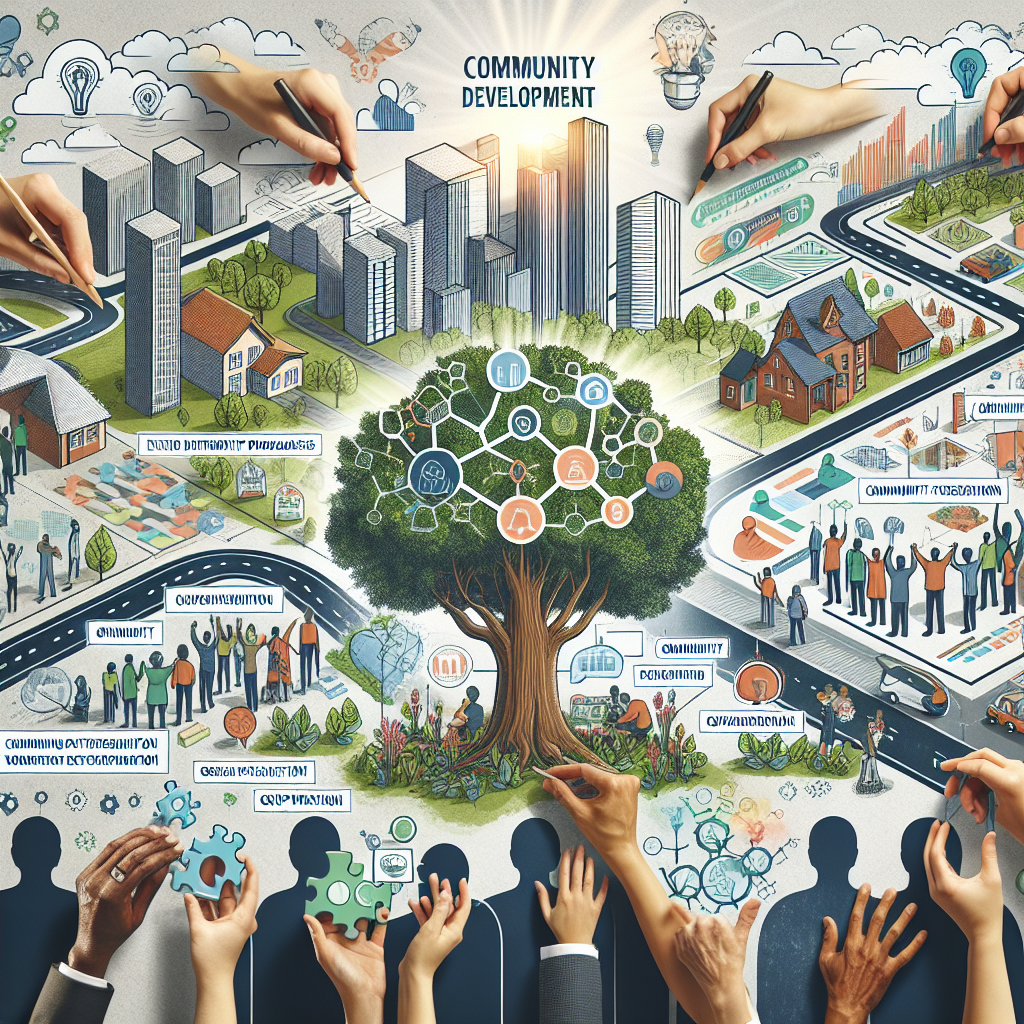
Community development is a process where community members come together to take collective action and generate solutions to common problems. It is a broad term given to the practices of civic leaders, activists, involved citizens, and professionals to improve various aspects of communities, as either urban neighborhoods or rural villages. One significant area that benefits from community development is public health. Healthy communities are created and sustained by the intersection of public health and community development. Addressing social determinants, fostering engagement, and creating sustainable environments are part and parcel of this complex synergy.
The importance of community development in public health cannot be overstated. Without effective community development strategies, progress in public health initiatives can be limited or short-lived. Public health goes beyond treating illness and disease; it’s about creating thriving environments where people can live healthy, productive lives. By integrating community development into public health, we can address underlying issues like access to healthcare, education, and affordable housing—factors that critically influence public health outcomes.
This article delves into how community development positively impacts public health, exploring various facets including social determinants of health, community engagement, resource allocation, and the creation of supportive environments. We will also discuss case studies showcasing successful community development projects and their outcomes on public health.
Social Determinants of Health
Social determinants of health are non-medical factors that influence health outcomes. They include the conditions in which people are born, grow, live, work, and age, and they often impact health discrepancies. By focusing on these determinants, community development initiatives can significantly improve public health. Access to nutritious food, stable employment, quality education, and safe living environments are fundamental to well-being.
For example, improving community infrastructure such as parks and recreational areas promotes physical activity, which in turn reduces chronic diseases like obesity, diabetes, and cardiovascular problems. Ensuring that children have access to good-quality education gives them a better chance of leading healthier lives. These are integrated solutions targeting the root causes of health disparities rather than just treating the symptoms.
Policy-makers and planners use community development strategies to make these changes. For example, public transportation projects are not just about getting people from one place to another but also about connecting communities to jobs, schools, and healthcare facilities. This interconnected approach helps to bridge the gap in health disparities.
Community Engagement
Community engagement is essential for the success of any community development initiative aimed at improving public health. Engaging residents ensures that the development initiatives reflect the community’s unique needs and priorities. When residents are involved in the planning and decision-making processes, they are more likely to support and sustain these initiatives in the long term.
One powerful example of community engagement is seen in community-led health workshops. These workshops address specific health concerns that the community faces, providing valuable information and resources directly to those in need. The key is that these workshops are often led by trusted community members, which increases participation rates and the effectiveness of the health messages being communicated.
Moreover, engaging community members in public health campaigns fosters a sense of ownership and responsibility. When people feel they have a stake in the well-being of their community, they are more inclined to adopt healthier behaviors and encourage others to do the same. This grassroots approach creates a healthier community from the ground up.
Resource Allocation
Effective resource allocation is another critical factor where community development impacts public health. Resources like funding, healthcare facilities, educational programs, and social services must be distributed in a manner that addresses the specific needs of the community. Inequitable resource allocation often leads to significant health disparities.
Community development projects often identify gaps in resources and advocate for their redistribution. For instance, underserved communities might lack necessary healthcare facilities, leading to poor health outcomes. By reallocating resources to build, equip, and staff local clinics, community development initiatives can directly improve access to healthcare.
Another aspect is workforce development. Training local residents to serve as community health workers not only creates job opportunities but also ensures that healthcare providers are culturally competent and attuned to the community’s needs. This initiative bridges the gap between healthcare services and hard-to-reach populations.
Creating Supportive Environments
A supportive environment is one that promotes healthy behaviors and well-being. Community development plays a crucial role in creating such environments. This could involve developing green spaces to encourage outdoor activities, designing walkable neighborhoods, or building community centers that provide social and recreational activities for all age groups.
For example, urban design features like well-maintained sidewalks, bike paths, and accessible public spaces lower the barrier to physical activity. When these elements are integrated into community planning, they encourage residents to engage in active lifestyles, thereby reducing health issues related to inactivity.
In addition, community centers often serve as hubs for various health-related activities, from vaccination drives to mental health counseling sessions. These centers are vital in providing resources and support to those who might otherwise not have access to them. By weaving these elements into the fabric of the community, community development fosters environments where health can thrive.
Case Studies and Success Stories
Case studies can illustrate how community development initiatives have tangibly improved public health. For example, the “Healthy Harlem” initiative in New York City is an exemplary case of community development positively impacting public health. Through nutrition education, physical activity promotion, and community engagement, the initiative has made significant strides in reducing child obesity rates.
Another successful example is the transformation of the Riverside community in California. Once plagued by high crime rates and poor health outcomes, this neighborhood underwent a community-driven revitalization project. By focusing on improving housing conditions, increasing green spaces, and developing local employment opportunities, the Riverside project managed to significantly improve both public safety and health outcomes.
These stories demonstrate that community development is not just a theoretical concept but a practical approach with proven benefits. They show how targeted efforts can result in measurable improvements in public health, making a compelling case for the integration of community development principles into public health planning.
Conclusion
Community development and public health are intrinsically linked. The former creates the conditions necessary for the latter to flourish. By addressing social determinants of health, engaging communities, effectively allocating resources, and creating supportive environments, community development initiatives pave the way for healthier, more resilient communities.
The need for such integrative approaches is greater than ever. As we face global health challenges such as pandemics, climate change, and social inequities, the lessons learned from successful community development projects can guide future efforts. By placing communities at the heart of public health strategies, we ensure that solutions are sustainable, inclusive, and effective.
Ultimately, the impact of community development on public health is profound. It shows that when communities come together to address their shared challenges, they can build environments where health and well-being are not just possible but probable. The path forward involves embracing this synergy and continuing to invest in community-driven, health-focused development initiatives.
Frequently Asked Questions
1. What is community development and how does it relate to public health?
Community development is a vibrant, inclusive process through which members of a community collaborate to identify and address issues impacting their well-being and quality of life. This collaborative effort involves civic leaders, local activists, everyday citizens, and professionals all working together towards a common goal of fostering improvement and growth within their community. By focusing on collective action and participation, community members are empowered to generate practical solutions to common challenges. This process is intrinsically linked to public health as it addresses various social determinants that can influence health outcomes, such as economic stability, education access, healthcare availability, neighborhood environments, and social cohesion. Essentially, healthy communities arise from the shared interests and actions designed to uplift and maintain public well-being, illustrating a profound connection between community development and public health.
2. How does community development improve health outcomes?
Community development is instrumental in enhancing health outcomes by tackling the underlying causes of health inequalities. When communities actively engage in identifying and resolving their unique challenges, they directly influence factors that contribute to health, such as creating safer environments, increasing access to education and economic opportunities, and improving housing conditions. For example, through community-driven initiatives, neighborhoods can reduce crime rates, thus fostering safer spaces that encourage physical activities. Moreover, these efforts often result in better access to nutritious food options, cleaner air and water, and enhanced mental health support systems. By aligning community objectives with health-oriented goals, community development initiatives lay the groundwork for sustained improvements in population health. Furthermore, such initiatives often lead to the establishment of lasting infrastructures and networks that continuously support healthy lifestyles.
3. What role does social capital play in the intersection of community development and public health?
Social capital – the networks, relationships, and norms that facilitate collective action – plays a crucial role in linking community development activities to public health outcomes. High levels of social capital within a community lead to stronger interpersonal connections, increased trust, and more active participation in community initiatives. This creates an environment where individuals feel empowered to engage in civic activities, advocate for necessary resources, and support one another in making healthier lifestyle choices. As a result, communities with rich social capital often experience better health outcomes, such as lower incidences of disease and increased life satisfaction. Social capital acts as a catalyst for community development efforts, reinforcing public health campaigns and magnifying their impact by ensuring that community members are actively involved and invested in the well-being of their peers.
4. Can you provide examples of successful community development initiatives that positively impacted public health?
There is a multitude of inspiring examples where community development initiatives have led to significant improvements in public health. One notable example is the Blue Zones Project, which involves communities globally implementing simple lifestyle modifications to create environments conducive to longer and healthier lives. This initiative encourages changes such as increased physical activity, community gardening, and fostering social networks. Another example is the Healthy Cities movement, which unites policymakers, healthcare providers, and local citizens to create sustainable urban environments that enhance overall well-being. Through the introduction of bike lanes, improved public transit systems, and better access to healthcare services, these initiatives demonstrate tangible improvements in community health statistics, such as reduced rates of obesity and cardiovascular diseases. These examples illustrate how strategic community development initiatives can lead to profound and lasting positive shifts in public health metrics.
5. How can individuals get involved in community development efforts to boost public health?
There are numerous ways individuals can participate in community development activities aimed at boosting public health. One of the first steps is to connect with local organizations dedicated to community improvement, like neighborhood associations, health advocacy groups, or volunteer programs. Attending meetings or participating in online forums where local issues are discussed can provide insight into current initiatives and areas needing support. Individuals can also contribute by volunteering for community events, health fairs, or local clean-up efforts. It’s essential to engage in open dialogue with fellow community members to leverage shared resources and ideas for creating healthy environments. Lastly, advocating for policies that promote public health, attending city council meetings, and even organizing petitions can help steer community efforts toward impactful development. It’s through these collective efforts that individuals can make a significant difference in the health and vitality of their communities.