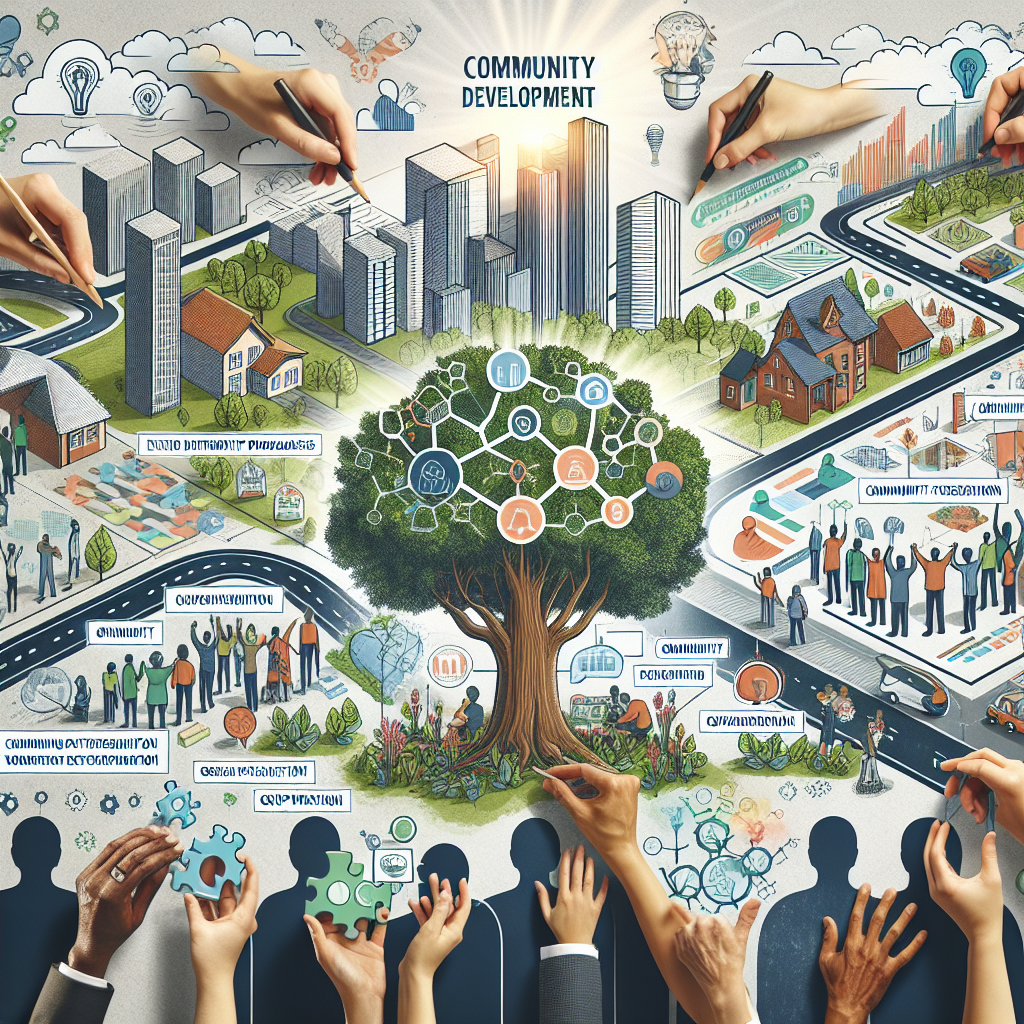
Community development and environmental sustainability are two pivotal concepts in the contemporary world, with both being interdependent in creating thriving, resilient, and sustainable societies. This synergy ensures not only the provision of necessary human services but also the preservation of natural resources for future generations. With the increasing awareness of climate change, shrinking natural resources, and the need for equity in urban planning, it is crucial to integrate environmental considerations into community development practices.
A significant aspect of community development is building a local economy that supports livelihoods, promotes social inclusion, and enhances quality of life. However, this should not come at the expense of environmental health. By incorporating sustainable practices, communities can enjoy long-term economic stability, environmental protection, and improved well-being. Sustainable community development involves planning and implementing projects that meet the current needs without compromising the ability of future generations to meet their own needs.
This article explores the intersection of community development and environmental sustainability, delving into relevant practices, challenges, and innovative solutions. Various aspects such as urban planning, green infrastructure, resource management, and community engagement will be discussed to provide a comprehensive understanding of how communities can evolve sustainably.
Urban Planning and Sustainable Development
Urban planning plays a fundamental role in community development and environmental sustainability. Effective urban planning considers factors such as land use, infrastructure, transportation, housing, and public spaces to create sustainable and liveable communities. By prioritizing eco-friendly development and resource efficiency, urban planners can significantly contribute to reducing environmental impacts.
One approach to sustainable urban planning is the creation of mixed-use developments. These areas integrate residential, commercial, and recreational spaces, thereby reducing the need for long commutes and decreasing carbon emissions. Furthermore, promoting public transportation, cycling, and walking can help minimize the environmental footprint of urban areas.
Incorporating green infrastructure in urban design is another crucial aspect. This includes the development of parks, green roofs, urban forests, and community gardens that not only improve air quality but also enhance biodiversity and provide recreational opportunities for residents. Green infrastructure can also help manage stormwater, reduce heat island effects, and create more resilient communities in the face of climate change.
Resource Management in Community Development
Sustainable resource management is essential for community development, as it ensures the efficient use and conservation of resources such as water, energy, and materials. This involves adopting practices and technologies that minimize waste, reduce consumption, and promote recycling and renewable energy sources.
One effective strategy is the implementation of energy-efficient building practices. Utilizing sustainable materials, improving insulation, and implementing renewable energy systems like solar panels and wind turbines can significantly reduce the environmental impact of buildings. Additionally, retrofitting existing structures to meet higher energy efficiency standards can provide substantial cost savings and environmental benefits over time.
Water conservation is another critical component. Installing low-flow fixtures, rainwater harvesting systems, and greywater reuse systems can help reduce water consumption and preserve this vital resource. Educating community members about water-saving practices can further enhance conservation efforts.
Waste management is also crucial for sustainable communities. Initiatives such as composting, recycling programs, and reducing single-use plastics can substantially lower the amount of waste sent to landfills. Encouraging the community to participate in these programs is vital for their success.
Community Engagement and Participation
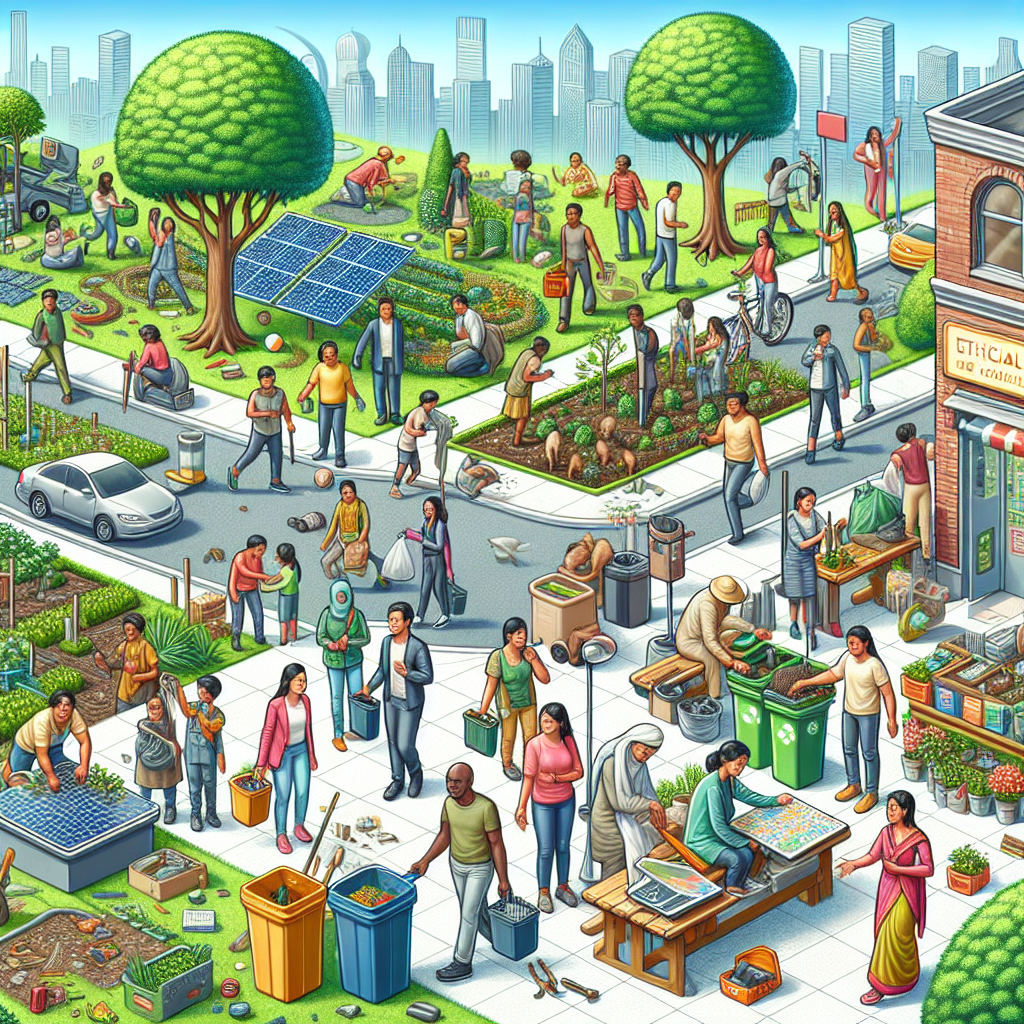
A sustainable community cannot exist without the active engagement and participation of its residents. Community involvement is essential for ensuring that development projects meet the needs and aspirations of the people who live there. It also fosters a sense of ownership and responsibility towards the environment.
There are numerous ways to engage community members in sustainable development. Participatory planning and decision-making processes allow residents to have a voice in shaping their community. Public forums, workshops, and town hall meetings can provide platforms for dialogue, education, and collaboration on sustainability initiatives.
Volunteer programs are another effective way to involve residents in sustainability efforts. Organizing community clean-ups, tree planting events, and other environmental activities can help build a sense of community while promoting environmental stewardship. These activities not only enhance the local environment but also strengthen social ties among residents.
Educating the community about sustainability is equally important. Providing information and resources on eco-friendly practices, the benefits of sustainability, and how individuals can make a difference can empower residents to take action. Schools, community centers, and local government can play a pivotal role in delivering this education.
Innovative Solutions for Sustainable Communities
Innovation is key to addressing the challenges of community development and environmental sustainability. Emerging technologies and practices offer new opportunities for creating sustainable and resilient communities.
One innovative approach is the concept of smart cities. Smart cities leverage technology and data to improve the efficiency of urban services and enhance the quality of life for residents. This includes intelligent transportation systems, energy management systems, and smart grids that optimize the use of resources and reduce environmental impacts.
Urban agriculture is another promising solution. By integrating food production into urban spaces, communities can reduce the environmental footprint of food transportation and promote local food security. Vertical farming, rooftop gardens, and community-supported agriculture programs are examples of how urban agriculture can be implemented.
The circular economy is also gaining traction as a sustainable approach. In contrast to the traditional linear economy, a circular economy focuses on designing out waste and keeping resources in use for as long as possible. This involves recycling, reusing, and repurposing materials to create a closed-loop system that minimizes environmental impact.
Case Studies of Sustainable Community Development
Examining successful case studies of sustainable community development can provide valuable insights and inspiration for other communities. Numerous communities around the world have effectively integrated sustainability into their development practices.
For instance, the city of Freiburg in Germany is renowned for its sustainability initiatives. From its extensive public transportation system and bike-friendly infrastructure to its energy-efficient buildings and renewable energy projects, Freiburg serves as a model for other cities aiming to reduce their environmental impact.
In the United States, the city of Portland, Oregon, has made significant strides in sustainability. Portland’s commitment to green infrastructure, comprehensive recycling programs, and extensive public transportation network has earned it recognition as one of the most sustainable cities in the country.
Another noteworthy example is Curitiba in Brazil. Known for its innovative urban planning, Curitiba has implemented various sustainable initiatives, including an efficient public transportation system, extensive green spaces, and successful waste management programs. These efforts have greatly contributed to improving the quality of life for its residents while reducing environmental impacts.
Conclusion
Community development and environmental sustainability are inextricably linked, and their integration is essential for creating thriving, resilient, and sustainable communities. Urban planning, resource management, community engagement, and innovative solutions all play critical roles in this process. By examining successful case studies and learning from best practices, communities can adopt and adapt strategies that meet their unique needs and challenges.
As we move forward, it is imperative to prioritize sustainability in all aspects of community development. This not only ensures the well-being of current residents but also safeguards the environment and resources for future generations. Collaboration among local governments, community organizations, businesses, and residents is crucial in achieving these goals.
Ultimately, a sustainable future depends on our collective efforts to balance economic, social, and environmental considerations in community development. By embracing sustainability, communities can create a positive and lasting impact on both people and the planet.
Together, we can build communities that are not only capable of meeting the challenges of today but are also resilient and adaptable in the face of future uncertainties. It is through this holistic and forward-thinking approach that we can ensure a sustainable and prosperous future for all.
Frequently Asked Questions
1. What is community development and why is it important for environmental sustainability?
Community development is a process aimed at improving the quality of life for individuals within a community through various improvements including economic initiatives, infrastructure, social services, and environmental programs. It can involve everything from building schools and hospitals to establishing local businesses, launching policy initiatives, and organizing community events.
The importance of community development for environmental sustainability lies in its holistic approach to societal advancement. By fostering a sense of community and prioritizing local needs, community development encourages practices and initiatives that conserve and protect natural resources. It leads to sustainable urban planning which minimizes ecological footprints, incorporates green spaces, and promotes biodiversity. Hence, when communities develop sustainably, they not only tackle current issues but also safeguard resources for future generations, creating an environment that supports long-term ecological balance.
2. How does urban planning affect both community development and environmental sustainability?
Urban planning plays a crucial role in both community development and environmental sustainability as it determines how land is used and resources are allocated within a community. Effective urban planning can accommodate population growth, reduce environmental impacts, and improve the quality of life by integrating principles of sustainability and community-centric thinking.
For community development, urban planning can dictate the creation of job opportunities, transportation systems, housing, and public spaces which are easily accessible and equitable for all community members. On the environmental front, urban planning involves the strategic allocation of green spaces, the development of sustainable infrastructure like green buildings, and the implementation of efficient waste management and recycling systems. This comprehensive approach helps in reducing carbon footprints, conserving energy, and preventing urban sprawl, thereby aligning with both community development goals and environmental sustainability.
3. What are some examples of strategies that can be used to integrate community development and environmental sustainability?
There are several strategies that harmoniously integrate community development with environmental sustainability, ensuring resilient and thriving communities. One effective strategy is the promotion of green infrastructure such as parks, green roofs, urban forests, and wetlands, which not only enhance the aesthetic value and biodiversity of an area but also provide community members with essential services such as stormwater management and improved air quality.
Another important strategy involves advancing renewable energy initiatives within communities. This could mean installing solar panels on community buildings, creating incentives for residents to use renewable energy sources, and supporting local businesses that prioritize sustainability. Furthermore, empowering local residents through education and capacity-building programs geared towards sustainability practices is vital. By fostering knowledge and leadership skills, communities can independently pursue sustainable projects and engage in responsible resource management.
4. How can individuals contribute to community development and environmental sustainability at a local level?
Individuals are pivotal drivers of community development and environmental sustainability at the local level. Active participation can take many forms, from simple daily habits to engaging in community-based projects and advocacy. Small actions like reducing water and energy consumption, recycling, using public transportation, and supporting local businesses can collectively have a significant positive impact.
Individuals can also get involved in local environmental groups or community planning boards. By attending meetings, providing input, and voting on local initiatives, community members can directly influence policies that affect development and sustainability in their area. Organizing or participating in neighborhood cleanups, tree-planting initiatives, and educational workshops on sustainability practices are also great ways to make a tangible difference. Moreover, sharing knowledge and resources with neighbors can foster a cooperative community spirit centered on sustainability.
5. What role do government policies play in promoting community development and environmental sustainability?
Government policies are vital in steering community development and environmental sustainability efforts by setting regulations, providing funding and resources, and fostering innovation. Regulations can help limit pollution, protect natural resources, and enforce building codes that promote the use of green technology and construction practices.
Through subsidies and grants, governments can incentivize sustainable practices, encouraging businesses, and individuals to invest in renewable energy and environmentally friendly technologies. Policies promoting efficient public transportation systems, urban agriculture, and waste reduction can further enhance efforts towards sustainability. Moreover, governments can play a critical role by setting long-term goals and benchmarks for sustainable development, ensuring that community development projects align with national and global sustainability targets. By fostering collaboration among various sectors, governments can ensure a coordinated and comprehensive approach to achieving vibrant, sustainable communities.