Community resilience is the measure of a community’s ability to withstand and recover from disasters and challenges. In an era where natural disasters and unforeseen crises are becoming more frequent and intense, the importance of building resilient communities has never been more crucial. Not only does disaster preparedness save lives and property, it also ensures the long-term stability and well-being of a community. From earthquakes and hurricanes to pandemics and economic downturns, a resilient community is better equipped to handle these challenges and bounce back stronger. This comprehensive guide aims to provide effective strategies for community disaster preparedness, helping communities across the globe build resilience and safeguard their future.
Understanding the Risks and Vulnerabilities
The first step in building a resilient community is understanding the specific risks and vulnerabilities it faces. Every community is unique, with its own set of geographical, social, economic, and environmental factors. Conducting a thorough risk assessment is essential to identify the potential hazards that could impact the community. This involves analyzing historical data, geographical conditions, and even considering the effects of climate change. It’s important to involve community members in this process to gather diverse insights and ensure that all perspectives are considered. By identifying the key vulnerabilities, communities can prioritize their preparedness efforts and implement targeted strategies to mitigate these risks.
Developing Comprehensive Disaster Preparedness Plans
Once the risks and vulnerabilities are identified, the next step is to develop a comprehensive disaster preparedness plan. This plan should outline specific actions to be taken before, during, and after a disaster. It should include clear roles and responsibilities for community leaders, emergency services, and residents. An effective disaster preparedness plan will cover a wide range of elements such as evacuation routes, communication protocols, medical supplies, and emergency shelters. Regular drills and training sessions should be conducted to ensure that everyone in the community is familiar with the plan and knows how to respond in case of an emergency. A well-drafted and practiced plan can significantly reduce the chaos and damage during a disaster.
Strengthening Community Infrastructure
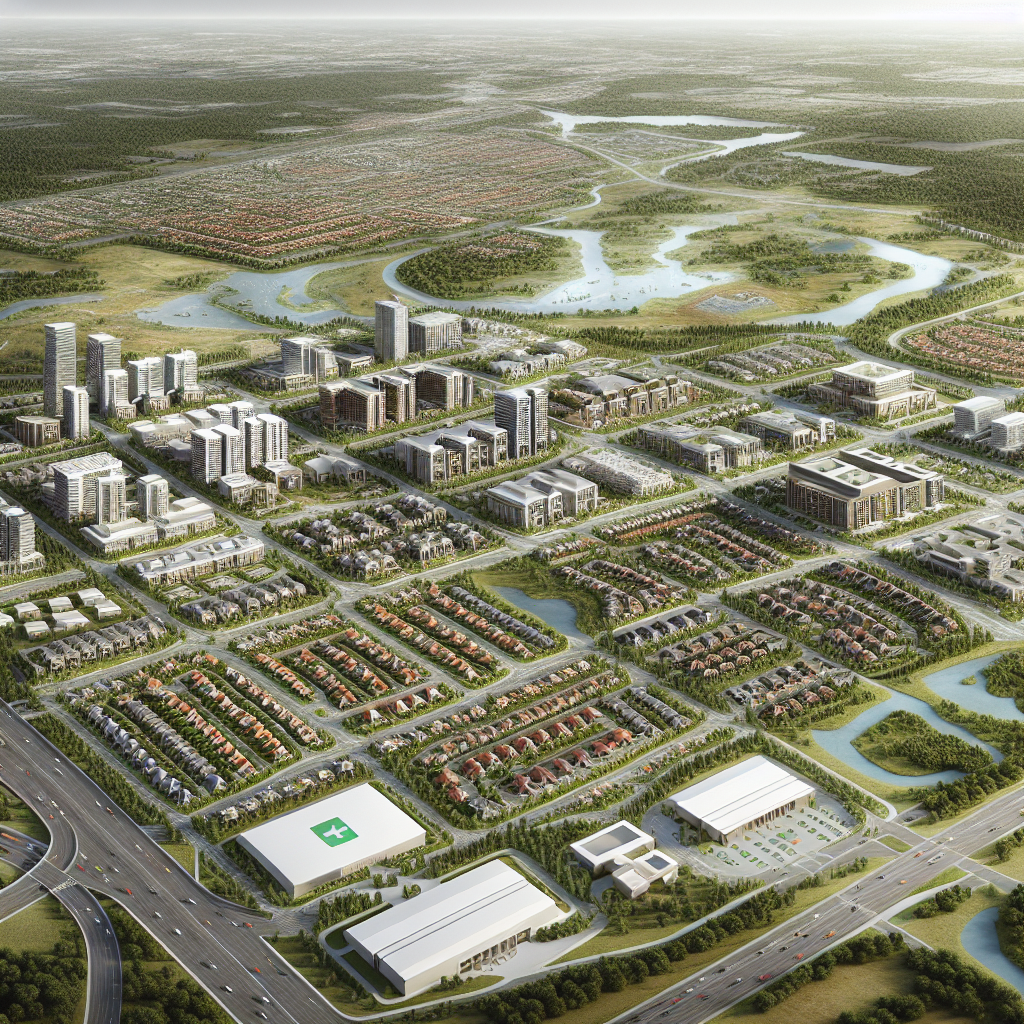
Infrastructure plays a critical role in community resilience. Strong and well-maintained infrastructure is essential to withstand the impacts of disasters. Communities should focus on building and upgrading critical infrastructure such as roads, bridges, schools, and hospitals to ensure they can endure extreme conditions. Incorporating resilient design principles into new construction projects and retrofitting existing structures can greatly enhance their durability. It’s also vital to ensure that essential services like electricity, water supply, and communication networks are robust and can function during emergencies. Investing in resilient infrastructure not only protects the community but also facilitates faster recovery post-disaster.
Building Social Cohesion and Community Networks
Social cohesion and strong community networks are the backbone of a resilient community. When residents are connected and supportive of each other, the community as a whole is better equipped to face challenges. Building social cohesion involves fostering a sense of belonging and trust among community members. This can be achieved through community events, local organizations, and volunteer programs. Encouraging neighbor-to-neighbor interactions and establishing community support groups can create a robust network that can be mobilized during disasters. Communities with strong social ties are more likely to cooperate effectively, share resources, and assist one another in times of need.
Promoting Education and Awareness
Education and awareness are crucial components of disaster preparedness. Communities should invest in educating residents about the risks they face and the steps they can take to protect themselves. This can be done through workshops, training sessions, and informational campaigns. Schools, community centers, and local media can serve as platforms for disseminating information. It’s important to make disaster preparedness education accessible to all age groups and demographics within the community. By enhancing knowledge and awareness, individuals are more likely to take proactive measures and contribute to the overall resilience of the community.
Fostering Economic Resilience
Economic stability is a key factor in community resilience. A community with a diverse and robust economy is better equipped to recover from disasters. This can be achieved by supporting local businesses, encouraging entrepreneurship, and promoting diverse industries. Economic resilience also involves ensuring that financial resources are available to assist in disaster recovery. This includes having insurance policies in place and establishing emergency funds. By fostering economic resilience, communities can reduce the financial impact of disasters and ensure a quicker return to normalcy.
Conclusion
Building a resilient community is a multifaceted endeavor that requires comprehensive planning, collaboration, and continuous effort. By understanding the unique risks and vulnerabilities of a community, developing robust disaster preparedness plans, strengthening infrastructure, fostering social cohesion, promoting education, and ensuring economic resilience, communities can enhance their ability to withstand and recover from disasters. The collective efforts of community leaders, residents, and organizations are essential in creating a resilient and adaptive environment. While the path to resilience may be challenging, the benefits of being well-prepared for any adversity are immeasurable. Let us all work together to build stronger, safer, and more resilient communities for the future.
Frequently Asked Questions
1. What does it mean for a community to be resilient, and why is it important?
Community resilience is essentially about how well a community can endure, adapt, and quickly bounce back from disasters or any challenges it faces. This resilience encompasses not just the physical infrastructure, but also the emotional, social, economic, and environmental capacity of the community to withstand impacts and recover effectively. Its importance cannot be overstated in today’s world, where natural and man-made crises are increasing in frequency and intensity. By having resilient communities, we ensure that when disaster strikes, there are clear paths to safety and recovery for everyone involved. This preparedness isn’t just about survival; it’s about thriving – returning to a level of normalcy that promotes well-being and economic stability long-term. Investing in resilience also means investing in stronger social ties and networks that help communities to support one another in challenging times.
2. What strategies can communities use to enhance their disaster preparedness?
Enhancing disaster preparedness involves a mix of planning, education, and infrastructure investment. Strategies often start with risk assessments to understand what kinds of disasters are most likely to affect the community, followed by awareness campaigns to educate residents about these risks. Developing comprehensive emergency plans and conducting regular drills can empower residents and institutions to react swiftly and effectively when emergencies occur. Infrastructural strategies might include building or retrofitting homes with stronger materials, expanding drainage systems to prevent flooding, or investing in renewable energy sources to ensure power sustainability during disruptions. Also, ensuring clear communication channels and robust networks for rapid dissemination of information is crucial. Communities should establish partnerships with local, regional, and national agencies and organizations, as these partnerships can provide pivotal support during disasters.
3. How can local governments and organizations contribute to building resilient communities?
Local governments and organizations play a pivotal role in fostering community resilience. They are responsible for creating policies and frameworks that embed resilience into the day-to-day operations and long-term planning processes. Governments can fund infrastructure projects that focus on disaster-resistant designs and environmental sustainability. They may also mandate building codes that require resilience considerations. Furthermore, they can provide resources for training residents and local groups in emergency response, which empowers citizens to take an active role in their community’s safety. Organizations, on the other hand, can provide expertise, offer technology or resources, and help bridge gaps that the government may not be able to address alone. This partnership approach maximizes the strengths and resources of all stakeholders involved in resilience building.
4. What role does community engagement play in disaster preparedness?
Community engagement is crucial for successful disaster preparedness. Engaged communities are communities that prioritize communication, participation, and cooperation. When residents are involved in forming emergency plans and risk assessments, these plans are more likely to address the specific needs and vulnerabilities of the community accurately. Engaging community members fosters trust, which is essential during disasters for ensuring compliance with evacuation orders and other directives. Moreover, when individuals are aware of their roles and responsibilities in disaster scenarios, they can act more decisively and collaboratively. This involvement also helps build solidarity, as people feel connected to their neighbors and are more willing to provide assistance to those who might be more vulnerable or in need during a disaster.
5. How can technology aid in building resilient communities?
Technology is a powerful tool in enhancing the resilience of communities. By utilizing various technological innovations, such as early warning systems, communities can receive timely information about impending disasters, giving them precious time to prepare or evacuate if necessary. Geographic Information Systems (GIS) allow for the mapping of high-risk areas, helping communities plan more effectively and create targeted action plans. Social media platforms can disseminate real-time information and instructions to large audiences quickly. Furthermore, technology can facilitate post-disaster recovery through mobile payment systems for distribution of aid, drones for assessing damage, or platforms enabling peer-to-peer support. By integrating technology thoughtfully and proactively, communities can significantly enhance their preparedness and resilience to disasters.