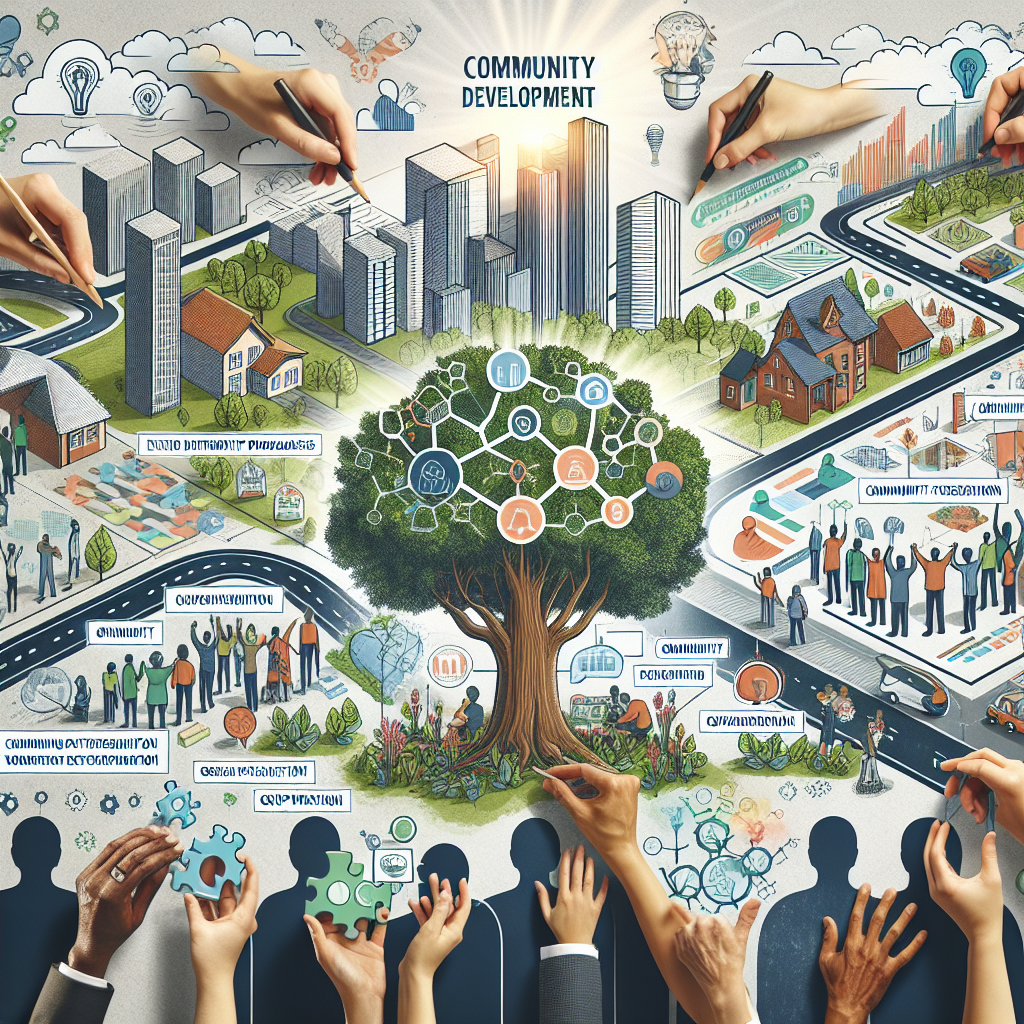
Education is a cornerstone of society, playing a critical role in personal and community development. When we consider the term ‘community development,’ we visualize a holistic balance of economic, social, and cultural progress. The transformative power of education fosters knowledgeable citizens, empowered to innovate and overcome societal challenges. Communities with strong educational frameworks have been shown to achieve more cohesive and productive environments, thus highlighting the importance of educational initiatives in driving community growth.
Moreover, education serves as an equalizer, providing individuals from varied socio-economic backgrounds with the skills and knowledge needed to uplift themselves and their families. It equips people with critical thinking abilities, which are essential for effective citizenship and leadership. In communities where educational opportunities are plentiful, there is generally lower crime and a higher sense of community engagement. These outcomes illustrate how education contributes not just to individual achievement but also to collective societal advancement.
The link between education and community development extends to various areas, including economic stability, health improvements, and enhanced civic participation. As we delve deeper into this subject, we will explore how education influences different aspects of community development and why it’s essential for policymakers, educators, and community leaders to prioritize educational initiatives.
In this article, we will analyze multiple facets of how education contributes to community development, from its impact on economic prosperity to its role in fostering social cohesion. By understanding these key areas, communities can better strategize and implement initiatives that harness the full potential of education.
Economic Prospects
One of the most striking impacts of education on community development is its ability to enhance economic prospects. Educated individuals are more likely to gain quality employment, earn higher wages, and contribute to the economic health of their communities. This economic stability reduces poverty rates and creates a more sustainable environment for long-term community growth.
Higher levels of education correlate with higher levels of innovation and productivity. Educated individuals bring new skills and knowledge to the workforce, which can lead to the development of new businesses and solutions to local problems. This entrepreneurial spirit is vital for job creation and economic diversification within communities.
Additionally, an educated workforce attracts businesses and industries to communities due to the availability of skilled labor. Companies are more likely to invest in areas where they can find qualified employees, further boosting local economies. Tax revenues increase as more individuals earn higher wages, allowing for better public services and infrastructure development—creating a positive feedback loop that continues to benefit the community.
Investing in education has been shown to yield high returns for communities. Every dollar spent on education generates economic benefits that far outweigh the initial costs, including increased tax revenues, decreased healthcare and welfare costs, and improved social cohesion. Therefore, prioritizing education is not just a moral imperative but a sound economic strategy.
Health Benefits
Education significantly impacts public health, thus playing another crucial role in community development. Educated individuals are often more aware of health-related issues and engage in healthier lifestyles. They are more likely to access preventive healthcare services, follow medical advice, and maintain healthier behaviors, leading to better overall community health.
Higher education levels are associated with lower incidences of chronic diseases, higher life expectancy, and improved mental health. When education is accessible and widespread, communities experience fewer health disparities and a reduced burden on healthcare systems. This improved public health can lead to a more productive workforce, greater overall community well-being, and reduced healthcare costs.
Furthermore, education equips individuals with the knowledge to make informed decisions about their health and the health of their families. Parents with higher levels of education are more likely to ensure that their children receive vaccinations, proper nutrition, and regular medical check-ups. This proactive approach to health cascades through generations, creating a healthier community foundation.
Communities with higher education levels often advocate for better health policies and resources, contributing to a stronger healthcare infrastructure. This advocacy can result in improved healthcare facilities, better health education programs, and policies that address the specific health needs of the community.
Social Cohesion
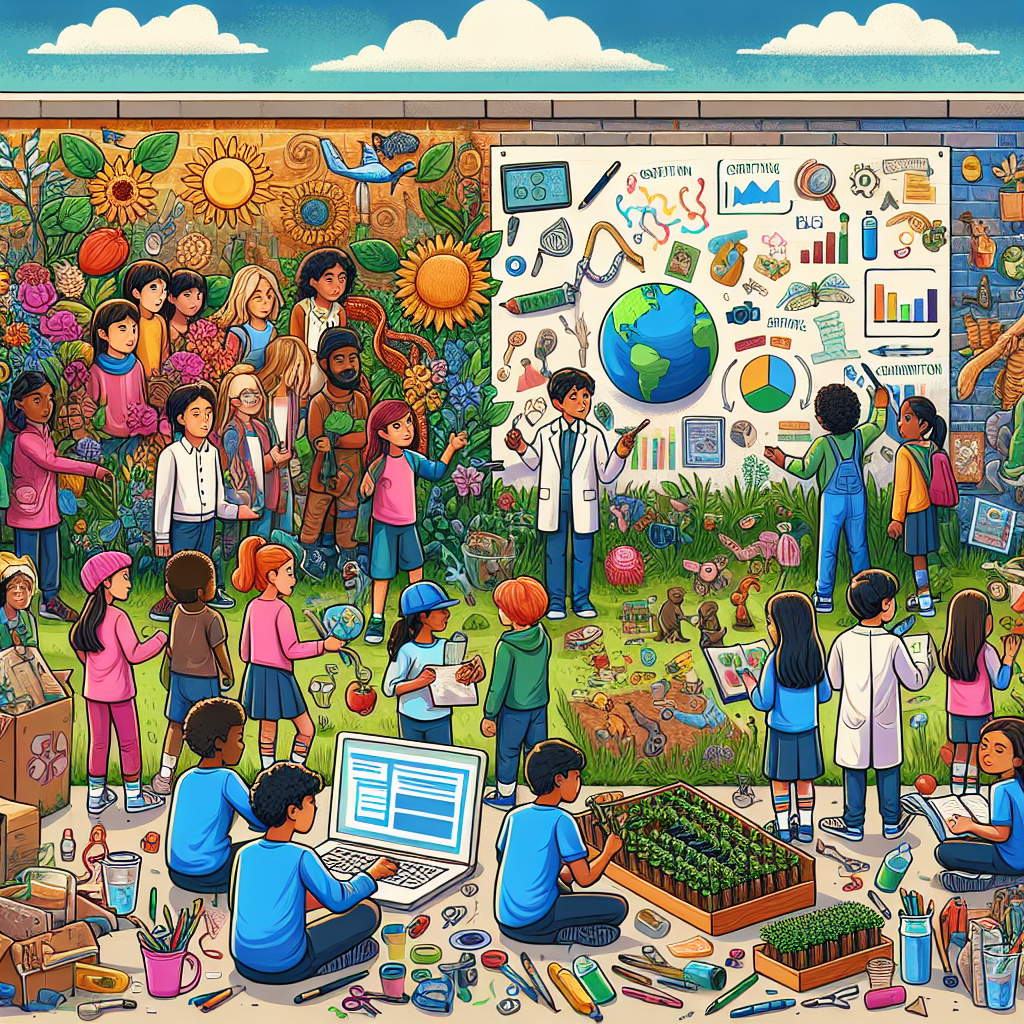
Education also plays a pivotal role in fostering social cohesion within communities. It promotes social mobility and reduces inequality by providing individuals with the skills and opportunities needed to improve their socio-economic status. When education is accessible to all, it helps to bridge gaps between different social groups, fostering a sense of inclusion and equity.
Educational institutions often serve as community hubs where individuals from diverse backgrounds can come together, interact, and build relationships. These interactions help to break down social barriers and build a sense of community. Schools, colleges, and universities often become centers of communal activities, promoting unity and collaboration among residents.
Moreover, education encourages a culture of shared values and mutual respect. It teaches individuals about their rights and responsibilities as citizens, fostering civic engagement and participation. Educated individuals are more likely to vote, volunteer, and engage in community service, contributing to the overall development and democratic processes of their communities.
Through educational programs and activities, communities can address social issues such as discrimination, prejudice, and violence. Educational initiatives that focus on diversity, inclusion, and conflict resolution can help to create a more harmonious and cohesive community environment.
Civic Participation
Civic participation is another crucial aspect of community development that is heavily influenced by education. Educated individuals are more likely to engage in civic activities, such as voting, attending town hall meetings, and participating in local government. This civic engagement is essential for the functioning of a healthy, democratic society and for the development of policies that reflect the needs and desires of the community.
Civic education, which is often part of school curricula, plays a vital role in preparing individuals to participate in democratic processes. It provides them with the knowledge and skills needed to engage in political discussions, understand governmental systems, and advocate for their communities. This preparation is crucial for the development of informed and active citizens who can contribute to the betterment of their community.
Furthermore, education fosters critical thinking and problem-solving skills, which are essential for effective civic participation. Educated individuals are better equipped to analyze complex social and political issues, propose viable solutions, and collaborate with others to address community challenges. This ability to think critically and solve problems is invaluable for community development and progress.
Communities with higher levels of civic participation are more likely to have responsive and accountable governments, as active citizens hold their leaders accountable and push for policies that benefit the community. This active engagement can result in more effective governance, better public services, and policies that promote community development.
Cultural Enrichment
Education also contributes to cultural enrichment and the preservation of cultural heritage within communities. Through education, individuals can learn about their cultural history, traditions, and values, fostering a sense of pride and identity. This cultural knowledge is vital for the preservation and continuation of cultural practices and for the overall cultural development of the community.
Moreover, educational institutions often serve as cultural centers where art, music, literature, and other cultural activities are promoted and celebrated. Schools, colleges, and universities frequently host cultural events, performances, and exhibitions that enrich the community’s cultural life. These activities provide opportunities for individuals to engage with and appreciate their cultural heritage and that of others.
Education also promotes cultural diversity and inclusion by teaching individuals about different cultures and encouraging respect and appreciation for cultural differences. This education helps to build a more inclusive and harmonious community where diversity is celebrated and valued.
Furthermore, cultural education can inspire creativity and innovation, contributing to the community’s cultural and artistic development. Educated individuals who are exposed to diverse cultural influences are more likely to develop creative ideas and artistic expressions that enrich the community’s cultural landscape.
Conclusion
In conclusion, the role of education in community development cannot be overstated. Education is a powerful tool that drives economic prosperity, enhances public health, fosters social cohesion, encourages civic participation, and enriches cultural life. Communities that prioritize education are better equipped to tackle challenges, innovate, and thrive.
The benefits of education extend far beyond individual achievement; they permeate every aspect of community life. By investing in education, communities can create a virtuous cycle of development where economic growth, health improvements, social cohesion, civic participation, and cultural enrichment reinforce each other, leading to sustainable and inclusive development.
Ultimately, education is the foundation upon which strong, resilient, and vibrant communities are built. Policymakers, educators, and community leaders must recognize the critical role of education in community development and work together to ensure that educational opportunities are accessible to all. By doing so, they can unleash the full potential of their communities and pave the way for a brighter future.
As we move forward, it is essential to continue exploring and understanding the multifaceted impacts of education on community development. Through ongoing research, collaboration, and innovation, we can develop effective educational strategies and initiatives that drive community progress and uplift individuals, families, and communities as a whole.
Frequently Asked Questions
1. How does education contribute to community development?
Education serves as a foundational pillar for community development by equipping individuals with the knowledge and skills necessary to advance economic, social, and cultural growth. It provides a sanctuary for innovation and critical thinking, enabling people to address and solve problems within their surroundings. Educated individuals are likely to be more proactive in community engagement, leading to improved health outcomes, increased economic stability, and a more cohesive social fabric. They become advocates for change, ushering in policies and initiatives that foster a sustainable and progressive community environment.
2. What impact does a strong educational framework have on a community?
A robust educational framework underpins a community’s ability to thrive. Such a structure not only provides learners with academic knowledge but also imparts essential life skills such as communication, collaboration, and adaptability. It promotes inclusivity and diversity, teaching young and old alike to respect and appreciate different perspectives. Economically, a strong educational base attracts businesses and investors, creates employment opportunities, and boosts local revenue through higher skilled workers. Socially, education fosters informed citizens who participate in governance processes, leading to better decision-making and policy formation. Cultivating a well-educated population ultimately builds a resilient and dynamic community capable of meeting future challenges head-on.
3. In what ways can education alleviate societal challenges?
Education plays a pivotal role in alleviating societal challenges by promoting awareness, reducing inequalities, and empowering disadvantaged groups. It serves as a powerful tool against poverty, offering individuals pathways to better job opportunities and improved earning potential. Academic and vocational education help equip citizens with the competencies needed to navigate an increasingly complex world, empowering them to break cycles of poverty and discrimination. Furthermore, educational programs focused on civic responsibility and ethical leadership develop socially conscious citizens who champion reforms in policy areas such as health, environment, and social justice. The ripple effect of educated individuals leads to healthier communities with lower crime rates and enhanced quality of life for all.
4. How does education encourage cultural progress within a community?
Education is a significant driver of cultural progress, as it encourages open-mindedness, acceptance, and understanding among diverse groups within a community. Through exposure to a wide array of ideas, histories, and traditions, education fosters an appreciation for cultural diversity and heritage. Schools and educational institutions often become the epicenters of cultural exchange, hosting events, art programs, and activities that showcase various cultural narratives and collective identities. By embedding cultural awareness within the curriculum, education promotes dialogue and unity, reducing ethnic and cultural tensions and paving the way for a more harmonious coexistence. This cultural vitality enriches community life, laying the groundwork for a vibrant, well-rounded society.
5. How does education promote economic development in a community?
Education is a catalyst for economic development, strengthening a community’s workforce and enhancing its competitiveness in the global market. By fostering critical skills such as problem-solving, analytical thinking, and technical proficiency, education prepares individuals for diverse career paths and entrepreneurial ventures. It helps bridge the skills gap, ensuring that the local labor market meets the demands of evolving industries. Moreover, educational institutions often collaborate with businesses and government entities to tailor programs that align with regional economic priorities. This synergy results in increased productivity, innovation, and economic output. Additionally, educated populations tend to exhibit higher consumption rates, contributing to local economic growth and sustainability.