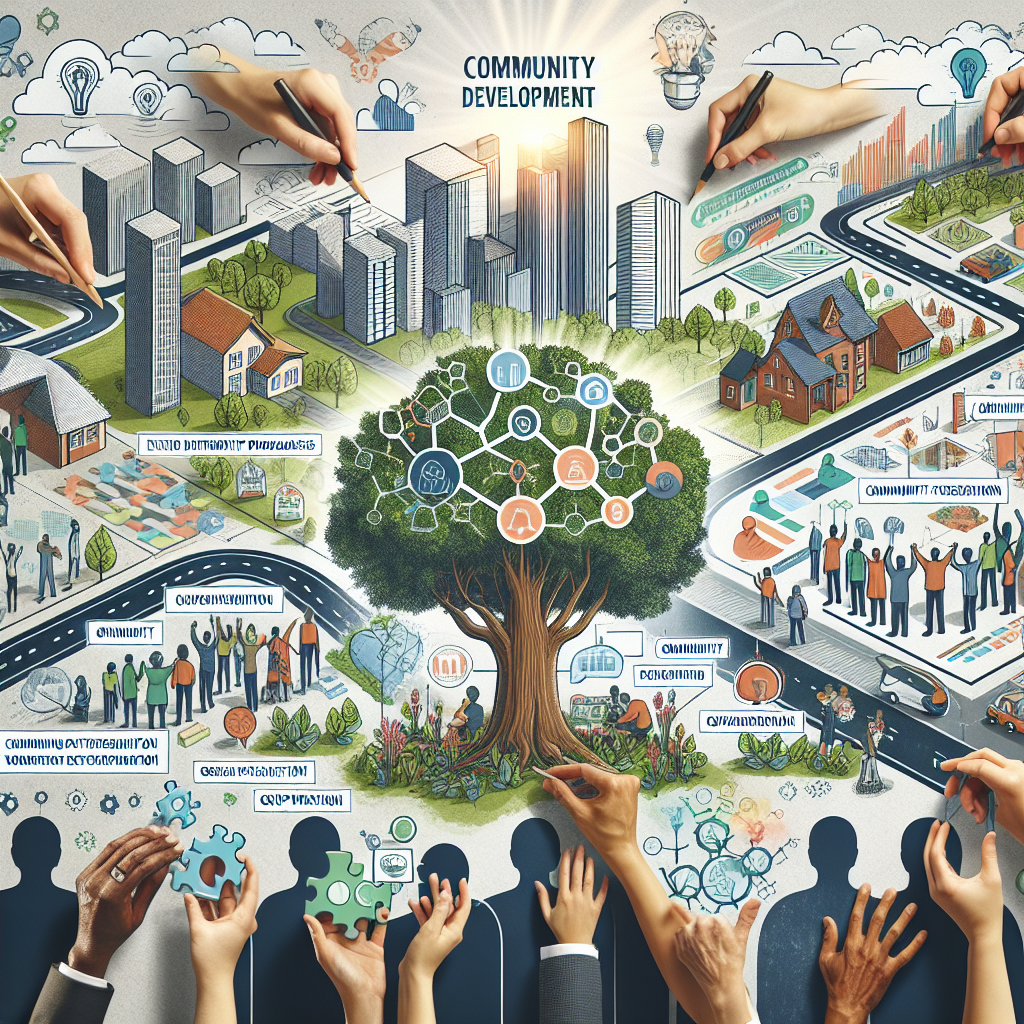
Community development stands at the intersection of people, place, and planning, where the aim is to improve the quality of life for residents through participatory and sustainable efforts. One of the most critical, yet often underutilized, resources in this process is youth. Involving young people in community planning and development activities not only empowers them but also ensures the longevity and relevance of community initiatives. In this comprehensive analysis, we’ll dive into the significance of community development, the value of youth engagement, and how both can be intertwined to produce thriving communities.
Introduction
Community development is an approach that encompasses the holistic growth of communities by addressing various social, economic, and environmental factors. It involves collective action and inclusive practices aimed at fostering positive transformation. For many communities, engaging young residents in these endeavors remains a pivotal challenge but offers abundant rewards. Initiating community development projects without factoring in the youth means excluding a vibrant segment capable of bringing new ideas and sustained energy into the fold.
Youth engagement refers to the active and meaningful participation of young people in decision-making processes, project implementation, and evaluation. When youth are engaged, they gain a sense of ownership and responsibility, which can lead to better outcomes for both individuals and communities. Moreover, involving young people helps bridge generational gaps and fosters a culture of inclusivity and forward-thinking. Over the next several sections, we will explore different facets of community development and youth engagement, shedding light on how combining these elements can result in robust, dynamic communities.
This introduction sets the stage for a deeper exploration of how community development and youth engagement intertwine, driving us toward a shared vision of sustainable and inclusive community growth. By prioritizing both community development and youth engagement, we can pave the way for communities that not only endure but also thrive, leveraging the innovation and vigor of younger generations.
The Importance of Community Development
At its core, community development is about uplifting communities by addressing disparities, harnessing local assets, and fostering a sense of collective purpose. Fundamentally rooted in principles of social justice and sustainability, effective community development entails analyzing the needs and aspirations of residents, advocating for equity, and implementing long-term solutions.
One of the significant advantages of community development is the empowerment of individuals. When people come together to invest in their community’s progress, it furnishes them with vital skills, networks, and resources. These collaborative efforts often yield improvements in local infrastructure, social services, economic opportunities, and overall quality of life. Furthermore, a thriving community tends to have higher civic engagement, lower crime rates, and better public health outcomes, creating a virtuous cycle of growth and wellbeing.
When local stakeholders are involved in community development, they help shape initiatives that address their unique contexts and challenges. These initiatives could range from improving access to education and healthcare to establishing public parks and affordable housing. Such tailored approaches not only meet immediate needs but also set the groundwork for sustainable future growth.
In short, community development transforms passive residents into active participants. It enables communities to harness their collective strength, creating environments where everyone has the opportunity to prosper. By appreciating the broad implications of community development, we can better understand how youth engagement fits into this larger framework.
The Role of Youth in Community Development
Youth play an indispensable role in community development due to their unique perspectives, energy, and readiness to challenge the status quo. Engaging young people in community development projects harnesses their potential to innovate and brings fresh ideas into traditional planning processes. However, for many communities, integrating youth effectively requires deliberate strategies and genuine commitment.
Youth engagement initiatives can take various forms, such as inviting young people to participate in advisory councils, involving them in local government forums, and supporting youth-led projects. These initiatives not only provide young residents with leadership opportunities but also help build vital life skills, including teamwork, problem-solving, and civic responsibility. Moreover, when young people feel that their input is valued, they are more likely to remain engaged and committed to their communities in the long term.
A crucial aspect of effective youth engagement is creating spaces where young people feel safe and confident to express their ideas. This involves addressing potential barriers such as lack of access to information, limited financial resources, and preconceived notions about youth capabilities. By actively listening to young residents and incorporating their feedback, communities can foster an inclusive environment that values the contributions of all members.
Ultimately, the role of youth in community development goes beyond mere participation. It involves recognizing them as equal partners whose insights and energy can drive transformational change. By acknowledging and nurturing the potential of young people, communities can tap into a reservoir of creativity and resilience that is essential for sustained development.
Successful Models of Youth-Engaged Community Development
There are various successful models worldwide that illustrate the positive impacts of youth-engaged community development. These examples not only showcase the practical benefits of such initiatives but also offer valuable lessons for other communities looking to implement similar strategies.
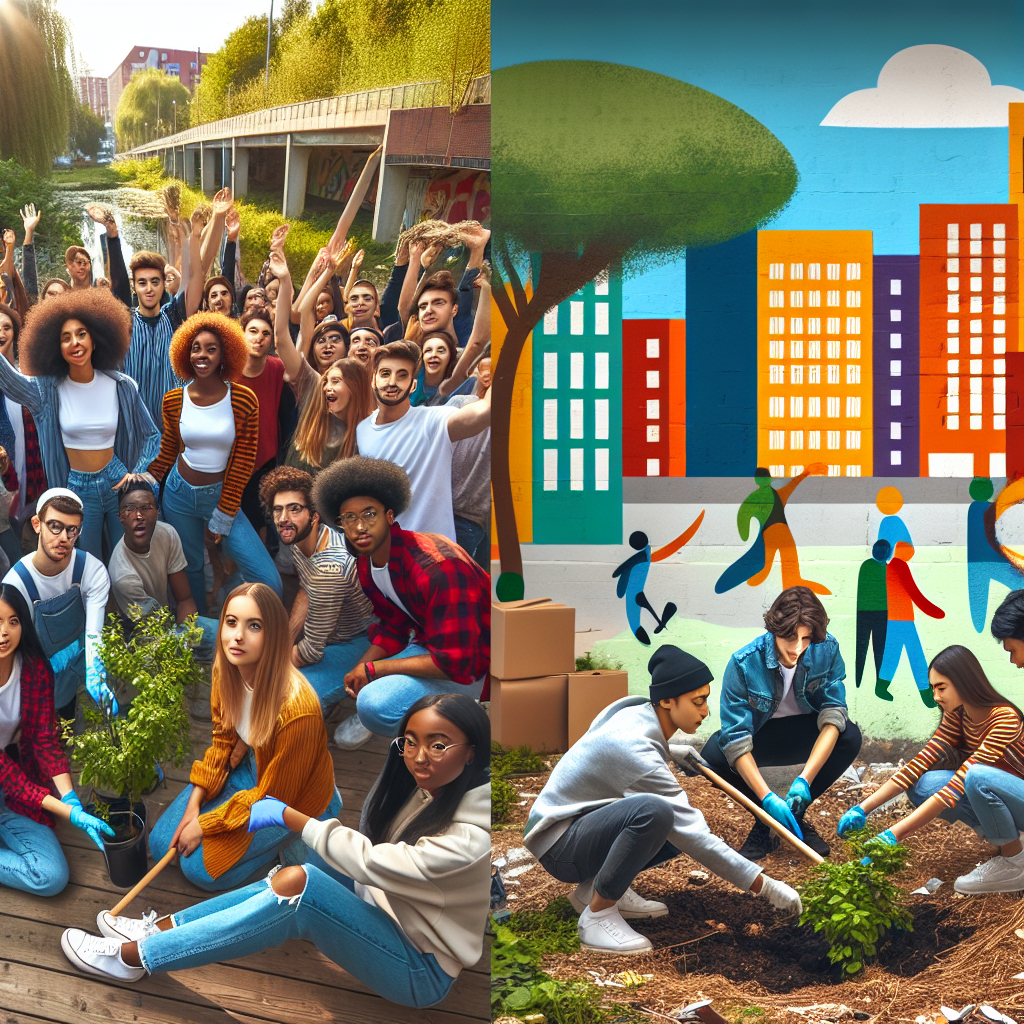
One notable model is the “Youth as Resources” program, which originated in the United States. This initiative empowers young people to identify local issues and develop projects that address them. With support and mentorship from adults, participating youth are responsible for planning, budgeting, and executing their projects. The program has led to numerous community improvements, including environmental conservation efforts, public art installations, and social inclusion campaigns.
Another example can be found in the “Bolsa Família” program in Brazil, a social welfare initiative that includes youth engagement as a core component. The program provides financial aid to low-income families, contingent on their children’s school attendance and participation in community activities. By linking financial support with active community involvement, the program incentivizes education and civic engagement among youth, fostering a sense of interconnectedness and collective responsibility.
In Kenya, the “Youth Empowerment Project” focuses on building vocational skills and creating employment opportunities for young people. Through partnerships with local businesses and training institutions, the project provides practical skills training, mentorship, and job placement services. The initiative has significantly reduced youth unemployment rates and catalyzed economic development in participating communities.
These examples highlight the diverse ways in which youth-engaged community development can be realized. By learning from successful models, communities can adapt and implement strategies that best suit their unique contexts and challenges, ensuring that the voices and talents of young people are effectively harnessed for positive change.
Challenges and Barriers to Youth Engagement
Despite the clear benefits of involving young people in community development, there are several challenges and barriers that can hinder effective youth engagement. Recognizing and addressing these obstacles is crucial for creating inclusive and resilient communities.
One of the primary barriers is the lack of representation in decision-making processes. Young people often feel excluded from discussions that directly impact their lives, leading to a sense of disenfranchisement and apathy. This exclusion can be exacerbated by structural inequalities, such as socio-economic disparities, limited access to educational resources, and geographical isolation.
Additionally, there can be persistent stereotypes and biases that devalue the contributions of young people. Adults may underestimate the capabilities of youth or view their involvement as tokenistic rather than meaningful. Such attitudes can stifle enthusiasm and discourage young residents from participating in community development activities.
Other challenges include limited financial resources, lack of mentorship and training opportunities, and competing priorities, such as academic and family obligations. Ensuring that youth engagement is accessible and sustainable requires addressing these practical concerns alongside cultural and structural barriers.
To overcome these challenges, communities must commit to creating inclusive environments that recognize and celebrate the potential of young people. This involves actively reaching out to underserved youth, providing platforms for their voices to be heard, and fostering a culture of mutual respect and collaboration. By tackling these barriers head-on, communities can unlock the full potential of youth engagement and drive meaningful, sustained development.
Strategies for Effective Youth Engagement
Effective youth engagement requires deliberate and strategic efforts to foster environments where young people can thrive and contribute meaningfully. Several strategies can be employed to ensure successful youth-focused community development.
Firstly, it is essential to create inclusive spaces where young people feel valued and heard. This can be achieved by establishing youth councils, advisory boards, and other platforms that allow for active participation in decision-making processes. Encouraging intergenerational dialogue and collaboration can help bridge gaps and foster mutual understanding.
Providing mentorship and training opportunities is another crucial strategy. Mentorship programs can connect young people with experienced community leaders who can offer guidance, support, and insights. Training initiatives can equip youth with the skills and knowledge needed to take on leadership roles and effectively contribute to community projects.
Financial support and resources are also vital for ensuring sustainable youth engagement. Grant programs, scholarships, and funding for youth-led projects can help alleviate financial barriers and empower young people to pursue their initiatives. Partnerships with local businesses, governmental agencies, and non-profit organizations can provide additional resources and support.
Moreover, effective communication and outreach are essential for engaging a diverse range of youth. Utilizing social media, community events, and school programs can help raise awareness and encourage participation. Tailoring communication strategies to resonate with young people’s interests and concerns can enhance engagement and foster a sense of belonging.
Lastly, fostering a culture of recognition and celebration can motivate and inspire young people. Acknowledging the contributions of youth through awards, public recognition, and media coverage can reinforce the value of their involvement and encourage continued participation.
By implementing these strategies, communities can create environments where young people are empowered to take an active role in shaping their future. Effective youth engagement is not just about inclusion; it’s about leveraging the strengths and potential of young residents to drive meaningful and lasting community development.
Conclusion
Community development and youth engagement are intertwined approaches that, when combined, can lead to thriving, dynamic, and resilient communities. By recognizing the vital role that young people play in community development and actively involving them in decision-making processes, communities can harness the creativity, energy, and insights of their younger residents.
Throughout this analysis, we have explored the importance of community development, the unique contributions of youth, successful models of youth-engaged development, challenges and barriers to youth engagement, and effective strategies for fostering meaningful participation. Each of these aspects underscores the need for deliberate and inclusive efforts to create environments where all residents, regardless of age, can contribute to and benefit from community growth.
The path to robust community development lies in embracing diversity, fostering inclusivity, and nurturing the potential of every member, particularly young people. By investing in our youth and empowering them to take an active role in shaping their communities, we can cultivate a future that is not only sustainable but also enriched with innovation and resilience.
As communities continue to evolve and face new challenges, the importance of youth engagement remains ever-relevant. Creating spaces where young people can thrive, share their ideas, and take on leadership roles is essential for building communities that are adaptable, inclusive, and capable of sustained growth. The future of community development depends on our commitment to involving and empowering young people today.
Frequently Asked Questions
1. What is community development and why does it matter?
Community development is a multifaceted process that involves people, place, and planning, all working together to enhance the quality of life for community members. This form of development focuses on harnessing local resources, including economic, natural, and human resources, to foster a sustainable environment. It is rooted in participatory approaches that encourage input and involvement from community members at every level. This inclusive strategy ensures that development initiatives are not only applicable but also sustainable in the long run, as they are designed to meet the unique needs and circumstances of the community. Why does it matter? Well, it empowers individuals and groups, drives economic growth, leads to improved living standards, and creates vibrant, resilient communities that can adapt to change and face future challenges effectively. Empowered, involved community members lead to enriched, sustainable improvements and innovations that continue to thrive long after initial projects are completed.
2. How can youth be involved in community development?
Youth engagement in community development can take multiple forms, tapping into the energy, creativity, and fresh perspectives that young people bring. Some of the ways to involve youth include creating youth councils that participate in local government or community organization meetings, involving young people in planning and executing community service projects, and including them in discussions about future community plans and developments. Additionally, providing opportunities for young people to volunteer in local initiatives gives them practical experience and a vested interest in their community’s well-being. Schools, local clubs, and non-profit organizations can partner to create mentorship programs where young people work with experienced community members on projects that align with their interests and career aspirations. By making these initiatives visible and meaningful, youth feel recognized as valued contributors, increasing their motivation and commitment to community efforts.
3. Why is it important to include youth in community development efforts?
The inclusion of youth in community development is crucial for several reasons. Firstly, it ensures that development initiatives are inclusive and represent diverse perspectives, especially those of the younger generation who will inherit these communities. Involving youth provides them with a sense of ownership and responsibility towards their surroundings, which fosters a continuity of care and dedication long into the future. It also bridges generational gaps, promoting mutual understanding and respect between different age groups. Younger people often bring innovative ideas and adaptability, important traits that can help communities navigate modern challenges like technology integration and sustainability practices. Furthermore, engaging youth helps to develop critical skills like leadership, communication, and problem-solving, preparing them as capable contributors to society. This early involvement contributes to the overall vitality and dynamism of the community, enabling it to thrive in an ever-evolving world.
4. What challenges exist in integrating youth into community development, and how can they be overcome?
Despite the benefits, there are significant challenges to integrating youth into community development. One major barrier is a lack of trust or belief in the capabilities of young people, which leads to their opinions and contributions not being taken seriously. To overcome this, communities can proactively create programs that highlight and utilize youth perspectives in decision-making processes, thus reflecting faith in their abilities. Another challenge is logistical in nature, where youths’ school, work, and personal commitments can restrict their involvement. Offering flexible scheduling, after-school programs, and integrating community projects with educational curricula can help mitigate these scheduling conflicts. Additionally, limited resources and funding for youth-centric initiatives can be a hindrance. Building partnerships with local businesses, gaining support from governmental bodies, and utilizing social media for crowdfunding can increase access to necessary resources. Through patience, support, and a willingness to adapt, these challenges can be successfully addressed, paving the way for meaningful youth involvement in community development.
5. What are some successful examples of youth engagement in community development?
There are numerous examples around the world where youth engagement in community development has led to substantial improvements. For instance, the “Young Leaders for Change” program in Canada empowers young individuals to tackle community issues they are passionate about, such as climate change and social justice, by providing mentorship and funding. In the U.S., the “YouthBuild” program involves young people in constructing affordable housing while gaining essential life skills and education credits. Meanwhile, in India, the “Humara Bachpan Campaign” involves children and adolescents in advocating for safer living conditions, bringing about significant policy changes and urban development improvements. Each of these initiatives underscores the transformative power of youth involvement, highlighting not only the tangible benefits to their communities but also personal growth and empowerment for the youth involved. These examples serve as inspiration, proving that with support and resources, young people can be the driving force behind sustainable community progress.