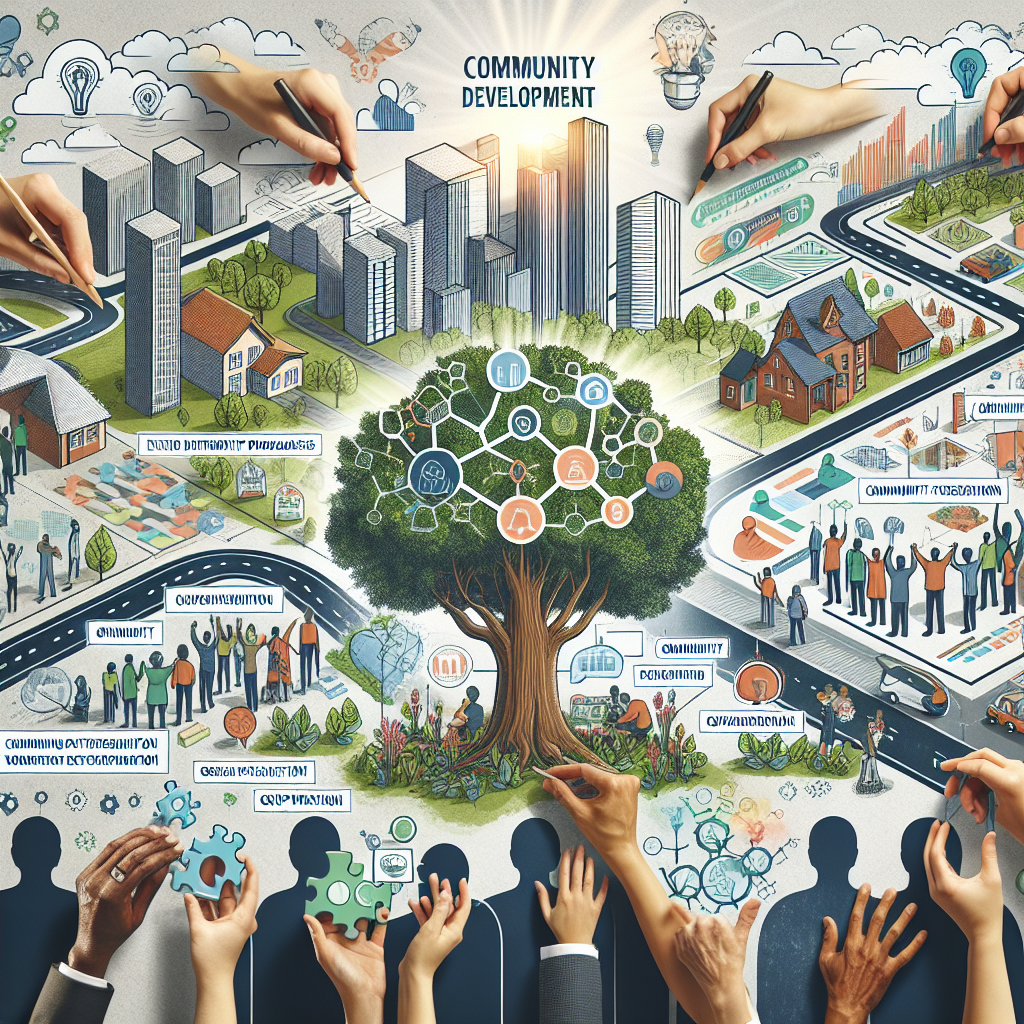
Community development and affordable housing are integrally linked components that form the bedrock of thriving societies. As urban centers expand and populations grow, the demand for well-planned, equitable housing solutions becomes increasingly critical. Community development encompasses the collaborative, multi-faceted efforts to improve the living conditions, economic prospects, and social well-being of residents in a community. Affordable housing, on the other hand, ensures that all individuals, regardless of income, have access to safe, decent, and affordable living spaces.
The dual aim of community development and affordable housing is to create inclusive neighborhoods where diverse groups of people can live, work, and play. This not only mitigates issues of inequality and segregation but also fosters stronger, more resilient communities. Investing in affordable housing can also stimulate local economies by creating jobs in construction and related sectors, and by attracting businesses that seek stable and sustainable environments.
In this article, we will delve into the multifaceted world of community development and affordable housing. We will explore the importance of these concepts, the challenges they face, and the innovative strategies being used to address these challenges. By understanding the interconnectedness of community development and affordable housing, we can better appreciate the role they play in building vibrant, equitable communities.
The Importance of Community Development
Community development is essential for creating sustainable and inclusive environments. At its core, community development focuses on improving the quality of life for all residents. This involves enhancing access to education, healthcare, employment opportunities, and recreational activities. By focusing on these areas, community development initiatives aim to address social inequalities and improve the overall well-being of individuals and families.
One significant aspect of community development is the empowerment of residents. This includes providing individuals with the skills, knowledge, and resources they need to participate actively in their communities. Empowered residents are more likely to engage in civic activities, support local businesses, and contribute to community projects. This, in turn, fosters a sense of ownership and pride in the community, leading to more sustainable development outcomes.
Furthermore, community development emphasizes the importance of collaboration and partnerships. By working together, local governments, non-profit organizations, businesses, and residents can pool their resources and expertise to address common challenges. This collaborative approach ensures that development initiatives are comprehensive and responsive to the needs of the community.
Challenges in Affordable Housing
Despite the clear importance of affordable housing, numerous challenges hinder its widespread implementation. One of the primary challenges is the escalating cost of land and construction. As urban areas expand, land prices tend to skyrocket, making it difficult for developers to build affordable housing without compromising on quality or sustainability.
Regulatory hurdles and zoning laws also pose significant obstacles. In many areas, restrictive zoning laws limit the types of housing that can be built, often excluding affordable options. Additionally, lengthy approval processes and bureaucratic red tape can delay the development of affordable housing projects, adding to the overall cost.
Another challenge is the stigma associated with affordable housing. Some communities oppose affordable housing developments due to misconceptions about the people who will reside there. This “Not In My Backyard” (NIMBY) mentality can lead to resistance from local residents and policymakers, further complicating the development process.
Finally, limited funding and resources are a major barrier to the development of affordable housing. Many affordable housing projects rely on subsidies, grants, or low-interest loans to be financially viable. However, these funding sources are often insufficient to meet the growing demand for affordable housing, resulting in a significant shortfall.

Innovative Solutions and Strategies
To address the challenges in community development and affordable housing, various innovative solutions and strategies have been implemented. One such strategy is the inclusionary zoning approach. Inclusionary zoning requires developers to set aside a certain percentage of new housing units for low- and moderate-income families. This ensures that affordable housing is integrated into new developments, promoting diversity and inclusion.
Public-private partnerships (PPPs) have also proven to be effective in boosting affordable housing initiatives. By leveraging the resources and expertise of both the public and private sectors, PPPs can accelerate the development process and ensure the delivery of quality affordable housing. These partnerships often involve collaborations between government agencies, non-profit organizations, and private developers.
Another innovative approach is the use of modular and prefabricated construction methods. These construction techniques can significantly reduce the cost and time required to build affordable housing. Modular and prefabricated homes are manufactured off-site and then assembled on-site, ensuring high quality and efficiency. This method also allows for greater customization and flexibility in design.
Additionally, community land trusts (CLTs) have emerged as a promising model for affordable housing. CLTs are non-profit organizations that acquire and hold land for the benefit of the community. By removing land from the speculative market, CLTs can ensure that housing remains affordable in perpetuity. Residents of CLT properties typically enter into long-term, renewable leases, providing them with stability and security.
The Role of Policy and Legislation
Policy and legislation play a critical role in promoting community development and affordable housing. Governments at all levels have the power to enact laws and regulations that support the creation and preservation of affordable housing. One important policy tool is the Low-Income Housing Tax Credit (LIHTC), which provides tax incentives to developers who build or rehabilitate affordable housing.
In addition to tax incentives, governments can implement rent control policies to ensure that housing remains affordable for low- and moderate-income residents. Rent control policies limit the amount by which landlords can increase rents, providing tenants with a measure of stability in increasingly expensive rental markets.
Another important policy initiative is the allocation of funds for affordable housing development. Governments can direct resources towards the construction, rehabilitation, and maintenance of affordable housing units. This can include direct subsidies, grants, or low-interest loans to developers, as well as funding for non-profit organizations that provide housing services.
Legislation can also address issues related to zoning and land use. By reforming restrictive zoning laws, governments can facilitate the development of a wider variety of housing types, including affordable options. Policies that promote density, mixed-use development, and transit-oriented development can also contribute to more sustainable and inclusive communities.
Case Studies: Successful Community Development and Affordable Housing Projects
Examining successful case studies can provide valuable insights into effective community development and affordable housing strategies. One notable example is the Dudley Street Neighborhood Initiative (DSNI) in Boston, Massachusetts. DSNI is a grassroots organization that has successfully transformed a historically disinvested neighborhood into a vibrant, thriving community. Through community engagement, land trusts, and strategic partnerships, DSNI has developed affordable housing, green spaces, and economic opportunities for residents.
Another example is the Mercy Housing organization, which operates across the United States. Mercy Housing develops, finances, and operates affordable housing communities for low-income families, seniors, and individuals with special needs. Their holistic approach includes supportive services such as job training, healthcare, and educational programs, which help residents achieve stability and self-sufficiency.
In Canada, the Regent Park revitalization project in Toronto is a powerful example of successful community development and affordable housing. Once one of the country’s most impoverished neighborhoods, Regent Park has been transformed through a comprehensive redevelopment plan. The project replaced aging public housing with mixed-income communities, incorporating green spaces, community facilities, and local businesses. This inclusive approach has fostered social cohesion and economic growth.
These case studies highlight the importance of community involvement, innovative financing, and supportive services in the success of development projects. By learning from these examples, other communities can adopt similar strategies to create inclusive, sustainable, and affordable housing solutions.
Looking Forward: The Future of Community Development and Affordable Housing
As we look to the future, the need for innovative approaches to community development and affordable housing will only grow. Climate change, population growth, and economic inequality are just a few of the challenges that will shape the landscape of urban planning and development in the coming years. However, these challenges also present opportunities to create more resilient and inclusive communities.
Sustainability will be a key focus in future community development and affordable housing projects. Incorporating green building practices, renewable energy sources, and climate-resilient infrastructure can help mitigate the impacts of climate change and reduce environmental footprints. Sustainable development not only benefits the environment but also promotes long-term cost savings and health benefits for residents.
Technological advancements will also play a significant role in shaping the future of community development and affordable housing. Smart city technologies, data analytics, and digital platforms can enhance urban planning, resource management, and community engagement. These tools can help identify needs, monitor progress, and ensure that development initiatives are responsive to the evolving needs of residents.
Finally, fostering a culture of inclusivity and equity will be essential for the future of community development and affordable housing. This involves actively addressing systemic inequalities and ensuring that all residents have access to the resources and opportunities they need to thrive. By prioritizing the voices and needs of marginalized communities, we can create more just and equitable urban environments.
Conclusion
Community development and affordable housing are fundamental components of building vibrant, inclusive, and sustainable communities. By understanding the interconnectedness of these concepts, we can address the challenges and embrace the opportunities that lie ahead. Through collaborative efforts, innovative strategies, and supportive policies, we can create environments where all individuals have the opportunity to thrive.
The journey towards inclusive community development and affordable housing requires the active participation of all stakeholders, including governments, non-profits, businesses, and residents. By working together, we can create neighborhoods that reflect the diverse needs and aspirations of their inhabitants. This holistic approach not only improves the quality of life for residents but also strengthens the social and economic fabric of our communities.
As we move forward, it is essential to remain committed to the principles of sustainability, innovation, and equity. By doing so, we can build a future where all individuals, regardless of their background or income, have access to safe, decent, and affordable housing. This vision of inclusive and sustainable community development will serve as a guiding light for generations to come.
Frequently Asked Questions
1. What is community development, and how does it relate to affordable housing?
Community development is a comprehensive and collaborative effort aimed at enhancing the quality of life, economic vitality, and social well-being of residents within a community. It involves a wide range of initiatives, such as improving infrastructure, encouraging local entrepreneurship, supporting educational opportunities, and fostering environmental sustainability. Community development creates a more livable, resilient, and resourceful environment for everyone.
Now, when we talk about affordable housing, we’re referring to housing solutions that are financially accessible to individuals and families with varying income levels. Affordable housing is a key component of community development because it tackles the challenges of housing accessibility, which is crucial as urban centers grow and populations increase. By integrating affordable housing into community development, we ensure that everyone, regardless of their income, has a decent place to live. This, in turn, supports social equality, enhances economic opportunities, and contributes to an overall higher quality of life. The two are inseparable when it comes to building communities that are truly sustainable and inclusive.
2. What are the primary challenges in developing affordable housing within communities?
Developing affordable housing within communities is often fraught with numerous challenges that can make the process complex and demanding. A significant roadblock is the high cost of land and construction, which can deter developers from engaging in affordable housing projects, as their profit margins are generally slimmer compared to high-end housing developments. Additionally, securing financing for these projects can be daunting, as it often involves multiple sources, including government subsidies, tax credits, and private investments, which require careful coordination.
Another challenge is navigating the regulatory environment, which includes zoning laws, building codes, and community opposition, sometimes called “NIMBYism” (Not In My Backyard). Some residents resist new affordable housing developments due to misconceptions about their potential impact on property values or neighborhood character.
Furthermore, ensuring that affordable housing meets the diverse needs of the community is pivotal. This means offering various types of housing, such as apartments, single-family homes, or community-oriented housing, to cater to different demographics. Balancing these factors requires careful planning and community engagement to create inclusive and supportive environments that uplift everyone.
3. How do community development initiatives impact the economy?
Community development initiatives have a profound impact on the local economy by stimulating growth and fostering economic resilience. These initiatives often aim to create jobs, support local businesses, and improve infrastructure, which in turn attracts more businesses and residents to the area. By investing in areas like public transportation, green spaces, and local commerce, these projects enhance the overall appeal of the community, making it a desirable place to live and work.
Affordable housing is a catalyst for economic development. It provides stability that allows individuals and families to invest in their future, whether through education, health, or employment opportunities. As residents move into stable housing, the demand for local services and goods increases, spurring business growth and job creation. By creating more income-diverse communities, community development also lessens the concentration of poverty, thereby improving economic conditions for everyone. Essentially, by promoting inclusive growth, community development initiatives foster a thriving economy that benefits all members of society.
4. What roles do government and private sectors play in community development and affordable housing?
The roles of government and the private sector are both crucial yet distinct in the realm of community development and affordable housing. The government is often the driving force in providing the necessary frameworks, funding, and incentives to make affordable housing projects viable. This includes offering subsidies, enforcing zoning laws that promote inclusive housing, and implementing tax credits to encourage private investment. Government agencies work at all levels—federal, state, and local—to craft policies that support these efforts, often involving comprehensive planning and public consultation.
On the other hand, the private sector typically brings in the technical expertise, innovation, and capital necessary for the actual development and construction of housing projects. Private developers and investors often collaborate with non-profits and government entities to design and build housing that meets affordability criteria. Increasingly, private sector entities recognize the importance of community investment as a business strategy, leading to partnerships that blend profitability with social impact.
Together, these sectors ideally operate in synergy, each enhancing the other’s efforts through partnerships and shared goals to create vibrant, sustainable communities that benefit all.
5. How can communities ensure that affordable housing is built to meet sustainability and environmental standards?
Ensuring that affordable housing meets sustainability and environmental standards is a multi-faceted process that requires thoughtful planning and execution. The first step is incorporating green building practices and standards, such as using sustainable materials, employing energy-efficient systems, and ensuring water conservation. These practices contribute to lowering the carbon footprint and reducing long-term utility costs for residents, making the housing even more affordable and sustainable over time.
Communities can prioritize sustainability by leveraging state and federal grants or incentives aimed at promoting environmental responsibility in construction. Governments and non-profit organizations often provide resources and funding specifically for eco-friendly projects, which can help offset higher initial costs associated with green building technologies.
Furthermore, community engagement and education are vital in this endeavor. By involving residents and stakeholders in planning processes, communities can identify and prioritize sustainability features that are most needed and desired. This collaborative approach ensures that the developments not only meet environmental targets but also serve the community’s particular needs, empowering residents to practice and advocate for sustainability in their daily lives. Ultimately, creating a shared vision that aligns sustainable and affordable housing strategies ensures a resilient and prosperous community for future generations.