Introduction to Community Development and Its Importance
Community development is a structured attempt to improve the living conditions within a community by addressing the social, economic, environmental, and physical aspects that contribute to residents’ quality of life. It is a multifaceted approach, aiming to empower communities by enhancing local facilities, nurturing community leadership, and fostering sustainable growth and improvement. This dynamic process has a direct impact on urban infrastructure, shaping cities and towns to become better places to live, work, and thrive.
Urban infrastructure encompasses the fundamental physical systems and structures required for a city or community to operate efficiently. This includes roads, bridges, water supply, sewage, electrical grids, and telecommunication facilities. While urban infrastructure is a vital component of societal development, it can often suffer from neglect without the direct involvement of local communities. Community development is crucial because it offers tailored solutions to urban challenges by involving the people who are most affected. These grassroots efforts ensure that urban infrastructure grows sustainably and equitably, addressing the needs and priorities of community members.
The significance of community development lies in its promise to create cities and towns where the infrastructure is not only maintained but improved through inclusive planning. This holistic approach results in infrastructural designs that prioritize safety, accessibility, and long-term sustainability. By incorporating the needs of diverse populations, community development ensures that urban infrastructures are resilient and adaptable to the present and future challenges posed by urbanization, climate change, and technological advancement.
Empowering Communities Through Participatory Planning
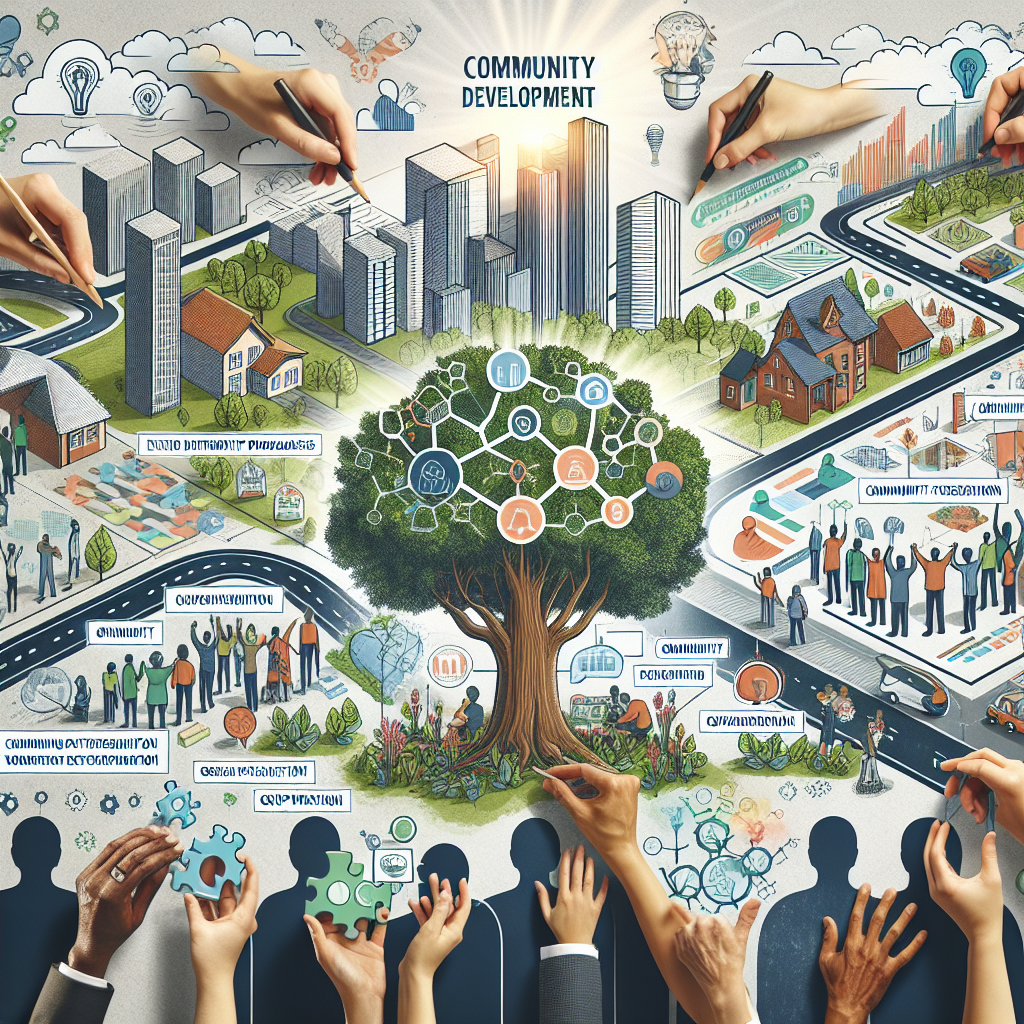
One of the cornerstones of community development is participatory planning. This involves engaging local residents in the decision-making processes that shape their environment. Including community members in urban planning leads to more comprehensive and inclusive infrastructural projects, reflecting the actual needs and aspirations of those who live there. When community members participate in planning, they become advocates for their environment, accountable for its upkeep and success.
A real-world example of participatory planning can be seen in Medellín, Colombia. The city was once synonymous with violence and inequality but transformed itself by investing in urban infrastructure projects that involved community participation. The Metrocable transit system, which connects isolated hillside barrios with the city’s central hubs, was born from local input. This project not only improved transportation infrastructure but also addressed social and economic disparities, showcasing the power of community-driven infrastructure development.
When communities are empowered to contribute to planning, it leads to projects that are not only functional but also culturally and socially relevant. This localized approach ensures that urban infrastructure serves the environmental and societal needs of its inhabitants and reflects their vision for the future.
Revitalizing Public Spaces to Foster Community Engagement
Another critical aspect of community development is the revitalization of public spaces. Public areas like parks, squares, and community centers are the heart of social interaction and engagement. They are crucial for urban infrastructure, providing residents with spaces to gather, recreate, and participate in community life. Revitalizing these spaces often leads to improved safety, social cohesion, and economic vitality, creating a ripple effect throughout the community.
The High Line in New York City exemplifies the success of transforming urban infrastructure into community-friendly spaces. Originally an abandoned elevated railway, the High Line was redeveloped into a public park through community efforts. This innovative green space has become a major attraction, sparking real estate development in the surrounding neighborhoods and significantly boosting local businesses.
Such projects demonstrate that revitalized public spaces can breathe new life into urban areas, serving as catalysts for further development and improvement. They provide the physical infrastructure necessary for fostering a strong sense of community by offering environments that are conducive to socialization, recreation, and cultural expression.
Infrastructure Improvements Through Sustainable Practices
As cities grow, the push for sustainable urban infrastructure has become more vital than ever. Community development plays a pivotal role in integrating sustainable practices into infrastructural projects. By focusing on renewable energy sources, sustainable materials, and resilient designs, communities can reduce environmental impacts while enhancing their urban infrastructure.
For example, the city of Copenhagen has become a leading model in sustainable urban infrastructure. Through comprehensive community planning and development initiatives, Copenhagen aims to become the world’s first carbon-neutral capital by 2025. Their focus on cycling infrastructure, energy-efficient buildings, and the integration of smart technology showcases how sustainable practices are integral to urban infrastructure development.
Copenhagen’s efforts have shown that sustainability and infrastructural development can coexist harmoniously. By embedding sustainability into the core principles of community development, urban infrastructure becomes resilient against climate change and adaptable to future technological advancements.
Economic Growth and Job Creation Through Community Projects
Community development not only impacts the infrastructure but also stimulates economic growth and job creation. Infrastructure projects require skilled labor, materials, and services, offering numerous opportunities for local employment and boosting the economy. Community-focused projects often favor hiring local contractors and workers, which circulates money within the community, further driving economic progress.
In Detroit, Michigan, the community-driven redevelopment of the Eastern Market district has revitalized both infrastructure and economic opportunities. By investing in infrastructure improvements and supporting local businesses and artisans, Detroit has transformed Eastern Market into a thriving marketplace and cultural hub. This initiative has created jobs, supported small businesses, and attracted tourism, establishing a vibrant local economy.
The Eastern Market example demonstrates how community development projects serve as powerful economic engines. By nurturing local entrepreneurship and employment through infrastructure projects, communities can achieve sustainable economic growth and resiliency.
- Participatory Planning: Example – Medellín, Colombia’s Metrocable system
- Public Space Revitalization: Example – New York City’s High Line park
- Sustainable Practices: Example – Copenhagen’s approach to becoming carbon-neutral
- Economic Growth: Example – Detroit’s Eastern Market redevelopment
Conclusion: The Transformative Power of Community Development
In conclusion, community development is an influential force for transforming urban infrastructure and enhancing the quality of life for city dwellers. By engaging communities in participatory planning, revitalizing public spaces, incorporating sustainable practices, and driving economic growth, these projects create infrastructure that is resilient, inclusive, and adaptable to future needs. The success stories from cities worldwide demonstrate the significant role community development plays in shaping cities into more livable, vibrant, and equitable places.
For readers looking to effect change in their own communities, the first step involves active participation and collaboration with local leaders and stakeholders. By advocating for inclusive planning processes and pushing for sustainable practices, anyone can contribute to developing urban infrastructures that reflect shared values and visionary goals. The transformative power of community development lies in its ability to bring people together to create thriving neighborhoods that cater to the demands of present and future generations.
Join the movement of community-driven development by getting involved in local planning initiatives, attending city council meetings, or spearheading efforts for public space revitalization. Your efforts will not only enhance your community’s infrastructure but also foster a sense of belonging and empowerment among its residents.
Frequently Asked Questions
1. What is community development, and how does it impact urban infrastructure?
Community development is a strategic process focused on enhancing the quality of life within a community by improving various aspects such as social, economic, environmental, and physical conditions. It involves empowering communities to take charge of their future by building local capacity and improving facilities, thereby promoting sustainable growth and improvement.
In terms of urban infrastructure, community development can have a profound impact. By addressing the immediate needs and long-term goals of a community, it can lead to better planning and execution of infrastructural projects. For example, improvements might include enhanced public transportation systems, upgraded housing, better sanitation, or improved road networks. When communities are involved in the planning process, these infrastructural changes are more likely to meet the actual needs of the residents, consequently enhancing urban living conditions and promoting economic growth.
2. How does community development influence the economic growth of urban areas?
Economic growth in urban areas is heavily influenced by community development efforts. Through initiatives that target local economic empowerment, community development can revitalize neighborhoods and uplift local businesses. This encourages job creation and attracts investment into the area, helping transform economically stagnant areas into vibrant economic hubs.
Moreover, community development strategies often focus on education, training, and capacity building, which equip residents with the skills needed to participate in the local economy. By fostering entrepreneurship and supporting small businesses, communities can stimulate economic activity and generate wealth at the local level. This helps reduce unemployment rates and can lead to increased tax revenues for cities, which can be reinvested in further infrastructure improvements and community services.
3. What role do residents play in community development impacting urban infrastructure?
Residents play an integral role in community development and the shaping of urban infrastructure. Their involvement is crucial because they possess valuable insights into the needs and challenges their community faces. By participating in community meetings, providing feedback to local authorities, and being active in local organizations, residents help drive the decision-making process regarding urban development projects.
This participatory approach helps ensure that infrastructural projects genuinely reflect the preferences and priorities of the community. Residents’ involvement can also help accelerate project implementation, enhance accountability, and foster a sense of ownership, which can lead to better maintenance and sustainability of the developed infrastructure. Furthermore, when residents see tangible improvements in their surroundings, it bolsters their community pride and engagement, creating a self-reinforcing cycle of development.
4. What are some environmental benefits of community-driven urban infrastructure development?
One significant environmental benefit of community-driven urban infrastructure development is the promotion of sustainable practices. When communities are involved in planning processes, they often advocate for eco-friendly solutions that align with the environment’s long-term health. This can include the creation of green spaces, the implementation of renewable energy sources, and the promotion of public transportation to reduce carbon emissions.
Additionally, community projects often focus on environmentally sustainable approaches such as rainwater harvesting systems, recycled building materials, and energy-efficient buildings. Such practices help reduce the urban carbon footprint and mitigate the urban heat island effect, which is typical in densely populated areas. By integrating sustainable practices into infrastructure development, communities contribute to the conservation of natural resources and the creation of healthier urban environments.
5. How does community development address the challenges of aging urban infrastructure?
Aging infrastructure is a pressing issue for many urban areas, but community development offers viable solutions. Through community involvement, stakeholders can identify the most critical areas needing repair or replacement, prioritize projects that deliver the greatest impact, and ensure that resources are used efficiently.
Moreover, community development initiatives help mobilize local resources, secure funding, and attract partnerships with public and private entities to initiate infrastructure updates. Communities are crucial in advocating for modernizations that accommodate growing populations, advance technological innovation, and respond to contemporary urban challenges such as climate change and increased urban density.
These development efforts can lead to innovative solutions that improve infrastructure resilience, such as upgrading sewage systems to prevent flooding, reinforcing bridges and roads to withstand heavier traffic, or employing smart technology to monitor infrastructure health in real-time. Ultimately, a community-focused approach ensures that infrastructure evolves alongside the changing needs of urban environments.