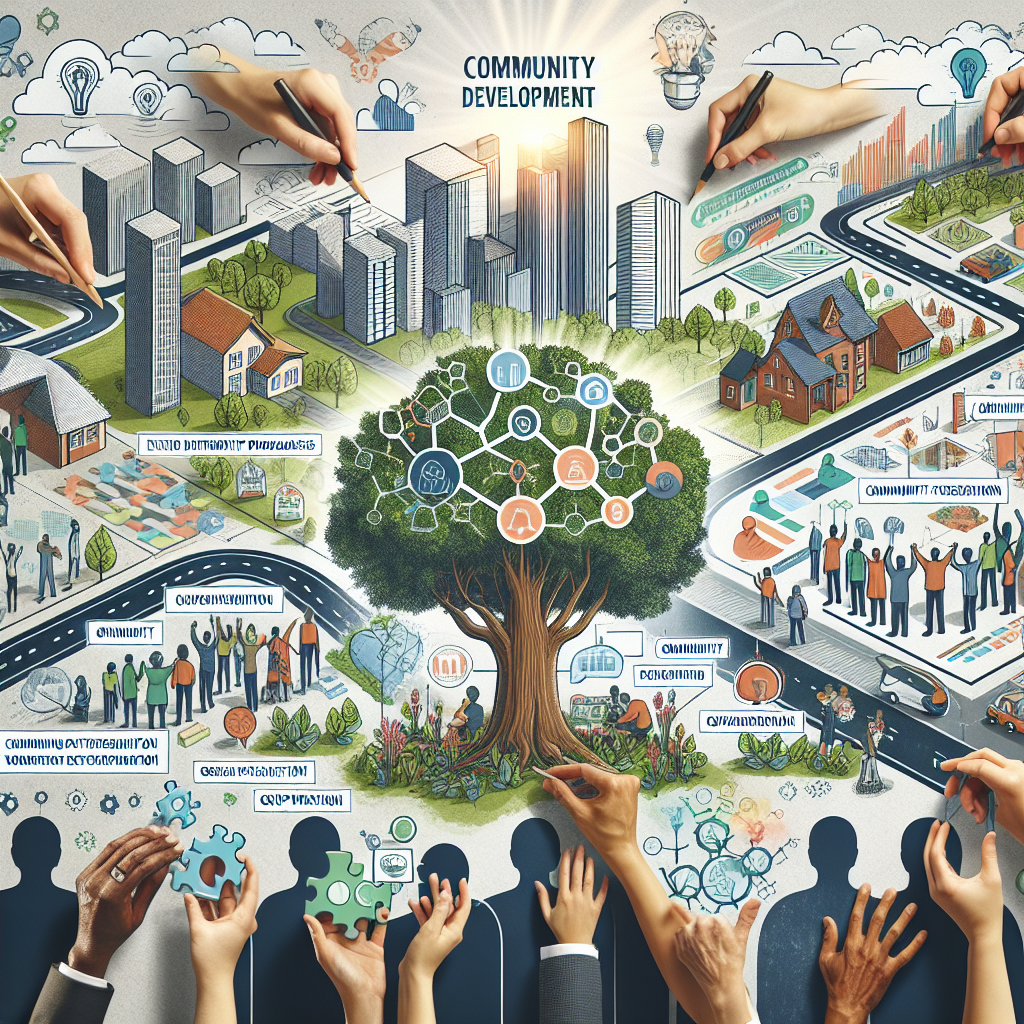
In recent years, there has been an increasing focus on community development and the importance of sustainable building practices. Community development is fundamentally about improving the quality of life in a community by addressing social, economic, and environmental issues in a holistic manner. Sustainable building practices, on the other hand, involve design and construction methods that consider the environmental impact while also ensuring resource efficiency. These two concepts are increasingly interlinked as communities worldwide look for ways to address the challenges of urban growth and climate change.
Understanding and implementing community development with sustainable building practices is crucial as the global population continues to grow, with more than half the world’s population now living in urban areas. This has led to increased demand for housing, infrastructure, and services, all exerting pressure on natural resources and the environment. By integrating these concepts, communities can create vibrant, economically viable, and environmentally resilient neighborhoods.
Sustainable building practices offer benefits such as reduced energy consumption, lower greenhouse gas emissions, and improved indoor air quality. Community development ensures that these benefits reach the widest possible audience, especially marginalized communities that have historically been overlooked in urban planning and development. Together, these practices can lead to healthier, more resilient communities that are better equipped to face future challenges.
Green Infrastructure and Its Role in Sustainable Communities
Green infrastructure refers to a network of natural and semi-natural areas, features, and green spaces that deliver a wide range of ecosystem services in urban and rural settings. This infrastructure is crucial for sustainable communities because it helps manage stormwater, reduce heat effects in densely populated areas, and improve air quality.
A real-world example of green infrastructure in action is the High Line in New York City, a linear park built on a historic freight rail line elevated above the streets on Manhattan’s West Side. This project transformed unused industrial infrastructure into a dynamic public space that not only provides recreational opportunities but also fosters biodiversity and improves ecosystem functioning. It has contributed to a revitalization of the surrounding neighborhood, becoming a catalyst for community development by increasing property values and attracting new businesses.
In essence, integrating green infrastructure into urban planning allows communities to harness nature’s inherent capabilities to manage environmental challenges. It provides critical ecosystem services that support sustainable development goals, bringing both ecological and economic benefits to urban areas.
Energy Efficiency in Community Housing Projects
Energy efficiency is a cornerstone of sustainable building practices. By reducing energy consumption, communities can lower utility costs for residents, reduce greenhouse gas emissions, and decrease dependency on fossil fuels. Energy-efficient buildings are designed to consume less energy for heating, cooling, and lighting through better insulation, efficient appliances, and controlled ventilation systems.
An excellent example is the BedZED (Beddington Zero Energy Development) project in London, UK. BedZED is the UK’s largest sustainable community housing project and was designed to showcase sustainable living. The development includes energy-efficient homes that use solar energy, biomass heat, and other sustainable practices to minimize their carbon footprint. The results have been impressive, with residents experiencing a 50% reduction in energy use compared to the average UK household.
By prioritizing energy efficiency in community housing projects, communities are better positioned to achieve long-term sustainability goals. These projects exemplify how thoughtful design can lead to significant long-term benefits, both environmentally and economically.
Community Engagement and Its Impact on Sustainable Development
Community engagement is a critical component of successful community development initiatives. It involves empowering local residents to have an active role in shaping the future of their neighborhoods. Engaged communities are more likely to support sustainable practices and participate in initiatives that promote environmental stewardship and social cohesion.
The Dudley Street Neighborhood Initiative (DSNI) in Boston, Massachusetts, serves as a noteworthy example. DSNI is a community-based planning and organizing non-profit that has been active for over three decades. Through persistent community engagement, DSNI has managed to obtain control over local land use, establishing a vibrant neighborhood with affordable housing, green spaces, and a sense of ownership among residents.
The success of such initiatives underscores the importance of including community voices in the development process. By fostering a sense of belonging and ownership, sustainable development becomes a collaborative effort, significantly increasing the likelihood of long-term success.
Technology and Innovation in Sustainable Building Practices
Advancements in technology and innovation are continuously reshaping the landscape of sustainable building practices. Technology not only enhances the sustainability of buildings but also improves the overall quality of life for community residents. Smart building technologies and innovative materials are among the significant trends that are producing more adaptable, efficient, and sustainable urban infrastructures.
| Innovation | Impact | Example |
|---|---|---|
| Smart Thermostats | Optimize energy use and reduce utility bills | Nest Thermostat |
| Solar Panels | Reduce reliance on non-renewable energy sources | Elon Musk’s Solar Roof |
| Recycled Building Materials | Decrease demand for new materials and reduce waste | Reclaimed Wood Flooring |
The Bullitt Center in Seattle, Washington, is often dubbed the “greenest commercial building in the world.” It utilizes a variety of cutting-edge technologies such as solar panels, geothermal heating, and rainwater collection systems. The building is not only energy-positive, generating more energy than it consumes, but also serves as a functional educational model for sustainable design.
By embracing technology and innovation, sustainable building practices can significantly reduce their ecological impacts and support longer-term community development objectives.
Policy and Government Role in Promoting Sustainability
Policies and government initiatives play a crucial role in encouraging sustainable building practices and community development. Local governments can incentivize sustainability by adopting supportive regulations, offering financial incentives, and facilitating partnerships between stakeholders.
One of the most successful policy frameworks can be seen in Freiburg, Germany. Known as “Green City,” Freiburg has implemented a variety of sustainability-focused measures that include mandated energy efficiency standards, subsidies for solar installations, and comprehensive transportation policies that emphasize cycling and public transit. The strategies have resulted in significant reductions in energy consumption and carbon emissions, setting a world-leading example for other communities.
The support and initiative provided by governmental policies are vital in creating a structured framework in which sustainable practices can thrive. Policies that enable sustainable development act as catalysts for innovation while driving broader acceptance among developers and the community at large.
Social Equity in Sustainable Community Development
True sustainable community development cannot occur without addressing social equity. Ensuring that all members of a community have equal access to the opportunities and benefits of sustainable practices is crucial. Social equity means dealing fairly with issues such as affordable housing, accessible public transport, and inclusive public spaces.
An inspiring example is the Via Verde project in The Bronx, New York City. This affordable housing project integrates both sustainable design and social equity principles. Via Verde provides high-quality, energy-efficient homes with community gardens, green roofs, and health-oriented features. Its design and purpose cater to economically disadvantaged communities, providing them with affordable yet sustainable living options.
Implementing social equity in sustainable community development ensures that all community members are part of the sustainability movement, not just those who can afford it. Schools, libraries, and public spaces in these communities also embrace sustainable practices, creating a cultural shift toward responsible urban citizenship.
Challenges and Solutions in Implementing Sustainable Practices
While the benefits of sustainable building practices are clear, there are numerous challenges in implementing them. These may include upfront financial costs, lack of awareness or expertise, and resistance to change from traditional building practices.
To address these challenges, stakeholders across sectors must cooperate and collaborate. Financing models such as green loans and grants can support initial investments in sustainable technologies. Education and training programs can increase awareness and provide the skills needed to adopt sustainable practices. Moreover, community engagement can foster a more transparent decision-making process, aligning goals among all stakeholders involved.
An example of the successful overcoming of these challenges can be found in Portland, Oregon. Through comprehensive initiatives such as the Green Building Policy and Sustainable City Principles, Portland has managed to incorporate sustainable practices across all new public buildings, demonstrating that systemic approaches can successfully mitigate common obstacles to sustainability.
Conclusion and Call-to-Action
The integration of community development and sustainable building practices represents a holistic approach to urban planning that has the potential to transform communities. By focusing on energy efficiency, green infrastructure, technology innovation, social equity, and community engagement, we not only create more resilient and sustainable communities but also provide an equitable quality of life for all residents.
Whether you are a community planner, developer, or concerned citizen, you can play a crucial role in driving sustainability initiatives. Get involved in local sustainability programs, advocate for supportive policies, or even make small changes in your home to contribute to broader sustainable development goals.
By working together, we can achieve more sustainable, inclusive, and equitable communities for present and future generations. Start embracing these practices today to be part of a sustainable urban future.
Frequently Asked Questions
1. What is community development, and why is it important?
Community development is a broad term that encapsulates efforts to improve the quality of life in a specific area by addressing social, economic, and environmental issues. The significance of community development lies in its holistic approach. It’s not just about putting up buildings or creating jobs; it’s about fostering a sense of belonging and equality among residents, ensuring everyone has access to the necessities of life such as education, healthcare, and good job opportunities. Moreover, community development emphasizes sustainability, promoting practices that ensure long-term environmental health, thereby making communities more resilient in the face of challenges like climate change and economic downturns. Engaging the community members in planning and decision-making processes is crucial in community development, as it empowers them and ensures that the initiatives reflect the actual needs and desires of the people living there. Overall, community development is essential because it creates thriving communities that can sustainably support their members both now and in the future.
2. What are sustainable building practices?
Sustainable building practices are approaches to design and construction that aim to minimize the environmental impact of buildings while maximizing resource efficiency. These practices encompass a wide range of techniques and considerations, from selecting eco-friendly materials to incorporating energy-efficient systems and renewable energy sources, like solar panels, into building designs. The goal is to reduce a building’s carbon footprint during construction and throughout its operational life. Sustainable building also advocates for improving energy efficiency through better insulation, the use of energy-efficient appliances and lighting, water conservation through efficient plumbing fixtures, and the adoption of facilities for waste reduction and recycling. Additionally, sustainable building practices often include using local materials to reduce transportation emissions and implementing designs that work with the local climate and geography, which help maintain a building’s sustainability over its entire lifecycle. By embracing sustainable building practices, projects can significantly contribute to the global efforts to combat climate change and conserve precious natural resources.
3. How do community development and sustainable building practices intersect?
The intersection between community development and sustainable building practices is where the true magic happens. Sustainable building practices are a crucial aspect of community development projects, as they offer a means to create infrastructures that serve current needs without compromising the ability of future generations to meet their needs. When community development projects integrate sustainable building practices, they ensure that the community will benefit from reduced environmental impact while promoting health, well-being, and economic savings. For example, creating green spaces within urban communities can provide aesthetic beauty, recreational opportunities, and even habitats for local wildlife, contributing both to community and environmental health. Moreover, buildings designed with sustainability in mind can drastically reduce energy demands, leading to lower utility bills for residents and businesses, and improving the community’s resilience to energy market fluctuations. Essentially, by combining these concepts, we develop practical solutions that help create vibrant, sustainable, and equitable communities.
4. What are some challenges communities face when implementing sustainable building practices?
While the benefits of sustainable building practices are clear, communities often face numerous challenges in implementing them. One primary obstacle is the initial cost. Although investing in sustainable building materials and technologies can lead to savings over time, the upfront costs can be prohibitive for many communities, especially those with limited budgets. Another challenge is the lack of awareness and expertise; both builders and community members may not fully understand the advantages of sustainable practices or might lack the skills needed to implement them effectively. Regulatory and zoning restrictions may also hinder sustainable development, as traditional building codes may not accommodate innovative, sustainable designs and practices. Additionally, there can be resistance to change, where stakeholders prefer to stick with familiar, conventional methods. Overcoming these challenges requires a concerted effort, which includes educating stakeholders about the long-term benefits of sustainable building practices, securing investments or funding to offset the initial costs, and advocating for policy changes that support sustainable development.
5. Can sustainable building practices impact local economies positively?
Absolutely, sustainable building practices can have a profoundly positive impact on local economies. By adopting energy-efficient and resource-saving practices, communities can lower the operating costs of buildings over time, creating economic benefits for residents, businesses, and local governments. This financial breathing room can be reinvested in other community projects or services. Furthermore, the demand for sustainable building materials and technologies can stimulate local businesses that supply these products and foster innovation within the industry. Job creation is another critical benefit, as the design, installation, and maintenance of sustainable building technologies require skilled labor, leading to increased employment opportunities. Additionally, a community that brands itself as sustainable and eco-friendly can attract tourism, new residents, and businesses that value sustainability, thereby expanding the economic base. Thus, embracing sustainable building practices not only supports environmental goals but also propels local economic development in a sustainable direction.