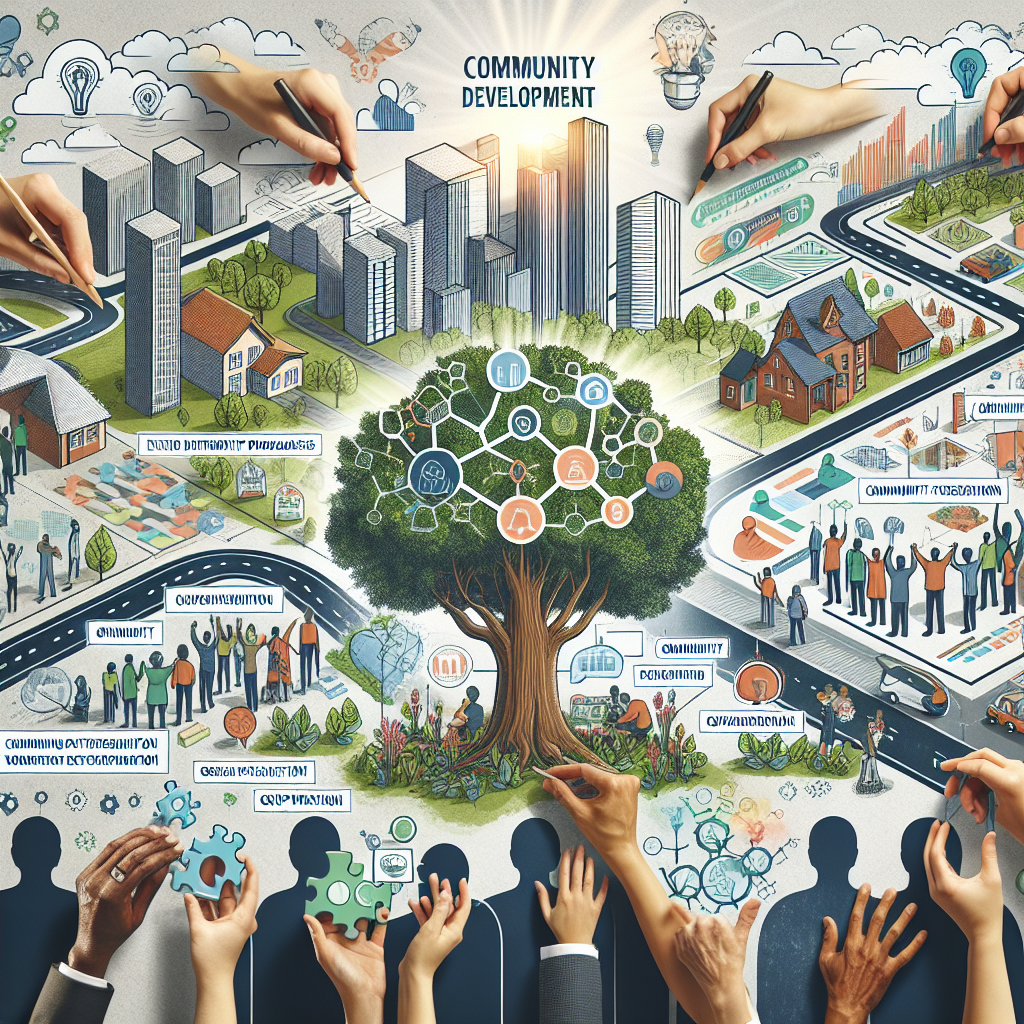
Cultural festivals play an essential role in the fabric of societal interconnectivity. As gatherings centered around cultural expressions and traditions, these festivals are more than just celebrations—they are pivotal moments that contribute to community development. Understanding cultural festivals involves recognizing key terms like “culture,” which encompasses the beliefs, behaviors, objects, and other characteristics common to the members of a particular group or society. Festivals, therefore, are gatherings aimed at celebrating or marking significant cultural tenets, and they have social, economic, and developmental impacts on their respective communities.
The importance of cultural festivals in community development cannot be overstated. These events foster community pride, encourage diversity, promote tourism, and stimulate the local economy. They serve as a platform for cultural exchange, understanding, and integration. In an age where globalization and rapid urbanization can often lead to cultural homogenization and societal disconnect, cultural festivals provide a reminder of our distinct identities and traditions. As such, their role in enhancing social unity and economic vigor is critical to the ongoing development of communities worldwide.
Strengthening Social Cohesion and Identity
Cultural festivals are key in fostering social cohesion and a sense of identity within communities. When people gather to celebrate shared traditions, cultural heritage, or historical events, they form stronger community bonds, fostering unity and mutual understanding. For instance, the Notting Hill Carnival in London, which originated as a way to integrate Caribbean immigrants into British society, has transformed into a significant event celebrating diversity and multiculturalism. The festival is not only a testament to the Caribbean culture; it fosters a sense of community identity and solidarity among attendees.
These festivals also provide opportunities for cultural education, allowing community members and visitors to gain insights into the diverse traditions and histories of their neighbors. This understanding is crucial in today’s increasingly multicultural societies, where social harmony often hinges upon recognizing and appreciating cultural differences. By promoting tolerance and understanding, cultural festivals can effectively combat social isolation and division, fostering a more inclusive community environment.
Economic Impact and Local Business Stimulus
Cultural festivals contribute significantly to local and regional economies. During festivals, there is an influx of visitors, which leads to increased spending in local businesses such as restaurants, hotels, and shops. This economic activity supports local businesses, sustains jobs, and often helps foster long-term growth. The renowned Oktoberfest in Munich, Germany, is a prime example of how cultural festivals can boost the economy. Each year, millions of people attend, bringing in substantial revenue not only for the festival vendors but for the wider locality’s hospitality and tourism sectors.
A breakdown of economic contributions through cultural festivals could look like this:
- Increased tourist activity leading to higher hotel occupancy rates
- Higher sales for local artisans and craft makers
- Expanded exposure and clientele for local restaurants and eateries
- Job creation, both temporary and permanent, in the events and services sector
Beyond immediate financial gains, these festivals can help cities brand themselves as cultural hubs, attracting future investment and tourism that persist beyond the event itself. For many communities, particularly those in urban areas struggling with economic decline, such festivals can revitalise the surrounding area and give it new economic opportunities and direction.
Cultural Exchange and Global Connection
Cultural festivals serve as vital platforms for cultural exchange, allowing individuals from different backgrounds to share and learn from one another’s cultural expressions. This interchange aids in fostering global connections and enhancing cultural diplomacy. An exemplary case is the Rio Carnival in Brazil, which attracts millions of international visitors. Through music, dance, and costume, the carnival acts as a powerful conduit for cultural sharing, allowing participants and spectators to gain firsthand experience of Afro-Brazilian culture.
Such festivals can also encourage international cultural collaborations, leading to a variety of projects that celebrate diverse artistic expressions. For instance, the Edinburgh International Festival brings together global artists from various disciplines, offering a stage for performers from all over the world to express their cultural narratives. This exchange not only enriches the local culture but also showcases the city as a cultural melting pot, furthering its reputation on the international stage.
Preservation of Cultural Heritage
Cultural festivals are instrumental in preserving cultural heritage and historical narratives. They provide a platform for the revival and continuation of traditional practices that might otherwise fade over time. The Day of the Dead in Mexico is a notable example, where the celebration allows for the remembrance and honoring of deceased loved ones through traditional music, dances, and culinary practices. This event plays a critical role in maintaining the cultural fabric of Mexican society, ensuring that younger generations remain connected to their roots.
By facilitating the continuation of these traditions, cultural festivals help communities maintain their historical narratives and ensure that cultural heritage is passed down through generations. This not only maintains cultural diversity but also reinforces a sense of belonging among community members. In safeguarding these traditions, cultural festivals help combat the erosion of indigenous cultures and promote pride in cultural identity.
Encouragement of Creativity and Innovation
The creative dimension of cultural festivals fosters environments where creativity and innovation can thrive. By showcasing a broad spectrum of arts, crafts, and performances, festivals provide a platform for artists to experiment and gain exposure. This environment not only nurtures new talent but also introduces fresh trends that can influence broader cultural and artistic movements. Consider the Burning Man festival, which serves as a fertile ground for artists and inventors to develop unique large-scale works that push the boundaries of conventional art.
This spirit of creativity often extends beyond the festival itself, influencing local culture and sparking new creative industries. Events like these encourage a culture of innovation within communities by inviting new perspectives and fostering collaborative opportunities across various artistic disciplines.
Building Community Pride and Civic Engagement
Cultural festivals instill a sense of pride and encourage civic engagement. By participating in the planning and execution of local festivals, residents often develop a stronger sense of ownership and responsibility toward their communities. The Cherry Blossom Festival in Washington D.C. exemplifies how community involvement in hosting events can galvanize civic engagement. This annual celebration unites citizens in shared traditions and involves them in community service initiatives connected to the festival.
Furthermore, these activities promote volunteerism and community service, providing opportunities for local residents to contribute their talents and time to the betterment of their community. By drawing in local partnerships, sponsorships, and collaborations between diverse groups, cultural festivals help bolster community networks and create a resilient communal spirit.
Nurturing Environmental Sustainability
Many cultural festivals have recently incorporated sustainability initiatives that highlight the importance of environmental stewardship. By adopting green practices, they serve as examples for communities to manage ecological impact responsibly. Events such as the Glastonbury Festival in the United Kingdom feature strong sustainability agendas, including waste management, eco-friendly products, and carbon reduction measures.
| Sustainability Initiative | Impact |
|---|---|
| Waste Reduction Programs | Decrease in landfill waste through recycling and composting |
| Eco-friendly Materials | Utilization of biodegradable and sustainable materials |
| Energy Efficiency | Reduced festival carbon footprint by adopting renewable energy |
Such initiatives educate festival-goers about sustainable practices, encouraging environmentally-conscious behaviours that can extend beyond the festival duration. By setting a precedent for sustainable events, cultural festivals inspire both attendees and other events to prioritize environmental health.
Empowering Marginalized Communities
Cultural festivals also play a crucial role in empowering marginalized communities, giving voice to those whose cultures and identities have been historically overlooked. They offer a platform for visibility and advocacy, spreading awareness about the unique challenges facing these groups while celebrating their traditions and contributions to society. A poignant illustration is the National Indigenous Peoples Day in Canada, which highlights the achievements and cultures of Indigenous communities, fostering recognition and support from the broader public.
Through performances, educational workshops, and cultural showcases, these festivals create opportunities for dialogue that can facilitate healing and reconciliation. They empower communities by celebrating their stories and providing a platform for advocating social change, which is a critical step toward achieving equality and inclusion.
Conclusion: Embracing Cultural Festivals for Growth
Cultural festivals are pivotal to community development, offering opportunities for social cohesion, economic growth, cultural understanding, and environmental sustainability. They allow for the celebration and preservation of cultural heritage while fostering innovation and inclusivity. For local communities, hosting a cultural festival is not simply about organizing a single event but rather about initiating a cycle of continuous development, engagement, and improvement.
By maintaining and supporting cultural festivals, communities can ensure they remain vibrant, diverse, and interconnected. Individuals, local leaders, and policymakers alike should seek to preserve these festivals, recognizing their profound impact on social and economic development. Explore a local cultural festival today, and witness firsthand the transformative effects it can have on both the community and you personally. These festivals are not just celebrations—they are catalysts for a richer, more interconnected future.
Frequently Asked Questions
1. What are cultural festivals and how do they impact community development?
Cultural festivals are organized events that celebrate the cultural expressions, traditions, and practices of a particular community or group. These festivals can include a range of activities such as music, dance, food, art, and religious ceremonies. They serve as platforms for showcasing the unique identity of a community while fostering a sense of pride among its members.
The impact of cultural festivals on community development is multifaceted. Firstly, they promote social cohesion by bringing people together in celebration, which enhances communication and builds stronger relationships within the community. This can lead to heightened collaboration and mutual support among individuals. Secondly, they contribute to economic development by attracting visitors and boosting local businesses, such as hotels, restaurants, and vendors, who benefit from increased foot traffic and sales during the event. Additionally, cultural festivals can provide educational opportunities by allowing attendees to learn about various cultural expressions and traditions, leading to greater cultural awareness and understanding. Lastly, they act as a platform for community empowerment, giving individuals a voice and promoting active participation, which can drive social change and innovation.
2. How do cultural festivals preserve cultural heritage?
Cultural festivals play a crucial role in preserving cultural heritage by actively engaging communities in celebrating and practicing their traditions and expressions. Through these festivals, generations-old rituals, music, dance, dress, and languages are showcased and kept alive. This celebration not only educates the younger generation about their history and heritage but also reinforces their cultural identity.
Moreover, by involving local artisans, performers, and storytellers, they contribute to the sustainability of traditional crafts and performances that might otherwise be overshadowed by modern influences. The shared experience of participating in or witnessing these festivals can instill a sense of belonging and identity among community members, motivating them to pass on their cultural knowledge and practices to future generations. Even in a changing world, cultural festivals serve as an anchor that preserves cultural continuity amidst global influences that might dilute cultural uniqueness over time.
3. What is the economic significance of cultural festivals for a community?
The economic significance of cultural festivals cannot be understated. These events often function as a substantial source of revenue for local economies. During a festival, there is an influx of visitors and tourists who contribute to the economic cycle by spending money on accommodations, food, transportation, and other services, thereby benefiting local businesses such as hotels, restaurants, shops, and markets.
Furthermore, cultural festivals can create temporary job opportunities and stimulate local entrepreneurship, contributing to economic growth. Local artisans and vendors typically have the opportunity to display and sell their crafts, art, and products to a large audience, often garnering more exposure than they would receive otherwise. Additionally, the positive experience of festival-goers can result in repeat tourism and promote the community as an attractive destination, thus having a long-term beneficial impact on the local economy.
4. In what ways do cultural festivals promote social inclusivity?
Cultural festivals are a powerful tool for promoting social inclusivity as they bring together diverse groups of people, encouraging interaction and mutual understanding. These gatherings usually have a welcoming atmosphere that invites participation from people of varied cultural backgrounds, ages, and social statuses. By being inclusive of different cultural expressions, festivals provide a platform for minority groups to showcase their traditions and be seen and heard.
This inclusivity fosters an environment of respect and appreciation for diversity, reducing cultural barriers and misconceptions. As attendees engage with each other’s customs, foods, and performances, they build connections and friendships that transcend ethnic and social divides. Cultural festivals can also address social issues directly by highlighting topics such as equality, acceptance, and the celebration of differences through thematic performances and workshops. This leads to a more cohesive society where individuals feel valued and integral to the community’s social fabric.
5. How do cultural festivals contribute to individual and communal well-being?
Cultural festivals contribute significantly to both individual and communal well-being. On an individual level, participating in or attending these festivals can have positive psychological benefits, such as increased happiness, reduced stress, and a sense of belonging. Festivals provide a space for self-expression and personal growth, as people often engage in creative activities that are both enjoyable and fulfilling.
On a communal level, the gathering of people during a cultural festival fosters a strong sense of community identity and pride. These events often feature community-led initiatives and collective efforts in planning and execution, which strengthen communal ties and empower individuals to actively contribute to their community’s development. Moreover, the shared experience of celebrating together can enhance social bonds and create lasting memories that unite the community beyond the duration of the festival. By fostering an environment where everyone works together for a common purpose, cultural festivals can boost morale and encourage continuous involvement in community-building activities, promoting overall societal well-being.