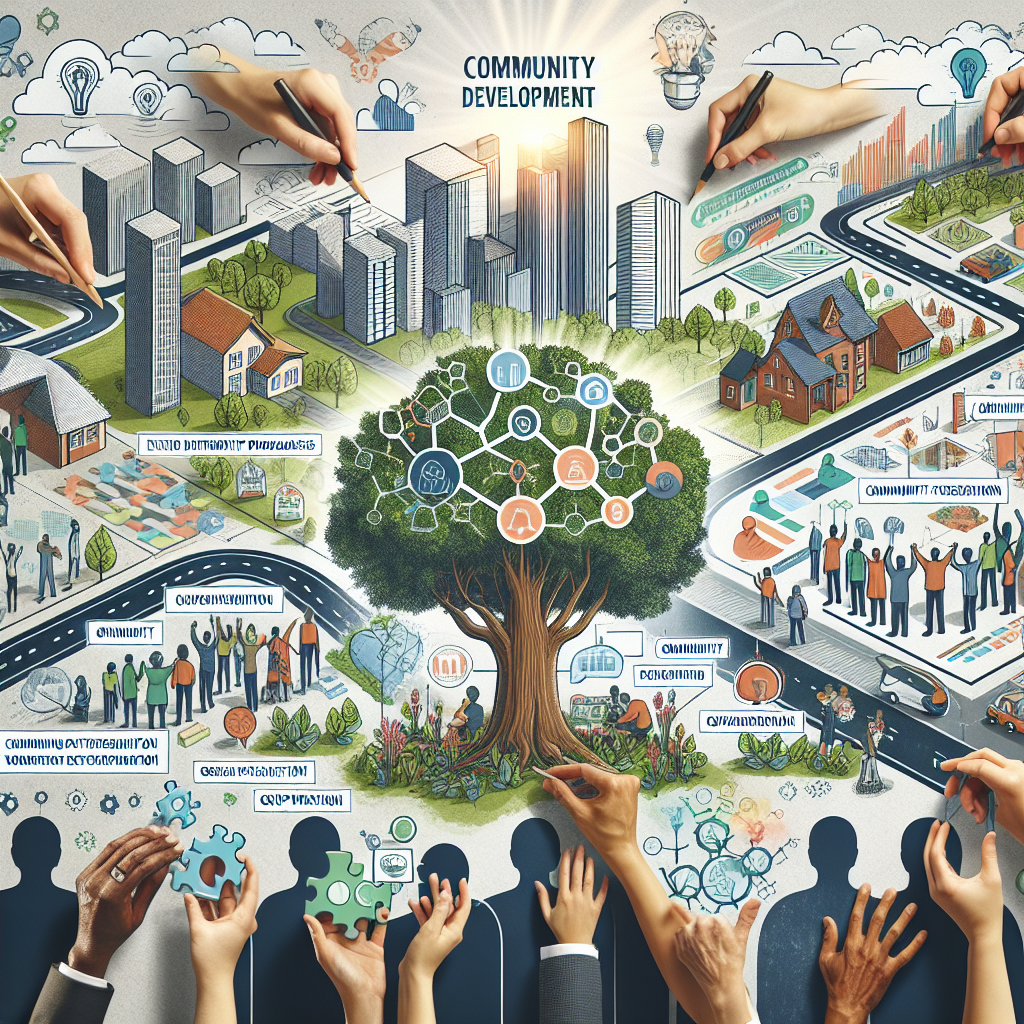
In today’s rapidly evolving world, communities are constantly seeking ways to enhance their environment, economy, and social frameworks. Two pivotal elements that have emerged as critical to sustainable development are community development and financial literacy programs. These elements are more than just buzzwords; they represent essential frameworks that enable communities to thrive. Community development is the process of growing, changing, and improving local neighborhoods through collective efforts. It involves initiatives to enhance living conditions, economic opportunities, and the cultural landscape. On the other hand, financial literacy refers to the ability to understand and effectively use various financial skills, including personal financial management, budgeting, and investing. Financial literacy equips individuals with knowledge to make informed and effective decisions about their financial resources. Understanding these concepts and their interconnectedness is crucial because they provide residents with the tools to enhance their quality of life, promote economic growth, and foster a more inclusive society. By investing in community development and nurturing financial literacy, societies can lay the groundwork for communities that are resilient, adaptable, and prosperous.
The Role of Community Development in Urban Planning
Community development plays a vital role in making urban areas livable, sustainable, and equitable. The process involves activities such as improving infrastructure, providing quality housing, creating green spaces, and promoting social equity. An example of effective community development is seen in the transformation of New York City’s High Line. This former railway track was converted into a linear park, providing accessible green spaces and boosting local businesses. The High Line is a testament to how collaborative efforts in community planning can revitalize a city area, making it not only more beautiful but also economically viable.
The success of such projects hinges on community involvement. By engaging local residents, city planners can ensure that developments align with the community’s specific needs and values. This participatory approach fosters a sense of ownership and responsibility among locals, encouraging them to maintain and improve their surroundings actively.
Understanding Financial Literacy: Why It Matters
Financial literacy is a cornerstone of individual and community well-being. It provides the skills needed to make informed decisions that affect personal and family economic circumstances. For example, consider the impact of financial literacy programs in communities like San Francisco’s Mission District. Here, community organizations offer workshops teaching residents how to manage debt, save for future goals, and understand credit scores. As a result, individuals are better equipped to handle financial challenges, contributing positively to their community’s economic health.
- Budgeting: Helps individuals manage and allocate their income accordingly.
- Saving: Fundamental for financial security and planning for future needs.
- Investing: Understanding basic investment strategies can help grow wealth over time.
- Credit Management: Crucial for obtaining loans and mortgages responsibly.
Financially literate communities are better positioned to support local businesses, contribute to charitable initiatives, and invest in local projects. This, in turn, creates a cycle of mutual benefit, where both individuals and the broader community can prosper.
Integration of Financial Literacy in Community Development Programs
Integrating financial literacy into community development programs results in more robust and sustainable growth. A real-world example of this integration is seen in the community development initiatives of The Bedford Stuyvesant Restoration Corporation in Brooklyn, New York. By combining economic development strategies with financial literacy workshops, they empower residents to better manage their finances, start businesses, and improve their socioeconomic status.
A well-structured approach to integration might include:
| Program Component | Focus Area |
|---|---|
| Economic Development | Business support and job creation |
| Financial Literacy Education | Workshops and resource distribution |
| Community Engagement | Participants’ feedback and contributions |
| Infrastructure Improvement | Housing and public amenities enhancements |
This combined approach addresses both immediate needs and long-term aspirations, ensuring communities are equipped for future challenges. By embedding these programs into community planning, organizations can address financial insecurity and create vibrant, empowered communities.
Challenges and Strategies for Success
Despite their benefits, these programs are not without challenges. Limited financial resources, lack of engagement, and resistance to change are common roadblocks. Take the example of a rural community in Mississippi struggling to implement financial literacy amid low internet connectivity and limited institutional support. It became apparent that traditional in-person methods, coupled with investment in improving internet infrastructure, were necessary for success.
Strategies to overcome such challenges include:
- Partnering with local businesses and financial institutions to fund programs.
- Using technology to provide innovative solutions such as online learning platforms.
- Adapting strategies to local needs and cultural contexts to ensure relevance and acceptance.
- Building strong community networks that encourage participation and feedback.
By employing these strategies, communities can cultivate effective development and literacy programs that are adaptable to various challenges and environments.
The Future of Community Development and Financial Literacy
Looking ahead, the integration of technology stands out as a promising frontier for community development and financial literacy. Smart cities that leverage data and AI to create efficient urban environments provide an inspiring model. For instance, Songdo in South Korea uses cutting-edge technology to enhance residents’ quality of life while promoting sustainable practices. As technology becomes more accessible, similar innovations can be applied to community development and financial literacy, making them more impactful and efficient.
Moreover, the rising importance of financial technology (fintech) offers new avenues for teaching and promoting financial literacy. App-based platforms and gamified financial learning tools can make financial education more engaging and accessible, particularly to younger audiences.
Future programs will likely focus on inclusivity, ensuring that underserved and marginalized communities also benefit from these advancements. This approach will require policymakers, educators, and community leaders to work together to dismantle barriers and foster environments where all individuals can thrive.
Conclusion: Moving Forward with Community Empowerment
In conclusion, community development and financial literacy programs are crucial for building resilient, economically stable, and vibrant neighborhoods. They not only empower individuals to take charge of their financial futures but also contribute to the broader goal of sustainable and inclusive community growth. By understanding the significant impacts of these programs and actively participating in them, individuals can significantly improve their quality of life and the communities they inhabit.
The time to act is now. Whether you are a community leader, an educator, or a resident, you can play a role in implementing these programs. Get involved with local initiatives, support organizations that are driving change, and advocate for policies that promote community development and financial education. By doing so, you contribute to healthier, more prosperous communities for generations to come.
Join Homesight.org today in making a difference in community development by learning about financial literacy and advocating for integrated community programs. Together, let’s build a future where every community is empowered to thrive.
Frequently Asked Questions
1. What is community development, and why is it important?
Community development is the process of enhancing and improving local neighborhoods and communities by fostering positive change in economic, social, and environmental aspects. It’s about working collaboratively with community members to identify challenges and opportunities, develop strategies, and implement actions that lead to meaningful improvements in people’s lives. The importance of community development cannot be overstated as it helps build strong, resilient communities that can effectively address and adapt to changes. By fostering a sense of empowerment and ownership, community development encourages active participation from community members, which leads to more relevant and sustainable outcomes. Strong communities can provide better opportunities for education, employment, and healthy living, which are critical for overall well-being and success.
2. How do financial literacy programs contribute to community development?
Financial literacy programs play a crucial role in community development by equipping individuals with the knowledge and skills they need to manage their finances effectively. These programs teach essential concepts such as budgeting, saving, investing, and understanding credit and loans, which can help individuals make informed financial decisions. When community members are financially literate, they are better able to achieve personal and financial goals like buying a home, starting a business, or planning for retirement. This in turn contributes to the economic stability and growth of the community. Additionally, financially literate communities are often more resilient during economic downturns, as individuals have the skills to navigate financial challenges and can support local economies by making sound and confident financial choices.
3. What types of projects are typically involved in community development initiatives?
Community development initiatives can encompass a wide range of projects, depending on the specific needs and goals of a community. Common projects include affordable housing developments, public transportation improvements, urban green spaces or community gardens, job training programs, and initiatives to improve access to healthcare and education. Other projects might focus on cultural preservation, leadership development, or increasing community engagement through arts and recreational programs. Each project is aimed at improving the quality of life for community members, promoting social inclusion, and creating a stronger sense of community pride and togetherness. Successful community development projects are often those that are designed and executed with active participation and guidance from the people who live in that community, ensuring that the outcomes meet their unique needs and aspirations.
4. What challenges do communities face when implementing financial literacy programs, and how can they overcome them?
Implementing financial literacy programs can present several challenges for communities. One major challenge is accessibility; the community must ensure that educational materials and resources are available to all, including those with limited Internet access or transportation options. Language barriers and varying levels of existing financial knowledge can also affect program participation. To overcome these challenges, communities can leverage partnerships with local organizations, such as banks, schools, and nonprofits, that can provide expert trainers and additional resources to enhance program delivery. Tailoring programs to meet the diverse needs and learning styles of participants is also critical. Providing materials in multiple languages, offering courses at various times and locations, and integrating digital platforms that participants can access from mobile devices can make programs more inclusive and effective. Engaging community members in the design and evaluation of programs ensures that they are relevant and impactful.
5. How can individuals get involved in supporting community development and financial literacy programs?
There are many ways individuals can get involved in community development and financial literacy programs, regardless of their background or expertise. Volunteering is a great way to contribute time and skills, whether it’s by facilitating workshops, mentoring individuals, or supporting program logistics. Individuals can also advocate for these programs by raising awareness in their networks and encouraging others to participate or support through donations. Participating in town halls or local community meetings allows individuals to voice support and offer ideas. Joining local development committees or task forces can also be a meaningful way to shape strategies and drive initiatives forward. Furthermore, talking to friends, family, and colleagues about the importance of community development and financial literacy helps build larger social movements that promote sustainable and inclusive growth in all areas of community life. Ultimately, active citizen participation is a powerful tool for fostering vibrant, thriving communities.