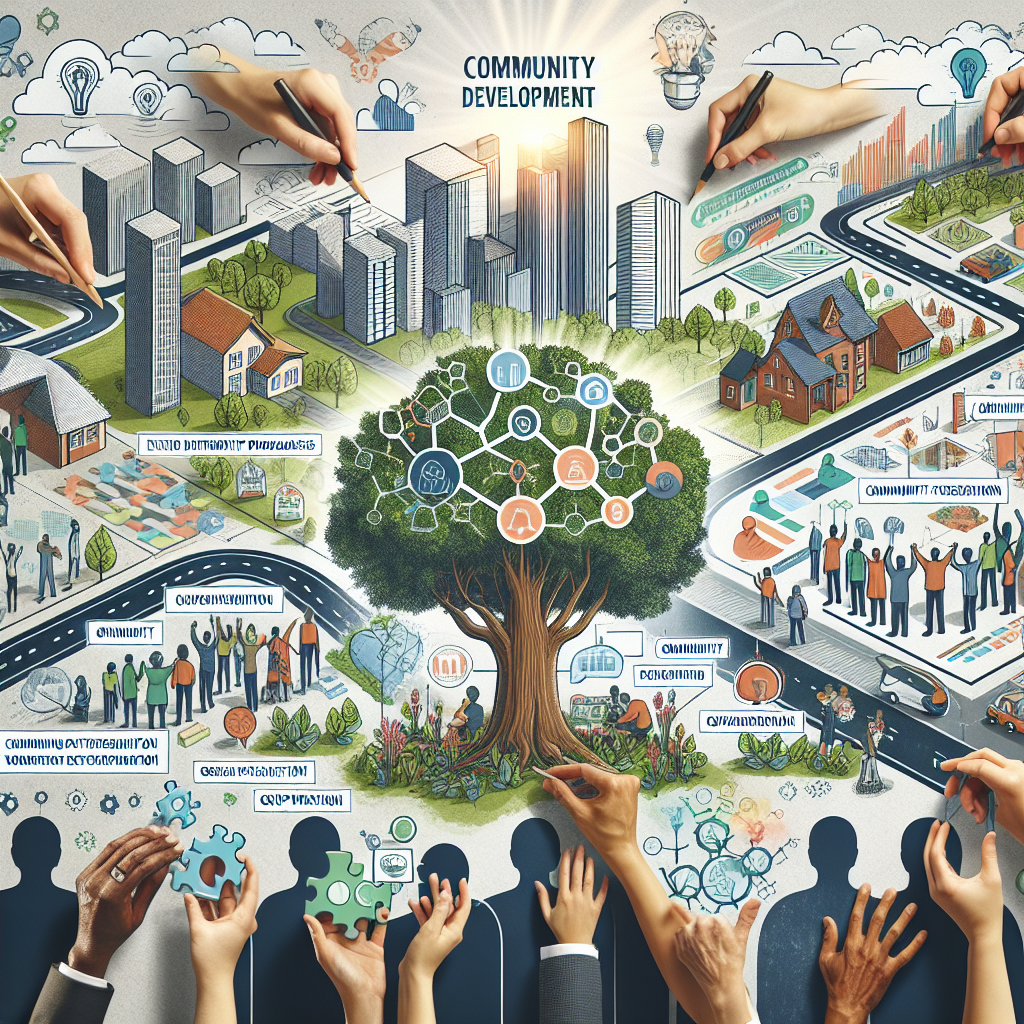
Community development encompasses a range of strategies aimed at improving the quality of life within specific areas by addressing socioeconomic issues and enhancing infrastructure. One key facet of contemporary community development is the integration of renewable energy projects. Renewable energy projects involve the utilization of naturally replenished energy sources, such as solar, wind, and biomass, to generate power. This fusion of community development with renewable energy initiatives has gained momentum as communities strive for sustainability, resilience, and economic growth. Understanding the importance and multifaceted impact of renewable energy projects on community development is essential for fostering long-term vitality. By exploring the synergy between these fields, individuals and communities can uncover pathways to sustainable living and economic prosperity. Ultimately, combining community development efforts with renewable energy projects addresses immediate needs and sets the stage for a more sustainable future.
The Role of Renewable Energy in Community Development
Renewable energy plays a significant role in modern community development. By reducing reliance on fossil fuels, renewable energy projects help decrease greenhouse gas emissions, contributing to a healthier environment. This shift not only aligns with global sustainability goals but also directly benefits local communities by improving air quality and reducing pollution-related illnesses. For instance, implementing a solar panel project in a community can decrease electricity costs for residents, leaving them with more disposable income for other essentials.
Moreover, renewable energy projects can lead to job creation. Constructing and maintaining renewable energy facilities require skilled labor, providing employment opportunities for the local workforce. Consider the case of a wind farm project in a rural area; it can generate jobs in construction, engineering, and ongoing maintenance, invigorating the local economy.
Real-world Example: Solar Energy in Low-Income Housing
Solar energy integration in low-income housing is a tangible way in which renewable energy projects contribute to community development. Projects such as GRID Alternatives immerse themselves in this endeavor, bringing solar power to underserved communities. By installing solar panels on low-income housing units, electricity bills are remarkably reduced, making essential utilities more affordable for residents. Furthermore, this reduction in energy costs can free up community resources to be allocated toward other development initiatives, such as education and healthcare.
Beyond cost savings, these projects empower communities by involving residents in installation and maintenance processes, imparting valuable skills and knowledge. Real-world initiatives like Solar Richmond exemplify this by training local residents in solar installation, thereby addressing unemployment and increasing energy literacy among community members.
Wind Energy’s Impact on Rural Development
Wind energy projects have transformative potential for rural community development. Rural areas often face economic challenges due to limited industrial activity and employment opportunities. Wind farms, however, present a unique opportunity to capitalize on the vast, open landscapes typical of rural regions.
Take the example of the Roscoe Wind Complex in Texas, one of the world’s largest wind farms. This project has revitalized the area, generating significant revenue for landowners through land leases, and creating jobs in the construction phase and for ongoing operations. Additionally, wind farms contribute to boosting local tourism, drawing visitors interested in renewable energy and its role in sustainable development.
Biomass Projects and Their Community Benefits
Biomass energy, derived from organic materials such as agricultural residues and waste, serves as another essential player in community development efforts. Biomass projects can address waste management challenges while providing a renewable energy source. This dual benefit is particularly impactful in agricultural communities where organic waste is plentiful.
For instance, the Dakota Spirit AgEnergy biorefinery in North Dakota is an exemplary model of how biomass energy projects can support community development. This facility converts corn and biomass into biofuels, creating a closed-loop system that benefits local farmers and reduces waste. The biorefinery not only contributes to local energy supply but also strengthens the agricultural economy by providing an additional revenue stream for farmers and creating local jobs.
| Renewable Energy Source | Community Development Benefit |
|---|---|
| Solar Energy | Reduce electricity costs, create job opportunities in installation and maintenance |
| Wind Energy | Generate revenue through land leases, create jobs, boost local tourism |
| Biomass Energy | Address waste management issues, support agricultural communities, create local jobs |
Community Ownership of Renewable Energy Projects
One of the most compelling aspects of renewable energy projects is the potential for community ownership. By involving community members in these projects, there is a higher likelihood of long-term success and acceptance. Community-owned renewable energy projects not only foster local investment but also enhance community engagement and empowerment.
In Denmark, community ownership of wind turbines is common, with approximately 1,500 wind turbine cooperatives across the country. This model ensures that the financial benefits remain within the community, and decision-making processes are transparent and inclusive. Such ownership models can be replicated globally to ensure communities directly benefit from renewable energy initiatives.
Challenges and Opportunities in Integrating Renewable Energy
Despite the clear benefits, integrating renewable energy projects into community development poses challenges. Financial constraints often hinder the initial phase of implementing renewable energy sources. However, innovative financing models such as power purchase agreements (PPAs) and green bonds offer valuable solutions to overcome these barriers, enabling communities to invest in renewable energy without significant upfront costs.
Moreover, public awareness and acceptance can influence the success of renewable energy projects. Engaging community stakeholders through education and information campaigns is vital. By demonstrating the tangible benefits of these projects, communities can foster a supportive environment for renewable energy initiatives.
Opportunities abound for collaborative efforts between local governments, private sectors, and non-profit organizations in addressing these challenges. By forming partnerships, communities can pool resources and expertise to implement successful renewable energy projects.
The Future of Renewable Energy and Community Development
Looking ahead, the future of renewable energy in community development appears promising. Technological advancements continue to make renewable energy solutions more efficient and accessible. Innovations such as improved battery storage and smart grid technologies enhance the viability of renewable energy projects across diverse communities.
Globally, there is a growing consensus on the importance of achieving sustainability targets through renewable energy. The increasing availability of governmental incentives and international support further bolsters the movement toward integrating renewable energy into community development strategies.
Conclusion: Building a Sustainable Future Together
In conclusion, the integration of renewable energy projects into community development is paramount for creating sustainable, equitable, and prosperous communities. The role of renewable energy transcends mere power generation; it serves as a catalyst for economic growth, environmental sustainability, and community engagement.
By harnessing renewable energy resources, communities can reduce their environmental footprint, lower utility costs, and generate local employment opportunities. Real-world examples demonstrate that renewable energy projects can address the unique needs of various communities, from urban low-income housing initiatives to rural wind farm developments.
The path forward requires a concerted effort from all stakeholders, including governments, private sectors, and community members. Together, these entities can overcome challenges and seize opportunities to embed renewable energy into the fabric of community development.
To realize this vision, individuals and organizations must actively participate in renewable energy projects and advocate for policies that support sustainable development. By embracing the transformative potential of renewable energy, communities can set a precedent for future generations, ensuring a vibrant and sustainable world for all. Join the movement toward building a brighter future, starting with your community’s commitment to renewable energy.
Frequently Asked Questions
1. What is community development, and how does it relate to renewable energy projects?
Community development is a broad term that involves enhancing the overall well-being and quality of life for residents in a specific area. It encompasses social, economic, cultural, and environmental improvements to create a more vibrant and sustainable community. Among the various strategies used in community development, renewable energy projects are becoming increasingly important. These projects focus on utilizing energy sources like solar, wind, and biomass—sources that are naturally replenished and environmentally friendly. By integrating renewable energy into community development, neighborhoods can reduce their carbon footprint, lower energy costs, and promote sustainable practices. The collaboration between community development and renewable energy initiatives is about more than just building infrastructure; it’s about fostering a culture of sustainability and self-reliance while improving local economies and social well-being.
2. Why are renewable energy projects important for community development?
Renewable energy projects play a crucial role in community development for several reasons. Firstly, these projects offer significant environmental benefits by reducing dependence on fossil fuels, thus lowering greenhouse gas emissions and combating climate change. Secondly, they contribute to economic development by creating new jobs and business opportunities within the community. For example, installing solar panels or wind turbines requires skilled labor, project management, and maintenance, all of which can boost local employment rates. Additionally, renewable energy can lead to more stable and lower energy costs, allowing residents and businesses to save money, which can then be reinvested elsewhere in the community. On a social level, the adoption of renewable energy fosters awareness and education about sustainable practices, encouraging communities to engage in further environmental and social initiatives. Ultimately, these projects can lead to healthier, more resilient communities that are better equipped to face future challenges.
3. How can communities effectively implement renewable energy projects?
The effective implementation of renewable energy projects within a community requires careful planning and collaboration. It typically starts with a comprehensive assessment of the community’s energy needs, resources, and potential renewable energy sources available. Once this groundwork is laid, the next step involves bringing together key stakeholders, including local government, businesses, community organizations, and residents, to ensure broad-based support and input. This collaborative approach helps in identifying the most suitable renewable energy technologies and designing projects that best meet the community’s goals. Additionally, securing funding and investment is crucial. Communities can explore various avenues such as government grants, private investments, and public-private partnerships to finance their projects. Another critical aspect is ensuring that the local workforce is trained and ready to take on new roles created by renewable energy projects, thus maximizing their economic impact. Community education and engagement are essential throughout the implementation process to build a shared sense of ownership and long-term commitment to sustainable energy practices.
4. What challenges might communities face when integrating renewable energy projects?
Despite the many benefits, communities can face several challenges when integrating renewable energy projects. One common issue is funding, as these projects often require substantial upfront investment. Securing sufficient capital can be daunting, particularly for small or economically disadvantaged communities. In addition to financial constraints, there may be regulatory and policy hurdles to overcome. Navigating the permitting process and ensuring compliance with local, state, and federal regulations can be time-consuming and complex. Technical challenges are another consideration; for instance, communities may lack the necessary infrastructure or technical expertise to effectively install and maintain renewable energy systems. Resistance from community members is also not uncommon, especially if there are misconceptions about the reliability or visual impact of renewable energy installations like wind farms or large arrays of solar panels. Successfully overcoming these challenges requires comprehensive planning, open communication, and proactive engagement with the community to address concerns and foster widespread support.
5. Can you provide examples of successful integration of renewable energy in community development?
There are numerous examples worldwide of communities successfully integrating renewable energy into their development plans. One such example is the town of Greensburg, Kansas, which rebuilt itself as a model green community after a devastating tornado in 2007. With a focus on sustainability, Greensburg now has numerous buildings powered by wind and solar energy, and its initiatives have made it a beacon for green recovery. In Freiburg, Germany, often referred to as the “Green City,” sustainability projects include solar energy initiatives and an emphasis on energy-efficient buildings, all contributing to its low carbon footprint and high quality of life. Across the ocean, the city of Burlington, Vermont, has become one of the first U.S. cities to cover all of its energy needs with renewable energy sources, primarily through wind, solar, and biomass. These communities exemplify how visionary planning and strong collective will can harness the potential of renewable energy to drive transformative community development.