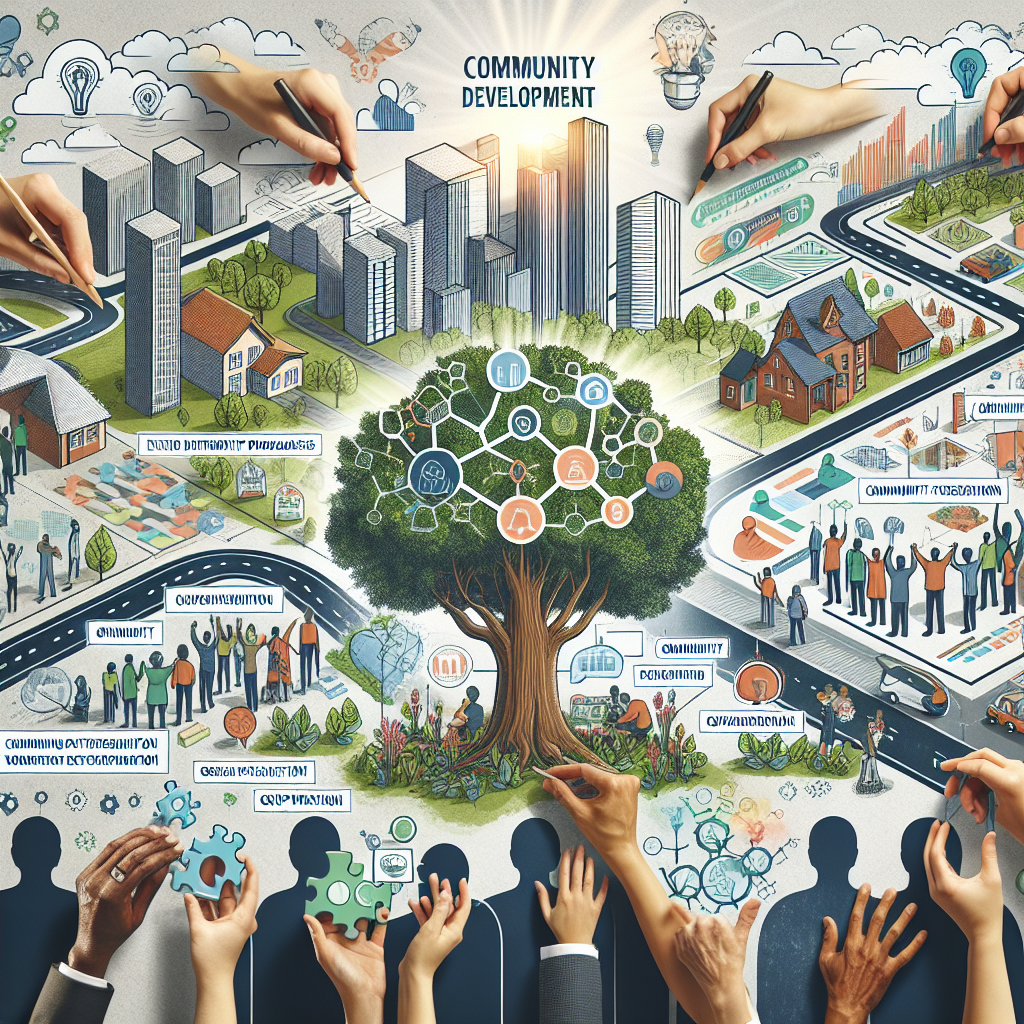
Community events are gatherings or activities organized within a neighborhood or town that serve various social, cultural, economic, or political purposes. They can include festivals, farmer’s markets, parades, charity runs, and local fairs. Such events are not just about entertainment or leisure; they play a significant role in local development by fostering community engagement, promoting local businesses, and enhancing the overall quality of life. Understanding the multifaceted contributions of community events to local development is vital for city planners, residents, and policymakers aiming to create thriving, sustainable, and inclusive communities.
Community events are platforms that bring people together, creating a sense of belonging and connectedness, which is foundational to community development. They provide opportunities for individuals to interact, share experiences, and build relationships that strengthen the social fabric of a community. Moreover, these events can stimulate local economies by attracting visitors and residents to spend money locally, thereby supporting small businesses and local vendors. Additionally, community events can showcase cultural diversity and encourage civic participation, making them integral to developing vibrant communities. Let’s delve into the various ways community events contribute to local development and explore some real-world examples.
Strengthening Community Bonds through Shared Experiences
One of the most significant roles of community events in local development is the strengthening of community bonds. By providing a shared space and common goals, events encourage individuals to come together, fostering a sense of unity and collective identity. For example, the annual Block Party in Washington, D.C., is a highly anticipated event where residents of all ages participate in games, enjoy local food, and partake in cultural performances. This event not only offers entertainment but also helps neighbors to connect and collaborate on community projects, such as neighborhood cleanups and safety initiatives.
Through shared experiences, community members develop trust and understanding, which are crucial for collective problem-solving and resilience. These interactions help break down social barriers and encourage more cohesive communities where diversity is celebrated rather than tolerated. By facilitating meaningful connections, community events can lead to collaborations that address local challenges, such as improving local amenities or organizing support for vulnerable groups.
Economic Stimulus: Boosting Local Businesses
Community events often serve as a catalyst for economic development by supporting local businesses and entrepreneurs. Events such as farmer’s markets, craft fairs, or food festivals provide platforms for local vendors to showcase their products and services to a broader audience. For instance, the Seattle Street Food Festival attracts thousands of visitors annually, providing an excellent opportunity for food truck owners and artisan producers to promote their offerings, increase sales, and gain loyal customers from the community.
Moreover, these events can create temporary employment opportunities for residents, such as event staffing or vendor assistance, further injecting money into the local economy. Additionally, local businesses, including shops and restaurants, benefit from increased foot traffic, as visitors often explore nearby areas, boosting overall economic activity. This economic infusion strengthens communities by supporting job creation and fostering a vibrant local economy.
To illustrate the economic impact more clearly, consider the following:
| Event Type | Local Business Impact | Visitor Spending |
|---|---|---|
| Food Festival | Increased sales for local eateries | $500,000 spent annually |
| Farmer’s Market | Boost for local farmers and artisans | $300,000 spent annually |
| Music Concerts | Higher revenue for local merchandisers | $150,000 spent annually |
This table highlights the positive economic impact community events can have by increasing the influx of capital into local businesses and encouraging consumer expenditure within the community.
Cultural Expression and Preservation
Community events also play a critical role in cultural expression and preservation. They offer a platform for communities to celebrate their unique heritage, traditions, and diversity, which contributes to a vibrant cultural landscape. For instance, the Diwali Festival in San Francisco is an opportunity for the South Asian community to share their traditions through music, dance, and culinary experiences, while educating others about their cultural practices.
Cultural events foster pride and awareness among community members, encouraging cultural exchange and mutual respect. Such events help preserve cultural heritage by allowing the transmission of traditional practices to younger generations. Furthermore, by exposing residents to diverse cultural experiences, community events can make local development efforts more inclusive, ensuring that all voices are heard and valued in the broader community.
- Promotes cultural diversity and inclusivity
- Preserves traditional practices and heritage
- Encourages intergenerational learning and dialogue
By emphasizing these aspects, community events contribute significantly to the cultural richness and diversity of a locale, which is essential for sustainable development and harmonious living.
Enhancing Civic Engagement and Community Participation
Another vital aspect of community events is their ability to enhance civic engagement and community participation. By involving residents in the planning and execution of events, community leaders can encourage active participation in local governance and decision-making processes. For instance, participatory events like town hall meetings or community forums offer residents a platform to voice concerns, share ideas, and collaborate on solutions for community development.
Events such as neighborhood clean-ups, tree plantings, or charity fundraisers empower residents to take ownership of their community’s future and encourage a proactive approach to local issues. Such engagement fosters civic pride and responsibility, essential components of sustainable community development. Moreover, by facilitating connections between community members, local organizations, and government officials, these events create networks that are valuable resources for addressing collective challenges.
Conclusion: Harnessing the Power of Community Events
In summary, the role of community events in local development cannot be overstated. These gatherings provide a myriad of benefits, including strengthening community bonds, boosting local economies, preserving cultural heritage, and fostering civic engagement. By creating spaces for interaction and collaboration, community events are vital tools in cultivating resilient, vibrant, and inclusive communities.
For city planners and community stakeholders, recognizing and investing in community events can lead to more sustainable local development, benefiting current and future generations. As residents, participating in and supporting local events can enrich our communities and bring about positive change. Let’s take the next step by engaging in local events, contributing our time and talents, and working together to build communities that thrive both socially and economically.
Frequently Asked Questions
1. How do community events contribute to local economic development?
Community events serve as a catalyst for economic activity in several ways. Firstly, they attract visitors both from within the community and nearby areas, which boosts local tourism. When people attend these events, they often spend money on accommodation, food, and other local services, circulating funds within the community. Secondly, community events are an excellent platform for local businesses to showcase their products and services. For instance, during a farmer’s market, local vendors get the opportunity to sell fresh produce directly to consumers without the overhead of a commercial establishment. This not only increases their sales but also helps in building a strong local supply chain.
Additionally, events like local fairs or festivals require various services such as catering, sound and lighting, security, and more. Local entrepreneurs who offer these services have the chance to expand their client base and increase their revenue. Over time, these activities contribute to a more vibrant local economy, creating jobs and encouraging entrepreneurship. Furthermore, repeated successful events help establish a locality as a destination for certain types of activities, attracting further investment and development projects.
2. In what ways do community events enhance social cohesion and community identity?
Community events play a crucial role in strengthening social bonds and nurturing a shared sense of identity among residents. When people come together for events like parades, charity runs, or local festivals, they engage in shared experiences that promote mutual understanding and solidarity. These gatherings offer a space for individuals from diverse backgrounds to interact, fostering friendships and networks that might not form in everyday life. Participation in such events enables residents to feel more connected to their neighbors and their community at large.
Moreover, community events often celebrate local culture, history, and traditions, reinforcing a sense of pride among residents. For instance, a historical reenactment or cultural festival can highlight a community’s heritage, giving residents an opportunity to reflect on their shared past and envision their future. This shared sense of identity not only strengthens the social fabric of the community but also boosts civic engagement, as people become more invested in the well-being and development of their locality.
3. Can community events have a positive impact on the physical environment? If so, how?
Indeed, community events can leave a positive mark on the physical environment. Many events place an emphasis on sustainability and environmental stewardship, integrating eco-friendly practices into their planning and execution. For example, events might prioritize waste reduction by implementing recycling stations and encouraging vendors to use biodegradable materials. By showcasing sustainable practices, community events educate attendees on environmental responsibility and inspire them to adopt similar methods in their daily lives.
Furthermore, community events often include activities focused on improving the local environment, such as tree planting drives, park clean-up days, or community gardening projects. These initiatives not only beautify public spaces but also provide tangible benefits such as improved air quality, increased green spaces, and enhanced biodiversity. When people participate in these activities, they take ownership of their community’s environment, ensuring its protection and care for future generations.
4. How do community events promote cultural exchange and diversity?
Community events are powerful platforms for cultural exchange and promoting diversity. Multicultural festivals, for instance, are designed to celebrate the rich tapestry of cultures within a community, allowing people to share and appreciate diverse traditions, cuisines, and art forms. Attendees can experience different cultural practices, increasing their understanding and respect for various cultural backgrounds.
These events often feature performances, workshops, and exhibitions that highlight the traditions of various groups, fostering a spirit of inclusivity and appreciation for cultural differences. By providing a space where everyone is welcomed and valued, community events can break down barriers and prejudices, paving the way for more harmonious multicultural communities. The exchange of ideas and practices during these events enriches the community by broadening people’s perspectives and acknowledging the contributions of all cultural groups to the community’s fabric.
5. What role do community events play in promoting health and well-being?
Community events are instrumental in promoting health and well-being among residents. Events like charity runs, sports tournaments, and health fairs actively encourage physical activity, which is crucial for maintaining a healthy lifestyle. These activities not only promote fitness but also raise awareness about important health issues within the community, providing residents with access to resources and information that may otherwise be difficult to obtain.
Health fairs, in particular, often offer free health screenings, educational workshops, and demonstrations on topics such as nutrition, exercise, and mental health. These initiatives empower individuals to take charge of their health and make informed decisions. Moreover, the social aspect of community events can have significant mental health benefits. Participating in community activities helps reduce feelings of isolation and loneliness, offering a sense of belonging and support.
By fostering environments that support physical and mental well-being, community events contribute to healthier, happier communities. They reinforce the notion that health is holistic, intertwined with social connections and environmental factors, thereby encouraging a comprehensive approach to community health promotion.