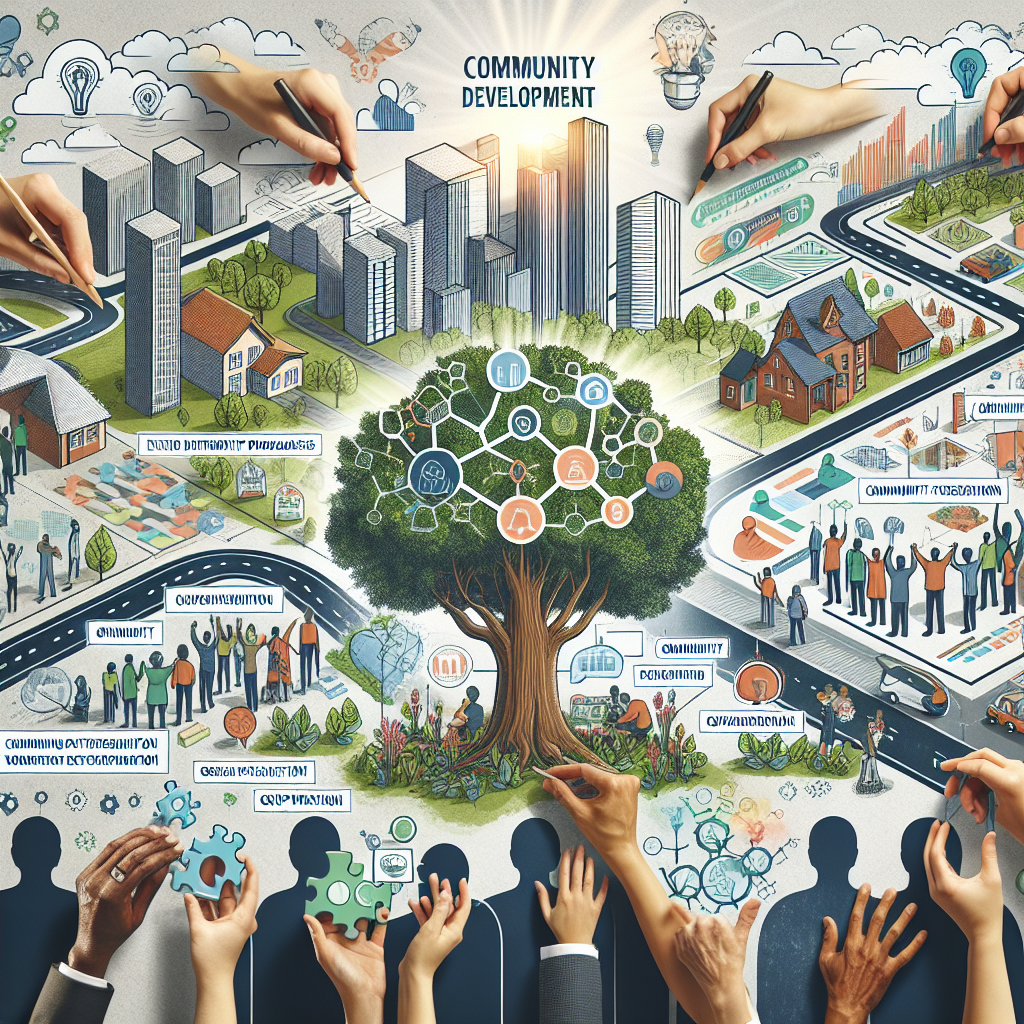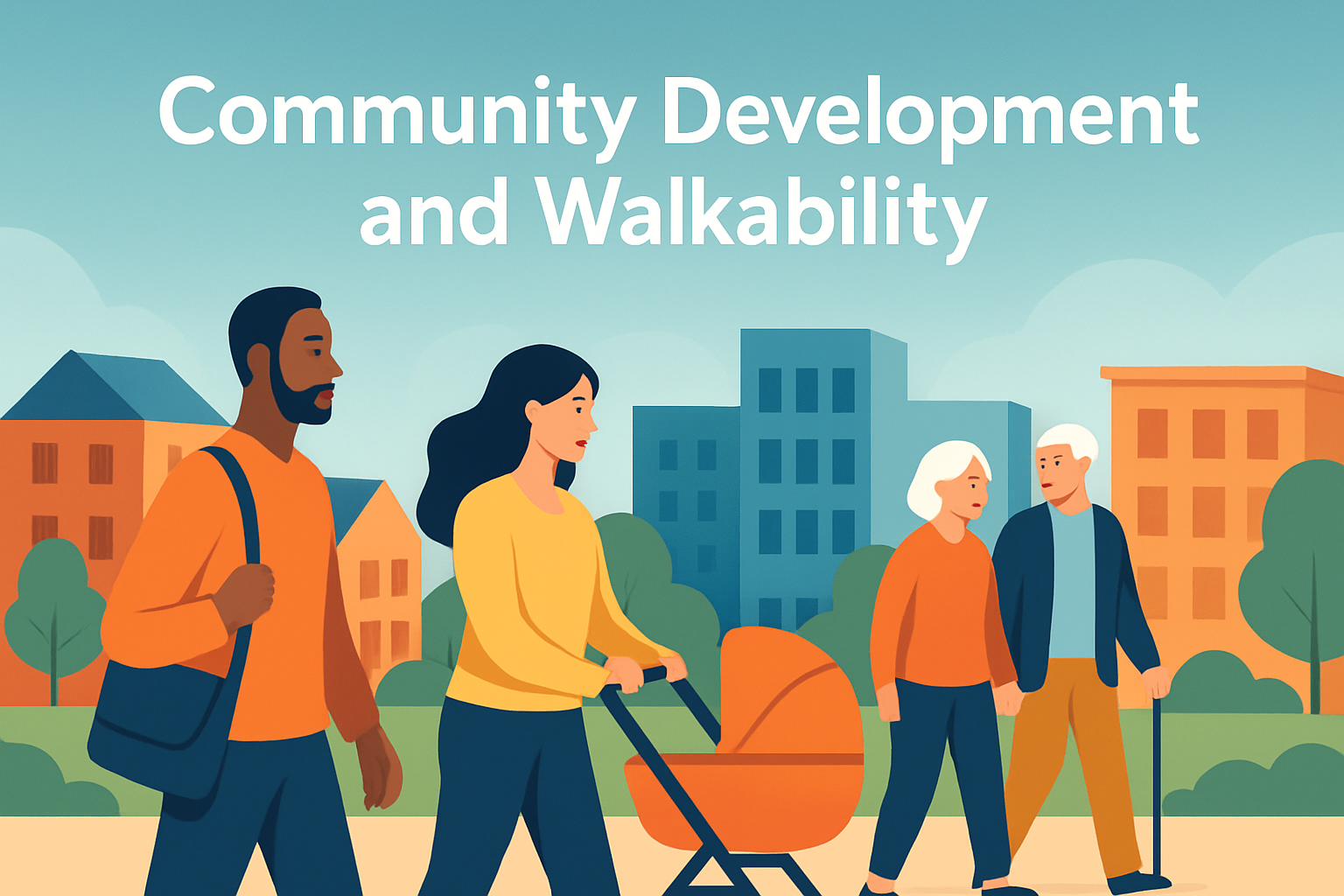
Community development is a multi-faceted concept that encompasses the growth and enhancement of neighborhoods to improve the quality of life for its residents. It’s about creating and maintaining environments where people can live healthy, fulfilling lives. A crucial aspect of community development is “walkability,” which refers to how friendly an area is for walking. Walkability is determined by factors such as the presence of pedestrian pathways, safety measures like crosswalks and lighting, and access to amenities like parks, shops, and public transport. This article will explore the intersection of community development and walkability, emphasizing why this relationship is vital for sustainable urban planning.
In essence, walkability matters because it directly impacts residents’ physical health, mental well-being, environmental sustainability, and social cohesion. By ensuring that cities and towns are walkable, we promote physical activity and reduce dependence on automobiles, thereby decreasing pollution and enhancing public health. Additionally, walkability fosters a sense of community as people connect more when they traverse shared spaces on foot. For city planners and community developers, understanding and improving walkability is a key goal to create vibrant, thriving communities.
Physical Health Benefits of Walkability
One tangible benefit of enhancing walkability in community development is its positive impact on physical health. Studies show that urban environments designed for walking encourage more people to engage in regular physical activity. Regular walking is a simple yet effective exercise that can help prevent various health issues such as obesity, heart disease, and hypertension. Moreover, walkable communities tend to have lower medical costs due to the improved health of their residents.
A real-world example is the city of Portland, Oregon, well-known for its walkability initiatives. Portland’s city planning department has focused on developing extensive pedestrian networks, including sidewalks, trails, and parks. These efforts have not only increased walking among residents but have also contributed to Portland’s reputation as one of the healthiest cities in the United States. The city’s strategy highlights the importance of integrating walkability into urban planning as a means to foster healthier communities.
Environmental Impact and Sustainability
Another critical aspect of walkability is its contribution to environmental sustainability. By reducing dependency on automobiles, walkable communities can significantly lower greenhouse gas emissions, which are a leading cause of climate change. Fewer cars on the road translate into reduced air pollution, which improves the overall quality of life by enhancing the air quality and decreasing noise pollution.
Copenhagen, Denmark, serves as a prime example of promoting sustainability through walkability. The city has transformed its urban landscape by prioritizing pedestrian zones, bike paths, and public transportation over car-centric infrastructure. This shift has resulted in a marked decrease in vehicle emissions and has positioned Copenhagen as a leader in sustainable urban living. The Danish capital exemplifies how walkability can be an effective tool in the fight against climate change.
| City | Walkability Initiatives | Impact |
|---|---|---|
| Portland, Oregon | Extensive pedestrian networks | Healthier population, reduced medical costs |
| Copenhagen, Denmark | Pedestrian zones, bike paths | Lower emissions, sustainable urban living |
Walkability and Social Cohesion
Walkable communities foster stronger social connections and cohesion among residents. When people are encouraged to walk, they are more likely to interact with their neighbors, participate in local events, and feel a greater sense of belonging. Walkability can contribute to the vibrancy of public spaces and retail areas, creating a community atmosphere that attracts both locals and tourists.
Consider the example of New York City’s High Line. This iconic elevated linear park, built on a historic freight rail line, serves as a pedestrian walkway that connects several neighborhoods. Since its opening, the High Line has stimulated local development, increased local property values, and drawn millions of visitors every year. The park demonstrates how enhancing walkability can revitalize communities and foster social interactions.
Economic Benefits of Walkable Communities
Walkability is not only good for health and the environment but also offers substantial economic advantages. Walkable neighborhoods often experience increased local business activities, which can lead to job creation and a boost in the local economy. With less reliance on cars, families can save money on transportation costs, allocating those savings to other goods and services, thereby supporting the economic health of the community.
A practical illustration of this is found in Arlington, Virginia, known for its commitment to walkability. The development of the Rosslyn-Ballston corridor, for instance, has concentrated high-density housing, office buildings, and retail spaces within walkable distances. This has attracted businesses and residents alike, leading to significant economic growth in the region. Arlington exemplifies how walkable urban design can enhance local prosperity.
Creating Walkable Neighborhoods: Challenges and Solutions
While the benefits of walkability are clear, creating walkable neighborhoods poses challenges that must be addressed. Issues such as funding, space limitations, and existing infrastructure can hinder the development of pedestrian-friendly areas. However, urban planners and community developers have devised strategies to overcome these hurdles.
One approach is integrating mixed-use development, which combines residential, commercial, and recreational spaces. This strategy reduces the need for long commutes and makes it easier for residents to walk to work, shop, or partake in leisure activities. Additionally, cities can implement policies that encourage the use of public transportation, invest in pedestrian safety measures, and engage the community in planning processes to ensure that developments meet the residents’ needs.
An inspiring case is that of Zürich, Switzerland, where the local government implemented the “10-Minute Neighborhood” concept. This initiative focuses on developing communities where all necessary services and amenities are within a ten-minute walk. By prioritizing pedestrian infrastructure and mixed-use development, Zürich has created highly walkable, livable neighborhoods, setting a benchmark for other cities around the world.
Conclusion: Embracing Walkability for Community Development
In conclusion, the relationship between community development and walkability is profound. Enhancing walkability leads to numerous benefits, including improved health, reduced environmental impact, increased social interactions, and economic growth. By transforming urban spaces to promote walking, cities can become healthier, more sustainable, and more connected.
For residents and policymakers alike, the imperative to prioritize walkability in community development is clear. By advocating for pedestrian-friendly initiatives, participating in local planning discussions, and supporting businesses and policies that encourage walking, everyone can contribute to creating walkable communities. Let us take collective steps toward building cities and neighborhoods that prioritize people over cars, promoting a high quality of life for all.
Frequently Asked Questions
1. What is community development, and why is it important?
Community development is a comprehensive and dynamic process aimed at enhancing the living conditions within neighborhoods to boost the quality of life for residents. It involves a range of activities and initiatives that focus on housing, local economy, environment, health, and social wellbeing. The importance of community development lies in its potential to empower communities by fostering a sense of ownership, pride, and responsibility among residents. This empowerment often translates into increased social cohesion, improved public health, reduced crime rates, and overall enhanced life satisfaction. Furthermore, community development significantly contributes to creating resilient and adaptable communities capable of addressing and managing issues and changes that arise over time.
2. What is meant by “walkability,” and what are its benefits?
“Walkability” refers to how conducive an area is for walking, characterized by factors such as the availability of pedestrian pathways, safety measures (like well-marked crosswalks and adequate street lighting), and the proximity to amenities like shops, parks, and public transport. High walkability often indicates a well-planned, pedestrian-friendly environment that encourages more active lifestyles. The benefits of walkability extend beyond physical health improvements—such as reduced risks of obesity, heart disease, and certain cancers—to social and economic gains. Walkable communities typically see reduced vehicular emissions leading to cleaner air, less traffic congestion, and boosted local economic activity as pedestrians are more likely to visit local businesses. Additionally, walkability promotes social interactions, which helps build a sense of community and belonging among residents.
3. How does walkability influence community development?
Walkability plays a pivotal role in community development by shaping the infrastructure and social dynamics of an area. A focus on walkability encourages urban planners and developers to prioritize pedestrian-friendly designs, which can lead to safer, more accessible, and more attractive neighborhoods. This leads to a cascade of benefits such as increased property values, improved public health, and higher levels of social engagement. Furthermore, walkability fosters inclusivity and accessibility for all members of the community, including those with disabilities or those who do not own vehicles. It also encourages sustainable living through reduced reliance on cars and lowered carbon footprints. Ultimately, walkability is an indicator of a community’s commitment to prioritizing the wellbeing and connectivity of its residents, thus directly influencing the success and vibrancy of community development efforts.
4. What are some key features of a walkable community?
A walkable community typically includes a variety of features that enhance the pedestrian experience and ensure safety and convenience. These features often encompass: – Well-maintained sidewalks or pedestrian pathways that are wide enough to accommodate walkers, strollers, and wheelchair users. – Safe crossings with visible and frequent crosswalks, pedestrian signals, and traffic calming measures like speed bumps or curb extensions. – Secure and adequate street lighting that ensures visibility during night hours, thereby enhancing safety. – A mixed-use development approach where residential areas are integrated with commercial and public spaces, making essential services and amenities easily accessible by foot. – Green spaces such as parks, community gardens, and natural trails that provide leisure and recreational opportunities. – Pedestrian signage and wayfinding tools that aid navigation and inform pedestrians about the area. These features collectively improve the walkability of a community, making it a more appealing and practical living environment.
5. How can a community improve its walkability?
Improving a community’s walkability can be undertaken through a series of thoughtful planning and policy decisions. Some effective strategies include: – Conducting walkability audits to assess and identify barriers or gaps in the current pedestrian infrastructure. – Investing in infrastructure upgrades like building and repairing sidewalks, installing pedestrian crossings, and enhancing streetscapes with landscaping and street furniture. – Implementing safety measures such as improved lighting, signage, and dedicated pedestrian zones to protect and prioritize walkers. – Promoting a mix of land uses, encouraging developments that combine residential, commercial, and recreational spaces to reduce distances and encourage walking. – Advocating for community engagement, wherein residents are involved in planning decisions and are informed about the benefits of walking and sustainable transport modes. – Collaborating with local businesses and institutions to support and create initiatives that encourage walking, such as walking clubs or campaigns. By implementing these strategies and maintaining a focus on the needs and preferences of its residents, a community can significantly enhance its walkability, contributing to overall development and quality of life improvements.