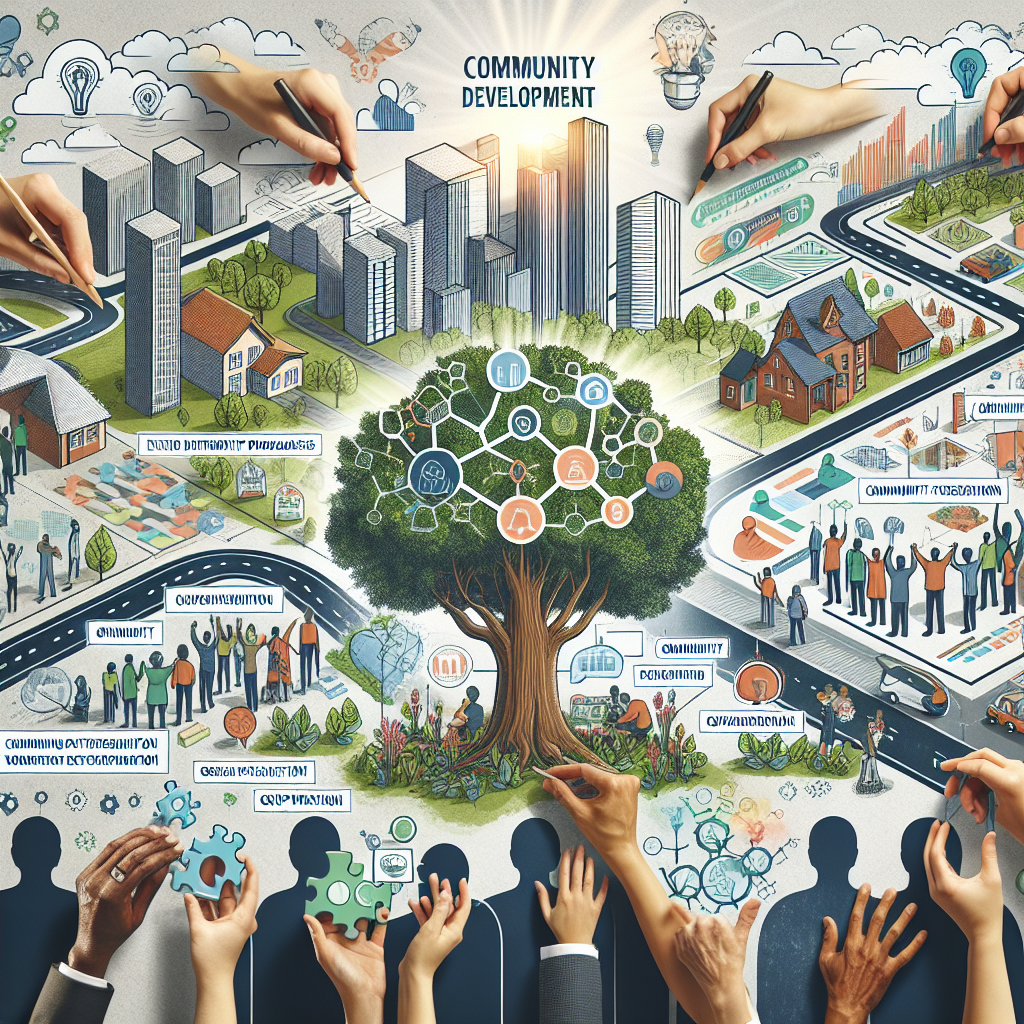
Community development is a powerful catalyst that not only transforms neighborhoods but also plays a critical role in enhancing mental wellness. It refers to a process where community members come together to take collective action and generate solutions to common problems. This process involves a variety of activities, ranging from urban planning and housing to social services and educational programs. The significance of community development extends beyond infrastructure improvements; it has profound implications on the mental health of individuals living within the community. Understanding this impact is essential for urban planners, policymakers, and community leaders aiming to foster environments that promote well-being.
The importance of mental wellness in today’s fast-paced world cannot be overstated. It encompasses emotional, psychological, and social well-being, affecting how individuals think, feel, and act. Mental wellness also determines how people handle stress, relate to others, and make choices. By integrating mental health considerations into community development, we not only enhance individual well-being but also build more resilient and supportive communities. The interplay between community development and mental wellness is an area of growing interest, offering insights into how urban planning and social programs can be harnessed to enhance quality of life.
The Built Environment and Mental Health
The built environment, comprising the physical aspects of where we live, work, and play, significantly influences mental health. Urban design, accessibility to green spaces, and housing quality are key components that can either enhance or detract from mental wellness. Poorly planned urban areas with inadequate housing and limited access to recreational facilities can contribute to mental health issues such as anxiety and depression.
Take for example the city of Curitiba, Brazil, which has garnered international acclaim for its innovative urban planning. By prioritizing public transportation and green spaces, Curitiba has created an environment that facilitates physical activity and social interaction, both of which are beneficial for mental health. Residents report higher levels of well-being, attributing this to the city’s thoughtful design that emphasizes connection with nature and community engagement.
The table below outlines key elements of the built environment that impact mental health:
| Element | Impact on Mental Health |
|---|---|
| Green Spaces | Reduce stress levels and improve emotional well-being |
| Accessible Housing | Promotes stability and reduces anxiety |
| Public Transport | Enhances social interaction and reduces isolation |
The Role of Social Capital in Community Development
Social capital refers to the networks, norms, and trust that exist within a community, enabling members to work together effectively. It is an intangible asset that significantly influences mental wellness. High levels of social capital can enhance a sense of belonging and reduce feelings of loneliness and isolation, which are detrimental to mental health.
Consider the example of the Dudley Street Neighborhood Initiative in Boston, Massachusetts. This community-driven organization has successfully built social capital by fostering strong bonds among residents and promoting civic engagement. Through neighborhood revitalization projects, community gardens, and cultural events, Dudley Street has become a model for how community development can enhance social capital and, consequently, mental wellness.
The components of social capital that contribute to mental health include:
- Strong Community Networks: Facilitate support and resource sharing
- Trust among Residents: Enhances cooperation and reduces stress
- Civic Engagement Opportunities: Empower individuals and improve self-esteem
Economic Development and its Psychological Impacts
Economic development within communities is intricately linked to mental wellness. Access to employment opportunities, financial stability, and community resources can mitigate stressors related to economic insecurity and improve psychological outcomes. Conversely, communities experiencing high levels of unemployment and poverty often face elevated rates of mental health issues.
The town of Preston in Lancashire, England, provides an illustrative example of how economic development can positively impact mental wellness. Through a strategy known as the “Preston Model,” local authorities have focused on retaining wealth within the community by supporting local businesses and encouraging cooperative business models. As a result, Preston has seen significant improvements in employment rates and mental well-being among its residents, demonstrating the power of economic strategies in enhancing community mental health.
Community-Led Health Initiatives
Community-led health initiatives are grassroots actions driven by community members to improve health outcomes, including mental wellness. By addressing specific health needs and cultural contexts, these initiatives empower individuals and foster a sense of agency, which is vital for mental health.
An example of a successful community-led health initiative is the “REACH” program in the United States, which focuses on reducing health disparities among racial and ethnic minorities. Through community partnerships and culturally tailored health interventions, REACH has effectively improved mental health outcomes by increasing access to care and promoting healthy behaviors. These efforts illustrate how community-driven health strategies can lead to significant mental health improvements.
The Psychological Benefits of Community Arts and Cultural Programs
Arts and cultural programs in communities serve as invaluable tools for promoting mental wellness. Participation in cultural activities can enhance self-expression, reduce stress, and build social connections—all of which contribute to improved mental health.
The “Creative Arts Without Barriers” initiative in Vancouver, Canada, exemplifies the positive impact of community arts on mental wellness. By offering free art workshops and performances accessible to all residents, this program has created opportunities for creative expression and social interaction. Participants report increased self-confidence, reduced feelings of isolation, and overall improved mental well-being.
Sustainability and Long-term Mental Health Benefits
Sustainability in community development is not limited to environmental considerations; it also encompasses long-term mental health benefits. Sustainable practices that focus on reducing carbon footprints, conserving resources, and promoting healthy living environments contribute to ongoing mental well-being.
One striking example is the city of Copenhagen, Denmark, known for its sustainability initiatives and high quality of life. With its emphasis on cycling infrastructure, renewable energy, and green architecture, Copenhagen has created an environment that supports physical exercise, reduces pollution, and fosters a sense of pride among residents—all contributing factors to mental wellness.
Sustainability contributes to mental health through:
- Healthy Environment: Reduces stressors like pollution and noise
- Active Lifestyles: Encourages physical activity and mental vigor
- Environmental Stewardship: Promotes a sense of purpose and collective responsibility
Enhancing Community Resilience through Mental Wellness
Community resilience is the ability of a community to bounce back from challenges and stressors. Strong mental wellness within a community serves as a foundation for resilience, enabling communities to effectively respond to crises and adapt to change.
Post-disaster recovery efforts in New Orleans, Louisiana, post-Hurricane Katrina, highlight the crucial role of mental wellness in building community resilience. By investing in mental health services and community support programs, New Orleans has strengthened its ability to recover and rebuild, emphasizing the importance of mental health in community development.
Conclusion: Fostering Community Development for Mental Wellness
Understanding the impact of community development on mental wellness is imperative for creating environments that support the overall well-being of residents. Key takeaways from this exploration include the importance of the built environment in influencing mental health, the role of social capital and economic development, and the benefits of community-led initiatives and cultural programs.
For urban planners, policymakers, and community leaders, integrating mental health considerations into community development efforts can lead to more resilient and thriving communities. To further this cause, stakeholders should prioritize sustainable practices, foster social connections, and enhance access to mental health resources.
As a next step, consider evaluating existing community projects through the lens of mental wellness. Engage with residents to identify opportunities for improvement and collaboratively develop solutions to enhance the mental health landscape within your community. By taking an active role in community development, we can collectively contribute to a healthier, more equitable future.
Frequently Asked Questions
1. How does community development enhance mental wellness?
Community development enhances mental wellness in multiple ways, primarily by fostering a sense of belonging and purpose among residents. When community members come together to work on collective goals, it instills a sense of camaraderie and unity. This collaborative environment reduces feelings of isolation and helplessness, which are common contributors to mental health issues. The social ties formed through community activities can lead to a strong support network, providing emotional assistance during times of need.
Moreover, community development often involves the improvement of local amenities and services, such as parks, recreational facilities, and educational programs, which encourage physical activities and leisure pursuits. Physical health is closely linked to mental health; thus, engagement in these community-based activities can alleviate stress, anxiety, and depression. Furthermore, access to better healthcare and social services through community development initiatives ensures residents receive adequate mental health support, which can directly improve overall wellness. In essence, by creating thriving, resilient communities, these development projects lay the groundwork for healthier, happier individuals.
2. What role does community involvement play in improving mental health?
Community involvement is integral to enhancing mental health because it empowers individuals and fosters a sense of ownership and responsibility. When community members participate in decision-making processes or engage in local initiatives, they feel valued and heard, significantly boosting their self-esteem and confidence. This participatory approach ensures that community development efforts reflect the true needs and concerns of residents, leading to solutions that genuinely improve their quality of life.
Inflated self-worth emerging from active community involvement often translates into reduced stress and anxiety levels, as individuals learn to navigate challenges with collective support. Additionally, participating in community projects builds resilience by teaching problem-solving skills and coping mechanisms. These experiences can fortify individuals against future mental health crises, as they’ve developed the ability to manage setbacks effectively. In summary, active involvement in community development is not merely about the physical transformation of neighborhoods but also about nurturing individuals who are mentally equipped to thrive.
3. Can community development initiatives address specific mental health issues?
Yes, community development initiatives can target and address specific mental health issues by creating tailored programs and services that meet the distinct needs of residents. For instance, communities dealing with high stress and anxiety levels might prioritize the development of mental health workshops, peer support groups, or stress-relief activities such as yoga and meditation sessions, held in community centers or public spaces. These programs help individuals learn techniques to manage their mental health proactively.
Another example is areas facing high rates of depression, which may benefit from increased social interaction opportunities through community events, volunteering, and inclusive recreational activities. These not only provide enjoyable experiences but also allow individuals to build meaningful relationships and feel part of something bigger than themselves. Furthermore, targeted initiatives can lead to collaboration with healthcare providers to offer accessible mental health screenings and counseling services within the community, ensuring timely intervention and ongoing support for those in need.
4. How does urban planning contribute to mental wellness through community development?
Urban planning plays a crucial role in enhancing mental wellness through community development by creating environments that promote healthy lifestyles and social interactions. Thoughtful urban design includes creating green spaces, pedestrian-friendly streets, and community hubs that are easily accessible to everyone. Such spaces encourage residents to engage in outdoor activities, which are proven to reduce stress and improve mood, and facilitate community gatherings and events that strengthen social bonds.
Moreover, urban planning can strategically reduce noise pollution, overcrowding, and other environmental stressors by ensuring a balanced development that doesn’t compromise residents’ quality of life. The incorporation of mixed-use developments—where residential, commercial, and cultural spaces coexist—fosters a lively local economy where people can work, shop, and socialize within their neighborhoods. This reduces commuting times and enhances the work-life balance, leading to improved mental health outcomes. Overall, urban planning shapes not only the physical landscape but also the social dynamic, nurturing a community-oriented environment conducive to mental wellness.
5. Are educational programs effective in promoting mental well-being within community development efforts?
Educational programs are highly effective in promoting mental well-being as part of community development efforts by providing residents with the necessary knowledge and skills to maintain their mental health. Such programs often include workshops on stress management, coping mechanisms, and emotional intelligence, empowering individuals to understand and address their mental health proactively. Education can demystify mental health issues and reduce stigma, encouraging more people to seek help when needed.
Furthermore, educational initiatives for children and youths promote mental resilience from an early age by incorporating life skills training and mental health awareness into school curriculums. These programs not only benefit individuals but also raise awareness within the entire community, fostering a collective understanding and supportive environment. For adults, lifelong learning opportunities, such as skill development and career advancement programs, can bolster self-esteem and offer a sense of purpose, further enhancing mental wellness.
By integrating education with community development, residents are better equipped to address personal and communal challenges, contributing to a resilient, well-informed, and supportive community framework that prioritizes mental wellness.