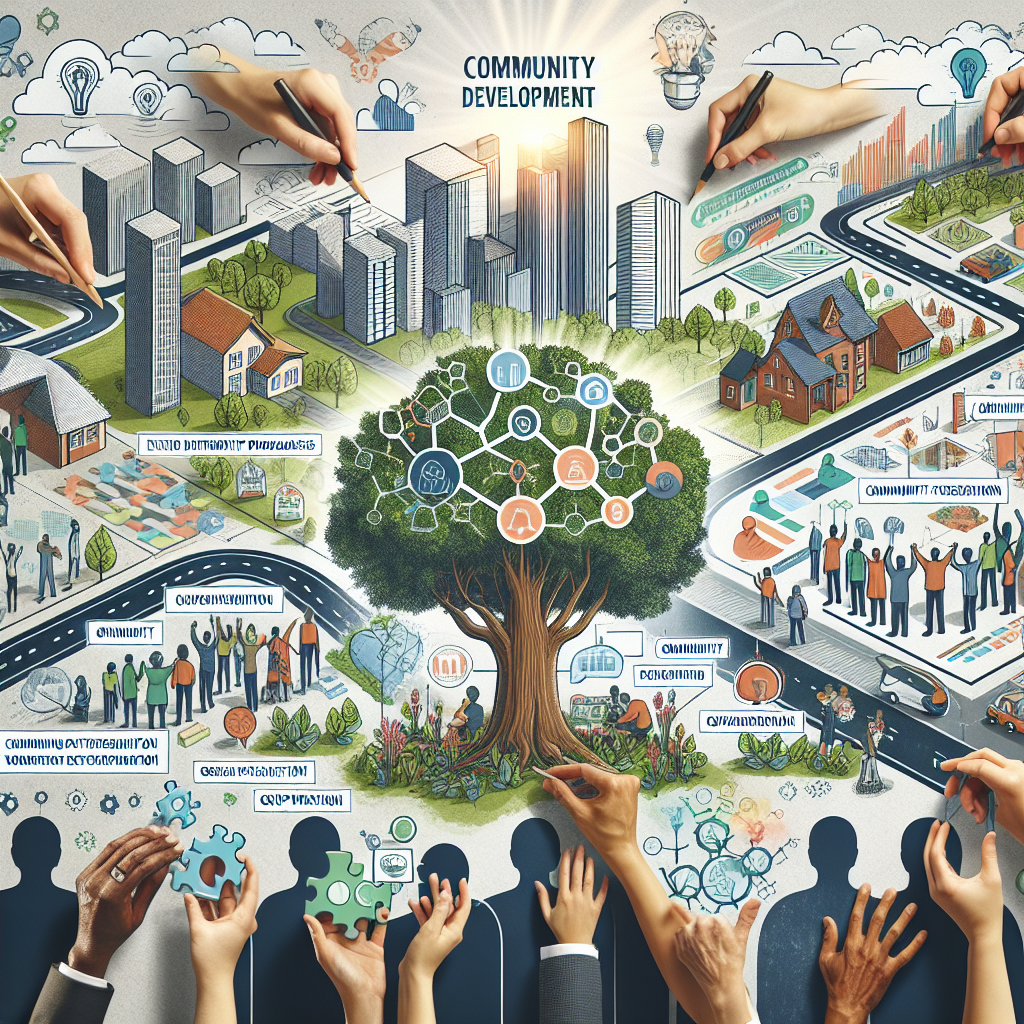
Community development is an integral aspect of modern urban planning, which aims to improve the quality of life for all residents within a locality. It is a multi-faceted concept encompassing physical, economic, social, and environmental improvements. Among the various actors that facilitate the process of community development, small businesses hold a prominent place.
Small businesses, often locally-owned establishments, serve as the heart and soul of a community. These businesses include retail shops, restaurants, service providers, and other locally-operated enterprises. They not only provide essential goods and services but also create employment opportunities, contribute to the local economy, and foster a sense of community among residents. As such, the success of small businesses is closely interwoven with the success of the entire community.
In recent years, there has been increasing recognition of the pivotal role that small businesses play in community development. Policy makers, urban planners, and community leaders are emphasizing the need to support and nurture small businesses to achieve sustainable and inclusive community growth. This article aims to delve into the various ways small businesses contribute to community development, examine the challenges they face, and explore potential strategies to enhance their impact.
Economic Contributions of Small Businesses
One of the most significant contributions of small businesses to community development is their economic impact. Small businesses create jobs, stimulate economic activity, and generate tax revenue that can be reinvested in the community. Employment opportunities provided by small businesses help reduce unemployment rates, increase household incomes, and improve overall economic stability within the community.
Furthermore, small businesses often source their supplies and services locally, thereby creating a ripple effect that stimulates economic activity throughout the community. The money spent at a local business tends to circulate within the local economy, which amplifies its economic impact. This concept, known as the “local multiplier effect,” highlights the importance of patronizing small businesses to fuel local economic growth.
Additionally, small businesses contribute to the diversification of the local economy. Unlike large corporations that may dominate specific sectors, small businesses often operate in various niches, offering unique products and services. This diversity makes the local economy more resilient to external economic shocks and reduces dependence on a single industry.
Social and Cultural Contributions of Small Businesses
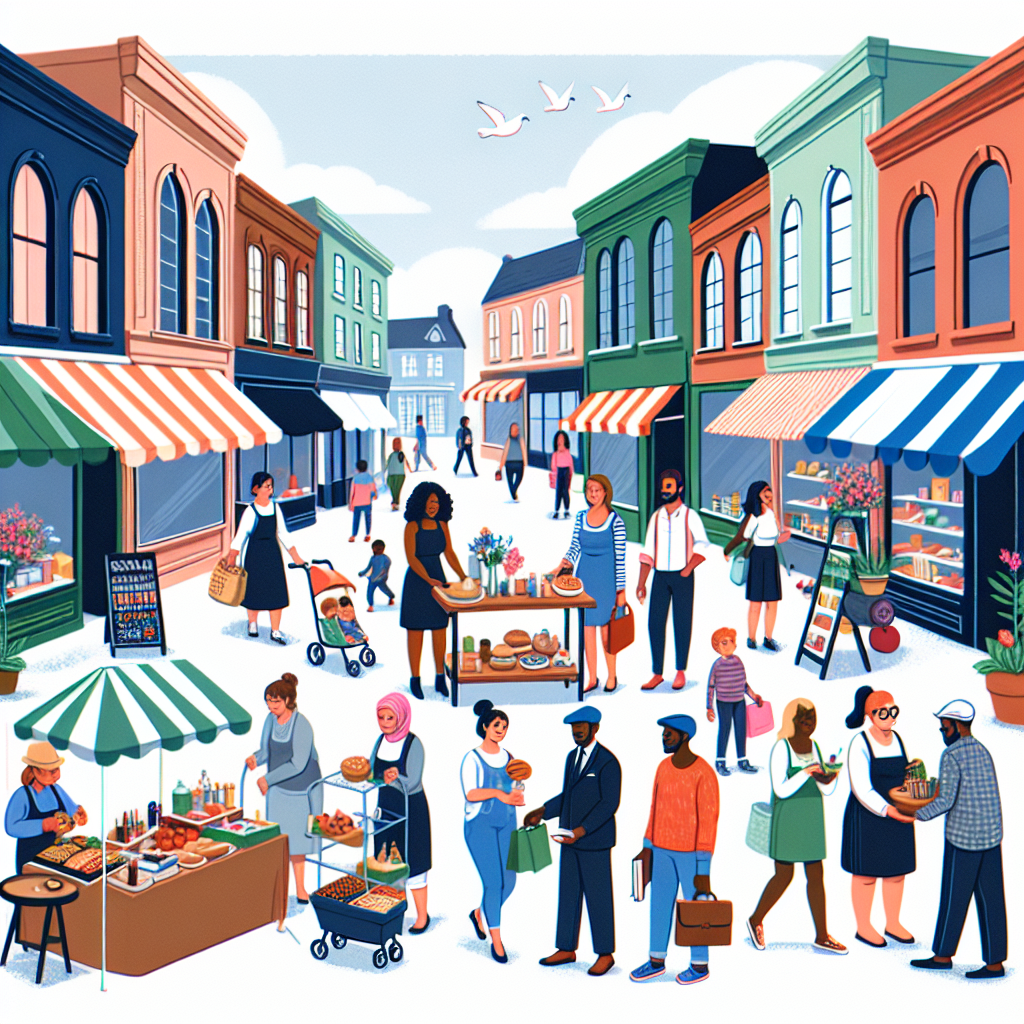
Beyond their economic impact, small businesses play a crucial role in fostering social cohesion and celebrating local culture. Small businesses often serve as community hubs where residents can gather, socialize, and build relationships. These businesses create spaces for community interactions, whether it’s a neighborhood café, a bookstore hosting local authors, or a family-owned restaurant.
Small businesses also contribute to the unique identity and character of a community. Locally-owned shops and restaurants often reflect the culture, history, and values of the community they serve. They showcase local traditions, crafts, and cuisines, which help preserve and promote the community’s cultural heritage. By supporting small businesses, residents help maintain the distinctive charm and personality of their community.
Moreover, small businesses often engage in philanthropic activities and community events. Many small business owners are active members of their community and contribute to local causes, sponsor events, and support nonprofits. These efforts help strengthen the social fabric of the community and foster a sense of solidarity among residents.
Environmental Contributions of Small Businesses
Small businesses can also play a pivotal role in promoting environmental sustainability within a community. Locally-owned businesses, particularly those that prioritize sustainable practices, can contribute to the reduction of the community’s carbon footprint. For example, local businesses that source their products and materials locally reduce the need for long-distance transportation, thereby lowering greenhouse gas emissions.
Additionally, small businesses are often more agile and innovative in adopting eco-friendly practices compared to larger corporations. Many small businesses implement initiatives such as waste reduction, energy efficiency, and the use of sustainable materials. By leading by example, these businesses can influence other local enterprises and residents to adopt environmentally responsible behaviors.
Furthermore, small businesses can support local environmental causes and initiatives. Many small business owners are deeply rooted in their communities and have a vested interest in protecting their local environment. They may partner with environmental organizations, participate in clean-up campaigns, and advocate for policies that promote sustainability.
Challenges Faced by Small Businesses
While small businesses have a profound impact on community development, they also face significant challenges. One of the primary challenges is limited access to capital. Many small businesses struggle to secure financing from traditional lenders, which can hinder their growth and sustainability. This issue is often exacerbated in underserved communities where financial resources are scarce.
Additionally, small businesses often face stiff competition from larger corporations and online retailers. Large companies benefit from economies of scale, extensive marketing budgets, and vast distribution networks, making it difficult for small businesses to compete. The rise of e-commerce has further intensified this competition, as consumers increasingly turn to online shopping for convenience and lower prices.
Furthermore, small businesses are vulnerable to economic downturns and other external shocks. The COVID-19 pandemic, for instance, has had a devastating impact on many small businesses, leading to closures and significant financial losses. Unlike larger corporations that have more resources to weather such crises, small businesses often operate with thin profit margins and limited reserves.
Strategies to Support Small Businesses
To maximize the positive impact of small businesses on community development, it is essential to implement strategies that support their growth and resilience. One effective approach is to provide financial assistance and incentives for small businesses. This can include grants, low-interest loans, tax breaks, and subsidies to help small businesses access the capital they need to thrive.
Another strategy is to create a supportive policy environment that fosters entrepreneurship and innovation. This can involve streamlining regulatory processes, reducing bureaucratic hurdles, and providing resources for business development. Local governments and community organizations can also offer training and mentorship programs to help small business owners develop the skills and knowledge necessary for success.
Additionally, fostering a culture of collaboration and networking among small businesses can be beneficial. Creating platforms for small business owners to connect, share experiences, and collaborate on projects can enhance their collective strength and resilience. Chambers of commerce, business associations, and local networking events can facilitate these connections and promote a sense of solidarity among small businesses.
The Role of Consumers in Supporting Small Businesses
Consumers play a critical role in supporting small businesses and, by extension, community development. By choosing to shop locally and patronize small businesses, residents can directly contribute to the economic, social, and environmental well-being of their community. Every purchase made at a local business helps keep money circulating within the local economy and supports job creation.
Additionally, consumers can advocate for policies and initiatives that benefit small businesses. This can include supporting local ordinances that prioritize small business development, advocating for increased funding for small business programs, and participating in community planning efforts. Consumer advocacy can help create a more favorable environment for small businesses and ensure their voices are heard in decision-making processes.
Furthermore, consumers can spread the word about their favorite local businesses through word-of-mouth and social media. Positive reviews, recommendations, and social media posts can help small businesses attract new customers and build a loyal customer base. Community members can also participate in local business events, such as markets, fairs, and festivals, to show their support and engage with local entrepreneurs.
Conclusion
Small businesses are indispensable to the fabric of community development. Their economic contributions, social and cultural impact, and environmental efforts make them key players in building strong, vibrant, and sustainable communities. As such, it is crucial to recognize and support the vital role that small businesses play in our communities.
By addressing the challenges faced by small businesses and implementing supportive strategies, policymakers, community leaders, and residents can create an environment where small businesses can thrive. This, in turn, will lead to the overall well-being and prosperity of the community.
As consumers, we have the power to make a difference by choosing to support small businesses, advocating for policies that benefit them, and spreading the word about their value to our communities. By doing so, we contribute to the development of a resilient, diverse, and flourishing community.
The future of community development is intertwined with the success of small businesses. Let’s work together to ensure that small businesses continue to be a driving force behind thriving, dynamic, and inclusive communities.
Frequently Asked Questions
1. How do small businesses contribute to community development?
Small businesses play a crucial role in community development through various channels. Firstly, they create jobs for local residents, often fostering economic growth within the community. By employing locals, they help reduce unemployment rates and contribute to the overall economic stability and prosperity of the area. This sense of financial stability can have a ripple effect, enhancing the community’s ability to invest in infrastructure, education, and social programs.
Furthermore, small businesses often prioritize sourcing products and services from other local enterprises, which keeps money circulating within the community. This local multiplier effect means that every dollar spent at a small business could potentially create additional economic activity for the community. Small businesses also serve as anchors for community identity and pride, offering unique products or services that reflect the area’s culture and heritage.
Socially, these businesses can act as community hubs where people gather, interact, and forge relationships. They often support local initiatives, sponsor events, and contribute to the vibrancy and cohesion of the community, fostering a sense of belonging among residents. Environmentally, small businesses tend to have smaller footprints and are more likely to implement sustainable practices due to community pressure and personal ties to the area.
2. What challenges do small businesses face in the context of community development?
Despite their significant contributions to community development, small businesses face a plethora of challenges that can hinder their success and impact. One major hurdle is access to financial resources. Many small enterprises struggle with obtaining sufficient funding from banks and investors due to perceived higher risks compared to larger, established companies. This lack of capital can limit their ability to expand, innovate, and ultimately increase their contribution to the community.
Competition from larger corporations and retail chains is another significant challenge. These bigger entities often offer lower prices and broader product ranges, which can lure customers away from small businesses. This competitive disparity can make it difficult for small businesses to maintain their market presence and profitability.
Regulatory challenges also pose significant obstacles. Small businesses often grapple with the complexities of navigating regulatory requirements, which can be both time-consuming and costly. Additionally, changes in local zoning laws or commercial real estate prices can further complicate matters, sometimes forcing small businesses out of historically significant areas or hindering new ones from opening.
3. How can local governments support small businesses and enhance community development?
Local governments have the power to significantly boost small businesses and, by extension, community development through a variety of supportive measures. Providing financial assistance in the form of grants, low-interest loans, or tax incentives can help small businesses overcome initial financial barriers and thrive. These financial programs can be tailored to encourage entrepreneurship, innovation, and sustainability.
Reducing bureaucratic red tape and simplifying the regulatory environment is another critical role that local governments can play. By streamlining processes such as permitting, licensing, and compliance, they can ease the operational burdens on small businesses and foster a more conducive environment for their growth.
Moreover, investing in community infrastructure—such as public transportation, internet access, and utility services—can create a more favorable business environment. Additionally, promoting local shopping campaigns and conducting community events can drive traffic towards small businesses, ensuring greater visibility and customer engagement. By collaborating with community organizations and business associations, local governments can also create networking opportunities, fostering a culture of mutual support among small businesses.
4. What role do consumers play in supporting small businesses and community development?
Consumers hold immense power in shaping the success of small businesses and, by extension, contributing to community development. Every purchase choice made at a local business has a direct impact on the vitality of the community’s economy. By choosing to shop locally, consumers are ensuring that more of their money stays within the community, supporting the local economy, and helping small businesses to thrive.
Moreover, consumers can advocate for small businesses by spreading positive word of mouth, leaving favorable reviews, and actively participating in local business events. This kind of social support can significantly boost a small business’s visibility and reputation, drawing in more customers.
Additionally, consumers can engage in informed purchasing decisions that prioritize sustainability and ethical labor practices, pushing businesses to adopt more conscientious policies and practices. This collective consumer behavior not only reviews economic health but also encourages a more sustainable and equitable local business ecosystem.
5. What is the relationship between small businesses and community identity?
Small businesses are deeply intertwined with the identity and character of a community. They often reflect the culture, traditions, and values of an area, offering unique products and services that can’t be found elsewhere. This distinctiveness contributes to a sense of place and pride among residents, reinforcing community bonds and fostering a strong local identity.
For example, a family-owned bakery that has served the town for generations becomes more than just a business; it becomes a beloved institution that represents a tangible connection to the past and a shared history among community members. Small businesses frequently act as stewards of local culture, preserving traditional recipes, crafts, or practices that might otherwise fade away in the face of modernization and globalization.
In essence, small businesses are more than economic entities; they are cultural ambassadors and community anchors. They help define the personality of a community, contributing to its unique identity and making it an attractive place to live, work, and visit. The sounds, sights, and flavors offered by local small businesses often become integral to the community’s narrative, fostering a sense of cohesion and collective belonging.