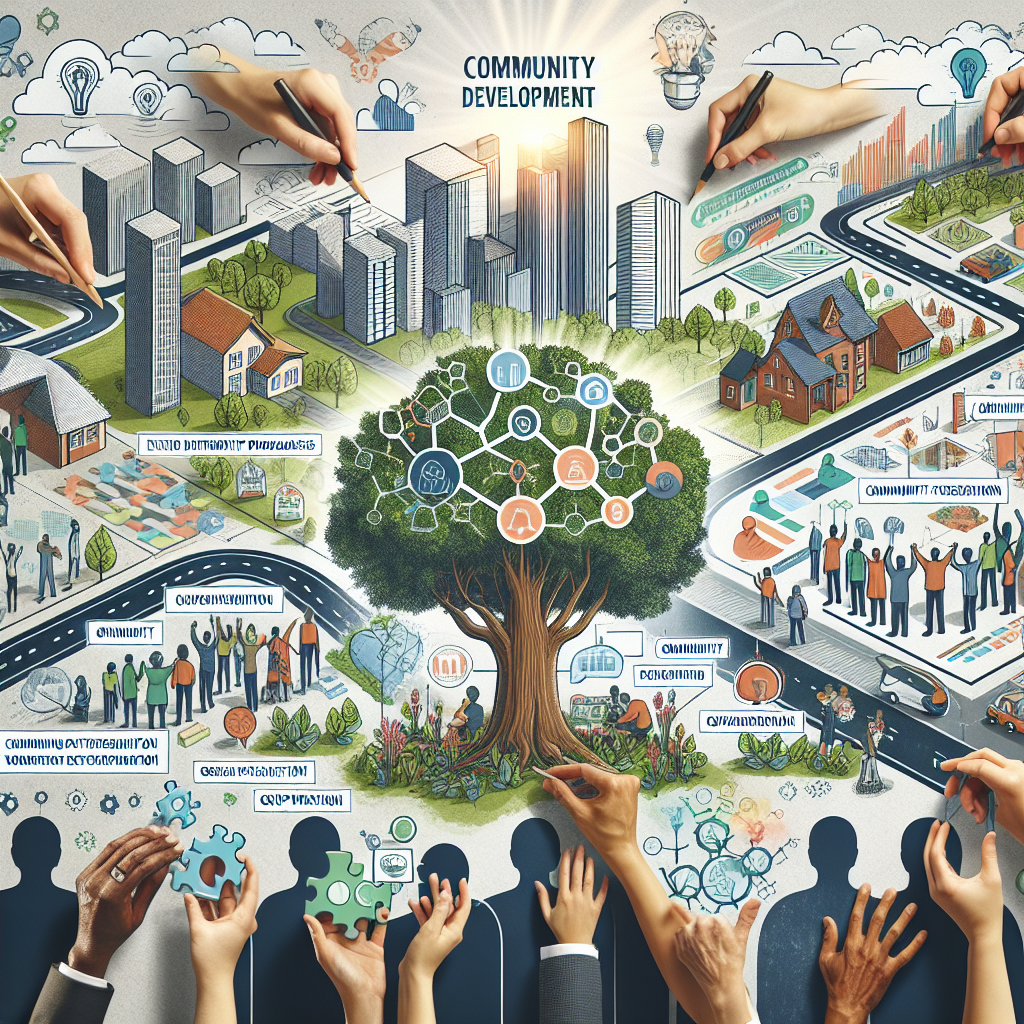
Community development encompasses a broad spectrum of activities and principles aimed at enhancing various aspects of community life. From bolstering economic opportunities to fostering social cohesion, community development is a cornerstone of urban planning. One of the most impactful facets of community development is transportation planning. Efficient transportation systems are pivotal in promoting accessibility, equity, sustainability, and economic growth within communities. As a result, thoughtfully designed transportation infrastructures can significantly elevate the quality of urban life.
Ensuring communities have access to reliable and efficient transportation systems is not just a matter of convenience; it’s a vital component of equitability and sustainability. Transportation planning, when integrated with community development objectives, can drastically improve access to jobs, education, and healthcare while reducing environmental impacts. By investing in robust public transit systems, creating pedestrian-friendly areas, and improving cycling infrastructure, urban planners can cultivate more resilient and inclusive communities.
In this article, we will explore the vital intersection between community development and transportation planning. We’ll delve into the importance of inclusive transportation systems, examine contemporary approaches to transportation planning, and highlight successful case studies. Additionally, we’ll consider the challenges that urban planners face and explore innovative solutions to these obstacles.
Importance of Inclusive Transportation Systems
Inclusive transportation systems are designed to serve all community members, regardless of socioeconomic status, physical abilities, or geographic location. By ensuring that transportation infrastructure is accessible to everyone, cities can promote greater equality and improve the overall quality of life. For instance, transit systems that are wheelchair accessible, affordable, and reach underserved areas can significantly enhance mobility for people who might otherwise face transportation-related barriers.
Furthermore, transportation planning that prioritizes inclusivity can help reduce urban poverty rates. When residents have reliable means of getting to work or school, they are more likely to find and maintain employment and pursue higher education. This creates a ripple effect, as increased employment rates lead to healthier economies and more vibrant communities.
Moreover, inclusive transportation systems support social cohesion by encouraging diverse groups of people to interact and engage with one another. Whether it’s through public transit, biking, or walking, inclusive transportation options can build a sense of community and foster greater understanding among residents. As urban populations continue to grow, making transportation infrastructures more inclusive will be an essential strategy for equitable development.
Contemporary Approaches to Transportation Planning
Today’s urban planners use a variety of modern approaches to transportation planning that address the multifaceted needs of contemporary communities. One prevalent strategy is the Complete Streets framework. This approach aims to design roadways that accommodate all users, including pedestrians, cyclists, public transit riders, and motorists. By creating safer and more accessible streetscapes, cities can encourage walking, cycling, and the use of public transit, which in turn reduces traffic congestion and greenhouse gas emissions.
Another innovative approach is the integration of technology into transportation systems. The rise of smart city solutions allows for more efficient and responsive transportation networks. For example, real-time transit tracking apps, ride-sharing platforms, and automated traffic management systems can optimize the flow of people and vehicles within urban areas. These technological advancements make transportation more convenient, eco-friendly, and adaptable to the changing needs of urban populations.
Additionally, tactical urbanism has gained popularity as a way to experiment with and implement small-scale, low-cost transportation improvements. Initiatives like pop-up bike lanes, temporary pedestrian plazas, and parklets (mini-parks) can quickly transform public spaces and demonstrate the potential benefits of larger, more permanent changes. These short-term projects often involve community input and participatory design, ensuring that the resulting improvements reflect the needs and preferences of local residents.
Case Studies of Successful Integration
Many cities around the world have successfully integrated transportation planning with community development, resulting in more livable and sustainable urban environments. Let’s take a closer look at a few notable examples.
Curitiba, Brazil, stands as a pioneering model of sustainable transportation planning. The city’s renowned Bus Rapid Transit (BRT) system has dramatically improved public transit accessibility and efficiency. With dedicated bus lanes and an integrated fare system, Curitiba’s BRT has attracted high ridership and reduced traffic congestion. This system has become a blueprint for other cities seeking to develop affordable and effective public transportation networks.
In Copenhagen, Denmark, a strong focus on cycling infrastructure has transformed the city into one of the most bike-friendly places in the world. Extensive bike lanes, bike-sharing programs, and supportive policies have encouraged a significant portion of the population to choose cycling as their primary mode of transportation. This not only reduces traffic, air pollution, and greenhouse gas emissions but also promotes a healthier lifestyle among residents.
Portland, Oregon, serves as an exemplary case of integrating transportation planning with broader community development goals. The city’s investments in light rail, streetcars, and pedestrian-friendly infrastructure have enhanced accessibility and connectivity. Additionally, Portland’s commitment to smart growth principles, such as promoting higher-density development near transit stations, has resulted in vibrant, mixed-use neighborhoods that prioritize sustainability and community engagement.
Challenges in Transportation Planning
Despite the numerous benefits of integrating transportation planning with community development, urban planners face various challenges. One significant issue is funding constraints. Developing comprehensive and inclusive transportation systems often requires substantial financial investments, which can be difficult to secure, especially in economically disadvantaged regions.
Another challenge is overcoming public resistance to change. Proposals to reallocate road space for bike lanes or pedestrian zones, for example, can face opposition from motorists who prioritize driving convenience. Additionally, implementing new transit systems or infrastructure projects can disrupt existing communities and businesses, leading to concerns about displacement and gentrification.
Equity remains another critical hurdle in transportation planning. Ensuring that improvements benefit all segments of society, particularly marginalized and low-income communities, requires careful consideration and inclusive planning processes. Addressing these disparities is essential for creating just and equitable urban environments.
Environmental concerns are also at the forefront of transportation planning challenges. Transitioning to more sustainable modes of transportation, such as electric vehicles, cycling, and public transit, demands not only technological advancements but also shifts in public behavior and policy. Balancing the need for economic growth with environmental sustainability is a complex task that requires innovative and forward-thinking solutions.
Innovative Solutions and Future Directions
To address these challenges, urban planners and policymakers are exploring several innovative solutions and future directions. Public-private partnerships (PPPs) have emerged as a viable option for funding transportation projects. By collaborating with private sector entities, cities can leverage additional resources and expertise to develop and maintain robust transportation systems.
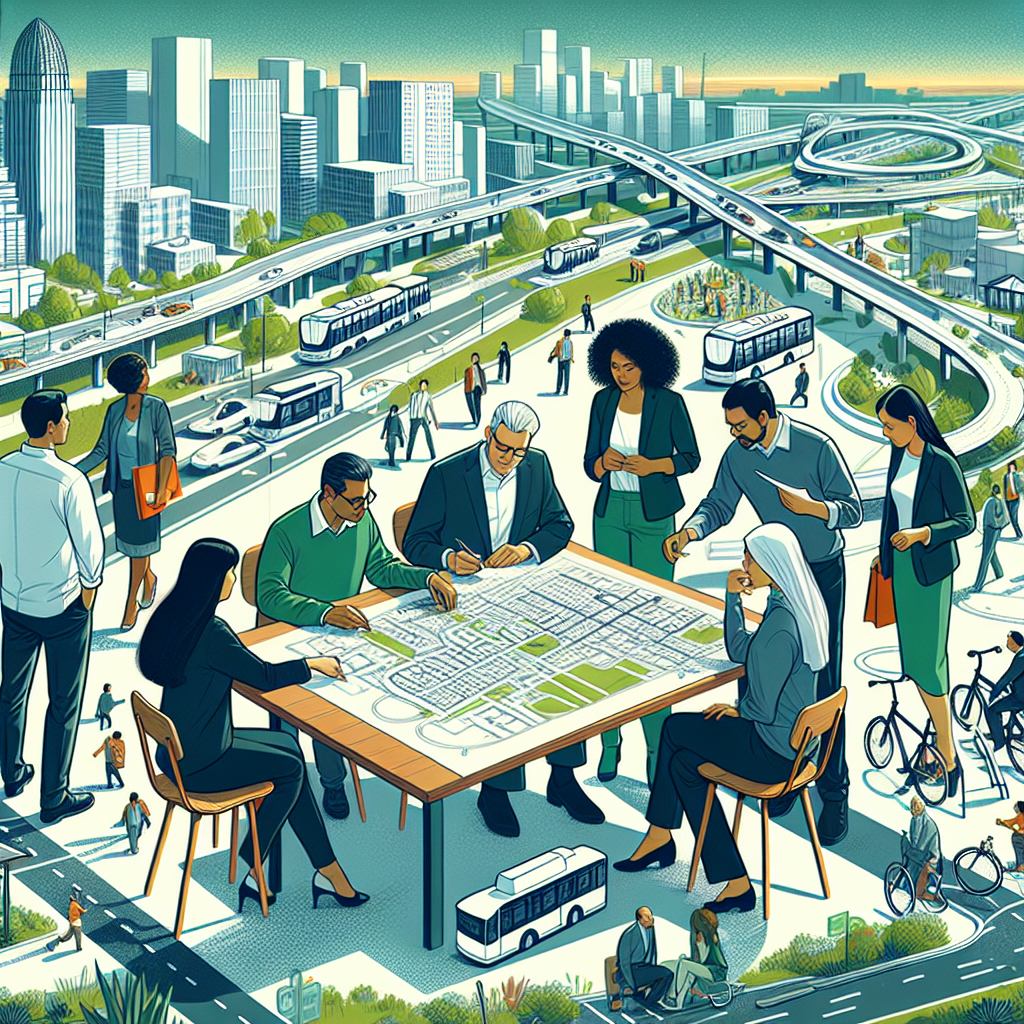
Community engagement is another critical component of successful transportation planning. Involving residents in the planning process through surveys, public meetings, and participatory design workshops ensures that transportation projects align with the needs and preferences of local communities. This inclusive approach can also help mitigate public resistance and build support for proposed changes.
Technology will continue to play a crucial role in transforming transportation systems. The development of electric and autonomous vehicles promises to revolutionize urban mobility by reducing emissions and improving safety. Additionally, advancements in data analytics and artificial intelligence can enhance transportation planning by providing insights into travel patterns and optimizing traffic flow.
Finally, integrating land use and transportation planning is essential for creating sustainable and resilient communities. Transit-oriented development (TOD) is a prime example of this integration. By concentrating development around transit hubs, cities can promote higher-density, mixed-use neighborhoods that reduce the need for car travel and encourage walkability and public transit use. This holistic approach fosters more connected and vibrant urban environments.
Conclusion
Integrating community development and transportation planning is essential for creating more inclusive, sustainable, and resilient urban environments. By prioritizing inclusive transportation systems, adopting contemporary planning approaches, and learning from successful case studies, urban planners can enhance the quality of life for residents and promote equitable economic growth. However, the path to achieving these outcomes is not without challenges. Funding constraints, public resistance, equity issues, and environmental concerns require innovative and collaborative solutions.
Looking ahead, the future of transportation planning will likely be shaped by continued technological advancements, public-private partnerships, and a focus on community engagement and inclusivity. As cities evolve and grow, the necessity for integrated and forward-thinking transportation strategies will become even more pronounced. By embracing these principles and working together, communities can develop transportation systems that not only meet the needs of today’s residents but also pave the way for a more sustainable and equitable future.
In closing, community development and transportation planning are inextricably linked. Both are fundamental to fostering vibrant, livable, and sustainable cities. As urban populations continue to expand, the importance of these interconnected fields will only grow, making it imperative for planners, policymakers, and communities to collaborate in creating the cities of tomorrow.
Frequently Asked Questions
1. What is the relationship between community development and transportation planning?
The relationship between community development and transportation planning is deeply intertwined. Community development is focused on improving the quality of life in a given area, and transportation plays a critical role in making that happen. With efficient transportation systems, more people have access to job opportunities, education, healthcare, and other essential services. Transportation planning also contributes to community development by promoting sustainability and reducing environmental impact through the use of mass transit, biking, and walking paths. Effective transportation planning considers the social, economic, and environmental factors that contribute to overall community growth and aims to create equitable solutions that benefit all residents. In essence, transportation planning acts as a driver for community development by facilitating connections between people, places, and resources.
2. How does transportation planning impact economic growth in a community?
Transportation planning significantly impacts economic growth by improving access to markets, reducing travel times, and lowering transportation costs, all of which can attract businesses and promote economic activities. A well-connected transportation network enhances the efficiency of moving goods and services, making a community more attractive to businesses and manufacturers. Additionally, transportation planning that supports public transit and non-motorized travel modes can increase employment opportunities by connecting people to jobs they might otherwise be unable to reach. The improvement in infrastructure often leads to increased property values and encourages investment and development in the area. Economic activities are further stimulated by reducing barriers to entry for new businesses, thus creating more job opportunities and fostering a competitive market economy.
3. In what ways does transportation planning contribute to sustainability within communities?
Transportation planning contributes to sustainability by reducing the environmental impact of travel and promoting environmentally-friendly modes of transportation. Planners aim to reduce carbon emissions by encouraging the use of public transit systems, bicycles, and walking over individual car use. Developing infrastructure for electric vehicles and ensuring public transit options are accessible and efficient are key components of sustainable transportation planning. By designing compact, mixed-use developments that integrate transportation options seamlessly, communities can minimize urban sprawl and the associated increase in pollution and resource consumption. Additionally, taking into account the ecological impact of new transportation projects, planners can create systems that protect natural habitats and promote biodiversity within urban areas. The overarching goal is to create a transportation system that uses fewer resources while meeting the mobility needs of present and future generations.
4. How does transportation planning ensure equity in communities?
Transportation planning ensures equity by providing equal access to mobility options and addressing the diverse needs of all community members, particularly those from disadvantaged or vulnerable groups. Planners work to eliminate transportation deserts, ensuring that everyone has access to reliable and affordable transportation options. This includes improving transit routes and schedules in underserved areas, ensuring that public transport is affordable, safe, and accessible to people with disabilities, and designing inclusive infrastructure that accommodates all age groups. Public participation processes are critical, allowing residents to voice their needs and concerns during the planning phase. By incorporating community feedback, transportation planners can develop solutions that address specific barriers faced by marginalized groups, ultimately working towards creating an equitable and inclusive community where everyone can thrive.
5. What role do community members play in the transportation planning process?
Community members play a vital role in the transportation planning process. By participating in public meetings, surveys, and forums, residents can express their needs, preferences, and concerns, providing valuable input that shapes transportation projects. Their involvement ensures that the strategies developed are aligned with the aspirations and needs of the people who will be using the systems. Furthermore, engaging with community members fosters a sense of ownership and responsibility towards the transportation infrastructure, encouraging public buy-in and support for new initiatives. By involving diverse groups, planners can gain insights into unique challenges faced by various community segments, ensuring that transportation solutions are inclusive and equitable. Community input is essential for identifying local priorities and securing the funding and political will necessary to implement and sustain effective transportation systems.