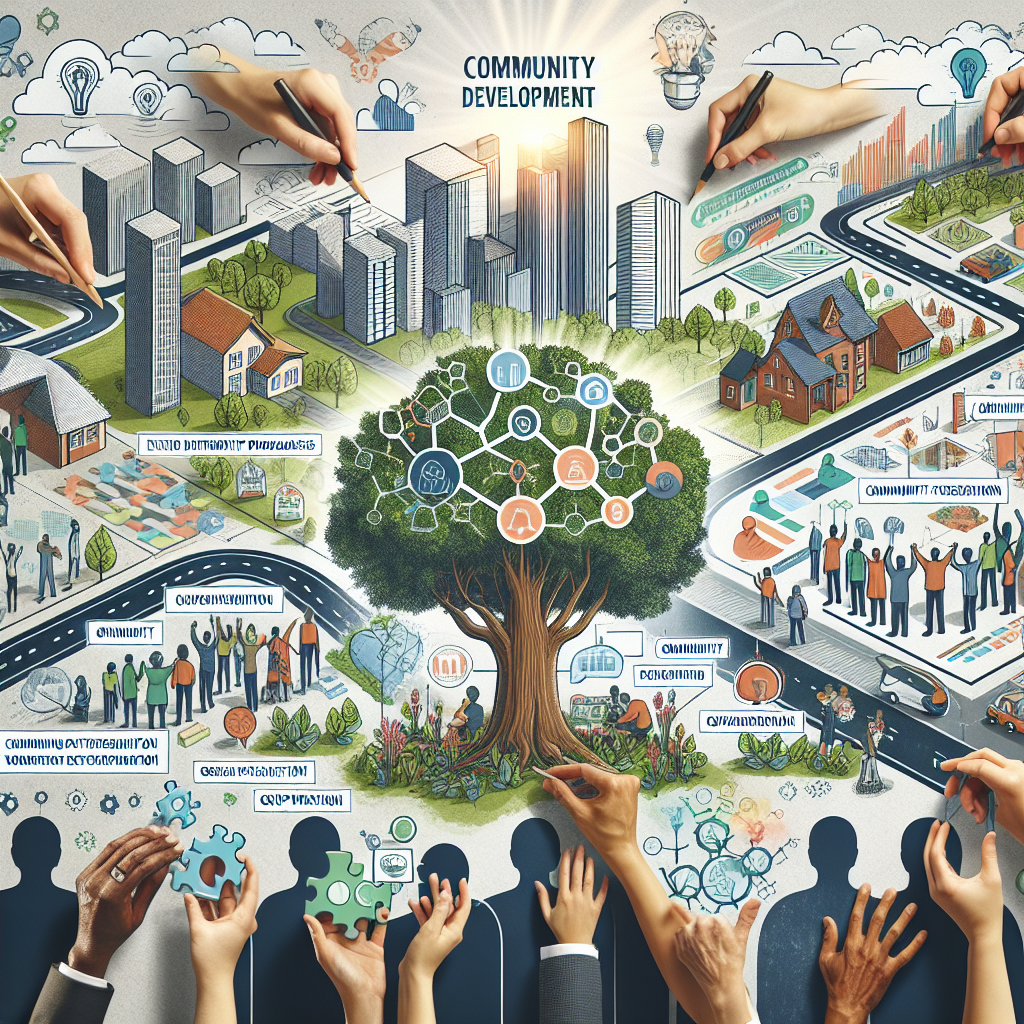
The integration of technology into various sectors has been nothing short of transformative. In the realm of community development, this technological evolution holds profound potential. The conventional approach to building and nurturing communities has seen significant changes, driven primarily by the surge in digital tools and applications. These advancements have enabled more efficient communication, improved resource management, and fostered greater community engagement. For housing and urban planning experts, understanding the full impact of technology on community development is essential to adapting and harnessing these benefits effectively.
Today, communities are increasingly interconnected through digital platforms, facilitating everything from local governance to social interactions. This interconnectivity supports resilient and sustainable communities by improving access to information and resources. As urban populations grow and diversify, the role of technology becomes even more critical in ensuring equitable and inclusive development. Planners and developers leverage mobile applications, social media, geospatial technologies, and big data analytics to design, implement, and manage projects that meet the specific needs of their communities.
Furthermore, technology’s role in empowering citizens cannot be understated. Digital literacy initiatives and online platforms enable residents to participate actively in community decisions, fostering a sense of ownership and belonging. These platforms also promote transparency and accountability in governance, allowing communities to crowdsource solutions to local issues effectively. However, it’s important to consider the digital divide and ensure that technological advancements are accessible to all community members. This article explores different aspects of how technology is reshaping community development, focusing on communication, resource management, urban planning, public participation, and economic opportunities.
Technological Advances in Communication: Communication is at the heart of community development, and technology has revolutionized the way we interact and share information. In many communities, traditional face-to-face meetings have been supplemented or replaced by virtual platforms. Tools like social media, video conferencing, and community forums enable real-time interaction, making it easier to coordinate activities and share ideas. These tools are particularly beneficial for reaching out to those who may be unable to participate in physical meetings due to mobility issues, time constraints, or geographical barriers.
Social media platforms such as Facebook, Twitter, and Nextdoor create spaces where community members can stay informed and engage in dialogue about local issues. These platforms make it easier for community organizers to disseminate information quickly, gather feedback, and mobilize residents for community projects or events. Video conferencing tools like Zoom and Microsoft Teams have also become indispensable, especially during the COVID-19 pandemic, providing a means to hold town hall meetings, workshops, and focus groups without physical gatherings. This digital shift not only increases participation but ensures that diverse voices are heard in community decision-making processes.
Moreover, mobile apps designed for community management are becoming more popular. These apps serve various functions, from disseminating important announcements to facilitating neighborly interactions and organizing local events. They help in building stronger communities by fostering a sense of community spirit and ensuring everyone is on the same page. These communication technologies have not only made it easier to connect but have also enhanced the overall efficiency of community management efforts.
Enhanced Resource Management: Resource management is a critical aspect of community development, and technology offers innovative solutions to optimize this process. Smart city technologies leverage the Internet of Things (IoT) to monitor and manage resources efficiently. For example, sensor-based systems can track water usage, waste management, and energy consumption in real-time, allowing for timely interventions to reduce waste and conserve resources. These systems provide valuable data that urban planners and community managers can use to make informed decisions about resource allocation and infrastructure development.
Additionally, Geographic Information Systems (GIS) are invaluable tools in community development. GIS technology allows for the mapping and analysis of various data sets, including population demographics, land use, and environmental factors. This spatial information helps planners identify trends and patterns that influence community development. For instance, GIS can pinpoint areas with inadequate access to public amenities, enabling targeted interventions to improve services and infrastructure. By visualizing complex data, GIS helps stakeholders understand the broader context and develop more effective strategies.
Furthermore, technology plays a significant role in disaster management and resilience planning. Early warning systems and predictive analytics can forecast natural disasters, allowing communities to prepare and respond effectively. Mobile apps and online platforms can disseminate emergency information swiftly, ensuring residents take appropriate actions to stay safe. Technology also aids in post-disaster recovery by facilitating damage assessments and resource distribution. In essence, enhanced resource management through technology not only leads to more sustainable communities but also ensures better preparedness and resilience against potential risks.
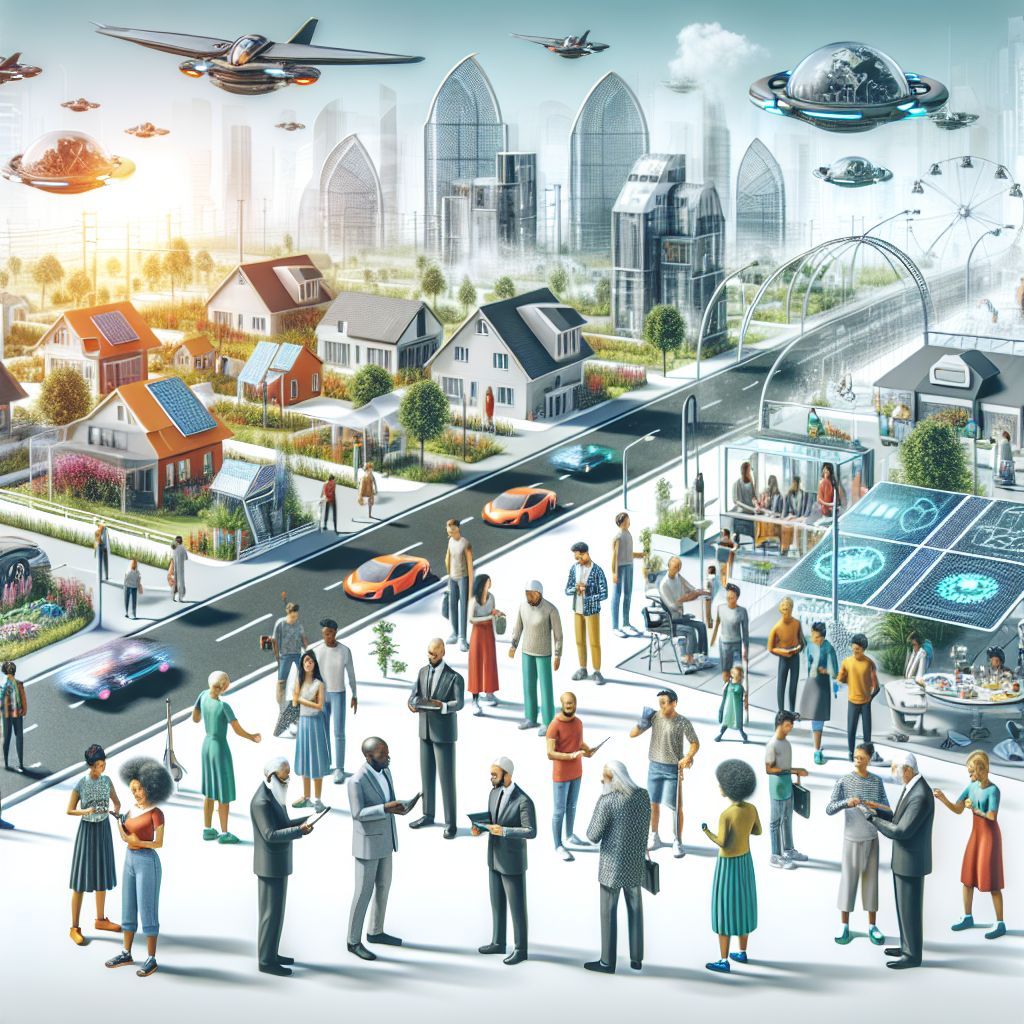
Urban Planning and Smart Cities: Urban planning has witnessed a paradigm shift with the advent of smart cities, which rely heavily on technology to improve the quality of urban life. Smart city initiatives integrate digital infrastructure with physical infrastructure to create intelligent and connected urban environments. This integration includes smart transportation systems, energy-efficient buildings, and advanced public services that enhance the convenience and well-being of residents. For instance, smart traffic management systems use real-time data to optimize traffic flow, reduce congestion, and improve air quality.
Moreover, building information modeling (BIM) and 3D visualization tools are transforming the way urban planners design and manage urban spaces. BIM allows for the creation of detailed digital representations of buildings and infrastructure, facilitating better planning, coordination, and collaboration among stakeholders. These tools enable planners to simulate different scenarios and assess the potential impacts of various development plans. By leveraging technology, urban planners can create more sustainable and livable cities that cater to the evolving needs of their residents.
Public services in smart cities are also evolving to become more efficient and user-centric. Online platforms and mobile apps for public utilities, transportation, and municipal services streamline processes and enhance convenience for residents. For example, e-governance initiatives enable citizens to access government services online, reducing the need for physical visits to government offices. Mobile apps for public transportation provide real-time information on routes, schedules, and delays, making commuting more predictable and less stressful. These technological advancements not only improve the quality of urban life but also promote greater civic engagement and participation.
Public Participation and Civic Engagement: One of the most significant impacts of technology on community development is the enhancement of public participation and civic engagement. Digital platforms provide citizens with greater opportunities to voice their opinions, share ideas, and contribute to community decision-making processes. Online surveys, social media polls, and interactive platforms enable residents to participate in consultations and provide feedback on various development projects. This inclusive approach ensures that community development initiatives reflect the diverse needs and preferences of the population.
Platforms like Change.org and local government websites allow citizens to create and support petitions on issues that matter to them. This level of engagement empowers residents to influence policy decisions and hold local authorities accountable. Furthermore, participatory budgeting initiatives, where residents have a say in how community funds are allocated, are becoming more prevalent with the help of digital tools. These platforms promote transparency, accountability, and trust between citizens and local authorities.
Moreover, technology facilitates the formation of virtual communities and networks, bringing together people with common interests and goals. Online forums and social media groups provide spaces for residents to collaborate, share resources, and organize events or initiatives. These virtual communities often extend beyond geographical boundaries, enabling the exchange of knowledge and best practices with other communities globally. This interconnectedness fosters a sense of solidarity and collective action, helping communities address social, economic, and environmental challenges more effectively.
Economic Opportunities and Digital Inclusion: Technology also plays a crucial role in creating economic opportunities and promoting digital inclusion within communities. The digital economy offers new avenues for entrepreneurship, remote work, and skills development, enabling residents to access better job prospects and improve their livelihoods. Online marketplaces, e-commerce platforms, and gig economy apps provide opportunities for individuals to start their own businesses or offer services, reducing dependency on traditional employment sources.
Moreover, digital literacy programs are essential in ensuring that all community members can benefit from technological advancements. These programs provide training on using digital tools, accessing online services, and developing technical skills. By promoting digital inclusion, communities can bridge the digital divide and ensure that marginalized or underrepresented groups have equal access to economic opportunities. This inclusivity is vital for fostering social equity and cohesion within communities.
Technology also supports economic development by attracting investments and fostering innovation. Tech hubs and innovation centers serve as incubators for startups and businesses, driving local economic growth. These centers provide resources, mentorship, and networking opportunities for entrepreneurs, helping them scale their ventures and contribute to the community’s economic vitality. Furthermore, smart city initiatives often include partnerships between governments, businesses, and academic institutions, creating an ecosystem conducive to technological innovation and economic development.
Conclusion:
The impact of technology on community development is profound and multifaceted. From enhancing communication and resource management to transforming urban planning and promoting civic engagement, technology offers innovative solutions to the challenges communities face. These advancements not only improve the efficiency and effectiveness of community development efforts but also empower residents to participate actively in shaping their communities.
As we look to the future, it is essential to ensure that technological benefits are accessible to all members of the community. Bridging the digital divide and promoting digital inclusion are critical steps in achieving equitable and sustainable development. By prioritizing digital literacy and fostering an inclusive approach, communities can harness the full potential of technology to build resilient, vibrant, and connected environments.
Housing and urban planning professionals must stay abreast of technological trends and innovations to effectively integrate them into community development strategies. Collaborative efforts between governments, businesses, and residents will be key in leveraging technology to address social, economic, and environmental challenges. By embracing technology and fostering a culture of innovation and inclusivity, communities can create brighter and more sustainable futures for all their residents.
Frequently Asked Questions
1. How is technology changing the way communities are developed?
Technology has completely reshaped the landscape of community development by altering how we communicate, engage, and manage resources. Digital tools, ranging from social media platforms to community-focused apps, have made it easier for individuals and groups to connect and collaborate. These tools facilitate real-time communication, breaking down geographical barriers and encouraging more inclusive participation. Furthermore, technology aids in efficient planning and management of community resources, providing data-driven insights that improve decision-making processes. Geographical Information Systems (GIS) and other data analytics tools are instrumental in community planning, allowing for a deeper understanding of demographic and spatial trends. Overall, technology transforms community development by creating smarter, more adaptable, and highly responsive communities.
2. What role does technology play in enhancing community engagement?
Technology serves as a critical catalyst for boosting community engagement. By utilizing various digital platforms, community leaders and organizers can reach a broader audience and foster active participation. Social media platforms, forums, and mobile applications facilitate dialogue, enabling community members to share ideas, feedback, and concerns effortlessly. Virtual town halls, webinars, and online surveys can significantly enhance participation and inclusivity, ensuring that diverse voices are heard. Moreover, technology-driven engagement tools offer analytics that help identify community interests and pain points, enabling leaders to tailor their strategies effectively. With these capabilities, technology presents new opportunities for communities to engage with their members on a deeper and more meaningful level.
3. Can technology improve resource management in community development?
Absolutely, technology vastly improves resource management within communities. Through the use of Blockchain technology, communities can ensure transparent and secure management of funds and resources, fostering trust and accountability. IoT (Internet of Things) devices contribute by providing real-time data on various community resources such as water systems, energy consumption, and public transportation. This real-time information helps communities efficiently allocate resources, anticipate needs, and make necessary adjustments promptly. Additionally, AI-driven systems can predict future resource requirements based on historical data, assisting in long-term planning and sustainability efforts. These technological interventions streamline resource utilization and ensure optimal and equitable distribution throughout the community.
4. How does technology impact housing and urban development in communities?
In housing and urban development, technology plays a pivotal role by enhancing architecture, design, and construction processes. Advanced software allows architects to model and visualize urban plans with greater accuracy, considering numerous environmental and societal factors. Building Information Modeling (BIM) and other construction technologies enhance collaboration among stakeholders, minimize costs, and reduce errors. Moreover, smart home technologies are becoming an intrinsic aspect of urban settings, promoting energy efficiency and security while providing convenient living solutions. Technology is also crucial in addressing housing shortages, as prefabrication and 3D printing techniques enable rapid construction of affordable housing. In essence, technological innovation is forging an era of sustainable and smart urban developments.
5. What challenges might arise from the integration of technology in community development?
While the integration of technology in community development offers numerous benefits, it also introduces certain challenges. One major issue is the digital divide, where not all community members have equal access to new technologies and the internet, potentially exacerbating existing inequalities. Privacy concerns and data security are also pertinent challenges, as increased data collection and surveillance can lead to misuse or breaches of private information. Additionally, the rapid pace of technological advancements demands continuous adaptation, which can be resource-intensive and challenging for community leaders to manage. It is essential to address these challenges through inclusive policies, robust cybersecurity measures, and ongoing educational initiatives to ensure that the technological transformation of communities is equitable and beneficial to all members.