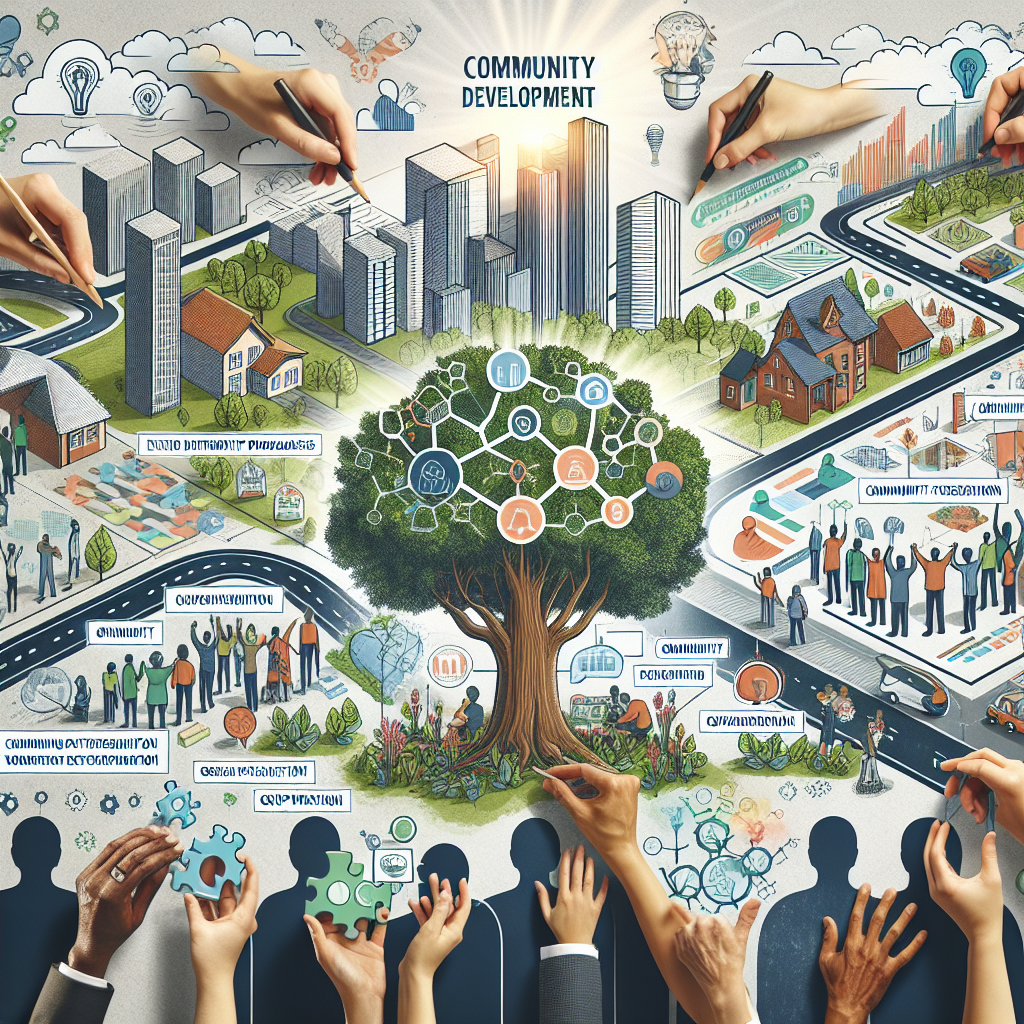
In today’s fast-paced world, community development remains a critical aspect of urban planning. Its significance lies in fostering local collaboration, enhancing individual lives, and promoting social well-being. But what is often overlooked in community development discussions is the influence of arts and culture. When integrated effectively, arts and culture can breathe new life into neighborhoods, inspire civic pride, and play a crucial role in economic revitalization.
Arts and culture are more than just creative outlets; they are intertwined with the very fabric of society. From public murals that tell local histories to community theaters bringing people together, cultural initiatives can transform how residents perceive their surroundings. It’s not just about beautifying spaces—it’s about creating a shared sense of identity and belonging. Engaging local artists and cultural leaders in community projects fosters inclusiveness and paves the way for innovative solutions to urban challenges.
This article delves into the symbiotic relationship between community development and the arts and culture sector. We’ll explore how embedding creativity in urban planning addresses various social, economic, and environmental issues. Whether it’s reducing crime rates, driving economic growth, or creating sustainable urban ecosystems, the role of arts and culture is indispensable. Dive in as we unfold various sections that illustrate the power of combining community development with artistic and cultural initiatives.
The Role of Arts and Culture in Economic Development
One of the most tangible benefits of integrating arts and culture into community development is its impact on economic growth. Creative industries, including galleries, theaters, music venues, and studios, generate employment opportunities and attract tourism. This influx of economic activity brings revenue to local businesses, spurs new enterprises, and increases local tax bases, ultimately leading to a more vibrant and resilient community.
For instance, cities like Asheville, NC, and Marfa, TX, have capitalized on their artistic communities to drive economic resurgence. In these locales, the presence of a thriving arts scene has attracted visitors, new residents, and entrepreneurs, all of whom contribute to a diversified local economy. Moreover, arts and cultural events can serve as economic catalysts by drawing crowds that patronize local businesses, boosting sales and encouraging further investment in the area.
Incorporating public art and cultural festivities can also make spaces more appealing, driving up property values and sparking real estate development. However, it’s crucial to approach this growth sustainably to avoid the pitfalls of gentrification. Equitable development models ensure that the benefits of economic growth are accessible to all community members, preserving the cultural diversity that makes these areas unique in the first place.
Furthermore, investment in cultural infrastructure, such as museums, multipurpose art spaces, and artist residencies, can fortify a community’s economic foundation. These institutions not only create jobs but also foster talent, innovation, and lifelong learning. In essence, placing arts and culture at the heart of community development strategies can unlock unparalleled economic opportunities and transform neighborhoods into thriving cultural hubs.
Enhancing Social Cohesion Through Cultural Initiatives
Arts and culture play a pivotal role in fostering social cohesion and community solidarity. They act as a unifying force that bridges social, racial, and economic divides, encouraging residents to engage with one another and work towards common goals. Various projects, such as community murals, public art installations, and neighborhood festivals, often rally diverse groups of people around a shared cultural cause, bolstering a sense of unity and mutual understanding.
Community-based art projects can also give voice to underrepresented groups, promoting inclusivity and ensuring diverse narratives are heard. When everyone sees their heritage, experiences, and aspirations reflected in public spaces, a collective identity is nurtured, fostering deeper emotional connections among residents. These shared experiences and symbols become powerful tools for building a more inclusive and cohesive society.
Playwrights, musicians, and other artists frequently engage in collaborative initiatives that address social issues directly. These cultural dialogues create safe spaces for discussing and resolving conflicts, promoting empathy and cooperation among community members. For example, interactive theater performances might explore local issues, encouraging audiences to reflect on them and propose collective solutions.
In a world where digital interactions often overshadow face-to-face encounters, arts and culture provide vital opportunities for community members to come together, fostering stronger interpersonal ties and a sense of belonging. This enhanced social fabric forms the bedrock of a resilient and vibrant community, capable of facing challenges and thriving in the face of change.

Promoting Environmental Sustainability Through Artistic Endeavors
Another vital aspect of community development where arts and culture play a key role is environmental sustainability. Artistic initiatives can raise awareness about environmental issues, inspire eco-friendly behaviors, and even contribute to the greening of urban spaces.
Artists are often at the forefront of environmental advocacy, using their work to highlight ecological concerns and promote sustainability. Public art projects that utilize recycled or sustainable materials can serve not only as aesthetic enhancements but also as educational tools. For example, sculptures or installations made from reclaimed materials can educate the public about recycling and waste reduction.
Green spaces and urban gardens designed with creative input help to combat urban heat islands, improve air quality, and provide community members with natural environments for recreation and relaxation. These projects can also incorporate artistic elements, such as sculptures or murals, to create inviting and educational spaces.
Moreover, cultural events focused on sustainability, such as eco-festivals or green markets, encourage sustainable practices by showcasing innovative green technologies and promoting eco-friendly products. These events can engage the community in meaningful ways, fostering a culture of sustainability that extends beyond the immediate activity.
In sum, the fusion of arts and culture with environmental initiatives can transform urban landscapes into more sustainable, livable, and beautiful places. These projects not only enhance the physical environment but also instill a collective sense of responsibility towards environmental stewardship within the community.
Case Studies: Successful Integrations of Art and Community Development
To illustrate the profound impact of integrating arts and culture into community development, let’s examine some noteworthy case studies from around the world.
In Medellín, Colombia, the integration of art and community spaces has transformed once-dangerous neighborhoods into vibrant cultural hubs. Initiatives such as the Museo de Antioquia and the Botanical Garden have brought art, education, and green spaces to communities that previously lacked access to such resources. This holistic approach has significantly reduced crime rates and improved the quality of life for residents.
Closer to home, in the United States, the Wynwood Walls in Miami have turned a neglected warehouse district into a dynamic outdoor gallery attracting millions of tourists annually. This transformation has not only revitalized the local economy but also instilled a renewed sense of pride and identity among residents.
In another example, Glasgow, Scotland, has leveraged its rich cultural heritage to spearhead urban renewal. The Glasgow International Festival showcases contemporary art and has positioned the city as a global cultural destination. Similarly, the transformation of the city’s once-abandoned tramway facilities into the Tramway art space has spurred local engagement and economic revitalization.
These case studies demonstrate that thoughtful integration of arts and culture can lead to sustainable, inclusive, and thriving communities. By fostering creativity and cultural expression, cities can address various urban challenges, from economic instability to social fragmentation, in innovative and impactful ways.
Conclusion
In conclusion, the intersection of community development and arts and culture holds immense potential for creating vibrant, resilient, and inclusive communities. Whether through economic development, social cohesion, environmental sustainability, or holistic revitalization, the integration of creative and cultural initiatives can address a plethora of urban challenges.
As urban planners, community leaders, and residents look to the future, it is essential to recognize and harness the transformative power of arts and culture. By embedding artistic and cultural considerations into community development strategies, we can foster environments that not only meet the material needs of their residents but also nurture their spirits and creativity.
Ultimately, the symbiotic relationship between community development and arts and culture is about more than just improving physical spaces. It is about cultivating a sense of place, identity, and belonging that is essential for the well-being and prosperity of any community. As we move forward, let us continue to advocate for and invest in the cultural and creative dimensions of community development, ensuring that our neighborhoods are not just places to live, but places to thrive.
Frequently Asked Questions
1. How do arts and culture contribute to community development?
Arts and culture have a profound impact on community development by acting as catalysts for social interaction and economic growth. Firstly, they create vibrant spaces that bring people together to celebrate their shared experiences and cultural backgrounds. This shared participation fosters a stronger sense of community, encouraging residents to engage more actively in local issues and initiatives. Additionally, arts and culture can attract visitors and tourists, which boosts the local economy. Events such as art festivals, cultural exhibits, and performances can lead to increased foot traffic for local businesses, thus creating more job opportunities. Moreover, the presence of cultural projects and installations enhances the physical environment of neighborhoods, making them more appealing places to live and work, which can subsequently increase property values and attract further investment. By promoting the unique identity of a community, arts and culture also help highlight and preserve local histories and traditions, providing a collective narrative that reinforces community bonds and instills pride among residents.
2. What role do artists play in urban renewal and neighborhood revitalization?
Artists are vital players in urban renewal and neighborhood revitalization processes, often acting as both initiators and collaborators. They bring creative perspectives to urban planning, leading to innovative solutions to longstanding challenges. Through their art forms, whether murals, installations, or performances, artists can transform neglected or underutilized spaces into hubs of community activity. This transformation not only improves the aesthetic appeal of an area but also calls attention to it, encouraging further developments and investments. The presence of artists in a neighborhood can lead to the establishment of galleries, studios, and cultural venues, which serve as gathering spaces for residents and visitors alike, fostering social interaction and economic activity. Furthermore, artists serve as advocates for social change, using their platforms to highlight social issues and mobilize communities towards collective action. Their involvement in community workshops and educational programs brings people of different ages and backgrounds together, promoting cross-cultural understanding and collaboration, which are essential components of effective neighborhood revitalization.
3. How can local governments support the integration of arts and culture into community development?
Local governments have a unique position to facilitate the successful integration of arts and culture into community development by establishing policies and initiatives that encourage artistic collaboration and creativity. One of the primary ways governments can support this integration is through funding and grants for arts and cultural projects, providing financial resources necessary for artists and organizations to realize their visions. Additionally, governments can allocate spaces for the arts within public areas, creating permanent cultural districts or zones specifically tailored to hosting events and exhibitions. Supporting partnerships between local artists, businesses, and educational institutions can further enhance these efforts—through initiatives like artist-in-residence programs, art walks, and community-led design projects. Governments can also streamline regulatory and permitting processes to make it easier for cultural events to take place, removing bureaucratic obstacles that may hinder artistic initiatives. By advocating for arts education in schools and community centers, local governments can cultivate a new generation of individuals who value and understand the potential of arts and culture in enhancing community life.
4. What are some examples of successful community development projects that harness the power of arts and culture?
Numerous communities around the globe have successfully integrated arts and culture into their development strategies, leading to significant revitalization outcomes. A notable example is the transformation of the Wynwood District in Miami, Florida, which was once a neglected warehouse area. Through the efforts of artists and entrepreneurs, it was transformed into a vibrant art hub, famous for its street art and galleries. The Wynwood Walls, an outdoor museum of international street art, spearheaded this transformation by attracting art enthusiasts and tourists from around the world, fueling local economic growth. Another example is the city of Austin, Texas, which has strategically branded itself as the “Live Music Capital of the World,” leveraging its robust music scene to enhance its cultural appeal and boost tourism. This focus on music and culture has played a critical role in the city’s economic development, drawing in festivals such as South by Southwest (SXSW) which contribute significantly to the local economy. Cities like Toronto, Canada, and Liverpool, UK, have similarly utilized cultural institutions and events to drive urban regeneration, highlighting the universal applicability and success of integrating arts and culture in community development processes.
5. Can community art projects have an impact on individual and communal well-being?
Community art projects can have a significant positive impact on both individual well-being and the wider community. On an individual level, participation in art projects provides a creative outlet for self-expression, which can reduce stress and improve mental health. Involvement in artistic activities can help people develop new skills, boost self-esteem, and foster mindfulness, contributing to overall personal development. For communities, art projects promote inclusivity and social cohesion, bridging social divides by bringing people from various backgrounds together in a shared experience. Collective participation in creating something meaningful instills a sense of ownership and pride among participants, strengthening communal identity. Additionally, art projects often address important social issues, raising awareness and inspiring action which can lead to positive change. By fostering a culture of collaboration and dialogue, community art projects create a more empathetic and resilient community, better equipped to face challenges and seize opportunities. Overall, the social and emotional benefits that arise from community engagement in the arts contribute to enhanced communal well-being, making such initiatives key components in successful community development strategies.