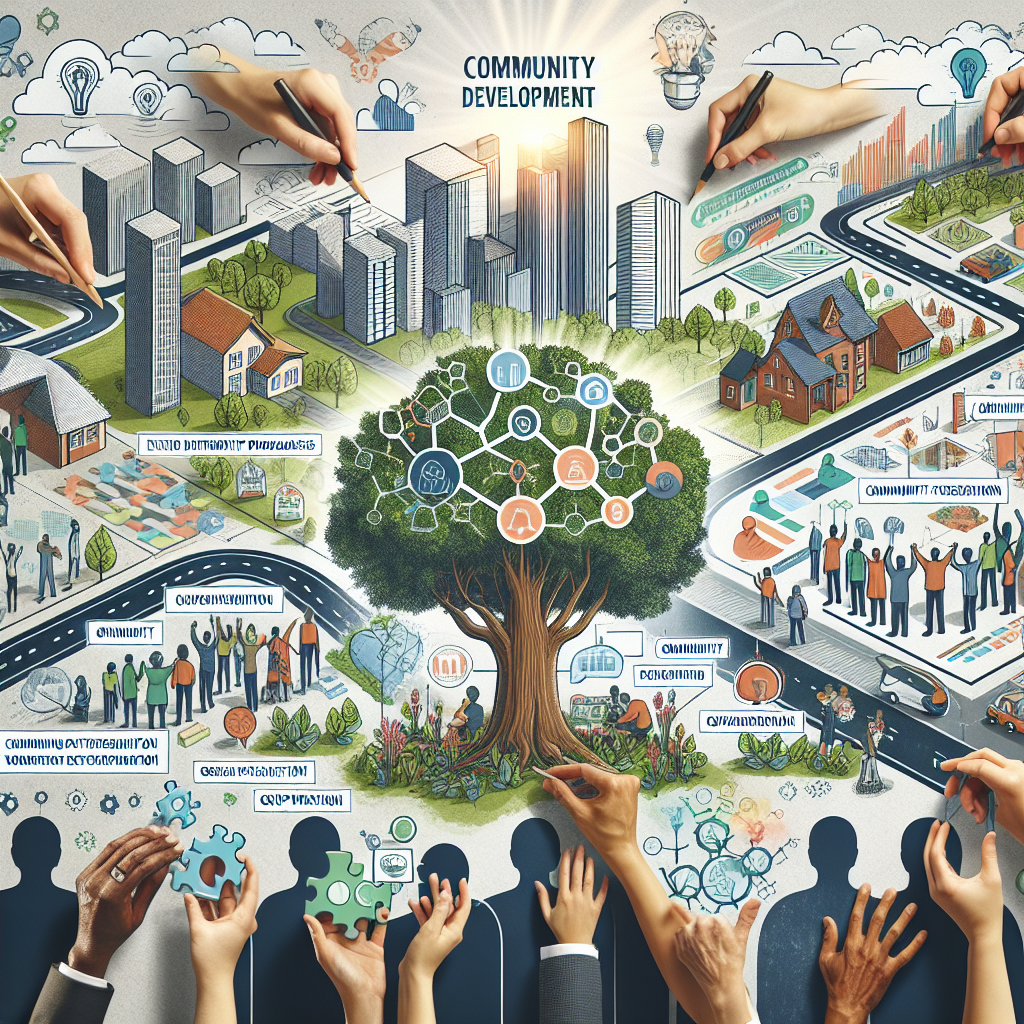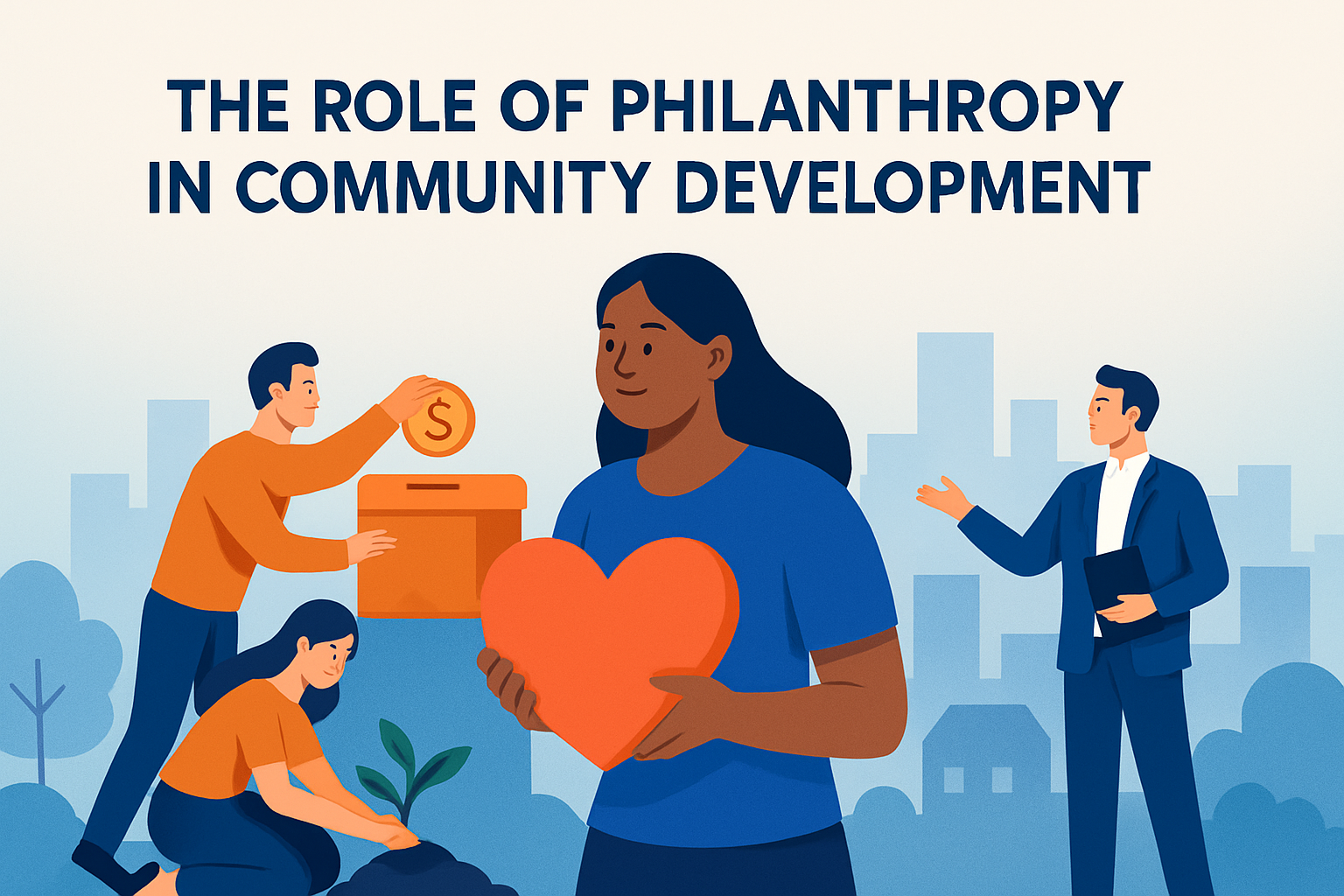
Community development is a crucial process that encompasses the practices and activities aimed at improving the living conditions within a community. Philanthropy, the desire to promote the welfare of others, expressed especially by the generous donation of money to good causes, plays a significant role in community development. This is especially important for under-resourced communities where economic and social challenges are prominent. A community is not just a place where people live, but it is made up of the relationships, interactions, and the shared goals of those who reside within it.
Philanthropy matters greatly to community development because it channels resources—be they financial, human, or intellectual—into initiatives that contribute to sustaining and growing community capacity. Through philanthropy, communities can gain access to funding for projects, education, infrastructure, and essential services that may not be readily available otherwise. As organizations, foundations, and individuals become more involved in philanthropic acts, they can bring about transformative change, fostering not only economic growth but also improving the quality of life for residents in meaningful ways.
Infrastructure and Economic Growth
One of the most visible impacts of philanthropy in community development is in the area of infrastructure and economic growth. Infrastructure development refers to the creation of foundational services and facilities required for an economy to function, including roads, schools, and healthcare facilities. Philanthropy can aid in financing these critical projects, particularly in areas lacking investment.
Consider the case of the Rockefeller Foundation’s involvement in Africa. The foundation initiated and funded multiple infrastructure projects to improve transportation, communication, and energy resources. As a direct result, these efforts have stimulated local economies, increased mobility, and provided local businesses with better access to markets.
Investment in infrastructure not only bolsters economic growth but also enhances the daily lives of everyone in a community. Improved roads reduce travel time and costs, while new schools and hospitals provide education and healthcare necessary for long-term social welfare. The generous contributions from philanthropic organizations can be a catalyst that ignites further investment both from within and outside the community.
Education and Skill Development
Another crucial area where philanthropy plays a pivotal role is in education and skill development. Education equips individuals with the knowledge and skills they require to achieve economic independence and improve their quality of life. Philanthropic investments in education can create scholarships, fund educational institutions, and develop vocational training programs that are tailored to the specific needs of a community.
The Bill & Melinda Gates Foundation is an exemplar of how philanthropic efforts can transform educational opportunities. By investing billions into education, particularly in low-income and underserved communities, they have enabled schools to expand their curriculums, offer advanced training for teachers, and provide students with resources such as technology and books.
- Scholarships for higher education.
- Grants for school infrastructure.
- Support for teacher training programs.
Philanthropy, in this context, facilitates access to education that may have been otherwise out of reach for many, creating a path for individuals to pursue higher education and attain skills applicable in a highly competitive job market. Ultimately, educated individuals are more likely to contribute productively to their communities, making this a sustainable investment into the community’s future.
Healthcare Access and Improvement
Health is a pillar of community development, as it is central to daily life, community well-being, and productivity. Philanthropy plays a critical role in enhancing healthcare access and building a healthier population. Many communities, especially in less-developed areas, lack basic healthcare facilities, suffer from inadequate healthcare services, and face chronic disease issues that are worsening without intervention.
A relevant example is the work of Partners In Health, a nonprofit organization that relies heavily on philanthropic contributions. Their programs, focused on bringing modern healthcare to remote and impoverished areas, have drastically improved the health and well-being of communities in various parts of the world. They provide medical supplies, staff healthcare facilities, and offer preventive health education.
With access to improved healthcare facilities supported by philanthropy, communities experience lower rates of disease, enhanced quality of life, and increased productivity. Philanthropic efforts help bridge gaps where government support may fall short, ensuring that even the most underserved populations can lead healthy lives and have the ability to contribute to society.
Community Empowerment and Civic Engagement
Community empowerment and civic engagement are critical facets of development that philanthropy can substantially enhance. Empowerment involves providing communities with the tools, resources, and confidence they need to pursue their own development agenda, while civic engagement encourages active participation in community decision-making processes.
Philanthropic organizations can fund programs and initiatives that encourage community members to take an active role in self-governance. The Ford Foundation, for example, provides resources to grassroots organizations that focus on community leadership, policy advocacy, and civic participation. Such initiatives not only empower communities but also ensure that development projects reflect the true needs and goals of the residents.
These efforts can lead to more resilient communities with increased social capital. When people are engaged and feel a part of their community’s development, it fosters a sense of ownership and responsibility, leading to sustained growth and improved well-being. Philanthropy supports the creation of these environments by addressing immediate needs while simultaneously ensuring that communities have a voice in shaping their futures.
Sustainable Environmental Practices
Philanthropy has increasingly started to focus on sustainable environmental practices. This includes efforts to combat climate change, promote clean energy, and encourage sustainable agricultural practices. Recognizing the interconnectedness of environment and community development, philanthropic bodies are funding projects that aim to both protect the environment and support local economies.
One example of this is the Patagonia Company, which donates 1% of its sales to the conservation and restoration of the natural environment. Through its ‘1% for the Planet’ campaign, Patagonia supports grassroots environmental groups that address issues like deforestation, water scarcity, and pollution. Such philanthropic efforts encourage communities to adopt environmentally friendly practices that are vital for long-term sustainability.
By directing resources towards these initiatives, philanthropy can help mitigate environmental degradation and promote a balance between ecological preservation and economic development. These practices ensure that community development does not come at the cost of future generations’ ability to meet their own needs, supporting a virtuous cycle of sustainable growth.
Innovative Solutions for Housing
A persistent issue within many communities is the lack of adequate, affordable housing. Philanthropy can drive change by funding innovative solutions that tackle housing shortages and promote urban renewal. With creative approaches and resources, philanthropy can be instrumental in designing housing projects that accommodate growing populations while maintaining affordability and sustainability.
Take for instance the work of the Habitat for Humanity organization. Through generous donations of time, money, and resources, the organization helps to construct affordable housing for low-income families worldwide. They engage in community builds where volunteers work alongside future homeowners, creating a sense of unity and shared purpose.
| Project Name | Year | Location |
|---|---|---|
| Neighborhood Revitalization Initiative | 2020 | Detroit, Michigan |
| Building Better Cities Project | 2019 | Cape Town, South Africa |
| Green Homes for All Campaign | 2021 | Mumbai, India |
Philanthropy in action here does more than just put roofs over heads—it revitalizes communities by boosting property values, reducing crime, and fostering a greater sense of community belonging. By challenging developers to think creatively about space and sustainability, philanthropy supports housing solutions that blend into the greater urban planning strategy and represent the needs of a diversifying population.
Conclusion
The role of philanthropy in community development cannot be overstated. It is a powerful force that channels resources into essential areas such as infrastructure, education, healthcare, empowerment, and environmental sustainability, among others. Philanthropy not only addresses immediate community needs but also lays the groundwork for sustained growth and prosperity.
For every practitioner, policy-maker, or community member engaged in urban planning and housing, it is vital to understand and support philanthropic partnerships. These collaborations can unlock potential and drive progress across various community domains. As readers, the insights gained from philanthropic efforts in community development can inspire you to engage more purposefully, perhaps by contributing resources, advocating for causes, or partnering with organizations that align with your community values and goals.
Now is the time to explore these partnerships and play an active role in leveraging philanthropy for community betterment. Consider contributing to or volunteering with organizations dedicated to making a difference in your area. By focusing on the development of sustainable, healthier, and more equitable communities, the benefits assuredly resonate with current and future generations.
Let us collectively embrace philanthropy as a vital tool for catalyzing change and enrichment in our communities.
Frequently Asked Questions
1. What is the impact of philanthropy on community development?
In many ways, the impact of philanthropy on community development is deeply transformative. Philanthropy brings much-needed financial resources into communities that are often under-resourced, addressing socioeconomic challenges head-on. One of the primary impacts is the enhancement of local infrastructure, such as schools, healthcare facilities, and recreational spaces. Improved infrastructure not only enhances the quality of life for community members but also attracts further investment and development opportunities.
Moreover, philanthropy funds various social programs that contribute to human development, including educational scholarships, job training initiatives, and empowerment workshops. By investing in people’s potential, philanthropy helps individuals gain skills and confidence, leading to economic growth and improved societal well-being.
Philanthropy also acts as a catalyst for social change by supporting community-driven initiatives that tackle pressing social issues. It encourages innovation and experimentation in finding sustainable solutions for problems like poverty, inequality, and environmental degradation. By fostering a sense of ownership and collaboration, philanthropic efforts unite community members to work towards common goals, facilitating holistic community development.
2. How does philanthropy differ from government funding in community development?
While both philanthropy and government funding play pivotal roles in community development, they operate differently in terms of flexibility, scale, and objectives. Philanthropy is often more agile and responsive, as private donors can quickly allocate resources without the bureaucratic hurdles that typically accompany government funding. This allows philanthropic ventures to experiment with innovative approaches and address urgent needs as they arise.
On the other hand, government funding usually involves a structured process with strict regulatory compliance and accountability standards. While this ensures transparency, it can slow down decision-making and limit the ability to take risks. However, government funding is generally more substantial in scale and can provide long-term support that philanthropy alone may not be able to sustain.
Despite these differences, collaboration between philanthropic entities and government bodies is crucial, as it combines the resources and capabilities of both sectors. Such partnerships can lead to more comprehensive strategies that address multifaceted issues within communities, amplifying the impact of development efforts.
3. What role do philanthropists play in fostering community engagement?
Philanthropists play a crucial role in fostering community engagement by empowering local voices and promoting active participation in decision-making processes. By funding community initiatives, philanthropists encourage residents to propose and implement solutions tailored to their unique needs and contexts. This participatory approach strengthens community bonds and builds a sense of ownership and pride among members.
Furthermore, philanthropists often facilitate dialogues and collaborations between various community stakeholders, including local organizations, businesses, and government representatives. By acting as connectors and conveners, they help foster partnerships that enhance resource-sharing and collective problem-solving.
Additionally, philanthropists can lead by example, inspiring others within the community to contribute their time, skills, or resources to local causes. Through their support of volunteer programs, social campaigns, and community events, philanthropists help create more engaged, resilient, and vibrant communities.
4. Can philanthropy address systemic challenges in communities? How?
Yes, philanthropy can address systemic challenges in communities, although it requires a strategic and multifaceted approach. Systemic challenges such as poverty, inequality, and lack of access to quality education often have deep-rooted causes that are intertwined and complex. Effective philanthropic initiatives target these underlying issues by identifying and supporting sustainable, long-term solutions.
For example, philanthropy can fund educational programs that address the achievement gap, providing resources for early childhood education, teacher training, and curriculum development. By enhancing educational opportunities, philanthropy tackles the root cause of income inequality and enables social mobility.
Similarly, philanthropic efforts can support advocacy and policy change, addressing structural barriers that perpetuate systemic challenges. By funding research and campaigns, philanthropists can shine a light on critical issues and influence public policy to promote equity and justice.
Another effective strategy is investing in capacity-building within communities. By strengthening local institutions and developing leadership skills among residents, philanthropy empowers communities to drive their own transformation. In collaboration with other stakeholders, philanthropy can create a supportive ecosystem that dismantles systemic obstacles and paves the way for sustainable development.
5. How can philanthropic organizations ensure accountability and transparency in their community development efforts?
Accountability and transparency are essential for the credibility and effectiveness of philanthropic efforts in community development. To ensure these values are upheld, philanthropic organizations can implement several strategies.
First, setting clear objectives and measurable outcomes for each funded project is crucial. By establishing benchmarks and performance indicators, organizations can track progress and assess the impact of their interventions. Regular reporting and evaluations, whether through in-house assessment teams or external auditors, provide insights into successes and areas for improvement.
Open communication with stakeholders is another key component of transparency. Philanthropic organizations should engage with community members, partners, and donors by sharing updates on projects, financial reports, and lessons learned. Creating forums for feedback encourages stakeholder input and demonstrates a commitment to listening and adapting to community needs.
Finally, adopting ethical practices and governance structures, such as diverse board representation and conflict of interest policies, ensures that decision-making processes are aligned with the community’s best interests. By fostering a culture of accountability and transparency, philanthropic organizations can build trust and legitimacy, enhancing their impact in community development.