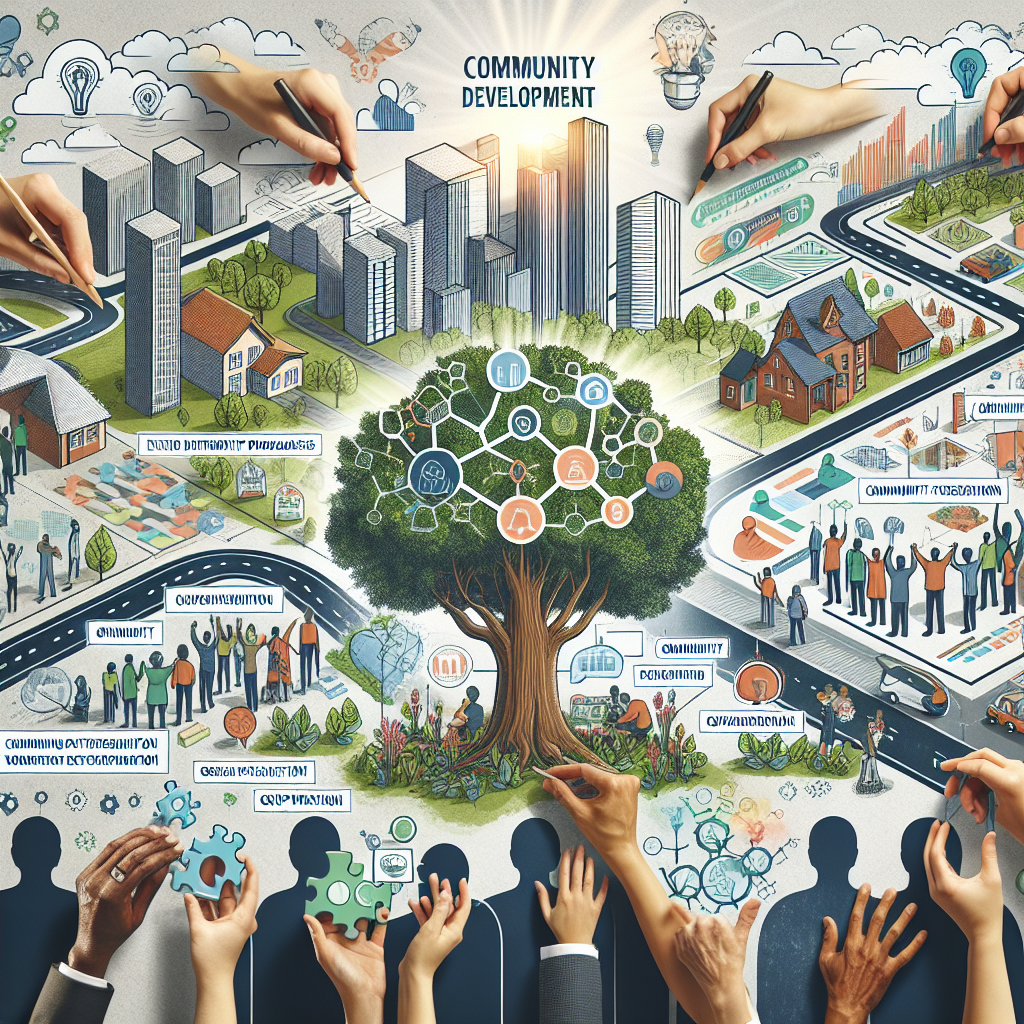
When we speak of development, it’s often in economic or infrastructural terms. However, a critical but sometimes overlooked component is community advocacy. Community advocacy refers to collective efforts by local residents to influence decision-making processes concerning their community. This includes urban planning, housing policies, public transportation systems, and social services. These community-driven initiatives are crucial in shaping development projects to be more inclusive, sustainable, and aligned with the needs of residents. Commonly associated with grassroots movements, community advocacy is increasingly recognized as a vital component of effective and sustainable development strategies. This subject holds immense importance because communities should be at the heart of any development initiative. Projects that lack local input risk being irrelevant or even counterproductive to the very individuals they intend to help.
The relevance of community advocacy in development cannot be overstated. When community voices are heard, the development becomes more equitable and responsive. Community members are often the most knowledgeable about their local context, and tapping into this well of insight can make projects more robust and successful. Furthermore, advocacy helps balance power dynamics, allowing marginalized or less vocal groups to have a seat at the table. As we dive into this topic, we’ll explore how community advocacy can influence housing policies, urban infrastructure, and social equity, thereby enhancing overall development outcomes.
Community Advocacy in Housing Policy
Housing policy has long been a domain where community advocacy can enact significant change. In many cities, residents band together to voice their concerns about rising rents, housing shortages, or gentrification. When communities unite around shared grievances, they become a formidable force for policymakers to reckon with. One notable example is the fight against displacement in San Francisco. As tech companies burgeoned, housing prices skyrocketed, displacing long-time residents. Community advocacy groups mobilized to push for affordable housing measures and tenant protections. They successfully brought about changes like expanded rent control regulations and policies for the construction of more affordable housing units.
This success was largely due to effective community organizing, transparent communication, and persistent lobbying of local officials. San Francisco’s example illustrates that when communities advocate strongly for fair housing policies, they can influence legislative outcomes to better serve their needs. Not only does this benefit those currently displaced or at risk of displacement, but it also ensures that housing policies are more inclusive and sustain socio-economic diversity. This shows how community advocacy in housing is not just about improving physical infrastructure but also about enhancing social well-being and cohesion.
The Impact on Urban Infrastructure
Urban infrastructure encompasses everything from transportation systems to public parks and recreational facilities. Community advocacy in this context involves efforts to ensure these systems are designed with the residents’ needs as a priority. A compelling example can be found in the reshaping of New York City’s streets. At one point, the city faced severe traffic congestion, pollution, and an alarming number of pedestrian accidents. Community advocacy groups worked tirelessly, campaigning for pedestrian-friendly streets and dedicated bicycle lanes. Their efforts culminated in major transformations, such as the pedestrianization of Times Square and the introduction of a city-wide bicycle network.
Real-world impacts included reduced vehicular accidents, improved air quality, and enhanced public spaces that fostered community interaction. This advocacy-driven change underscores the power of communities to create urban spaces that are not only functional but also pleasurable and safe. The shift towards pedestrian-friendly planning has set a precedent, encouraging other cities to follow suit and integrate community feedback in their urban design processes. Thus, community-driven initiatives have been instrumental in creating more livable urban spaces that reflect the collective aspirations of their inhabitants.
Promoting Social Equity Through Advocacy
Community advocacy doesn’t only address concrete issues like housing and infrastructure. It is also a powerful tool for promoting social equity. Advocacy ensures that voices from all societal sectors, especially marginalized groups, are heard and respected. In the context of urban planning, this might involve campaigning for equal access to public resources or challenging discriminatory policies. Consider the example of Flint, Michigan, known for its water crisis. The community’s persistent advocacy brought national attention to the issue and forced governmental accountability. Residents, many from underrepresented groups, effectively highlighted inequities and demanded remedial actions.
Their advocacy resulted in increased federal aid and a commitment to replace contaminated water pipes. In this case, community advocacy achieved tangible change and acted as a catalyst for social justice. This example demonstrates how advocacy is not just about rectifying immediate wrongs but also about fostering a culture of accountability and fairness in policy-making. The broader implication is that advocacy can serve as a critical mechanism for ensuring that urban development embodies principles of justice and inclusivity.
| Aspect | Role of Community Advocacy | Impact |
|---|---|---|
| Housing Policy | Influences fair housing measures and rent regulations | Increased accessibility to affordable housing |
| Urban Infrastructure | Promotes pedestrian and bike-friendly environments | Improved safety and public health |
| Social Equity | Addresses systemic inequalities | Ensures accountability and justice in policies |
Challenges and Opportunities in Community Advocacy
While community advocacy plays a crucial role in development, it is not without its challenges. One significant hurdle is the lack of resources. Advocacy groups often operate on limited budgets, relying on volunteers and charitable donations. This constraint can limit their ability to campaign effectively or sustain long-term initiatives. Additionally, communities may face resistance from powerful stakeholders who have opposing interests. Overcoming these challenges requires strategic planning, robust networks, and sustained community engagement.
However, the opportunities born out of advocacy efforts can be incredibly rewarding. Communities that organize effectively can drive significant systemic change, influencing policy development, resource distribution, and government accountability. For example, Barcelona in Spain has seen success with its local participatory budgeting process, where residents vote on how a portion of public funds should be allocated. This process, born out of community advocacy, empowers residents to have a direct say in their community’s financial decisions, fostering a sense of ownership and responsibility.
Such initiatives highlight the potential of advocacy to transform governance processes and instill democratic values. Additionally, they underscore the role of civic participation as a catalyst for meaningful development. By engaging with their communities and harnessing collective power, advocates can overcome obstacles and create futures that more closely align with community needs and aspirations.
How Technology Enhances Community Advocacy
In today’s digital era, technology has become a formidable ally in the realm of community advocacy. Social media platforms, online petitions, and virtual town hall meetings facilitate more comprehensive and inclusive engagement with broader audiences. This technological intervention allows advocacy groups to amplify their message quickly and efficiently, garnering support from like-minded individuals both locally and globally. A pertinent case is the “Fridays for Future” movement, initially spearheaded by environmentally concerned students.
Through effective use of social media channels, the movement grew into an international campaign advocating for climate change policies. The ease with which messages are shared and coordinated online demonstrates how technology can break geographic barriers, enabling a global dialogue on pressing issues. For housing and urban planning, leveraging these tools means that more voices can be integrated into discussions and that development plans can reflect diverse perspectives.
The takeaway here is that digital advocacy supports more agile and inclusive approaches to community engagement. It grants platforms to voices that may otherwise remain unheard due to traditional structural constraints. Therefore, the marriage of technology and community advocacy offers expansive possibilities for achieving equitable and sustainable development goals.
Conclusion: Embrace Community Advocacy for Brighter Futures
Community advocacy is a multifaceted tool that empowers residents to take an active role in shaping their environments and futures. By engaging in housing policy, urban infrastructure, and social equity initiatives, communities can drive positive and transformative change, creating spaces that genuinely reflect their values and needs. As we’ve seen, community advocacy is not limited to merely voicing concerns; it involves strategic actions that challenge existing power dynamics and promote inclusive practices.
For readers, the message is clear: get involved. Whether it’s attending local town hall meetings, participating in community planning sessions, or supporting grassroots initiatives, each action contributes to broader advocacy efforts. It may also mean leveraging technology to amplify your voice and reach wider audiences, thereby increasing the impact of your advocacy efforts. By championing community-centered development, you promote a more equitable, inclusive, and sustainable future.
Let us move forward with a renewed understanding of community advocacy’s role in development. It’s not just about transforming physical spaces; it’s about nurturing empowered communities who actively participate in crafting their own futures. Together, we can build societies that value every voice and prioritize the well-being of all its members. Embrace this role, make your voice heard, and foster change that benefits everyone.
Frequently Asked Questions
1. What is community advocacy in the context of development?
Community advocacy in the context of development refers to the proactive and organized efforts by local residents and community groups to have a say in the decision-making processes affecting their local areas. This goes beyond economic or infrastructural development and includes important aspects such as urban planning, housing policies, public transportation systems, and social services. Community advocacy aims to ensure that development projects are inclusive, sustainable, and reflective of the community’s needs and priorities. By engaging in advocacy, communities can work to ensure that their voices are heard and that their unique perspectives are considered in policy-making and development initiatives, ultimately leading to outcomes that are beneficial for all residents.
2. Why is community advocacy important in development projects?
Community advocacy is critical in development projects for several reasons. First, it empowers residents to actively participate in shaping the future of their communities, ensuring that their needs and concerns are addressed. This engagement fosters a sense of ownership and responsibility among community members, leading to more sustainable projects. Second, it helps to identify and rectify inequalities or gaps in proposed developments, making them more inclusive and equitable. Without input from those who will be directly impacted by development, projects may overlook important cultural, social, or environmental factors. Lastly, community advocacy can enhance transparency and accountability in development processes, encouraging decision-makers to consider diverse perspectives and prioritize public interest over other influences.
3. How can a community start advocating for its development?
A community can begin advocating for its development by first organizing itself and identifying key priority areas—whether these involve housing, transportation, education, or another critical aspect of community life. Creating a community group or forming partnerships with existing neighborhood associations, local NGOs, or civic organizations is a good starting point. Involving a diverse range of voices, including those from underrepresented or marginalized groups, is essential to ensure comprehensive representation. Community advocacy also benefits from building relationships with local government officials and stakeholders, attending public meetings, and participating in consultations and review processes. Additionally, utilizing social media platforms and local media can raise awareness and support for the community’s goals. Collectively, these actions build a strong platform for advocacy efforts, allowing the community to effectively influence development policies and projects.
4. What challenges do communities face in the advocacy process?
Communities often face several challenges in the advocacy process. One significant obstacle is the lack of access to resources, such as funding and expertise, which can limit their capacity to organize and influence effectively. Additionally, there may be power imbalances between community groups and powerful stakeholders, such as developers or political leaders, which can hinder the advocacy process. Another challenge is the complexity of bureaucratic processes and regulations that can be difficult for community advocates to navigate without professional guidance. Furthermore, ensuring consistent and inclusive participation from a diverse range of community members can be challenging, especially if there are linguistic, cultural, or socioeconomic barriers. Finally, sustaining momentum and keeping advocacy efforts ongoing over the long term requires dedication and commitment, which can be taxing on community members.
5. What are some successful examples of community advocacy in development?
There are numerous successful examples of community advocacy in development worldwide. One notable case is the People’s Plan Campaign in Kerala, India, where local communities actively participated in decentralized planning and governance, significantly influencing the allocation of resources and the design of development programs. Another example is the work of the Dudley Street Neighborhood Initiative (DSNI) in Boston, Massachusetts, which exemplifies community-led urban revitalization. DSNI successfully mobilized local residents to reclaim vacant land and develop community-controlled housing, parks, and economic resources. In South Africa, grassroots movements like Abahlali baseMjondolo have played a significant role in advocating for the rights of shack dwellers, influencing housing policies, and challenging evictions. These examples demonstrate the power and effectiveness of community advocacy in shaping development outcomes that are equitable, sustainable, and reflective of local needs and aspirations.