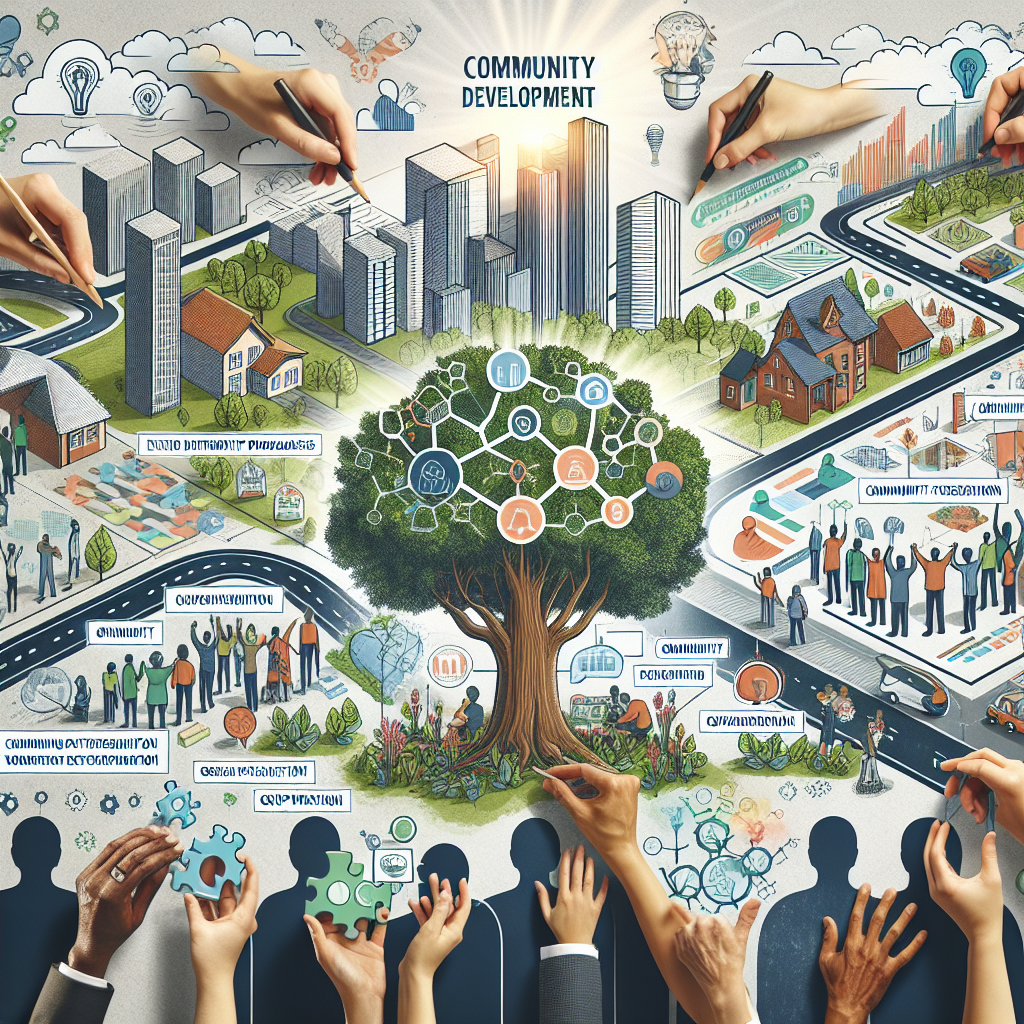
Community development and neighborhood safety are two interconnected concepts that play a significant role in shaping the quality of life for residents in urban and suburban areas. Understanding these terms, their relevance, and how they contribute towards thriving communities is crucial for urban planners, policymakers, and residents alike. Community development refers to a planned effort to build a vibrant, healthy, and sustainable community through economic, social, and cultural initiatives. It focuses on empowering residents by fostering collaboration and engagement to address local challenges collectively. On the other hand, neighborhood safety pertains to the measures and conditions that ensure the protection and well-being of community members from crime, accidents, and hazards.
These concepts matter because a well-developed community with a strong sense of safety promotes social cohesion, attracts investment, and improves the overall quality of life. Safe neighborhoods encourage residents to engage in outdoor activities, reduce stress levels, and contribute to a healthier environment. Furthermore, when people feel safe, they are more likely to participate in community events and initiatives, fostering a sense of belonging and unity. In this article, we will explore how community development initiatives enhance neighborhood safety and contribute to creating vibrant, sustainable, and prosperous communities.
The Role of Urban Planning in Community Safety
Urban planning plays a pivotal role in enhancing community safety by designing spaces that prevent crime, increase accessibility, and foster positive social interactions. Effective urban planning considers various factors such as lighting, open spaces, walkability, and land use to create safe and inclusive environments. For instance, well-lit streets and public spaces can deter criminal activities and increase the sense of security among residents. Moreover, ensuring that neighborhoods are pedestrian-friendly encourages foot traffic, which can discourage crime through increased surveillance by community members.
An iconic example of successful urban planning is the transformation of New York City’s Times Square. Once infamously known for its high crime rates and unsafe conditions, strategic urban renewal projects focused on improving lighting, increasing police presence, and redesigning public spaces. As a result, Times Square became a vibrant, bustling area attracting both tourists and locals, significantly improving the neighborhood’s safety and boosting economic activities. Therefore, well-thought-out urban planning can play a vital role in creating safe, engaging, and economically thriving communities.
The Impact of Community Engagement on Neighborhood Safety
Community engagement is another crucial factor that influences neighborhood safety. When residents actively participate in community activities, neighborhood watch programs, and local decision-making processes, they develop a sense of ownership and responsibility for their surroundings. A community where residents know one another is more likely to experience reduced crime rates, as people are more inclined to look out for each other and report suspicious activities. In turn, this creates a self-sustaining cycle of safety and trust among community members.
Consider the example of community gardens in urban neighborhoods. These gardens not only beautify areas but also bring residents together, fostering relationships and creating a shared sense of community. By working side-by-side, neighbors build trust and communication, which are essential elements of a safe neighborhood. Additionally, community gardens can reduce crime by occupying unused spaces that might otherwise be potential hotspots for illegal activities. Through active participation and collaboration, residents can significantly enhance neighborhood safety while simultaneously improving their quality of life.
Economic Development as a Catalyst for Safety
Economic development is a powerful catalyst for enhancing neighborhood safety. By improving economic opportunities, such as through job creation and business growth, communities can address the root causes of crime, including unemployment and poverty. When people have access to stable employment and resources, they are less likely to resort to illegal activities out of necessity. Moreover, economically prosperous communities often have the means to invest in infrastructure, public services, and safety measures that contribute to an overall sense of security.
A notable example of this correlation is the revitalization of Pittsburgh, Pennsylvania. Once a declining steel town, Pittsburgh underwent a remarkable economic transformation through initiatives focused on technology, healthcare, and education sectors. This economic shift not only created jobs but also improved the city’s infrastructure and public services. The reduced crime rates and enhanced sense of safety in the city underscore the importance of economic development in fostering secure and thriving neighborhoods.
The Role of Social Services in Supporting Community Safety
Social services play a vital role in supporting community development and enhancing neighborhood safety. These services, which include access to mental health resources, housing assistance, and youth programs, address some of the underlying social issues that contribute to crime and insecurity. By providing support to vulnerable populations, social services can prevent individuals from engaging in criminal activities and help reintegrate those who may have experienced legal troubles back into the community.
The Crime and Justice Institute’s work with cities like Camden, New Jersey, exemplifies the impact of social services on community safety. Camden’s significant investment in social programs focused on youth development, substance abuse prevention, and employment training led to a 40% reduction in overall crime rates. This success story highlights how addressing social and economic disparities through comprehensive social services can significantly improve neighborhood safety and community resilience.
The Importance of Collaborative Partnerships
Collaborative partnerships between various stakeholders are essential for effective community development and neighborhood safety. These partnerships can involve local government agencies, non-profit organizations, businesses, law enforcement, and residents working together towards shared goals. By leveraging diverse resources and expertise, communities can design and implement comprehensive strategies that address safety concerns and promote sustainable development.
An example of successful collaboration is the Boston TenPoint Coalition, which unites religious leaders, community organizations, law enforcement, and residents to address youth violence in Boston neighborhoods. Through joint efforts, the coalition has developed programs that offer mentorship, conflict resolution, and educational support for at-risk youth. The outcome of these collaborative efforts is a notable reduction in violence and an increase in community cohesion, illustrating the power of collective action in achieving neighborhood safety and development goals.
| Strategy | Example | Impact |
|---|---|---|
| Urban Planning | Times Square, NYC | Boost in safety and economic activity |
| Community Engagement | Community Gardens | Increased trust and reduced crime |
| Economic Development | Pittsburgh, PA | Improved safety and infrastructure |
| Social Services | Camden, NJ | 40% reduction in crime |
| Collaborative Partnerships | Boston TenPoint Coalition | Reduction in youth violence |
Conclusion: Building Safer, Vibrant Communities Together
In summary, the integration of community development and neighborhood safety is paramount for fostering environments where residents can thrive. Urban planning, community engagement, economic development, social services, and collaborative partnerships are all vital pillars that support the growth of safe and sustainable communities. Each strategy contributes uniquely to addressing the multifaceted challenges of urban living while ensuring that residents feel secure and supported.
For individuals, engaging in local community activities, participating in neighborhood watch programs, and advocating for policy changes can be effective steps toward enhancing neighborhood safety. Urban planners and policymakers can focus on inclusive development strategies, prioritizing investments in public services and infrastructure that benefit the community as a whole. As communities work together to implement these practices, they not only improve safety but also build stronger, more resilient neighborhoods where everyone can enjoy a higher quality of life.
Now is the time to take action—whether by joining a local community group, advocating for policy changes, or participating in urban planning initiatives. Together, we can create safer, more vibrant communities that reflect the needs and aspirations of all residents.
Frequently Asked Questions
1. What is community development, and why is it important?
Community development is a process where community members come together to take collective action and generate solutions to common problems. It is crucial because it not only helps in building a vibrant and sustainable community but also fosters economic growth, social stability, and cultural richness. Community development initiatives often focus on economic revitalization, improving public spaces, housing development, health services, and cultural activities. These projects are designed to uplift the community, provide opportunities, enhance the quality of life, and ensure a safe, inclusive environment for all residents.
The importance of community development can’t be overstated. It encourages civic engagement and empowerment by allowing residents to have a say in decisions affecting their neighborhoods. When residents are involved in the development process, it leads to a stronger sense of ownership and pride in their area. Over time, these efforts help reduce poverty, crime, and other social ills while promoting education, employment opportunities, and better health outcomes. Effective community development can transform neighborhoods into thriving areas where people live, work, and play harmoniously.
2. How does community development contribute to neighborhood safety?
Community development and neighborhood safety are intricately linked. By fostering strong and resilient communities, development initiatives play a pivotal role in enhancing safety. When communities are engaged and invested in their development, they create an environment where crime and disorder are less likely to take root. Safety is improved through various aspects of community development:
- Economic Opportunities: By creating jobs and boosting local economies, community development reduces poverty and economic desperation, which are often precursors to crime.
- Social Cohesion: Initiatives that bring people together—such as community centers, events, or social programs—foster trust and cooperation among residents, which acts as a deterrent to crime.
- Improved Infrastructure: By improving lighting, public parks, and roads, communities can reduce the likelihood of crime and accidents, making neighborhoods safer for all.
- Empowerment and Education: Educational programs and community policing efforts foster an informed public, better equipped to prevent and address crime and safety concerns.
In essence, community development creates a virtuous cycle where thriving communities are better protected, and safer neighborhoods encourage further development and investment.
3. Who is responsible for community development?
Community development is a collaborative effort involving multiple stakeholders. No single entity can take on community development alone, as it requires the collective expertise, resources, and commitment of various participants. Key players include:
- Local Government: City officials and local government bodies often spearhead development projects. They provide funding, create policies, and collaborate with other stakeholders to ensure projects align with broader urban planning goals.
- Community Organizations: Non-profits and grassroots organizations are deeply embedded in communities and can effectively advocate for their needs and priorities. They often engage residents in participatory processes and implement localized solutions.
- Residents: Local residents are arguably the most crucial players. Their needs, input, and participation shape development initiatives at every step. They offer valuable insights that ensure projects reflect community needs and aspirations.
- Private Sector: Businesses and developers provide capital, create jobs, and often partner with public entities to undertake large-scale development projects.
- Policymakers and Urban Planners: They design the blueprints for development, ensuring that projects are sustainable, inclusive, and integrated with broader city planning efforts.
Collaboration among these parties ensures that community development is comprehensive, fair, and sustainable, ultimately resulting in neighborhoods that are vibrant and safe for everyone.
4. What challenges do communities face in achieving development and safety goals?
Despite the best efforts of involved stakeholders, communities often face numerous challenges in achieving their development and safety objectives. These challenges include:
- Limited Funding: Financial constraints can delay or limit the scope of development projects. Access to funds from government bodies, private investors, or grant programs is essential for execution.
- Stakeholder Coordination: Ensuring alignment and effective communication between various stakeholders can be challenging. Diverse perspectives might lead to conflicting priorities, complicating decision-making processes.
- Population Dynamics: Urban areas often experience rapid population growth or shifts, leading to the demand for services and infrastructure that outpace development efforts.
- Cultural Barriers: Communities are often diverse, comprising individuals from different cultural backgrounds. Ensuring that development efforts cater inclusively to all groups requires thoughtful planning and engagement.
- Policy and Regulatory Hurdles: Stringent zoning laws, bureaucratic red tape, or outdated policies can hinder the progress of development projects. Navigating these complexities requires persistence and ingenuity.
- Socioeconomic Disparities: Addressing the needs of underprivileged populations can be challenging, as there may be significant gaps in socioeconomic stability, access to resources, or representation in development processes.
Overcoming these challenges requires innovative approaches, robust policy support, and the relentless commitment of all stakeholders involved in community development.
5. How can residents get involved in community development and neighborhood safety efforts?
Resident involvement is the cornerstone of successful community development and safety initiatives. Here are some ways residents can actively participate:
- Join Local Meetings and Committees: Attend public meetings, town halls, or join neighborhood watch groups or community boards to stay informed and contribute to discussions that shape your community.
- Engage in Volunteer Opportunities: Many development projects rely on volunteer support, whether for organizing events, beautifying public spaces, or helping local charities. Volunteering builds social cohesion and strengthens community networks.
- Advocacy and Feedback: Residents can advocate for specific needs or changes by reaching out to local representatives, participating in surveys, or starting petitions. Providing constructive feedback helps ensure development aligns with community priorities.
- Educate Yourself and Neighbors: Staying informed about community issues and sharing this knowledge encourages collective understanding and action. Organize or attend workshops or info-sessions on development plans or safety measures.
- Support Local Businesses: Patronizing neighborhood businesses not only boosts local economic development but also fosters a supportive community atmosphere.
When residents actively participate in community development, they take ownership of their shared environment, helping create a more vibrant, safe, and inclusive neighborhood.