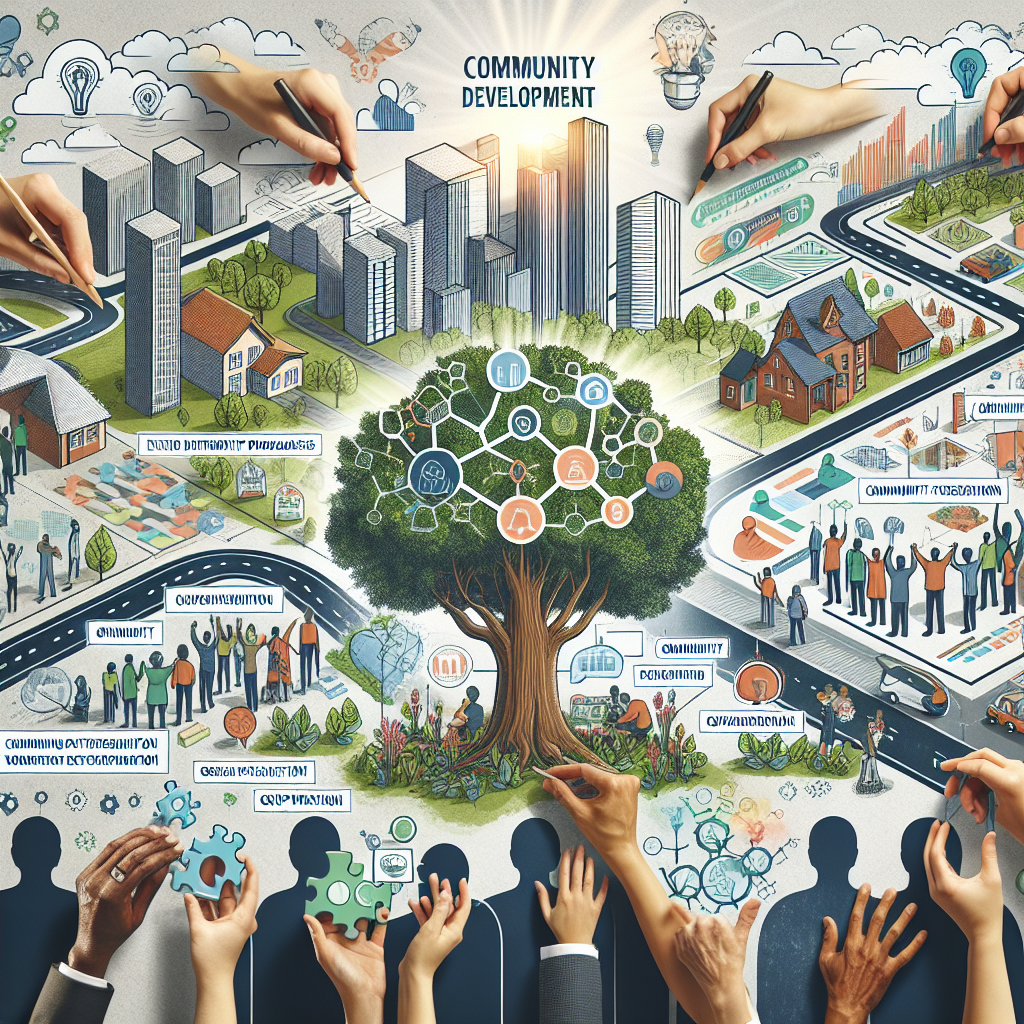
Community development is a multifaceted field that aims to improve the well-being of individuals through comprehensive and inclusive strategies. While its primary focus often falls on economic growth, infrastructure, and social services, a crucial yet frequently overlooked aspect is its impact on mental health. Mental health does not exist in isolation; it is deeply interwoven with community dynamics, environmental quality, and social relationships. Understanding the profound connection between community development and mental health offers valuable insights into creating thriving, resilient communities.
Understanding Community Development
Community development encompasses a range of activities, programs, and policies designed to promote overall well-being in local communities. It includes economic initiatives such as job creation, affordable housing programs, and capacity-building. It also involves improving access to healthcare, education, and recreational facilities. At its core, community development aims to create equitable and inclusive environments where all members can thrive.
Effective community development requires more than just physical infrastructure. It demands strong community engagement, where residents actively participate in planning and decision-making processes. Collaborative efforts help identify the community’s unique needs, resulting in more tailored and sustainable outcomes. The ripple effect of these initiatives often reaches far beyond economic benefits, contributing significantly to the mental and emotional well-being of the community members.
The Link Between Environment and Mental Health
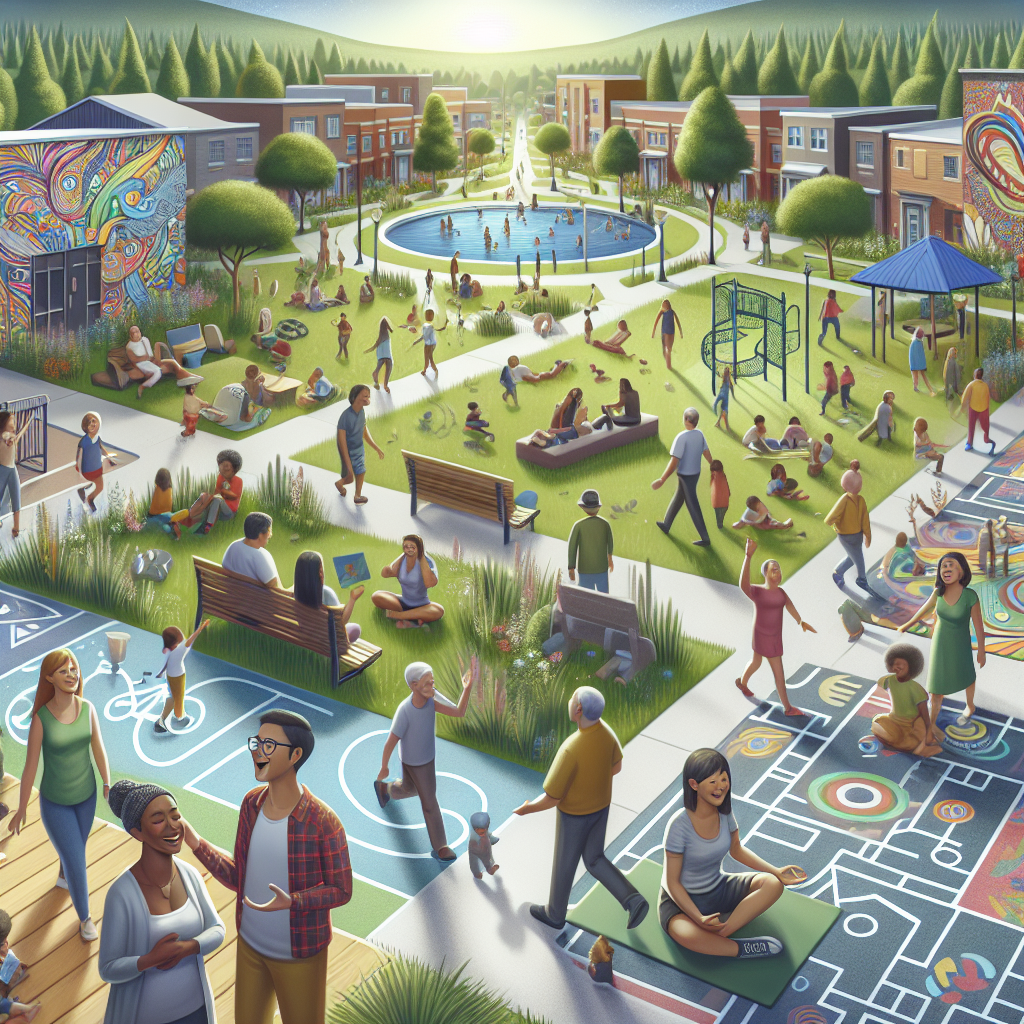
The environment we live in profoundly impacts our mental health. Community development projects that prioritize green spaces, pedestrian-friendly areas, and aesthetically pleasing public spaces contribute to a sense of well-being among residents. Access to parks and recreational facilities encourages physical activity, social interaction, and a connection to nature—factors that are known to boost mental health.
Conversely, poorly planned urban spaces can contribute to feelings of congestion, isolation, and stress. Research shows that individuals living in areas with limited green spaces and high levels of pollution are more likely to experience mental health issues such as anxiety and depression. By focusing on improving environmental factors, community development can create havens that foster mental well-being and resilience.
Social Cohesion and Mental Health
One of the most significant benefits of robust community development is the promotion of social cohesion. When communities are well-developed, with ample shared spaces and opportunities for interaction, residents are more likely to form strong social bonds. These connections are a critical component of mental health, providing emotional support, a sense of belonging, and collective resilience.
Social isolation, on the other hand, is a significant risk factor for mental health issues. Community development projects that create inclusive, accessible spaces encourage interactions among diverse groups. Initiatives like community centers, cultural festivals, and neighborhood meetings foster connections and help build a network of support that enhances the quality of life.
Economic Stability and Mental Health
Economic stability is another pillar of mental health. Job insecurity, poverty, and financial stress are significant contributors to mental health issues. Community development that focuses on creating job opportunities, supporting local businesses, and providing resources for skill development can elevate the economic status of residents.
Having a stable income and economic security reduces stress and anxiety, giving individuals the freedom to focus on personal growth and well-being. Programs that include financial literacy, vocational training, and small business support not only enhance the local economy but also contribute to residents’ mental health by providing a sense of purpose and achievement.
Access to Mental Health Services
While improving the broader aspects of community life is essential, direct access to mental health services remains crucial. Community development should include the establishment of accessible healthcare facilities, including mental health services. This approach ensures that those in need receive timely support and treatment.
Integrated healthcare models where primary care and mental health services are co-located can significantly improve outcomes. By addressing mental health within the community context, development projects can reduce stigma and make seeking help more acceptable. Collaborative efforts with local governments and healthcare providers can result in comprehensive care options tailored to the community’s unique needs.
Empowerment and Participation
Active participation in community development empowers residents, giving them a sense of control over their environment and future. When individuals feel they have a voice and can effect change, their mental well-being is positively impacted. Empowerment strategies can include volunteer opportunities, community leadership programs, and participatory planning sessions.
Seeing the tangible results of their efforts, such as improved parks, successful local businesses, or effective community programs, fosters a sense of pride and accomplishment among residents. This collective participatory process builds an empowered community where mental well-being is nurtured through shared goals and mutual support.
Conclusion: Building Healthier Communities Through Integrated Development
Community development’s impact on mental health is profound and multifaceted. By creating environments that promote physical well-being, social cohesion, economic stability, and access to mental health services, we can address many of the factors that contribute to mental health problems. Integrated approaches that consider the community’s environment, social dynamics, and economic conditions foster more resilient and healthier populations.
Moving forward, urban planners, policymakers, and community leaders must prioritize mental health as a key component of community development. This shift in focus can lead to more comprehensive and sustainable growth, transforming communities into spaces where all residents can thrive. By recognizing the interconnectedness of our built environments and mental health, we pave the way for a future where community development is synonymous with holistic, inclusive well-being.
Creating a balance between economic, social, and health-related goals ensures that community development efforts yield long-lasting, positive outcomes. Through collaborative and strategic efforts, we can build communities that support mental health and, by extension, enhance the quality of life for all residents.