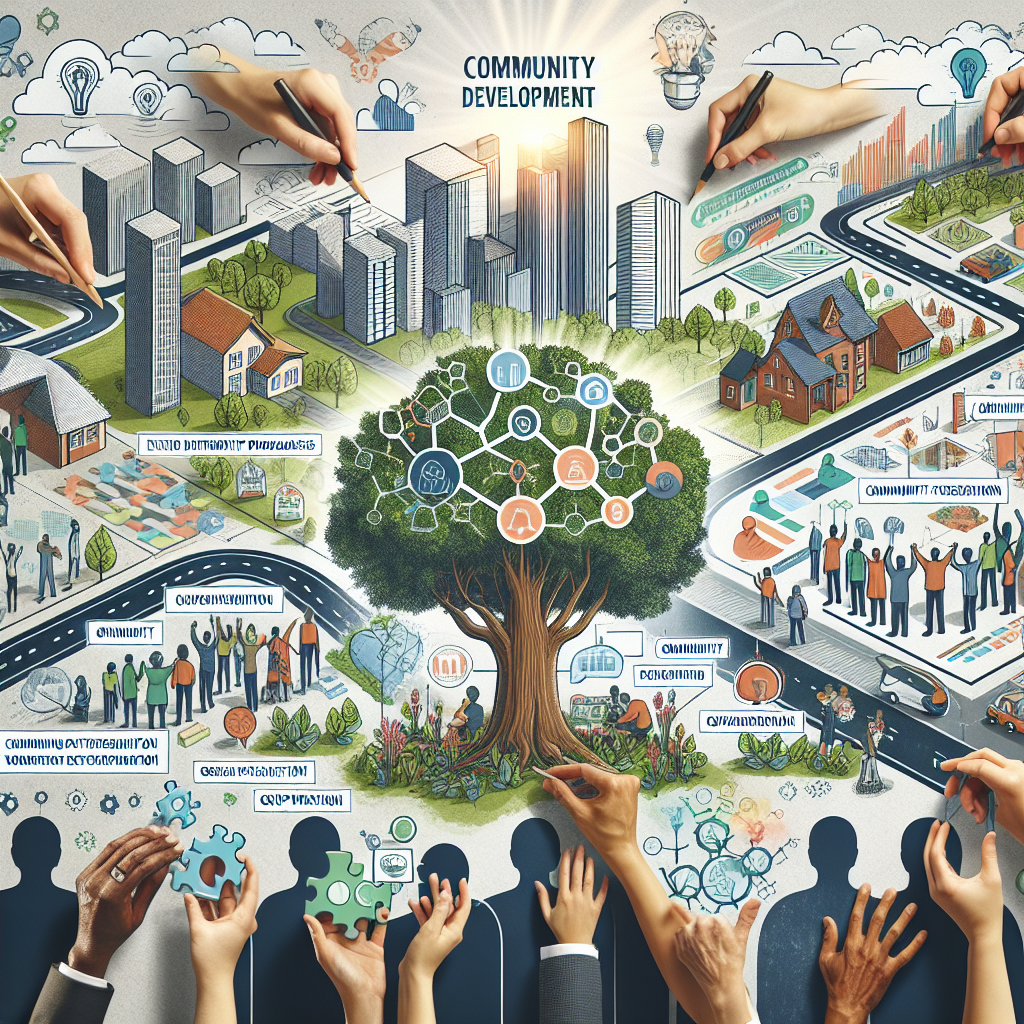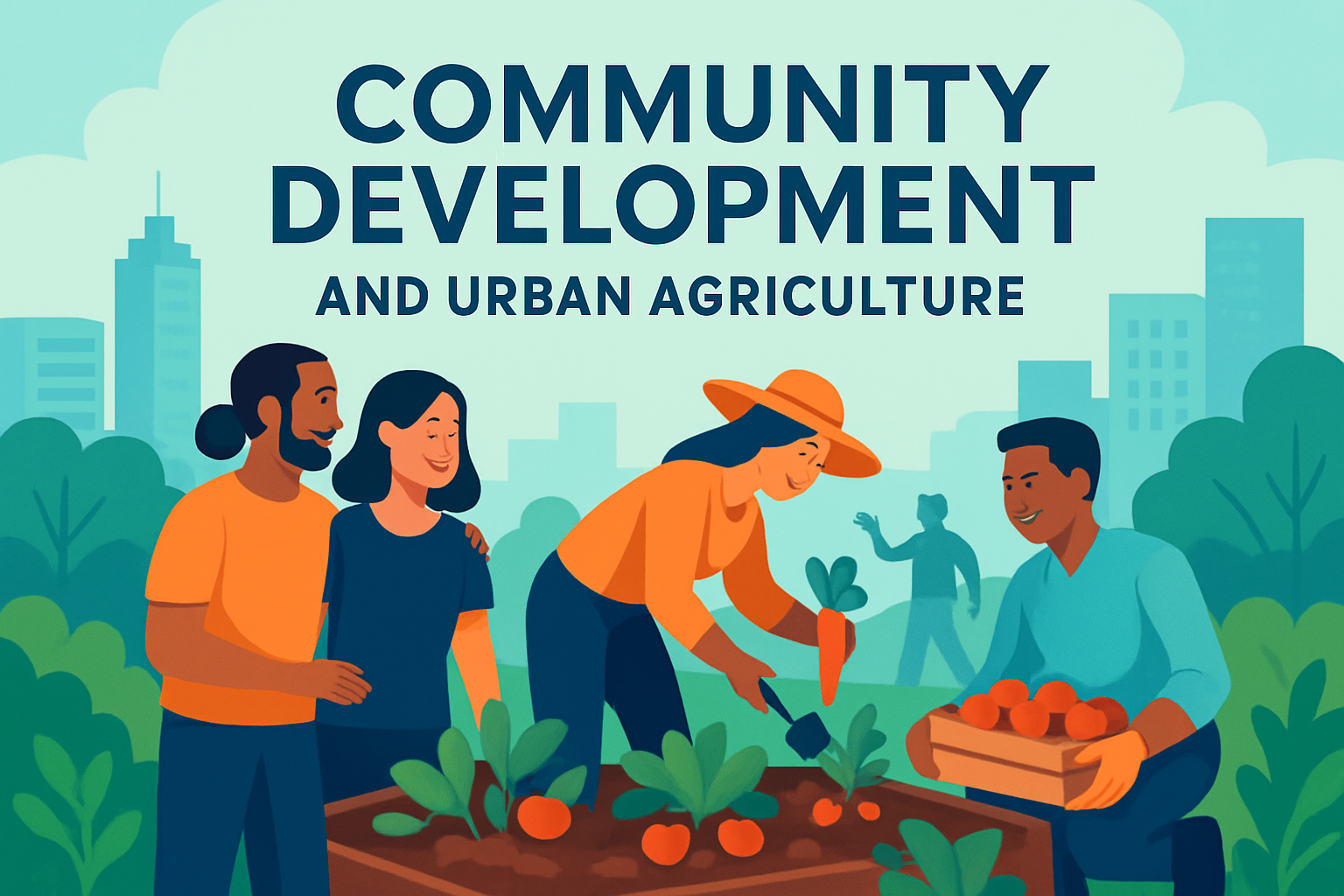
Community development is a process of helping communities enhance their social, economic, and environmental conditions. It involves engaging members to identify common issues and work toward solutions that promote collective well-being. Urban agriculture, a subset of community development, refers to growing, processing, and distributing food in an urban setting. These two concepts go hand in hand, as urban agriculture can be a powerful tool in improving both community cohesion and food security.
Urban agriculture increasingly matters in today’s world because it addresses some pressing urban challenges. Cities face issues like food deserts, unemployment, and environmental degradation. By integrating agriculture into urban areas, communities can access fresh produce, create jobs, and foster environmentally sustainable practices. Urban agriculture is not merely about farming; it’s about building vibrant, resilient communities capable of thriving in modern urban environments.
Transforming Food Deserts with Urban Agriculture
A food desert is an area, typically in a city, where access to affordable and healthy food is limited or non-existent. Such areas make it difficult for residents to maintain a nutritious diet, which can lead to various health problems. Urban agriculture serves as an effective remedy by transforming underutilized spaces into areas where fresh produce can be grown and sold locally.
For instance, Detroit, Michigan, once a thriving manufacturing hub, has faced significant economic downturns. This has led to numerous food deserts across the city. Organizations like the Detroit Black Community Food Security Network (DBCFSN) use urban agriculture to tackle this issue. They have established urban farms that supply fresh produce to local residents, effectively filling the nutritional void in these communities while also creating jobs and promoting agri-entrepreneurship.
Through urban agriculture, residents of food deserts not only gain access to healthier food options but also become more engaged with their community. They participate in the cultivation process, gain knowledge about nutrition, and improve their overall quality of life.
Boosting Local Economies through Community Gardens
Community gardens are shared spaces where individuals come together to cultivate plants, including vegetables, flowers, and herbs. These gardens can serve as a powerful driver for local economic development by creating opportunities for entrepreneurship and education.
A compelling example of this can be found in New York City’s GreenThumb program, the largest community gardening program in the United States. GreenThumb supports over 600 gardens, which not only provide fresh food to urban areas but also generate economic opportunities for members. These gardens host farmers’ markets, educational workshops, and seasonal events that stimulate local economies.
The economic benefits of such initiatives are clear: lower food costs, new business opportunities, and a strengthened sense of community. Participants gain skills that improve employment prospects, and profits from the gardens often reinvest into local infrastructure, further cycling wealth through the community.
Urban Agriculture and Environmental Sustainability
Another crucial advantage of urban agriculture is its role in promoting environmental sustainability. By integrating agriculture into cities, communities can reduce their carbon footprint and enhance biodiversity. Urban farming practices often utilize sustainable techniques such as composting, rainwater harvesting, and permaculture, all contributing positively to the urban ecosystem.
Consider Chicago’s Green Roof Initiative, which includes urban farming projects designed to mitigate the heat island effect prevalent in dense urban areas. These farms not only produce local food but also reduce the city’s energy costs by providing insulation. Furthermore, they improve air quality and offer habitats for urban wildlife.
By incorporating greener technologies, cities manage waste more efficiently and lower pollution levels. Urban agriculture thus becomes a crucial element in a city’s environmental management strategy, fostering a healthier and more sustainable urban living space.
Building Social Cohesion and Empowering Communities
Urban agriculture does more than provide food and economic benefits; it builds social cohesion. Community gardens and urban farms become centers of social interaction where diverse groups, often from various backgrounds, work side by side toward a common goal.
An illustrative example is Los Angeles, California’s South Central Farm, once the largest urban farm in the country. Although faced with the challenge of eviction, the farm played a pivotal role in uniting the community. It served as a meeting ground for local residents, fostering connections and mutual support networks. Despite its closure, the legacy of the farm has led to ongoing advocacy for urban agricultural spaces in the city.
Through urban agriculture, individuals acquire leadership, negotiation, and conflict resolution skills while reinforcing community solidarity. Such sites often become venues for cultural exchange and educational activities, where communities learn about each other’s histories and celebrate their shared commitment to improving their neighborhood.
Below is a table that summarizes the benefits of urban agriculture:
| Aspect | Benefits |
|---|---|
| Food Security | Access to fresh produce, reduction of food deserts |
| Local Economy | Job creation, entrepreneurship opportunities |
| Environmental Impact | Reduces carbon footprint, supports biodiversity |
| Social Cohesion | Builds community, promotes cultural exchange |
Future Potential and Innovations in Urban Agriculture
Urban agriculture continues to evolve with technological innovations and creative solutions designed to maximize yield and sustainability in small urban spaces. Vertical farms and hydroponic systems exemplify this trend. These cutting-edge innovations allow for farming in buildings, using water-based, soil-free techniques to grow crops year-round.
BrightFarms, a company operating on this frontier, has established greenhouses on urban rooftops and vacant lots throughout various U.S. cities. By employing hydroponic systems, they provide fresh produce with minimal land use, reduced water consumption, and negligible transportation emissions, positioning themselves as a viable industrial agriculture alternative.
Urban agriculture holds significant future potential, thanks to continuous advancements in technology and shifts toward sustainable urban development. Cities of the future could increasingly integrate food production into urban planning, shaping development policies that prioritize community resilience and ecological sustainability.
Conclusion: Embracing Urban Agriculture
Urban agriculture serves as a tool for revitalizing communities and achieving sustainable urban development. It empowers citizens by addressing challenges such as food scarcity, unemployment, and environmental issues. Community gardens and urban farms foster economic growth and create a shared space for interaction and collaboration, enhancing social cohesion.
As urban areas expand, it is crucial to embrace innovative solutions that support sustainable growth. Urban agriculture offers a pathway to doing just that. By investing in urban farming projects, cities can revitalize underutilized spaces, bring fresh food to underserved areas, and create a community-driven environment supporting diverse social, economic, and environmental goals.
With these benefits in mind, it’s time to take action. Local governments, community groups, and citizens should consider starting or supporting urban agriculture initiatives. The first step could be setting up a community garden or advocating for urban agriculture-friendly policies. Such efforts will not only strengthen individual communities but will also contribute to the broader goal of creating sustainable, thriving urban environments.
Frequently Asked Questions
1. What is community development and how does it relate to urban agriculture?
Community development is an inclusive process aimed at improving various aspects like the social, economic, and environmental conditions of a community. It fundamentally revolves around engaging community members to identify common issues, fostering collective efforts and decision-making to work toward holistic and sustainable solutions. When it comes to urban agriculture, this is an integral part of community development, particularly in urban settings. Urban agriculture involves the cultivation, processing, and distribution of food in city’s landscapes. The relationship between community development and urban agriculture is symbiotic; urban agriculture projects not only provide fresh produce and contribute to local food security but also propel community cohesion. By creating green spaces in cities, they transform empty lots and rooftops into vibrant gardens, which become community hubs where people connect, learn, and grow both literally and figuratively. Urban agriculture becomes a tool that galvanizes the community to address food deserts, to offer educational opportunities about sustainable practices, and to improve overall urban well-being.
2. How can urban agriculture improve food security in urban communities?
Improving food security is one of the most significant benefits of urban agriculture. Food security refers to having consistent access to enough high-quality food to lead a healthy life. In urban areas, this can sometimes be a challenge due to limited access to fresh produce. Urban agriculture aims to tackle this issue head-on. By creating community gardens, rooftop farms, and other innovative agricultural projects within the city limits, urban agriculture provides a reliable source of fresh fruits, vegetables, and other produce right where people live. This reduces the need for transportation from rural areas, which can be subject to various disruptions. Moreover, urban agriculture initiatives often operate on a community-supported model, which means lower costs for participants and distribution of produce to local food banks and shelters. Additionally, these projects can encourage more local diets, which are generally healthier and have lower environmental footprints. By fostering an environment where food is grown locally, urban agriculture can directly mitigate issues related to food deserts, making fresh and nutritious options more accessible in areas that previously lacked them.
3. In what ways does urban agriculture contribute to environmental sustainability?
Urban agriculture offers numerous benefits for environmental sustainability, effectively addressing key ecological concerns. By converting unused urban spaces into productive gardens and farms, urban agriculture increases city greenery, which in turn promotes biodiversity. This additional greenery can mitigate the heat island effect common in urban areas, thereby contributing to cooler overall temperatures. Additionally, plants in urban gardens capture carbon dioxide, helping to improve air quality and reduce urban pollution levels. Urban agriculture aids in stormwater management, as green spaces better absorb and filter rainwater, thereby reducing runoff and subsequent water pollution issues. Furthermore, growing food locally significantly cuts down on the carbon footprint associated with food transport, often referred to as “food miles,” because the food doesn’t need to travel long distances to reach consumers. Urban farms can also apply sustainable and organic agricultural practices that reduce chemical runoff, enhancing soil quality and contributing to a healthier ecosystem. The result is a harmonious balance between urban living and nature, fostering a more sustainable urban future.
4. How does urban agriculture foster community cohesion and social benefits?
Urban agriculture is a powerful vehicle for building community cohesion and reaping social benefits. By creating spaces where people work together to grow food, urban agriculture fosters teamwork, collaboration, and a shared sense of purpose. Participants often form strong interpersonal relationships and networks, increasing community trust and cooperation. As community members from diverse backgrounds come together, they learn from one another, thereby fostering cultural exchange and understanding. Urban agriculture projects commonly serve as educational spaces, offering workshops and programs that teach valuable agricultural and sustainability skills, as well as cooking and nutritional knowledge, further empowering community members. Beyond the act of farming, these initiatives often host communal events, such as farmers’ markets, harvest festivals, and garden tours, which bring people together and create a lively community atmosphere. These social interactions and shared experiences help to break down social barriers, reducing isolation and enhancing collective well-being. The pride and accomplishment felt when the community sees the literal fruits of their labor also instill a sense of ownership and belonging, which are crucial for a cohesive community.
5. What challenges does urban agriculture face, and how can communities overcome them?
While urban agriculture presents numerous benefits, it also faces challenges that communities must navigate to fully succeed. One significant challenge is the availability of suitable land. In densely populated urban areas, finding affordable and appropriate spaces for agriculture can be tough due to competing land use priorities or contamination in some city soils. Communities can address this by advocating for policy changes that support urban agriculture, such as zoning modifications or utilizing vacant lands through partnerships with local authorities. Another challenge is funding, as establishing and maintaining urban farms requires resources. Communities can overcome this by seeking grants, organizing fundraising events, or forming cooperatives to share costs and resources. Climate variation and pollution pose additional challenges. Educating community members on sustainable agricultural practices and implementing innovative techniques such as vertical farming or hydroponics can mitigate these environmental concerns. Finally, ensuring there is sufficient expertise and engagement is vital. Communities can invest in workshops, bring in agricultural experts, or partner with local agricultural organizations to build capacity and enthusiasm. Addressing these challenges requires a proactive and strategic approach but can lead to a thriving urban agricultural project that benefits the entire community.