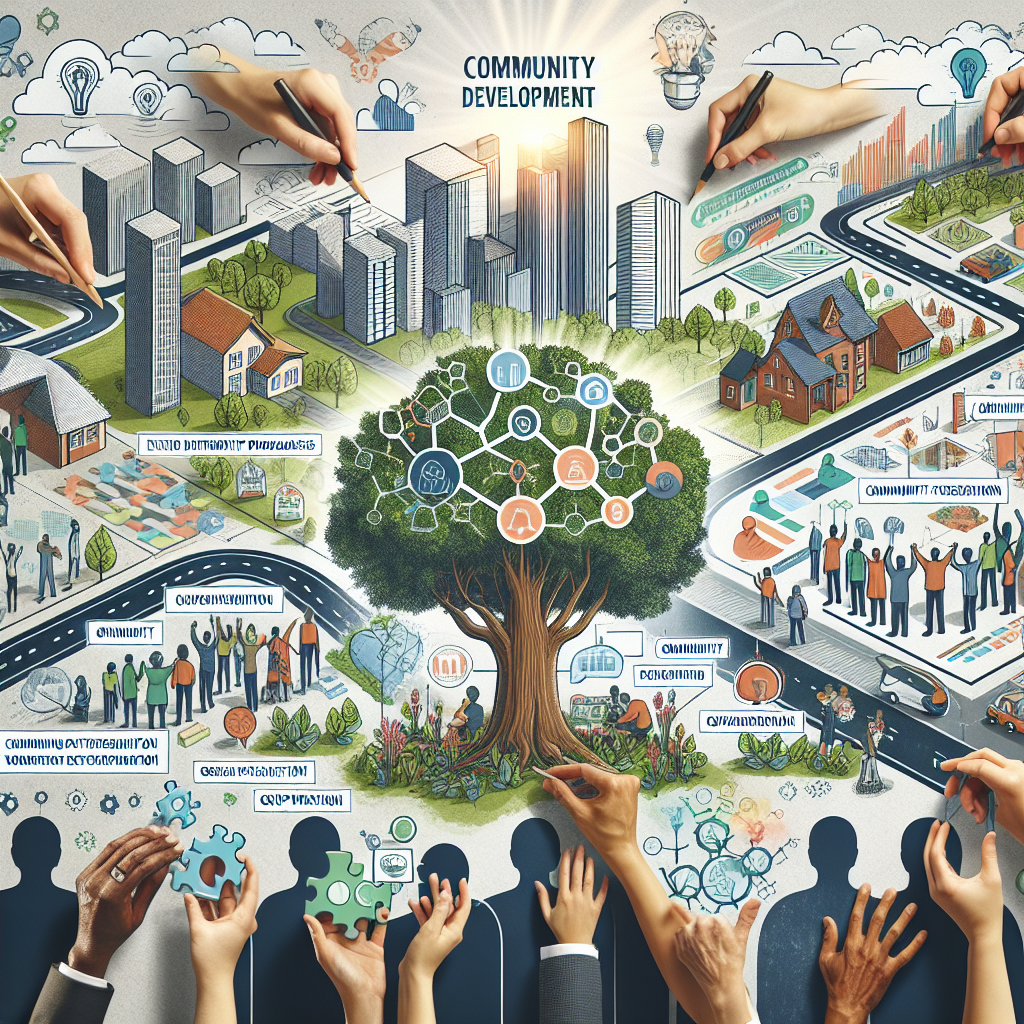
Community development is a multifaceted concept that aims to improve the lives of residents by fostering civic engagement, enhancing economic opportunities, and building social infrastructure. It touches on various elements, such as affordable housing, local governance, environmental sustainability, and economic growth. In recent years, community development initiatives have gained momentum as more local governments realize the long-term benefits of investing in their communities.
Local governance plays a crucial role in the successful implementation of community development projects. It involves city councils, local officials, community organizations, and residents working together towards common goals. By focusing on the needs and desires of the community, local governance ensures that development initiatives are both inclusive and sustainable. This collaborative approach strengthens the bond between residents and their local government, making the community more resilient and capable of overcoming challenges.
In this article, we will explore the various impacts of community development on local governance. We’ll begin with the fundamentals of community development, discuss the benefits it brings to local governance, examine case studies of successful initiatives, and provide a roadmap for future planning. By the end, readers will have a thorough understanding of how community development can transform local governance for the better.
Fundamentals of Community Development
Community development is a process that involves the planned evolution of various aspects of a community to enhance the quality of life for its residents. It typically addresses multiple dimensions, including physical infrastructure, social systems, economic opportunities, and cultural assets. At its core, community development focuses on empowering residents to take an active role in shaping their environment.
Key components of effective community development include identifying community needs, collaborative planning, resource mobilization, and project implementation. To begin with, understanding the unique needs and aspirations of a community is essential. This can be achieved through community surveys, public forums, and stakeholder meetings. Collaborative planning involves bringing together various community members, organizations, and local officials to develop a shared vision and strategic plan. Resource mobilization is the process of acquiring the necessary financial, human, and material resources to implement development projects. This often involves securing grants, public funding, private investments, and community contributions. Finally, project implementation requires careful coordination and monitoring to ensure that development initiatives are executed efficiently and achieve their intended outcomes.
Benefits to Local Governance
Community development initiatives offer numerous benefits to local governance. One of the most significant advantages is increased civic engagement. When residents actively participate in the planning and execution of community projects, they develop a sense of ownership and responsibility. This can lead to higher levels of voter turnout, greater participation in public meetings, and more robust community advocacy.
Moreover, community development fosters trust between residents and local governments. Transparent and inclusive decision-making processes enable residents to see the direct impact of their contributions. This increased trust can lead to more effective government operations, as residents are more likely to support and cooperate with local officials.
Community development also promotes economic vitality. By investing in local businesses, workforce development, and affordable housing, communities can stimulate economic growth and reduce unemployment. This economic boost can generate additional revenue for local governments, enabling them to provide better services and infrastructure.
Additionally, community development enhances social cohesion by creating spaces and opportunities for residents to interact and build relationships. This can result in stronger, more resilient communities where residents work together to address common challenges and support one another.

Case Studies of Successful Initiatives
Examining real-world examples provides valuable insights into how community development can positively impact local governance. One notable case is the Dudley Street Neighborhood Initiative (DSNI) in Boston, Massachusetts. Established in 1984, DSNI has transformed a once blighted and neglected neighborhood into a thriving community through grassroots organizing and collaborative planning. DSNI’s approach includes affordable housing development, youth programs, and environmental sustainability initiatives. Their success is largely attributed to strong community engagement and partnerships with local government, businesses, and non-profits. As a result, DSNI has become a model for other communities seeking to revitalize their neighborhoods.
Another example is the Baltimore Neighborhood Collaborative (BNC) in Maryland. BNC focuses on building strong neighborhoods by addressing issues such as housing, education, public safety, and economic development. Through targeted investment and strategic partnerships, BNC has successfully improved the quality of life for residents in several Baltimore neighborhoods.
These case studies demonstrate the power of community development to drive positive change and strengthen local governance. By engaging residents, fostering partnerships, and focusing on comprehensive solutions, communities can achieve sustainable and inclusive development.
Challenges and Solutions
Despite the many benefits, community development initiatives face several challenges. One common issue is securing adequate funding. Local governments often have limited budgets, and competing priorities can make it difficult to allocate sufficient resources to community development projects. To address this challenge, communities can explore diverse funding sources, such as federal grants, private donations, and public-private partnerships.
Another challenge is overcoming resistance to change. Some residents may be skeptical of development initiatives or fear that they will disrupt the status quo. Effective communication and inclusive planning processes are crucial for building trust and gaining community buy-in. Involving residents early and often in the decision-making process can help alleviate concerns and foster a sense of ownership.
Additionally, coordinating efforts across multiple stakeholders can be complex. Effective project management, clear communication channels, and well-defined roles and responsibilities are essential for successful collaboration. Establishing steering committees or task forces can help ensure that all stakeholders are aligned and working towards common goals.
Roadmap for Future Planning
To maximize the impact of community development on local governance, communities should adopt a strategic and long-term approach. Here are some key steps for future planning:
- Conduct a Needs Assessment: Begin by identifying the unique needs and priorities of the community through surveys, public meetings, and data analysis.
- Develop a Comprehensive Plan: Create a strategic plan that outlines specific goals, objectives, and actions for addressing identified needs. Ensure that the plan is inclusive and represents the voices of all community stakeholders.
- Secure Funding and Resources: Identify and pursue diverse funding sources, including grants, public funding, and private investments. Mobilize community resources and seek partnerships with local organizations and businesses.
- Implement and Monitor Projects: Execute development projects according to the strategic plan, and establish mechanisms for monitoring progress and evaluating outcomes. Adjust strategies as needed based on feedback and results.
- Foster Community Engagement: Continuously involve residents in planning and decision-making processes. Encourage civic participation through outreach, education, and empowerment initiatives.
- Build Partnerships: Collaborate with local government, non-profits, businesses, and other stakeholders to leverage resources and expertise. Establish strong relationships and formal agreements to ensure alignment and mutual support.
Conclusion
Community development has a profound impact on local governance by fostering civic engagement, building trust, promoting economic vitality, and enhancing social cohesion. Successful community development requires careful planning, resource mobilization, and collaboration among various stakeholders. By examining case studies and addressing common challenges, communities can develop effective strategies for sustainable and inclusive development.
As we look to the future, it is essential for communities to adopt a strategic and long-term approach to community development. This includes conducting needs assessments, developing comprehensive plans, securing diverse funding sources, and fostering community engagement. By working together and leveraging the strengths of residents and local institutions, communities can achieve transformative change and build stronger, more resilient neighborhoods. Ultimately, community development is not just about improving physical infrastructure or economic opportunities. It is about empowering residents to take an active role in shaping their environment, building social connections, and creating a sense of pride and ownership in their community. When local governance prioritizes and invests in community development, the result is a more vibrant, inclusive, and prosperous society.